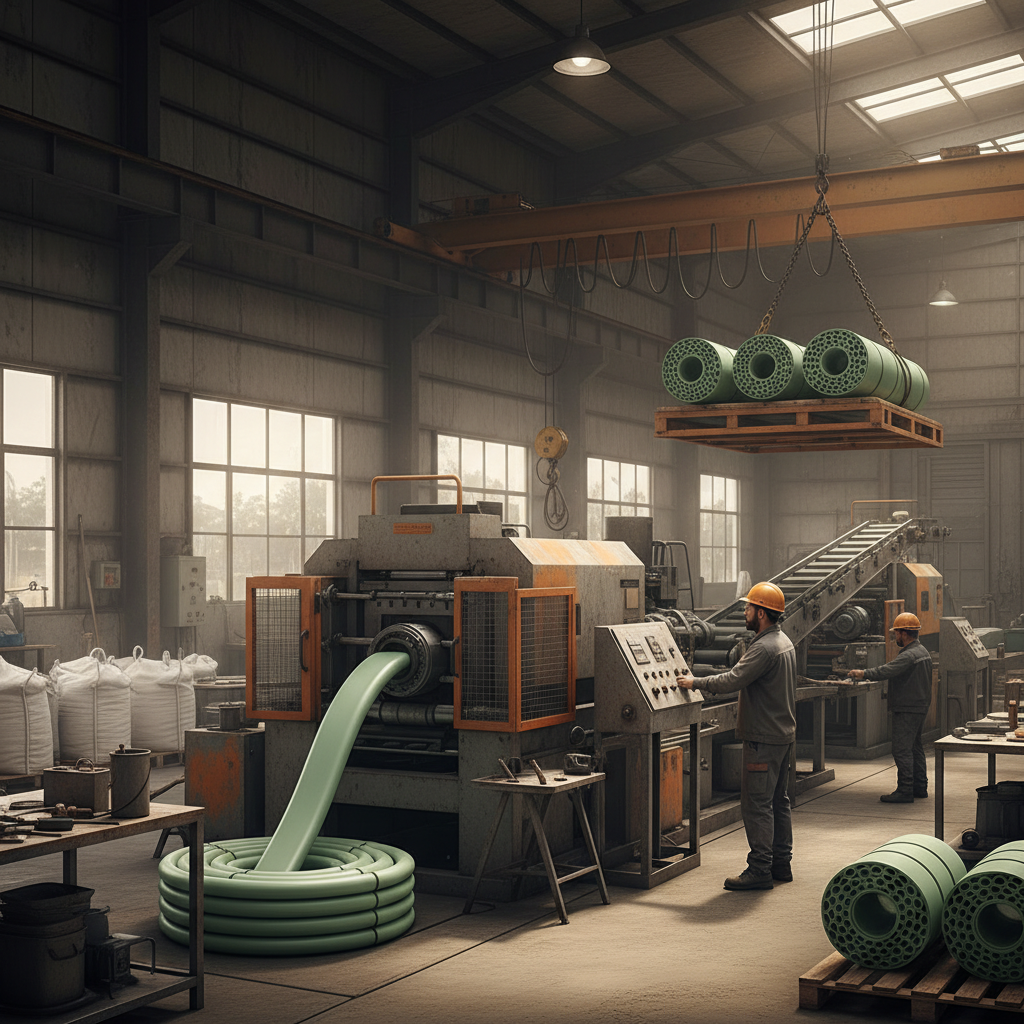
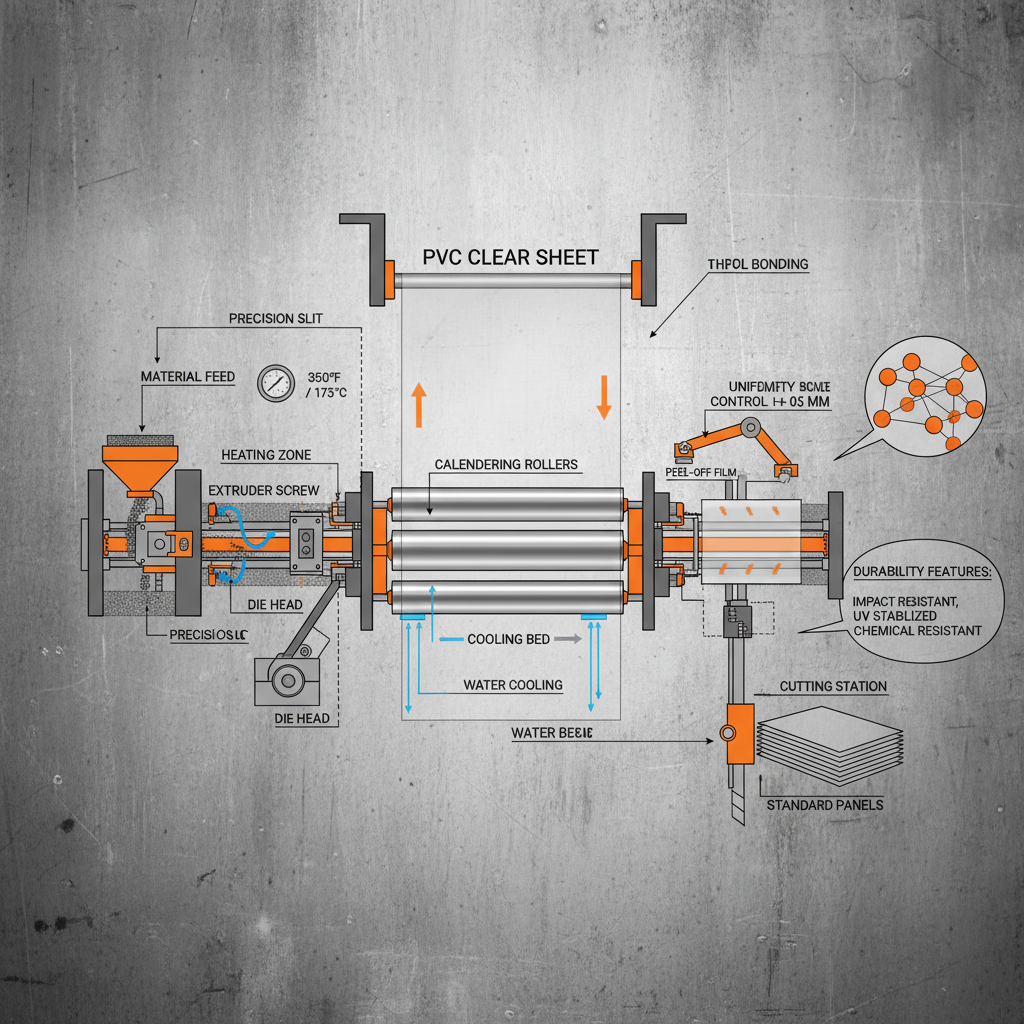
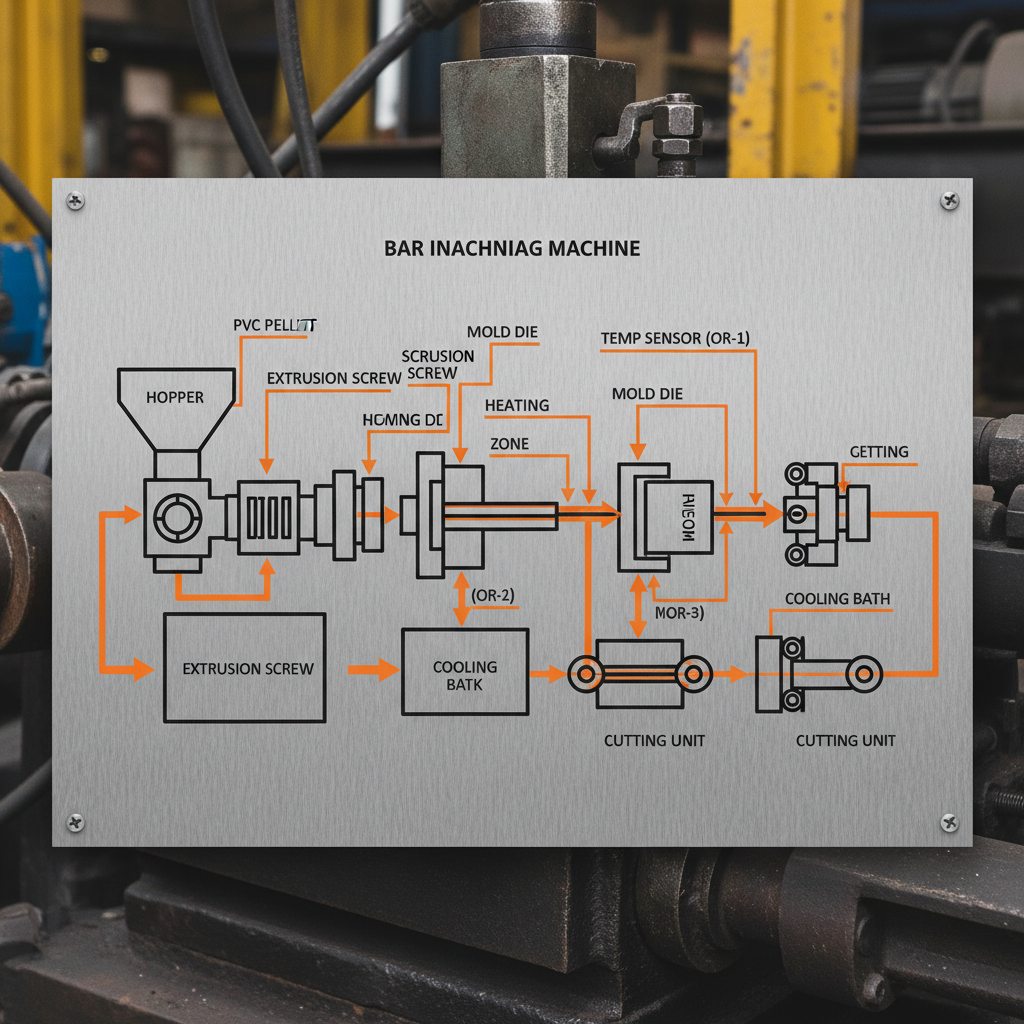
PPR pipe, or Polypropylene Random Copolymer pipe, has rapidly become a cornerstone of modern fluid transport systems globally. Its inherent properties – corrosion resistance, high temperature tolerance, and ease of installation – are crucial in addressing the growing demand for reliable infrastructure in diverse sectors. Understanding its applications, benefits, and potential future developments is vital for engineers, contractors, and policymakers alike. The increasing need for efficient and safe water distribution, coupled with stringent environmental regulations, makes the adoption of materials like ppr pipe a necessity, rather than an option.
The global ppr pipe market is experiencing substantial growth, driven by expanding urbanization, infrastructure development in emerging economies, and a rising focus on sustainable plumbing solutions. Data from the UN projects a global population of 9.7 billion by 2050, placing immense strain on existing water and sanitation infrastructure. PPR pipe offers a viable and cost-effective solution to meet these growing demands, exceeding the performance and longevity of traditional materials like galvanized steel in many applications. The ISO standards for ppr pipe ensure consistent quality and performance across different regions, fostering international trade and collaboration.
The challenge of aging infrastructure and water scarcity is pressing worldwide. PPR pipe offers a long-term, sustainable answer, reducing leakage, minimizing maintenance costs, and providing a safe and reliable pathway for essential fluids. From residential plumbing to large-scale industrial projects, its versatility and durability are proving invaluable in building a more resilient and sustainable future.
Introduction to ppr pipe
PPR pipe stands for Polypropylene Random Copolymer pipe and represents a significant advancement in fluid conveyance technology. It's a thermoplastic material known for its remarkable versatility and suitability for both hot and cold water applications. This makes it ideal for a wide range of uses, from residential plumbing systems to industrial applications needing chemical resistance.
The widespread adoption of ppr pipe is directly linked to its superior performance compared to traditional materials like copper, galvanized steel, and even older forms of plastic piping. Its resistance to corrosion, scaling, and bacterial growth ensures long-term reliability and reduces maintenance requirements, offering a compelling economic advantage over its counterparts.
Defining ppr pipe and its Significance
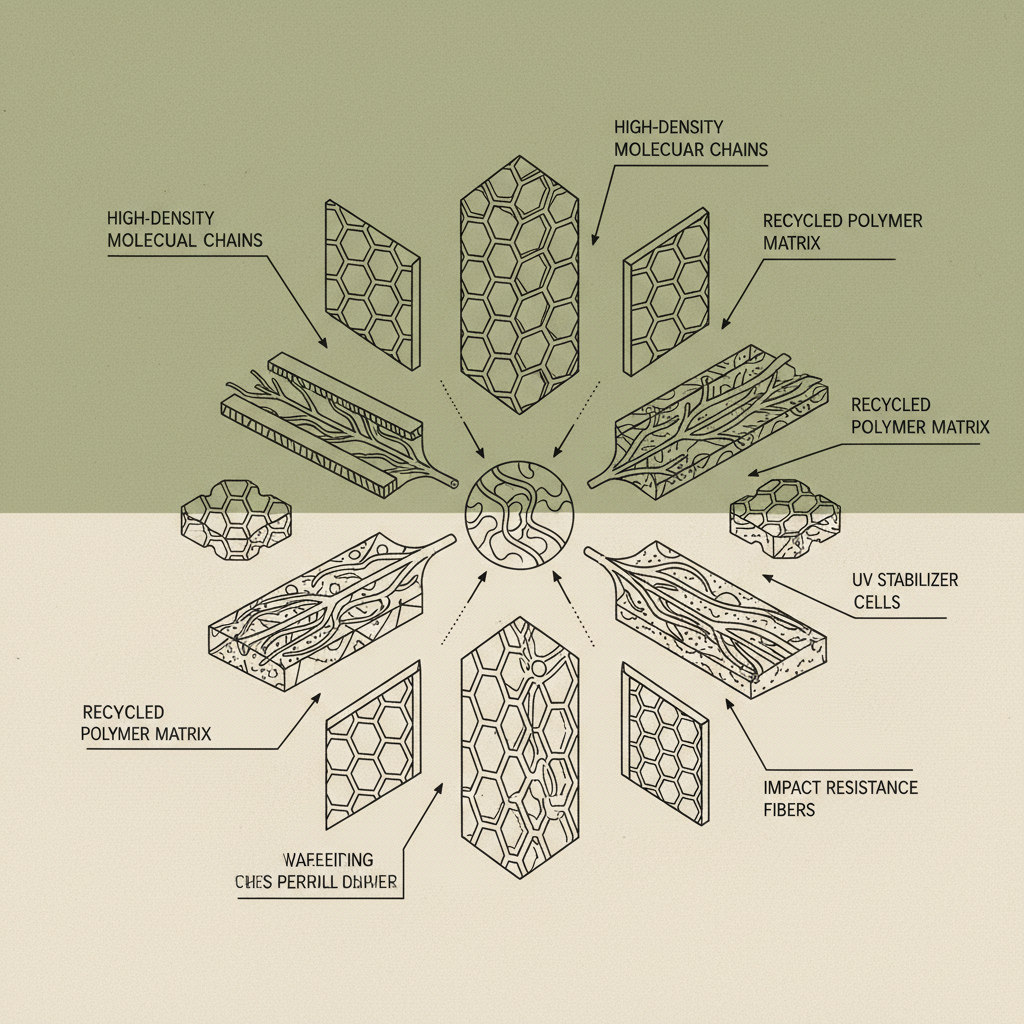
In its simplest form, ppr pipe is manufactured from polypropylene resin, a thermoplastic polymer known for its chemical inertness and high strength-to-weight ratio. The 'Random Copolymer' designation signifies a specific method of polymerization that results in a material with enhanced flexibility and impact resistance, crucial for handling varying water pressures and temperatures. Its composition is carefully controlled to meet stringent international standards.
The significance of ppr pipe extends far beyond its technical specifications. In a world facing increasing water scarcity and the urgent need for sustainable infrastructure, ppr pipe provides a solution that minimizes water waste through leak prevention and reduces the environmental impact associated with pipe replacement and maintenance. It aligns with global efforts to improve public health and sanitation.
PPR pipe is integral to modern industry and humanitarian efforts. Its lightweight nature and ease of assembly drastically reduce installation time and costs, making it an ideal choice for rapid deployment in disaster relief scenarios, remote construction projects, and large-scale infrastructure upgrades.
Key Characteristics of ppr pipe
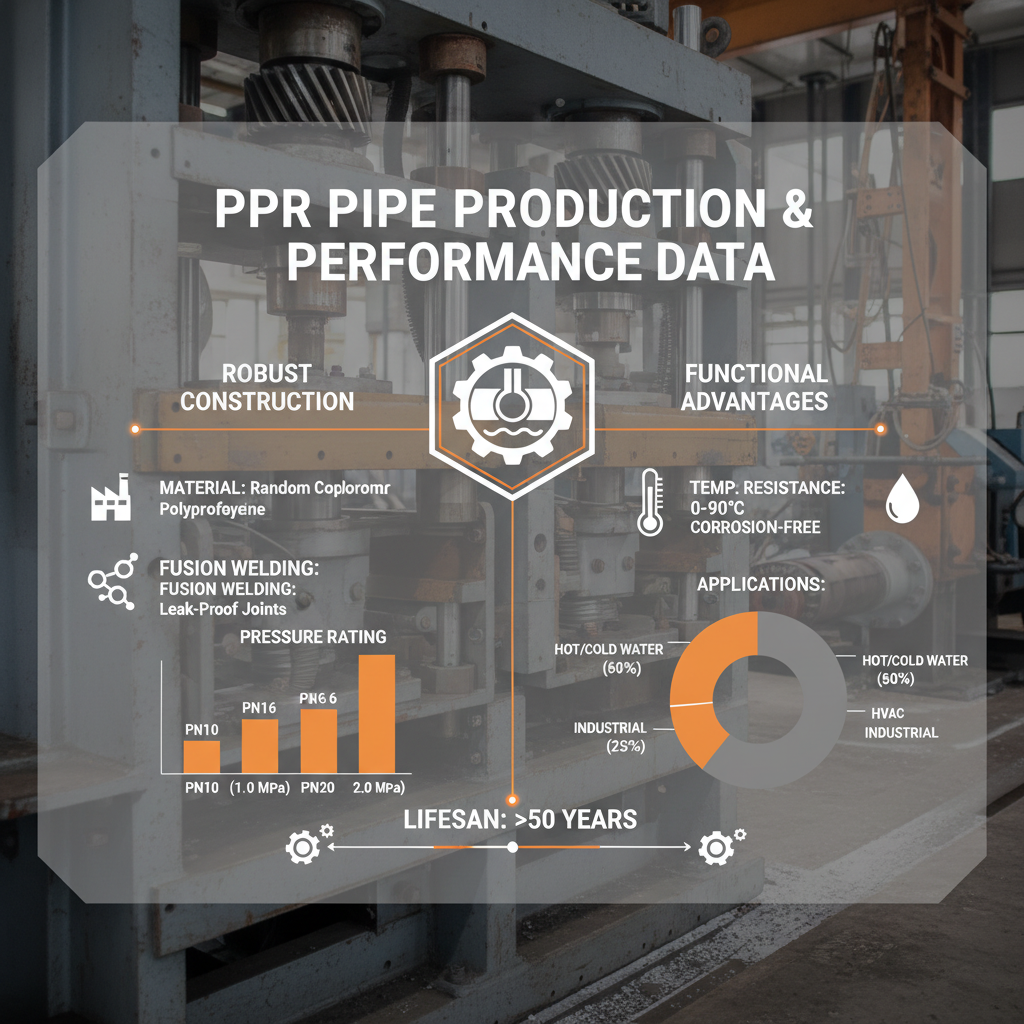
One of the defining characteristics of ppr pipe is its exceptional thermal stability. It can reliably handle water temperatures up to 95°C, making it suitable for both hot and cold water distribution systems. This eliminates the need for separate piping materials for different temperature applications, simplifying installation and reducing costs.
Durability is another key feature. PPR pipe is inherently resistant to corrosion, scaling, and chemical attack, ensuring a long service life – often exceeding 50 years. This minimizes the need for costly repairs and replacements, providing significant long-term savings. Its smooth internal surface also reduces friction losses, improving flow rates and energy efficiency.
PPR pipe is also remarkably lightweight and easy to install. It can be joined using simple heat fusion welding, creating a leak-proof and durable connection. This eliminates the need for specialized tools or skilled labor, further reducing installation costs and project timelines. Its flexibility also allows for easier routing around obstacles, reducing the need for complex fittings.
Global Applications of ppr pipe
PPR pipe finds widespread application in residential plumbing systems, providing reliable hot and cold water distribution for homes, apartments, and condominiums. Its ease of installation and long-term durability make it a favored choice for both new construction and renovation projects.
Beyond residential use, ppr pipe is heavily utilized in commercial and industrial settings. It's employed in HVAC systems for chilled and heated water circulation, in chemical processing plants for transporting corrosive fluids, and in agricultural irrigation systems for efficient water delivery.
In post-disaster relief operations, ppr pipe offers a rapid and effective solution for establishing potable water supplies to affected communities. In remote industrial zones lacking established infrastructure, ppr pipe provides a quick and economical pathway for delivering essential fluids, supporting resource extraction and processing activities.
PPR Pipe Application Comparison
Advantages and Long-Term Value of ppr pipe
The tangible benefits of ppr pipe are numerous. The cost of materials and installation is often lower compared to traditional piping systems, leading to significant upfront savings. Furthermore, its exceptional lifespan and minimal maintenance requirements translate into substantial long-term cost reductions.
From a sustainability perspective, ppr pipe boasts a lower carbon footprint than many alternative materials. Its recyclability and resistance to corrosion reduce resource consumption and minimize environmental impact. This aligns with growing global efforts to promote green building practices and responsible resource management. The inherent safety offered by a non-toxic and leak-resistant system contributes to public health and environmental protection.
Future Trends in ppr pipe Technology
Ongoing research focuses on enhancing the properties of ppr pipe through the incorporation of advanced additives and manufacturing techniques. Developments in nanotechnology aim to further improve its strength, durability, and resistance to extreme temperatures and pressures.
The integration of smart sensors into ppr pipe systems is emerging as a key trend. These sensors can monitor water flow, pressure, temperature, and even detect leaks in real-time, enabling proactive maintenance and reducing water waste. This digital transformation is poised to revolutionize the way we manage water infrastructure.
Challenges and Solutions Regarding ppr pipe
Despite its many advantages, ppr pipe faces some challenges. One common concern is the potential for improper installation leading to joint failures. This can be mitigated through rigorous training and certification programs for installers, ensuring adherence to best practices.
Another challenge is the limited awareness of ppr pipe among some consumers and building professionals. Increased education and promotion of its benefits are crucial to overcoming this barrier. Standardization of testing methods and clearer labeling can also enhance consumer confidence and facilitate wider adoption.
Addressing these challenges requires collaborative efforts from manufacturers, installers, regulators, and industry associations. Investing in research and development, promoting best practices, and fostering greater awareness will unlock the full potential of ppr pipe as a sustainable and reliable solution for water infrastructure worldwide.
Frequently Asked Questions About ppr pipe
A properly installed ppr pipe system generally has a lifespan exceeding 50 years, and can potentially reach 70-100 years with minimal maintenance. This longevity stems from its inherent resistance to corrosion, scaling, and chemical degradation, making it a cost-effective long-term investment compared to traditional materials like copper or galvanized steel.
Yes, ppr pipe is specifically designed to handle both hot and cold water. It can withstand temperatures up to 95°C (203°F) without deformation or degradation, making it a versatile choice for entire plumbing systems, eliminating the need for separate hot and cold water piping. Its thermal stability ensures consistent performance and reliability.
PPR pipe is typically joined using a process called heat fusion welding. This involves heating both the pipe and fitting simultaneously, then quickly joining them together to create a permanent, leak-proof seal. The process is relatively simple and requires specialized, affordable tools. This method ensures a strong, durable connection without the use of adhesives or solvents.
PPR pipe is considered a more environmentally friendly option compared to some traditional piping materials. It’s recyclable, and its resistance to corrosion minimizes the need for frequent replacements, reducing resource consumption. Its smooth inner surface reduces friction loss, leading to lower energy consumption during water transport.
Yes, ppr pipe is suitable for underground applications, provided it's properly protected from mechanical damage and UV exposure. It's important to bury the pipe at an appropriate depth and use protective sleeves or coverings in areas prone to stress or abrasion. Its resistance to corrosion makes it an ideal choice for underground water distribution networks.
PPR pipe typically adheres to international standards such as DIN 8077, DIN 8078 and ISO 15876. These standards specify requirements for material quality, dimensional accuracy, and performance characteristics, ensuring consistent quality and reliability. Compliance with these standards is crucial for ensuring the long-term performance and safety of ppr pipe systems.
Conclusion
In summary, ppr pipe represents a significant advancement in fluid conveyance technology. Its unique combination of durability, thermal stability, ease of installation, and cost-effectiveness makes it a compelling alternative to traditional materials. From residential plumbing to large-scale industrial applications, ppr pipe is contributing to more sustainable and efficient infrastructure worldwide. Its role in addressing global water challenges is becoming increasingly crucial.
Looking ahead, continued innovation in ppr pipe technology – including the integration of smart sensors and advanced materials – will further enhance its performance and expand its applications. Increased awareness and adoption of best practices will unlock its full potential, paving the way for a more resilient and sustainable water future. To learn more about the benefits of ppr pipe and explore our range of products, visit our website: www.lidaplastic.com.