PVC clear sheet, also known as transparent PVC film, has become an indispensable material across a wide spectrum of industries globally. Its unique combination of clarity, durability, and affordability makes it a preferred choice for applications ranging from packaging and signage to protective barriers and specialized industrial uses. The increasing demand for visually appealing, yet robust materials has fueled the growth of the PVC clear sheet market, highlighting its critical role in modern manufacturing and product presentation.
The global PVC market is substantial and continues to expand, driven by infrastructure development, consumer goods production, and healthcare needs. According to Statista, the global PVC market size was valued at approximately USD 67.2 billion in 2023 and is projected to reach USD 85.1 billion by 2028. PVC clear sheet accounts for a significant portion of this, particularly in sectors prioritizing visual inspection and protection. This widespread adoption necessitates a deeper understanding of its properties, applications, and future trends.
Understanding the properties and potential of pvc clear sheet is vital for businesses and individuals alike. It addresses a key need for versatile, transparent materials that can provide both aesthetic appeal and functional benefits. From protecting sensitive products during transport to creating visually engaging displays, its adaptability is a significant advantage in a competitive marketplace.
Introduction: Global Context of pvc clear sheet
The global demand for pvc clear sheet is inextricably linked to the growth of the packaging, construction, and manufacturing sectors. Emerging economies, particularly in Asia-Pacific, represent a significant consumer base, driving innovation and production. The need for cost-effective yet reliable materials for product protection and presentation continues to expand, making pvc clear sheet a crucial component in global supply chains.
Furthermore, the increasing focus on hygiene and safety across industries has amplified the demand for pvc clear sheet in applications like protective face shields, medical packaging, and food containers. Its ability to create a barrier against contaminants, combined with its transparency for easy visual inspection, makes it an ideal material for these critical applications. This trend is projected to continue as health and safety regulations become more stringent.
Defining pvc clear sheet
pvc clear sheet is a versatile plastic film produced by the polymerization of vinyl chloride monomer. It is characterized by its exceptional clarity, allowing for high visibility of the contained product or display. Unlike other PVC formulations, it doesn't contain plasticizers in the same concentration, maintaining its transparency and structural integrity. The film is typically available in various thicknesses and sizes to suit diverse application requirements.
The connection to modern industry stems from its ability to replace traditional materials like glass or acetate in numerous applications, offering superior impact resistance, lower weight, and greater flexibility. In humanitarian contexts, pvc clear sheet finds use in constructing temporary shelters, creating protective barriers, and delivering essential medical supplies. Its affordability and ease of handling make it a practical solution in challenging environments.
Essentially, pvc clear sheet is a workhorse material, enabling both functional and aesthetic solutions across a multitude of sectors, making it a cornerstone of modern manufacturing and distribution.
Key Properties of pvc clear sheet
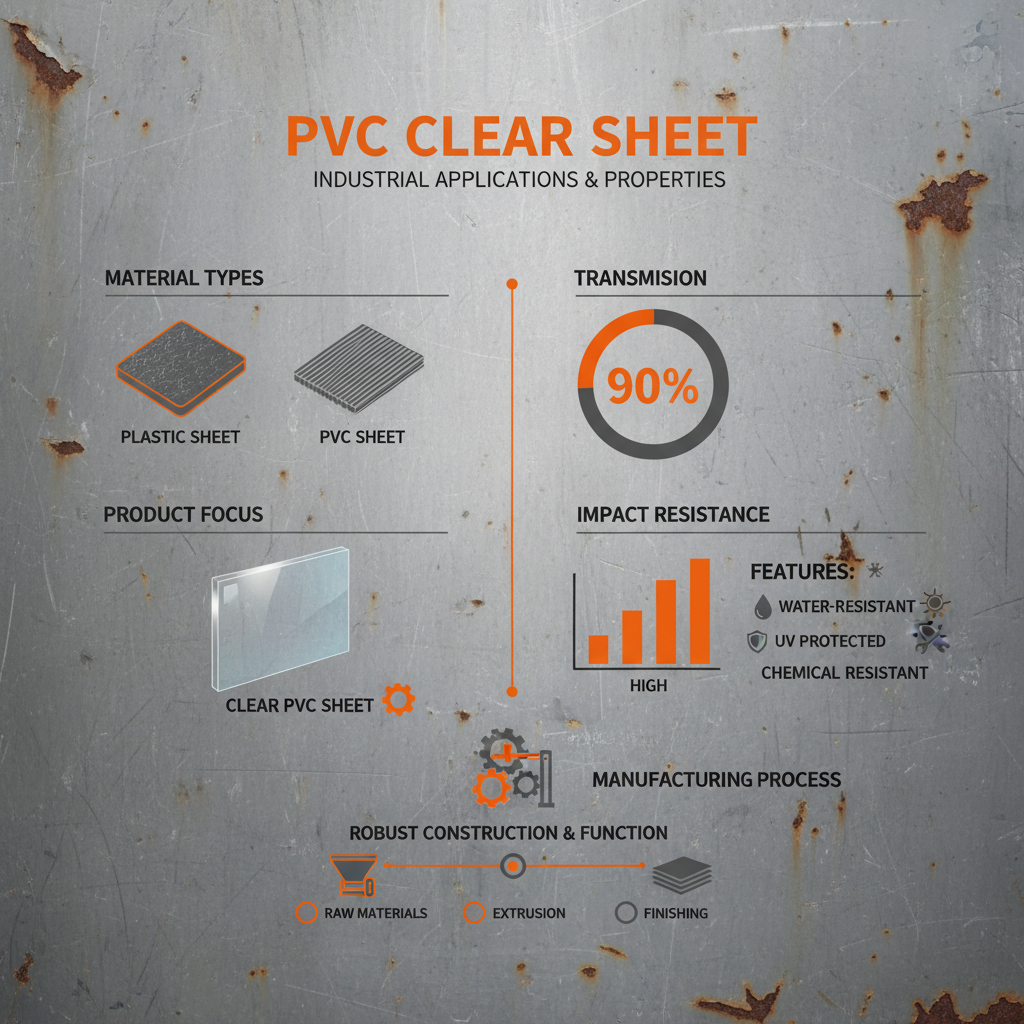
One of the defining characteristics of pvc clear sheet is its clarity. It boasts a high light transmission rate, making it ideal for applications where visibility is paramount, such as packaging, displays, and protective covers. This transparency doesn't compromise its strength; it remains remarkably durable.
Another crucial property is durability. pvc clear sheet is resistant to impacts, tears, and many chemicals, providing excellent protection for the contained products. It is also relatively resistant to weathering, maintaining its integrity even with prolonged exposure to sunlight and moisture. This makes it a reliable choice for both indoor and outdoor applications.
Cost-effectiveness is a significant advantage. Compared to alternative materials like polycarbonate or acrylic, pvc clear sheet offers a more affordable solution without significantly compromising on performance. This allows businesses to maintain product quality while controlling costs. It's a practical option for high-volume production runs.
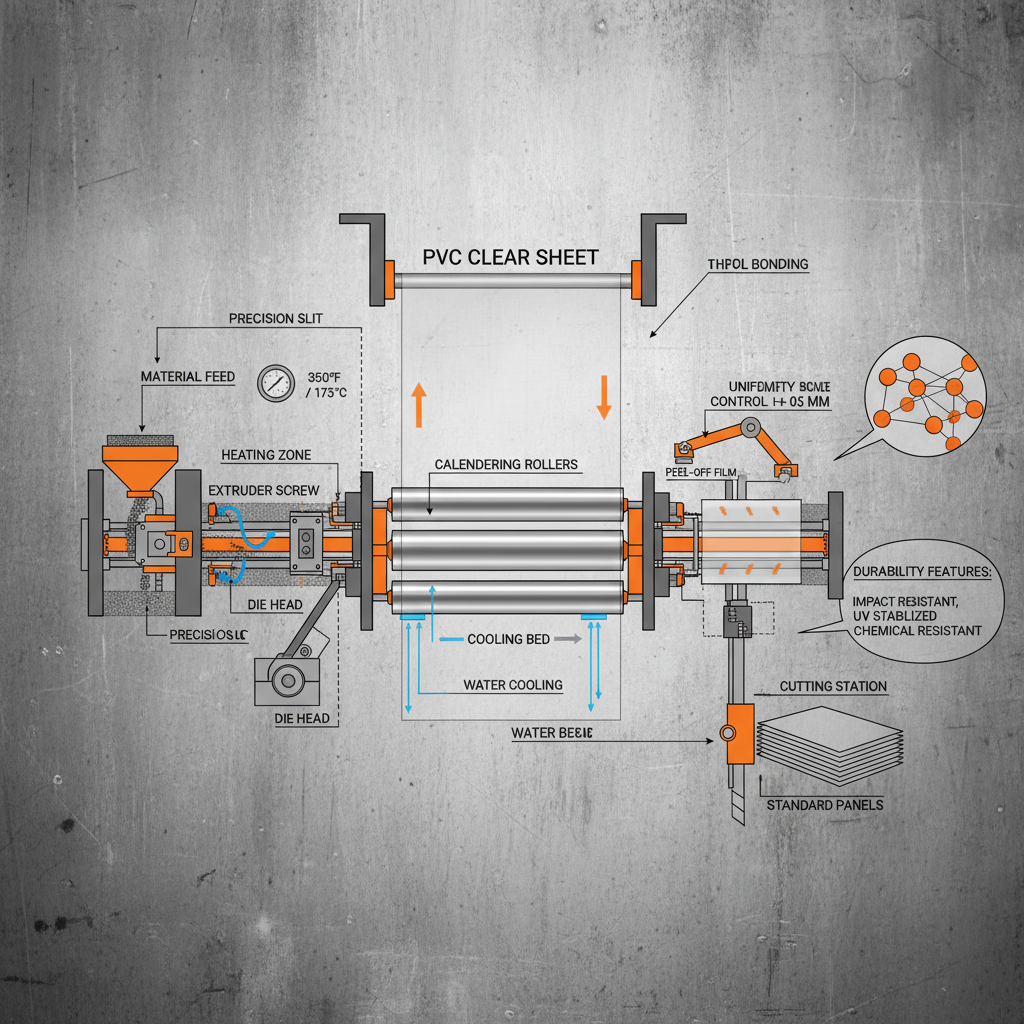
Formability also sets pvc clear sheet apart. It can be easily cut, folded, welded, and thermoformed, allowing for customization to meet specific design requirements. This versatility makes it suitable for a wide range of applications, from simple packaging to complex shapes and structures. It readily adapts to diverse manufacturing processes.
Applications Across Industries
The versatility of pvc clear sheet translates into a diverse range of applications across numerous industries. In the packaging industry, it's used extensively for blister packs, clamshells, and protective covers for food, pharmaceuticals, and consumer goods. Its clarity allows consumers to see the product, enhancing its appeal, while providing protection during transport and storage.
The signage and display industry leverages pvc clear sheet for creating point-of-sale displays, posters, and protective covers for advertising materials. Its transparency and durability ensure that messages remain visible and protected from damage. It's frequently used in retail environments to enhance product presentation and attract customers.
pvc clear sheet Application Efficiency Across Sectors
Advantages and Long-Term Value
The advantages of utilizing pvc clear sheet extend beyond immediate cost savings. Its durability translates to reduced product damage during shipping and handling, minimizing losses and improving customer satisfaction. This contributes to a more robust and reliable supply chain.
Furthermore, the increasing availability of recycled pvc clear sheet options enhances its sustainability profile, appealing to environmentally conscious consumers and businesses. By choosing recycled materials, companies can reduce their carbon footprint and contribute to a circular economy. This promotes a positive brand image and aligns with growing environmental standards.
Future Trends and Innovations
The future of pvc clear sheet lies in the development of bio-based alternatives and enhanced recycling technologies. Research is underway to create pvc formulations derived from renewable resources, reducing reliance on fossil fuels and minimizing environmental impact. These innovative materials promise to offer the same performance characteristics as traditional pvc clear sheet with a significantly lower carbon footprint.
Another emerging trend is the integration of smart technologies into pvc clear sheet packaging. This includes the incorporation of QR codes for track-and-trace capabilities, sensors for monitoring product condition, and anti-counterfeiting features for enhanced security. These advancements will further enhance the value and functionality of pvc clear sheet in various applications.
Digital printing technologies are also evolving, allowing for high-resolution graphics and customized designs directly onto pvc clear sheet, offering greater flexibility and branding opportunities.
Challenges and Sustainable Solutions
Despite its numerous benefits, pvc clear sheet faces challenges related to its environmental impact, particularly concerning end-of-life management. Traditional pvc disposal can contribute to landfill waste and potential release of harmful chemicals. Addressing this requires a concerted effort to improve recycling infrastructure and develop more sustainable alternatives.
Innovative solutions include chemical recycling, which breaks down pvc into its constituent monomers for reuse, and the development of biodegradable additives that accelerate decomposition in landfill environments. Extended Producer Responsibility (EPR) schemes, where manufacturers take responsibility for the end-of-life management of their products, are also gaining traction as a means of promoting circularity.
Collaboration between industry stakeholders, government agencies, and research institutions is crucial to overcome these challenges and ensure the long-term sustainability of pvc clear sheet production and consumption.
Summary of PVC Clear Sheet Sustainability and Recycling Approaches
| Recycling Method |
Environmental Impact |
Cost Effectiveness |
Implementation Challenges |
| Mechanical Recycling |
Low - Reduces landfill waste |
High - Relatively inexpensive |
Requires sorted and clean material |
| Chemical Recycling |
Moderate - Energy intensive but allows for high-quality reuse |
Moderate - Higher initial investment |
Complex process, requires specialized facilities |
| Biodegradable Additives |
Low - Accelerates decomposition in landfills |
Moderate - Adds to material cost |
Effectiveness depends on landfill conditions |
| Extended Producer Responsibility (EPR) |
High - Promotes circularity and reduces waste |
Moderate - Requires industry collaboration |
Requires regulatory framework and enforcement |
| Bio-Based PVC |
Very Low - Reduces reliance on fossil fuels |
Low - Currently more expensive than traditional PVC |
Requires sustainable feedstock sources |
| Design for Recyclability |
Moderate - Simplifies recycling process |
Low - Requires upfront design considerations |
Requires standardization and industry adoption |
FAQS
pvc clear sheet is widely used in food packaging for applications like blister packs for cookies and candies, clamshell containers for produce, and protective films for bakery items. Its clarity allows consumers to easily see the product, while its barrier properties help maintain freshness and prevent contamination. It’s chosen for its affordability and ability to protect food items during transport and display.
Generally, pvc clear sheet is more cost-effective than PET (Polyethylene Terephthalate). While PET offers excellent clarity, pvc clear sheet can achieve comparable levels of transparency at a lower price point. However, PET is generally considered more readily recyclable than pvc, and has superior chemical resistance in some applications. The choice between the two depends on the specific requirements of the application.
pvc clear sheet can be used for some outdoor applications, but its UV resistance is limited without additives. Prolonged exposure to sunlight can cause it to become brittle and discolored. To enhance its UV resistance, UV stabilizers are often added during the manufacturing process, extending its lifespan in outdoor environments. The degree of UV protection varies depending on the concentration of the stabilizer used.
The typical thickness range for pvc clear sheet used in packaging varies depending on the application. For lightweight applications like blister packs, thicknesses of 0.2mm to 0.5mm are common. For more robust applications like clamshell containers, thicknesses can range from 0.5mm to 1.0mm or even thicker. Choosing the correct thickness is crucial for ensuring adequate product protection without adding unnecessary weight or cost.
The main environmental concerns with pvc clear sheet stem from the use of chlorine in its production and the difficulty in recycling. However, advancements are being made in bio-based pvc and chemical recycling technologies to address these concerns. Sustainable alternatives include materials like PLA (Polylactic Acid) and bio-based PET, though these often come with a higher cost and may not match all the performance characteristics of pvc clear sheet.
pvc clear sheet can be printed on relatively easily, though surface preparation may be required for optimal adhesion. Common printing methods include flexographic printing, offset printing, and digital printing. Flexography is often used for high-volume production runs, while digital printing is ideal for customized designs and smaller quantities. The choice of printing method depends on the complexity of the design and the required print quality.
Conclusion
In conclusion, pvc clear sheet remains a highly versatile and cost-effective material with a broad range of applications across numerous industries. Its clarity, durability, and formability make it an invaluable component in packaging, signage, and protective solutions. Understanding its properties and limitations, as well as exploring sustainable alternatives and recycling technologies, is crucial for ensuring its responsible and long-term use.
Looking ahead, continued innovation in bio-based pvc formulations, improved recycling infrastructure, and the integration of smart technologies will be key to unlocking the full potential of this material. By embracing sustainable practices and prioritizing environmental responsibility, we can ensure that pvc clear sheet continues to provide valuable solutions while minimizing its impact on the planet.