Let's talk pe sheet. It’s not glamorous, but it’s the backbone of a lot of what gets built – and honestly, keeps a lot of projects from falling apart. I’ve spent years out on sites, seeing firsthand how critical the right materials are. You can have the best design in the world, the most skilled engineers, but if your pe sheet isn't up to snuff, you’re going to be facing headaches, delays, and ultimately, a compromised structure. It's about more than just a plastic covering; it’s about protecting investments, ensuring safety, and delivering a finished product everyone can be proud of.
The demand for reliable pe sheet is only growing, driven by infrastructure projects worldwide and a surge in temporary structures – everything from disaster relief shelters to construction site enclosures. We're seeing stricter regulations around material performance and durability, pushing the industry to innovate. It’s not enough anymore to just have a sheet that looks good; it needs to withstand harsh conditions, resist tears, and maintain its integrity over time. This is a critical element often overlooked in early project planning.
What I’ve learned after years in the field is that quality pe sheet isn't a cost center; it's a risk mitigator. Investing in a superior product upfront saves you money, time, and a whole lot of trouble down the line. It’s the kind of thing you don't notice when it's working right, but you definitely notice when it fails.
The Fundamental Role of pe sheet
From what I see on job sites, pe sheet often plays the unsung hero role. It’s the first line of defense against the elements, protecting materials, equipment, and even the structural integrity of projects. It's used for vapor barriers, containment liners, temporary enclosures, and a whole host of other applications. Ignoring the quality of this foundational layer can lead to moisture damage, corrosion, and premature failures.
We’ve all seen projects where corners were cut, and cheap pe sheet was used. It ends up ripping, tearing, and failing to provide adequate protection. The cost of replacing damaged materials or dealing with unforeseen issues far outweighs the initial savings on the sheet itself. It’s a lesson I’ve seen repeated countless times.
Global Demand and Industry Trends
The global construction industry is booming, particularly in developing nations. This is driving up demand for all types of building materials, including pe sheet. But it's not just construction; we're also seeing increased use in agriculture, environmental remediation, and even disaster relief. The UN estimates that the need for emergency shelter materials will continue to rise due to climate change and increasing frequency of natural disasters.
Right now, there's a big push for more sustainable and eco-friendly materials. This means a move away from traditional plastics and towards recycled or bio-based pe sheet options. Manufacturers are responding with innovative products that offer comparable performance with a reduced environmental footprint. That's a trend I'm watching closely.
I’m also seeing a growing demand for specialized pe sheet with enhanced properties, like UV resistance, flame retardancy, and antimicrobial protection. Projects are becoming more complex, and the materials need to keep pace.
Defining pe sheet: More Than Just Plastic
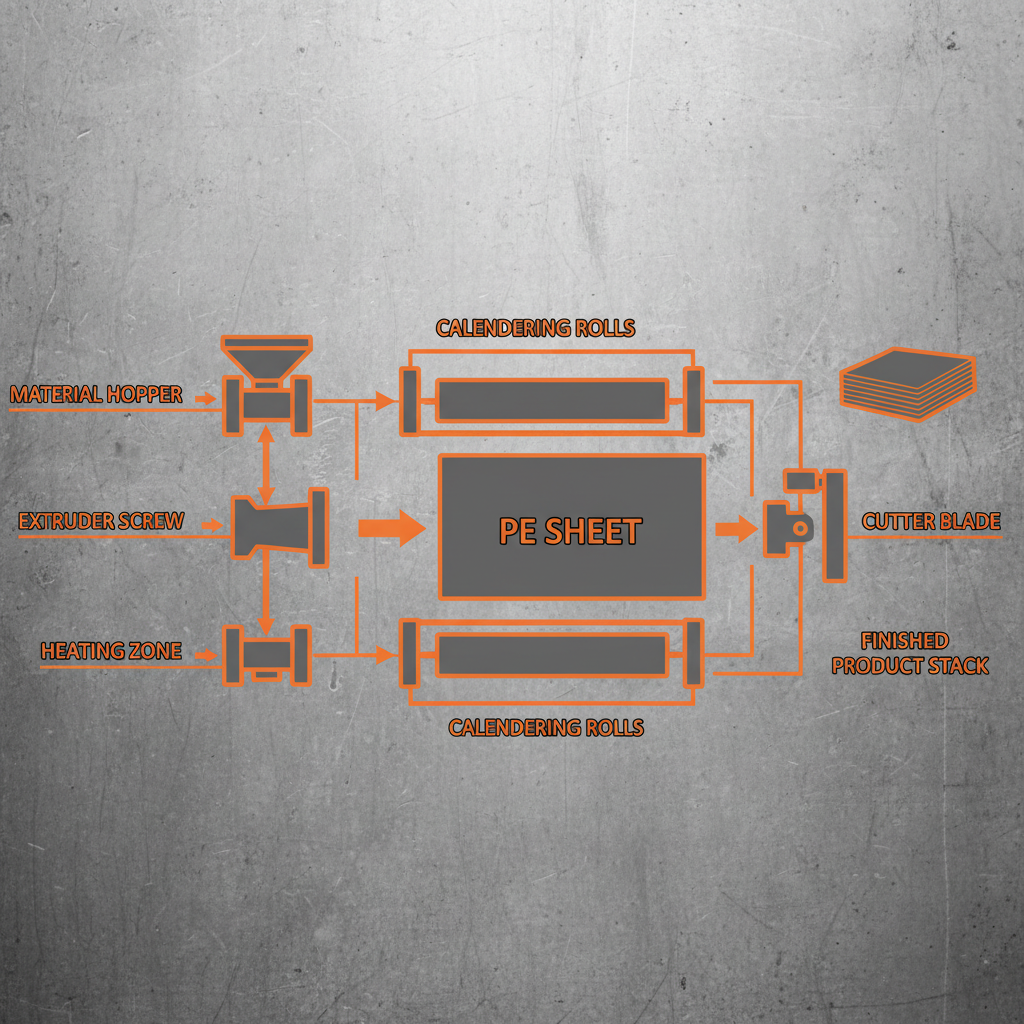
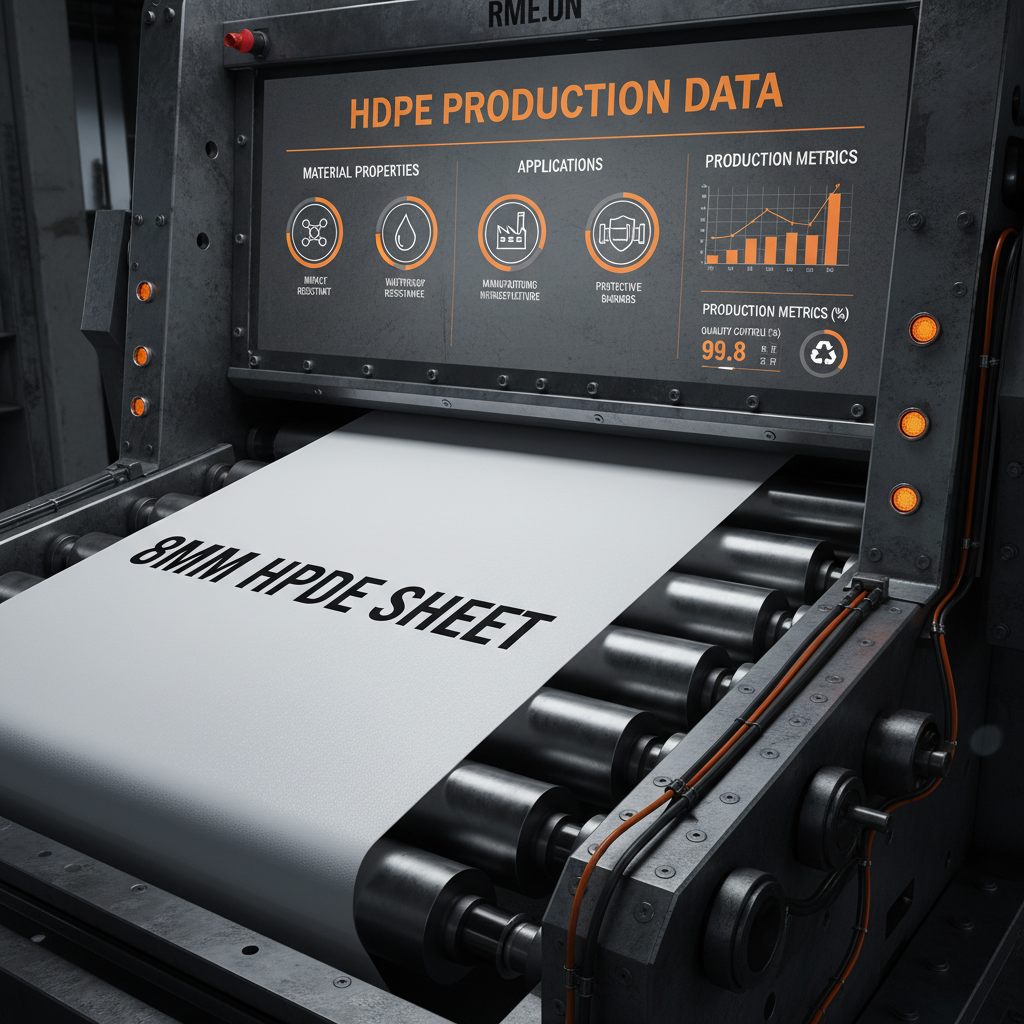
People often think of pe sheet as just a simple plastic covering, but it’s far more nuanced than that. It's polyethylene sheeting, typically low-density (LDPE) or high-density (HDPE). The density dictates the strength, durability, and chemical resistance of the sheet. A lot of what dictates performance is based on manufacturing process.
It's a versatile material because it can be manufactured in a wide range of thicknesses, widths, and colors. The addition of additives can further customize its properties – for example, adding UV stabilizers to increase its lifespan in direct sunlight. Properly spec'd, it’s a critical component in a huge array of applications.
Its connection to modern industry isn't just about construction; it’s also vital in areas like packaging, agriculture (silage films), and even medical applications. The ability to create a barrier against moisture, dust, and contamination makes it invaluable in maintaining product integrity and hygiene.
Key Performance Indicators of pe sheet
When I'm evaluating pe sheet for a project, I look at several key things. First, tensile strength—how much force can it withstand before tearing? That's huge. Then there's tear resistance, which is different; it’s how easily a tear propagates once it starts.
UV resistance is also critical, especially for outdoor applications. Permeability is another factor; how well does it prevent moisture or gases from passing through? And finally, thickness and weight – you need a balance between durability and ease of handling.
Comparative Performance of pe sheet Types
Real-World Applications of pe sheet
I've used pe sheet in countless applications. On construction sites, it’s crucial for dust barriers, protecting sensitive equipment and materials from the elements. In post-disaster relief operations, it provides immediate shelter and protection for those affected by hurricanes, floods, or earthquakes.
We even use it in agriculture to create greenhouse covers and silage wraps. And in remote industrial zones, it's used to contain spills and prevent environmental contamination. The versatility is what makes it so valuable.
The Long-Term Value Proposition of Quality pe sheet
Look, the upfront cost of higher-quality pe sheet might be a little more, but the long-term savings are significant. You’re reducing the risk of material damage, project delays, and costly repairs. You’re also improving the overall durability and longevity of the finished product.
From a sustainability standpoint, using a more durable sheet means less frequent replacements, which reduces waste. It's a simple equation: invest in quality upfront, and you’ll save money, time, and headaches down the road.
And let's not forget the safety aspect. A reliable pe sheet can protect workers from hazardous conditions and prevent accidents. That peace of mind is priceless.
Future Innovations in pe sheet Technology
I'm excited about the developments I'm seeing in bio-based pe sheet. Using renewable resources to create these materials is a huge step towards a more sustainable construction industry.
We’re also seeing advancements in nanotechnology that could enhance the strength, durability, and barrier properties of pe sheet. And the integration of sensors into the sheet itself – for things like moisture detection or structural monitoring – is a game-changer.
I think the future of pe sheet is about smarter, more sustainable materials that offer even greater performance and versatility. It’s a dynamic field, and I’m eager to see what innovations emerge in the coming years.
Summary of Future pe sheet Development Areas
| Development Area |
Potential Impact |
Technology Readiness Level (TRL) |
Expected Timeline |
| Bio-based pe sheet |
Reduced carbon footprint, sustainable sourcing |
6-7 (Prototype Stage) |
3-5 years |
| Nanomaterial Reinforcement |
Enhanced strength, tear resistance |
4-5 (Lab Validation) |
5-7 years |
| Integrated Sensor Technology |
Real-time monitoring, proactive maintenance |
3-4 (Conceptual Design) |
7-10 years |
| Self-Healing pe sheet |
Automated repair of minor damage, extended lifespan |
2-3 (Basic Research) |
10+ years |
| Recyclable pe sheet formulations |
Closed-loop material cycle, reduced landfill waste |
5-6 (Pilot Scale) |
3-5 years |
| UV-resistant Coatings |
Extended outdoor lifespan, reduced degradation |
7-8 (Commercialization) |
Ongoing |
FAQS
LDPE (Low-Density Polyethylene) is more flexible and transparent, making it great for temporary covers, vapor barriers, and applications where light transmission is needed. HDPE (High-Density Polyethylene) is significantly stronger and more resistant to chemicals and tears, ideal for containment liners, heavy-duty protection, and long-term applications. Choose HDPE when durability and containment are key, and LDPE for lighter-duty, flexible needs.
The lifespan of pe sheet in direct sunlight varies greatly depending on the thickness and whether it contains UV stabilizers. Without UV protection, it can become brittle and degrade within weeks. With UV stabilization, a good quality sheet can last for 6-12 months, but regular inspection is vital. I always recommend using UV-resistant sheet for any outdoor application that will be exposed to the sun for an extended period.
Pe sheet is water-resistant, not waterproof. While it can prevent water from passing through, seams and overlaps are potential points of leakage. Proper overlapping and sealing of seams with appropriate tape are crucial to create a truly waterproof barrier. Think of it like a raincoat – it keeps you dry in light rain, but you'll still get wet in a downpour if there are gaps.
Small tears can be patched with a compatible pe sheet tape. For larger tears, a patch of pe sheet, larger than the tear, should be applied with a strong adhesive specifically designed for polyethylene. The patch should overlap the tear by at least a few inches on all sides. Always clean the surface thoroughly before applying the patch to ensure good adhesion.
Recyclability of pe sheet varies depending on local facilities and the type of polyethylene. Some types, particularly HDPE, are readily recyclable. However, contaminated or heavily soiled sheet may not be accepted. Look for pe sheet made from post-consumer recycled materials – it's a great way to support a more circular economy.
Extreme temperatures can impact pe sheet’s performance. High temperatures can cause it to become more pliable and potentially stretch or tear more easily. Low temperatures can make it brittle and prone to cracking. Always check the manufacturer's specifications for the recommended operating temperature range. Some specialized formulations are designed to perform well in extreme conditions.
Conclusion
Ultimately, pe sheet is a fundamental material that underpins a huge range of industries and applications. It's often taken for granted, but its reliability and versatility are essential for successful projects. Understanding its properties, limitations, and future innovations is crucial for anyone involved in construction, disaster relief, agriculture, or environmental protection.
Investing in quality pe sheet and staying informed about new developments will not only save you money and time but also contribute to more sustainable and resilient solutions. Don't underestimate the power of a well-chosen pe sheet – it can make all the difference. For all your pe sheet needs, visit our website: pe sheet.