Look, I’ve spent the last fifteen years breathing concrete dust and wrestling with supply chains. I've seen building projects held up by everything from bad weather to bad materials. And let me tell you, finding reliable, consistent sheeting – especially something like a good pp beige sheet – can be a real headache. It’s not just about covering things up; it’s about protection, durability, and keeping projects on schedule. That's where understanding the specifics of pp beige sheet becomes crucial. It’s a workhorse material, but you need to know which workhorse you're getting.
For a long time, folks just grabbed whatever was cheapest. But that “good enough” attitude often leads to costly repairs down the line. A subpar pp beige sheet can tear, fade, or even leach chemicals into the surrounding environment, creating more problems than it solves. We’re seeing increased demand for sheets that not only perform reliably but also meet increasingly stringent environmental regulations. This isn’t just a trend; it’s a necessity for building responsibly.
Honestly, when I first started out, I didn’t pay much attention to the specifics of sheeting. Now, I won't even consider a job without a clear understanding of the pp beige sheet being used. It impacts everything from worker safety to long-term building integrity. It's about building it right the first time, and that starts with choosing the right materials.
The Importance of pp beige sheet in Modern Construction
From protecting equipment on a muddy job site to serving as a vapor barrier under concrete slabs, pp beige sheet is everywhere. It’s not a glamorous material, but it's essential. We're seeing a lot more reliance on it for temporary structures, dust control, and even landscaping protection. The construction industry contributes significantly to global economic growth (around 6% of global GDP according to the World Bank), and reliable materials like pp beige sheet are the backbone of that growth.
The biggest problem I see is inconsistency. You’ll get rolls that are wildly different in thickness or tear resistance, even from the same supplier. This creates waste, delays, and ultimately, costs more. A standardized, reliable pp beige sheet – one you can count on – is a massive efficiency booster.
Defining pp beige sheet: Material Composition and Properties
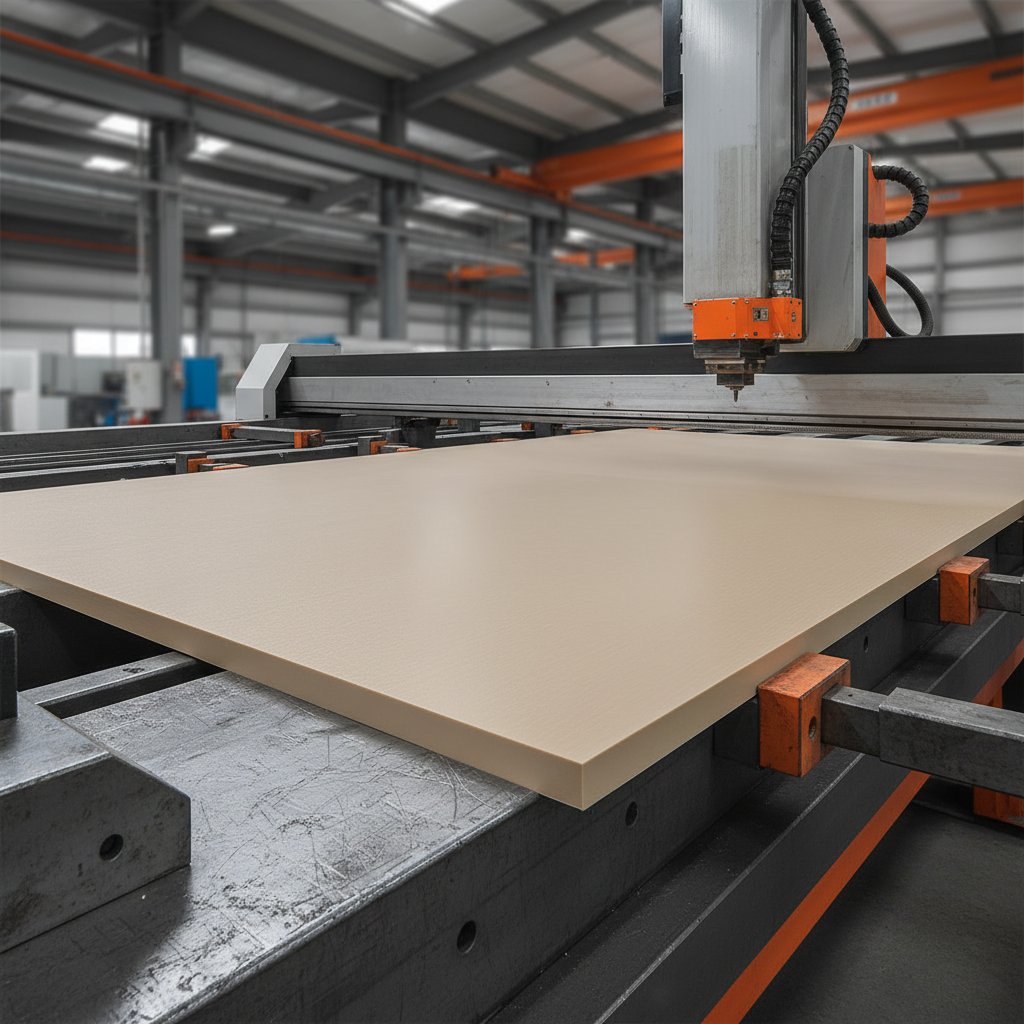
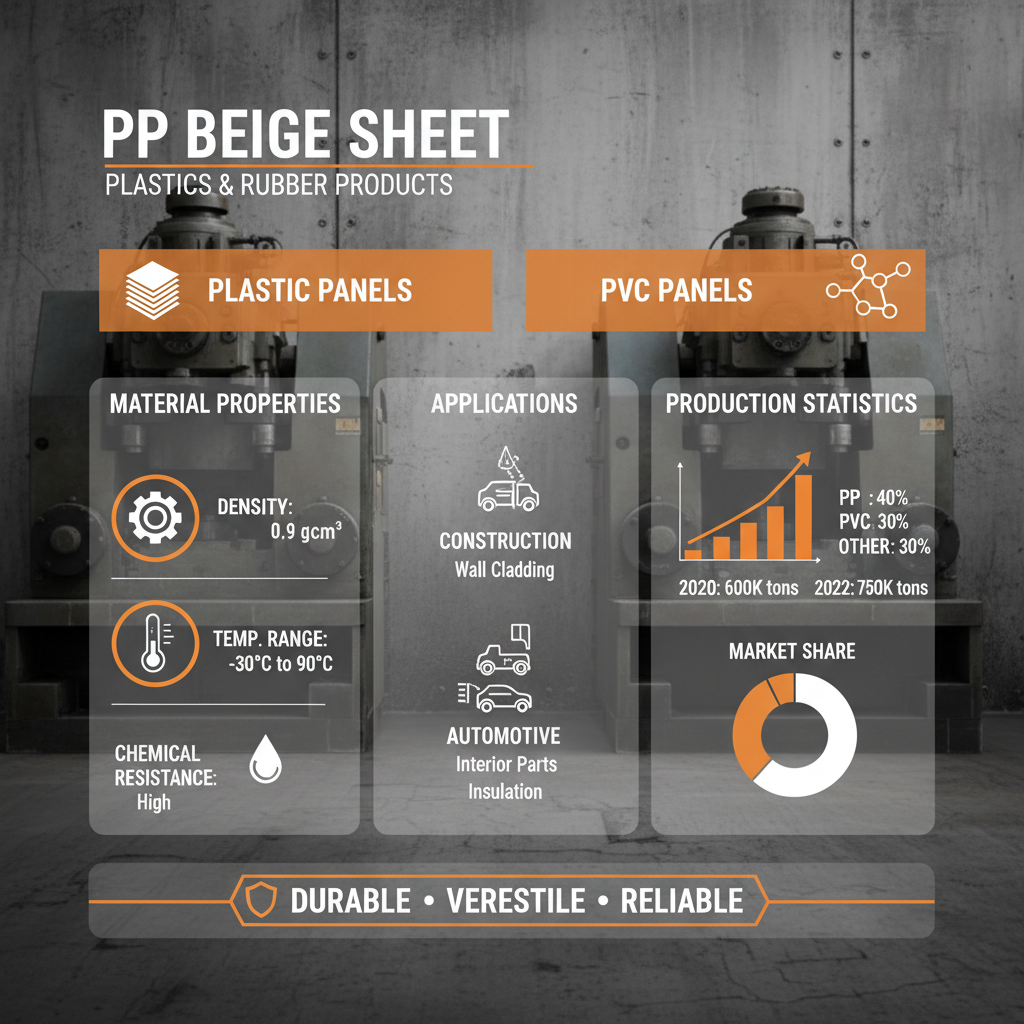
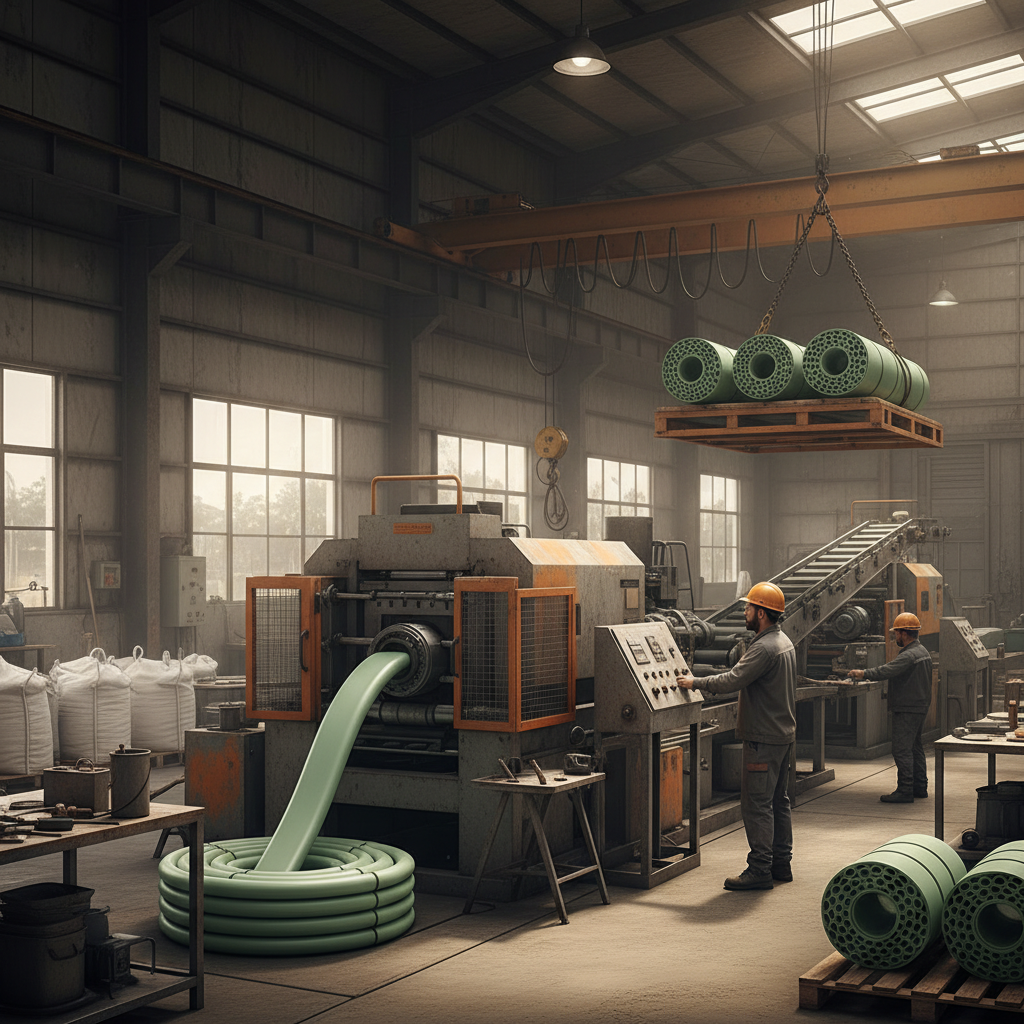
Okay, let's break it down. pp beige sheet is essentially polypropylene plastic, a thermoplastic polymer, produced in a sheet form. That beige color? It’s usually a pigment added for UV protection. The key is the type of polypropylene and the manufacturing process. A good sheet will be made from virgin polypropylene, meaning it hasn't been recycled, which ensures consistent strength and clarity. We look for sheets that meet ISO 9001 standards for quality control.
Its properties – tear resistance, water resistance, and flexibility – are what make it so versatile. The weight (measured in GSM – grams per square meter) is critical. A higher GSM generally means a thicker, more durable sheet. I’ve found 80-120 GSM is a sweet spot for most general construction applications.
It connects to modern industry needs because it's lightweight, cost-effective, and can be easily cut and sealed. It's a go-to for temporary solutions where speed and efficiency are paramount. The availability of consistently high-quality pp beige sheet impacts project timelines and budgets across the board.
Key Characteristics of High-Quality pp beige sheet
First, tear resistance is paramount. A sheet that rips easily isn't worth the money. We do a simple “grab test” on-site – how much force does it take to start a tear? Second, UV stabilization is crucial. Without it, the sheet will become brittle and fall apart in sunlight. You’ll notice a significant difference in the longevity of sheets with and without proper UV protection.
Third, water resistance isn't just about keeping things dry; it’s about preventing mold and mildew growth, which can be a huge liability. A good sheet will be completely waterproof and won't absorb moisture. Fourth, consistency in thickness is vital. Variations in thickness mean weak spots. Finally, the GSM (grams per square meter) will indicate strength, a higher GSM will generally mean a more durable sheet.
These characteristics directly impact the practical applications. A sheet with poor tear resistance is only good for short-term, low-stress applications. A sheet with inadequate UV stabilization will be useless after a few weeks in direct sunlight. Choosing the right sheet is about matching the material’s properties to the job’s demands.
Practical Applications Across Diverse Construction Sectors
I've used pp beige sheet for everything from covering lumber piles during rainstorms to creating temporary dust barriers during demolition. In residential construction, it’s great for protecting flooring and fixtures during renovations. Commercial projects use it extensively for vapor barriers under concrete and as a protective layer for roofing materials.
In post-disaster relief operations, it’s invaluable for creating temporary shelters and protecting supplies. In remote industrial zones, it’s used for covering equipment and materials exposed to harsh weather conditions. Landscaping companies use it to protect plants during transportation and installation. It's a truly ubiquitous material.
pp beige sheet Performance in Different Applications
Advantages and Long-Term Value Proposition
The cost-effectiveness is a big draw. Compared to other protective materials, pp beige sheet is relatively inexpensive. But the real value lies in its durability and longevity. A high-quality sheet will last longer, reducing the need for frequent replacements. This saves money in the long run and reduces waste, which is a win-win.
From a sustainability standpoint, while it’s plastic, choosing a durable sheet minimizes waste. Plus, many manufacturers are now offering recycled options, further reducing the environmental impact. The peace of mind knowing you've protected your materials and equipment from the elements is also a significant benefit. It’s about preventing costly damage and ensuring projects stay on schedule.
Global Applications and Regional Trends
We’re seeing increased demand in Asia-Pacific, particularly in rapidly developing countries with booming construction industries. Regulations are becoming stricter regarding environmental protection, so the demand for high-quality, UV-stabilized sheets is growing. In North America, the focus is on durability and cost-effectiveness.
Europe is leading the way in sustainable materials, with a growing preference for recycled pp beige sheet. Different regions have different needs, but the underlying principle remains the same: reliable, durable protection. The trends consistently point towards a demand for high-quality products that can withstand harsh conditions and meet evolving regulations.
I’ve worked with crews in the Middle East who rely on it to protect sensitive equipment from extreme heat and sandstorms. The key takeaway is that the adaptability of pp beige sheet makes it invaluable across diverse climates and project types.
Future Innovations and Addressing Current Challenges
I'm keeping an eye on bio-based polypropylene – it's still in its early stages, but it has the potential to significantly reduce the environmental impact of pp beige sheet. I also see potential in incorporating nanotechnology to enhance tear resistance and UV protection. Smart sheeting with embedded sensors to monitor environmental conditions is another interesting possibility.
The biggest challenge remains inconsistency in quality. We need better standardization and stricter quality control measures across the industry. More transparency in the manufacturing process would also be beneficial.
And let's be honest, improving the recyclability of pp beige sheet is crucial. We need to develop better recycling infrastructure and explore alternative disposal methods to reduce landfill waste.
Summary of Key Challenges and Potential Solutions for pp beige sheet
| Challenge |
Impact on Construction |
Potential Solution |
Implementation Difficulty (1-10) |
| Inconsistent Quality |
Project Delays, Material Waste |
Stricter ISO Certifications, Supplier Audits |
6 |
| Lack of UV Stabilization |
Premature Degradation, Reduced Lifespan |
Mandatory UV Additive Standards |
4 |
| Limited Recyclability |
Landfill Waste, Environmental Concerns |
Development of Advanced Recycling Technologies |
8 |
| Cost Fluctuations |
Budget Overruns, Project Uncertainty |
Long-Term Supply Contracts, Diversified Sourcing |
5 |
| Insufficient Tear Resistance |
Frequent Replacements, Increased Labor Costs |
Reinforced Fiber Additives, Thicker Sheet Options |
3 |
| Lack of Transparency in Manufacturing |
Difficulty Verifying Quality, Ethical Concerns |
Supply Chain Traceability Systems, Independent Audits |
7 |
FAQS
For most general construction applications, I recommend a GSM between 80-120. Lower GSMs are fine for short-term protection, but they’ll tear easily. Higher GSMs are more durable but also more expensive. It’s a balancing act, but that 80-120 range is a good sweet spot. Think about what you’re protecting and how long it needs to last. A quick dust cover? Lower GSM. A long-term vapor barrier? Go higher.
UV stabilization is crucial. Without it, the sheet will become brittle and fall apart in sunlight, often within weeks. You can’t always tell by looking at it. Look for manufacturers who specifically state that their sheets contain UV inhibitors. A reputable supplier will provide documentation. Cheaper sheets often skip this step to cut costs, but it’s a false economy in the long run.
That’s a good question. Recycled pp beige sheet can be durable, but it depends on the quality of the recycling process. Not all recycled polypropylene is created equal. Look for sheets made from post-industrial recycled material, which is generally higher quality than post-consumer recycled material. And always check the specifications for tear resistance and UV stabilization.
Small tears can be patched with a specialized pp tape, designed for plastics. But honestly, if the tear is significant, it's usually more cost-effective to replace the sheet. Patching is a temporary fix, and the patch will likely fail over time. Prioritizing a durable sheet from the start minimizes the need for repairs.
Store it in a dry, shaded area, away from direct sunlight. Direct sunlight will accelerate degradation, even with UV stabilization. Keep it rolled up and protected from the elements. Proper storage significantly extends the lifespan of the sheet. Also, avoid storing it near chemicals or solvents, as these can cause damage.
While it’s plastic, choosing a durable sheet reduces waste. Opting for recycled options when available is a good step. Proper disposal is key. Look for recycling programs in your area. And remember, using it to protect other materials and prevent damage ultimately reduces overall material consumption.
Conclusion
We’ve covered a lot of ground, from understanding the basic properties of pp beige sheet to exploring future innovations. The key takeaway is that it’s not just about buying a sheet; it’s about choosing the right sheet for the job. Paying attention to GSM, UV stabilization, and material quality can save you time, money, and headaches in the long run.
Looking ahead, the demand for sustainable and high-performance materials will only continue to grow. Staying informed about the latest advancements in polypropylene technology and embracing innovative solutions will be essential for success. For reliable pp beige sheet and expert advice, visit our website: pp beige sheet.