You know, after running around construction sites all year, dealing with dust, concrete, and endless requests... honestly, it's all about finding stuff that actually works, right? Lately, everyone's talking about these new composite materials for welding rod. Not just steel anymore. It’s a bit of a shift, and a welcome one, to be honest. You see the old guys, they're used to the heft of steel, the smell of the flux... it takes some getting used to.
But things are changing. The pressure for lighter, stronger, and longer-lasting materials is relentless. And it's not just the big guys pushing it. Smaller shops, the ones doing custom fabrication, they're surprisingly quick to adopt if it makes their lives easier. I saw a guy down in Guangzhou using this new carbon fiber reinforced polymer rod last month. Said it cut his welding time by 20%. I’m still skeptical, but… 20% is 20%.
It’s funny, you spend hours in design meetings, talking about tensile strength and yield points. Then you get on site and the first thing someone asks is, “Is it gonna snap when I bend it?” Have you noticed that? They don't care about the fancy numbers, they care about whether it’ll hold up to real-world abuse. Anyway, I think that’s what matters most.
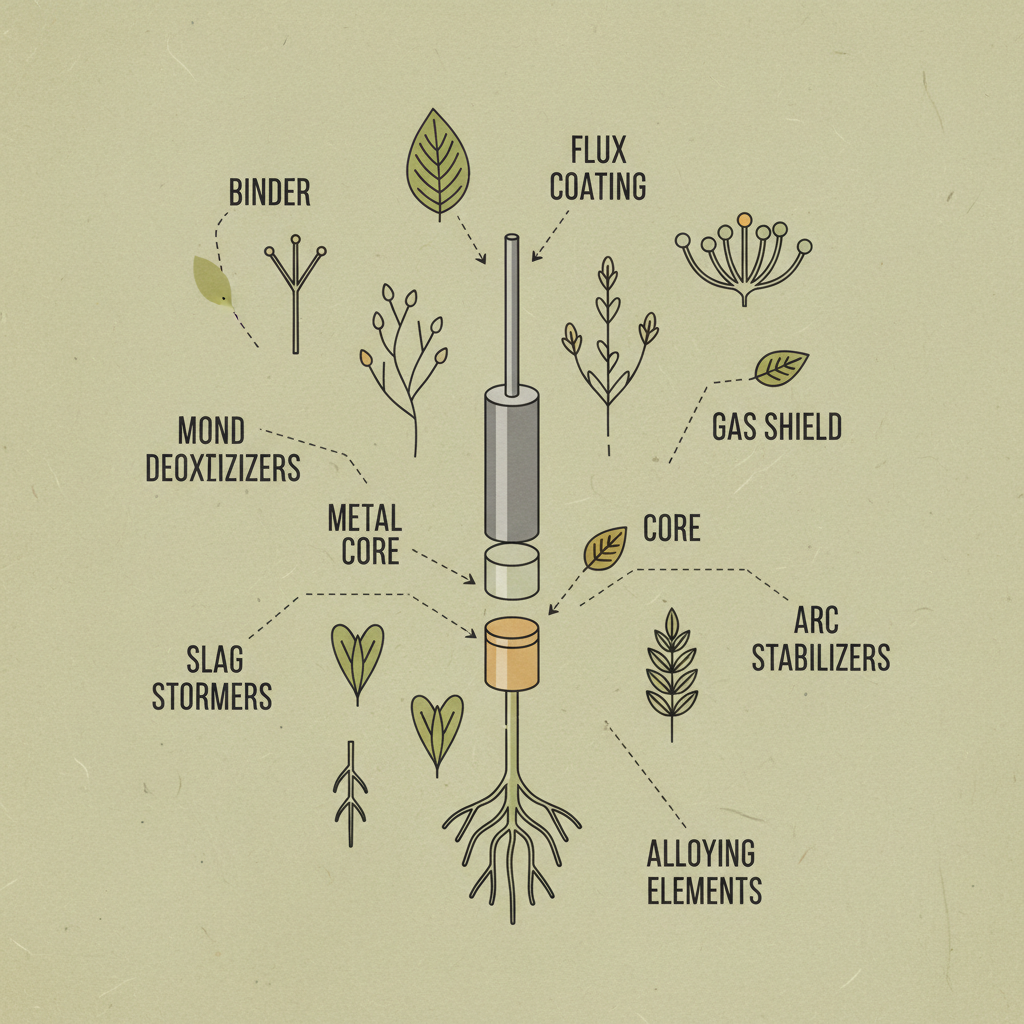
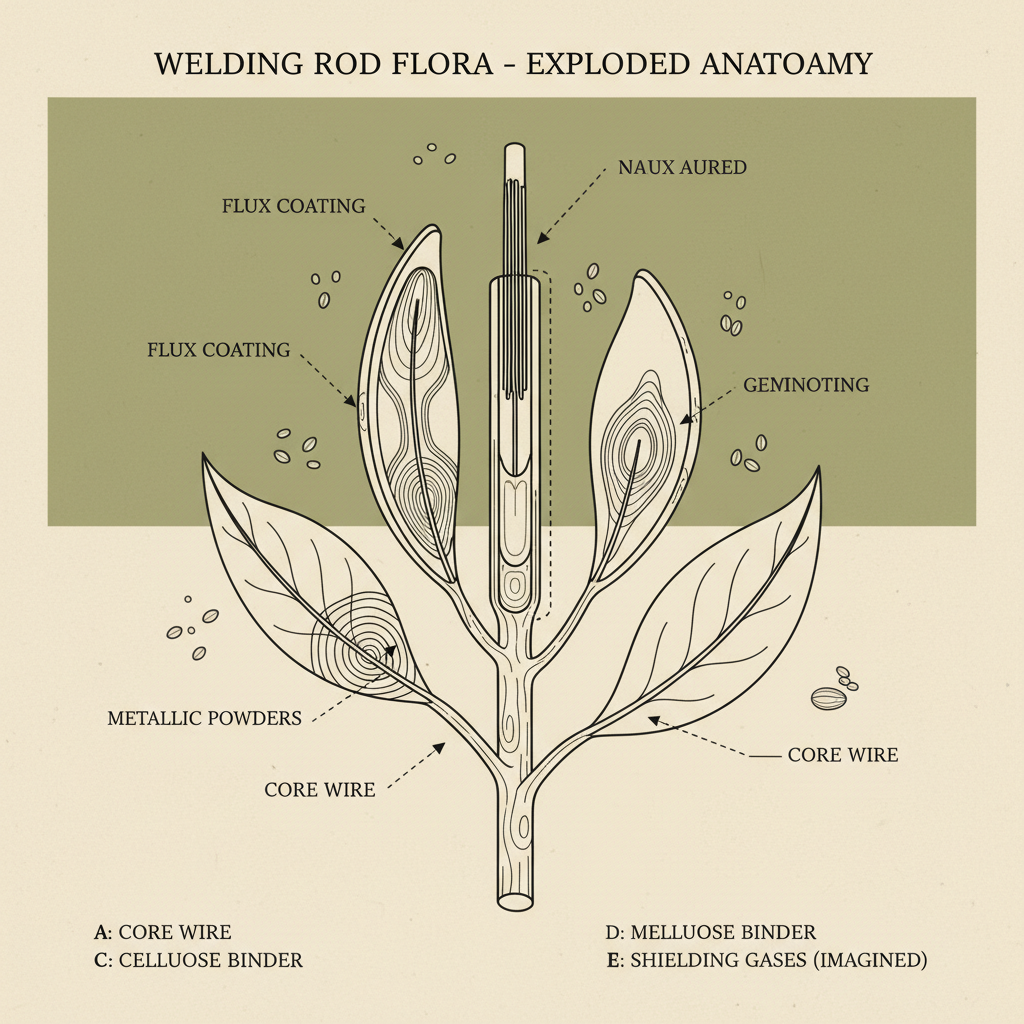
Strangely enough, the biggest push isn’t just about new materials, it’s about smarter combinations. We're seeing more and more flux-cored welding rod blends. They’re trying to get the ease of use of solid wire with the penetration of stick. It's a constant balancing act. And you’d be surprised how many smaller manufacturers are getting into creating their own custom blends. It means more variety, but also more potential for inconsistent quality.
But generally, the trend is towards lighter weight, higher strength, and resistance to corrosion. Especially for marine applications, you can't just slap any old rod on there and expect it to last. They need something that can handle saltwater, constant vibration, and the occasional impact.
Solid core rods are simpler to use and produce cleaner welds, making them ideal for beginners and thin materials. Flux-cored rods, however, offer deeper penetration and higher deposition rates, making them suitable for thicker materials and outdoor applications where wind shielding is crucial. They contain a flux coating that protects the weld pool from atmospheric contamination, but require more skill to operate effectively.
Choosing a welding rod for stainless steel requires careful consideration. Look for rods specifically designed for stainless steel, such as 308L or 316L, which match the alloy composition of the base metal. Also, ensure the rod has a low carbon content to minimize the risk of carbide precipitation, which can lead to corrosion. Argon shielding gas is generally recommended for optimal weld quality.
Safety is paramount when welding. Always wear appropriate personal protective equipment (PPE), including a welding helmet, gloves, a fire-resistant jacket, and safety glasses. Ensure adequate ventilation to avoid inhaling fumes. Be mindful of fire hazards and have a fire extinguisher nearby. Disconnect power before making any adjustments or repairs to the welding equipment.
Welding on rusted metal requires preparation. The rust must be removed to prevent contamination and ensure a strong weld. Methods include wire brushing, grinding, or sandblasting. Choosing a flux-cored rod can also help bridge gaps caused by rust, but thorough cleaning is still essential for reliable results. Ignoring rust can lead to porous welds and structural weakness.
The shelf life of welding rod is generally quite long, provided they are stored properly. Keep them in a dry, sealed container to prevent moisture absorption, which can degrade the flux coating and affect weld quality. While they don’t necessarily “expire,” prolonged exposure to humidity can render them unusable. Always inspect rods for rust or damage before use.
The best way to store welding rods is in a cool, dry environment, ideally within their original, sealed packaging. If the packaging is damaged, store them in an airtight container with a desiccant pack to absorb any moisture. Avoid storing them near sources of heat or humidity. Properly stored rods can maintain their quality for years, ensuring consistent weld performance.
So, where does all this leave us? We've got a rapidly evolving landscape of materials, a constant need to balance performance with cost, and the ever-present challenge of bridging the gap between design and real-world application. Ultimately, these new materials – the composites, the advanced alloys – they all offer potential. But they aren't magic bullets.
Ultimately, whether this thing works or not, the worker will know the moment he tightens the screw. It's about finding the right balance, paying attention to the details, and remembering that at the end of the day, a good weld is a good weld, regardless of the material. And if you're looking for reliable welding rod, you know where to find us.