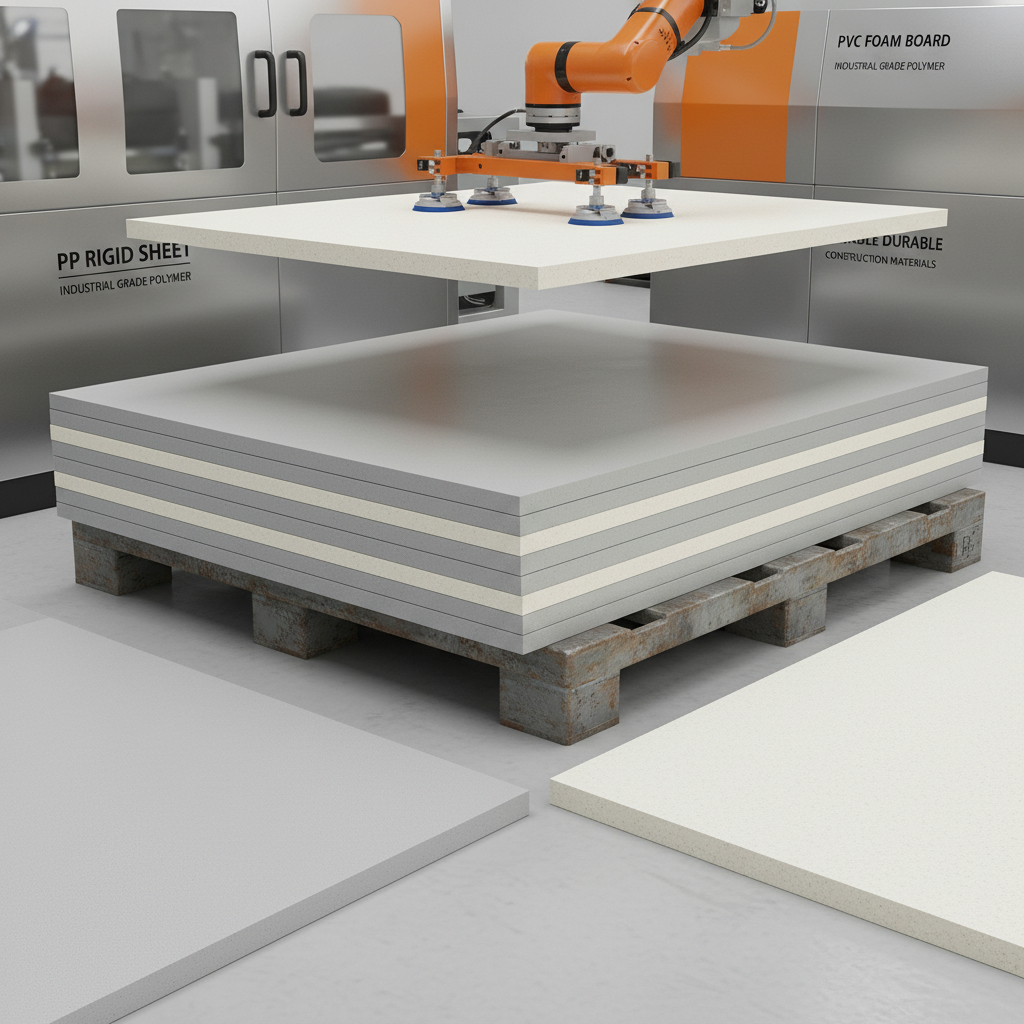
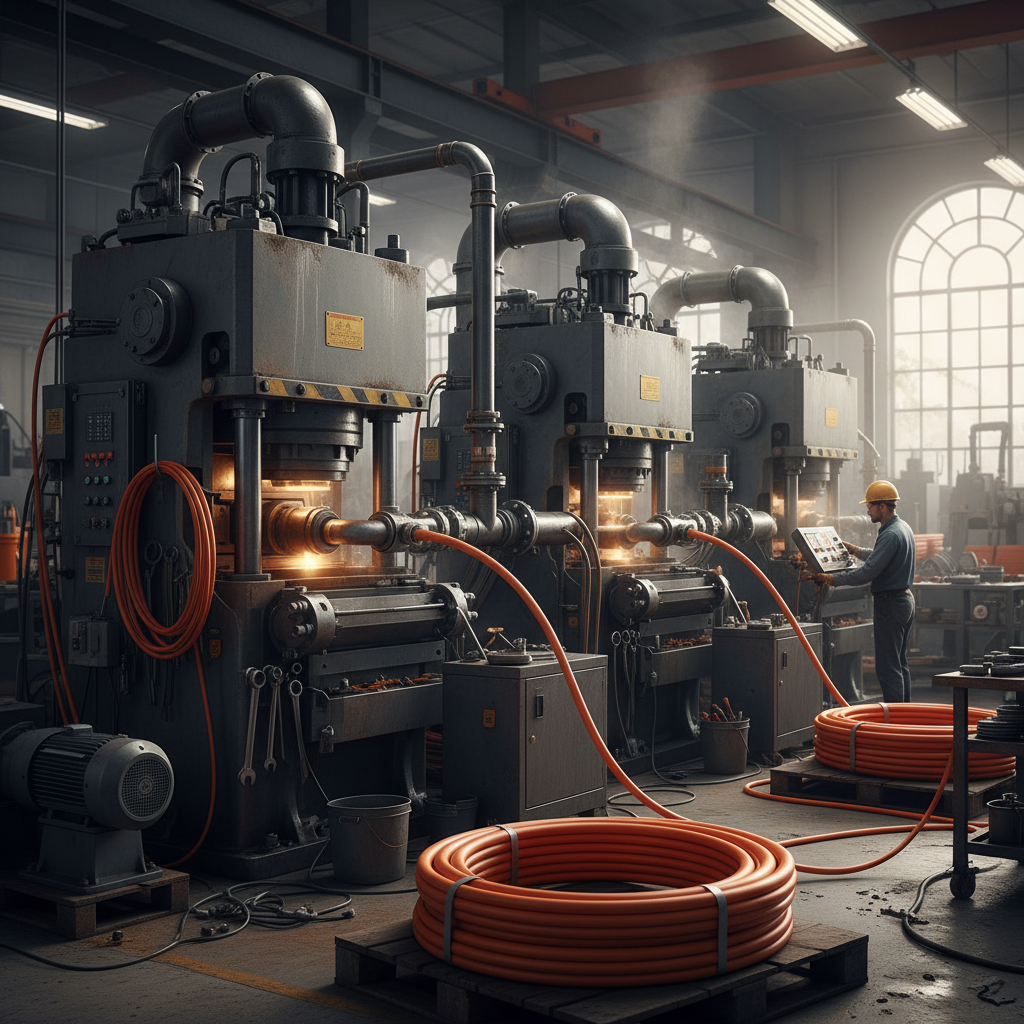
You know, it’s been a crazy year. Everyone's talking about prefabrication now, right? Like it's new. To be honest, we’ve been nudging towards it for years, but the cost always killed it. Now, with labor getting so expensive and skilled trades drying up... well, it makes sense. It’s not just residential, either. We’re seeing it in commercial, even industrial builds. The demand for speed, for predictability… it’s relentless.
But speed isn’t everything. I’ve seen so many designs that look great on paper, all clean lines and efficiency, but completely ignore how things actually get built. Have you noticed how architects specify these impossible tolerances? Like, "Oh, this panel needs to be within 0.1mm." 0.1mm! On a construction site! Forget about it. It's just setting everyone up for frustration and rework. It always comes down to practicalities.
And then there's the material. We’re doing a lot with PVC rod these days, naturally. It’s not glamorous, I’ll tell you that. It smells like… well, plastic. A sort of chemical sweetness that clings to your clothes. But it’s tough. Really tough. You can beat it with a hammer, twist it, leave it baking in the sun… it holds up. It's way better than a lot of the cheaper alternatives that crack and warp if you look at them funny. It’s got a good weight to it too, feels solid in your hand. We’re using a lot of Schedule 40 and Schedule 80, depending on the application. The 80 is a beast.
The Rising Tide of Prefabrication & PVC Rod's Role
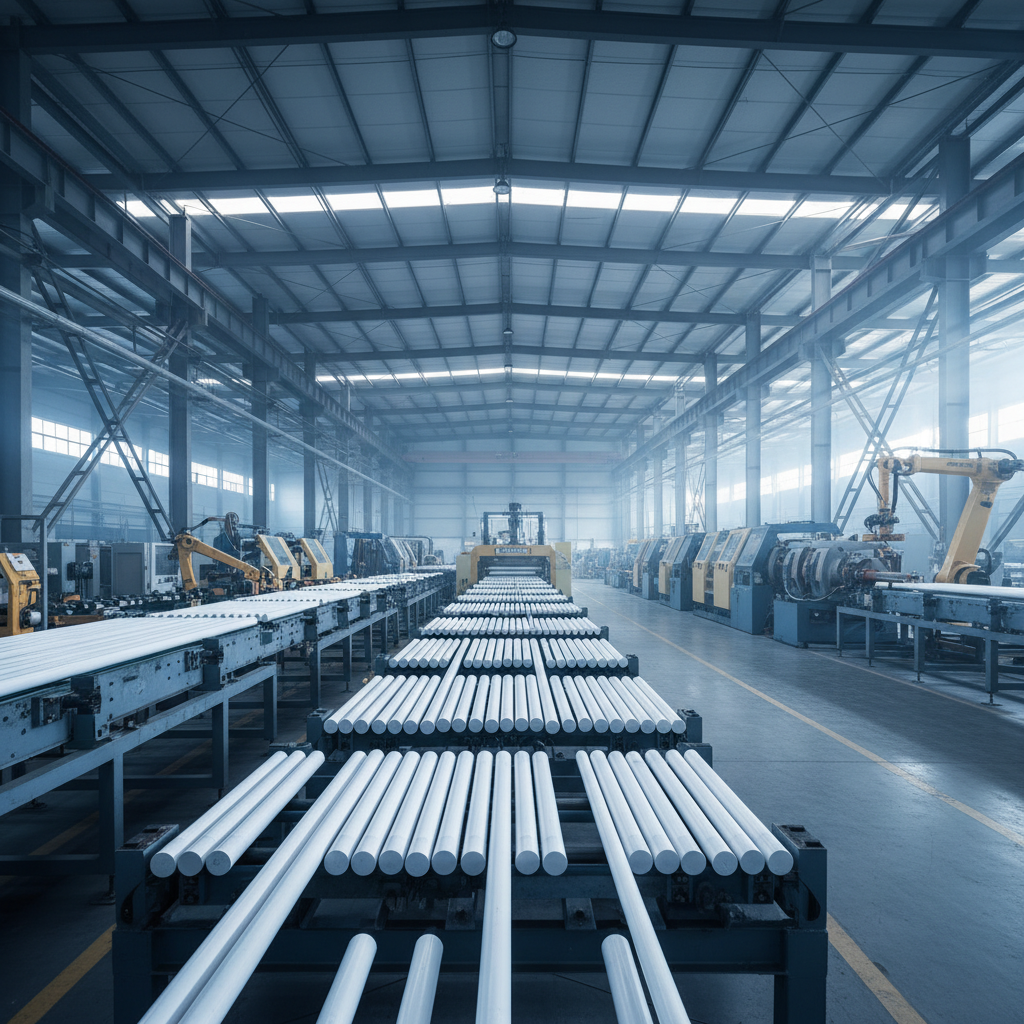
Anyway, I think the biggest thing we’re seeing is the push for modular construction. It’s not just about faster builds, it’s about quality control. You do things in a factory setting, you can monitor everything, and the waste is way down. PVC rod fits right into that. It’s used for framing, supports, drainage, you name it. It’s especially good for wet environments, obviously. Strangely enough, there's been a renewed interest in using it for temporary structures too, like scaffolding and protective barriers. It’s lighter than steel, easier to work with, and doesn't rust.
The global demand is through the roof. I was talking to a supplier last week – they’re running at full capacity, shipping stuff all over Southeast Asia and even back into Europe. They were saying the ISO standards are getting tighter, requiring more consistent material properties. That’s good, I guess. It keeps the quality up, but it also means increased costs.
Design Pitfalls and Real-World Tolerances
Seriously, the tolerances. That's my biggest gripe. Architects will design these beautiful, complex structures, and then expect the guys on site to build it to the millimeter. It's just not realistic. I encountered this at a factory in Nanjing last time. They were building these pre-fabricated bathroom pods, and the drawings called for these incredibly tight clearances for the plumbing. We spent weeks trying to make it work, and eventually, we had to redesign the entire system. It's a waste of time, money, and everyone's sanity.
What I’ve learned is to always, always build in some wiggle room. A few millimeters here and there can make all the difference. And talk to the guys who are actually going to be doing the work. They’ll tell you what's feasible and what's not. Don’t just rely on the drawings. Honestly, half the problems we face come from ignoring the practicalities.
And don’t even get me started on specifying materials they’ve never seen before. “Oh, this exotic wood from Brazil will look amazing!” Great. Now try finding someone who knows how to work with it, and who can source it reliably. Stick to the basics, people. Stick to the basics.
Material Matters: The Feel and Function of PVC Rod
Look, PVC rod isn't sexy. But it's reliable. And it’s versatile. We use it for everything from conduit to structural supports. It’s easy to cut, easy to drill, easy to weld. You can glue it, screw it, pretty much do whatever you need to do with it. That's the beauty of it. It's forgiving.
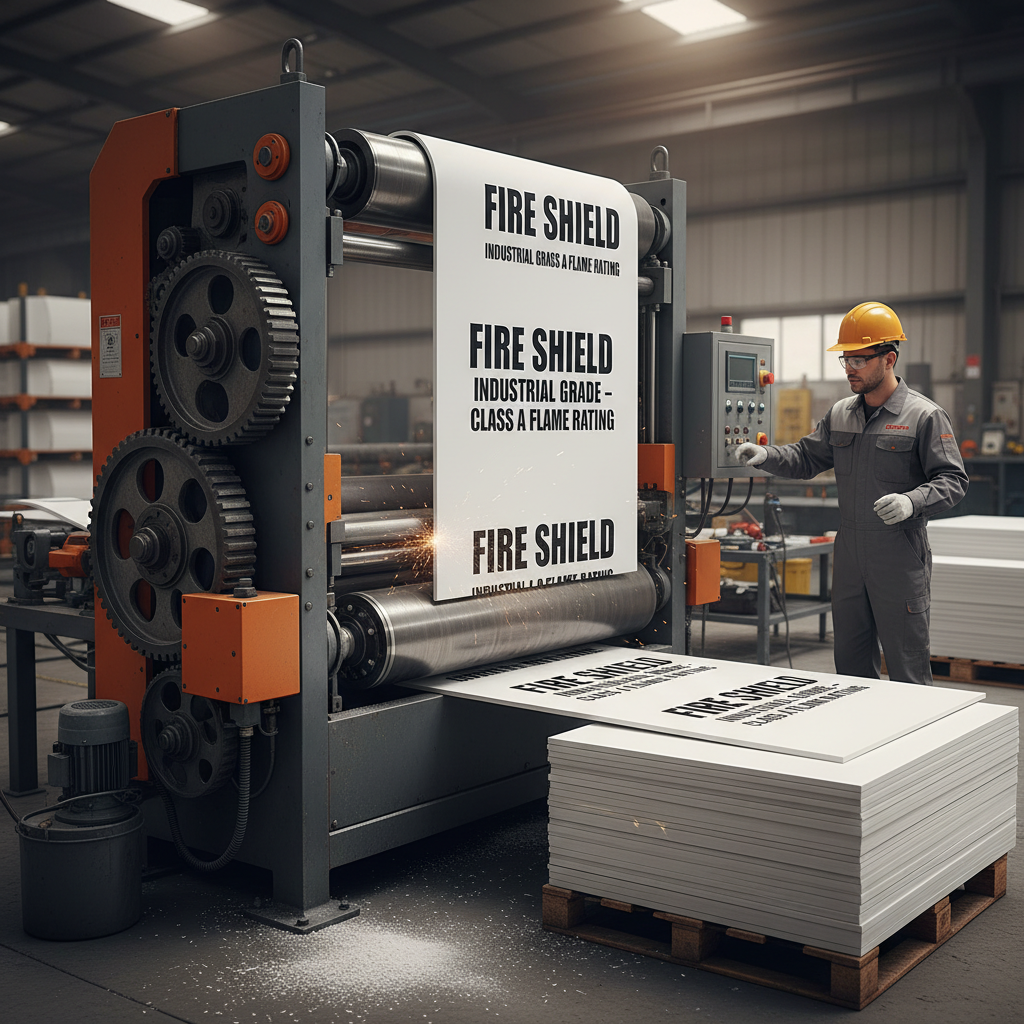
We get different grades, too. Some are UV resistant, for outdoor applications. Some are reinforced with fiberglass for extra strength. Some are even fire-retardant, which is crucial for certain projects. You can tell the quality by the density, how it feels in your hand. A cheap rod will feel flimsy and brittle. A good one will have some weight to it, a solid feel. The smell is always a giveaway too. The cheap stuff smells… off.
I always tell the new guys to wear gloves when handling it, especially the longer lengths. It can get slippery when you're sweating, and you don't want to drop a ten-foot rod on your foot. That's a lesson you only need to learn once.
Testing Beyond the Lab: On-Site Rigor
Lab tests are fine, I guess. They’ll tell you the tensile strength, the impact resistance, all that jazz. But the real test is what happens on the construction site. How does it hold up to being dropped, stepped on, rained on, and generally abused? That’s what matters. We do a lot of informal testing. We’ll put a piece of PVC rod under load, see how it deflects. We’ll try to break it with a hammer. Brutal, I know, but it gives you a good sense of its limits.
We've also started doing more on-site durability testing, leaving sections exposed to the elements for extended periods. It’s a bit slow, but it’s much more representative of real-world conditions. It's surprising how much UV damage can occur even in relatively mild climates.
PVC Rod Performance Under Different Conditions
How PVC Rod is Actually Used
People think of PVC rod as just pipes, right? But it’s so much more. We're seeing it used for signposts, temporary fencing, even small structural elements. It’s become a go-to for quick fixes and temporary supports. The guys love it because it's easy to work with and doesn't require any specialized tools.
Interestingly, we had a client using it as a core for casting concrete columns. They said it reduced the weight and made the columns easier to handle. I wouldn't have thought of that, but it worked. It shows you the ingenuity of the people on the ground.
Advantages, Disadvantages, and Customization Options
Okay, so the advantages are pretty clear: lightweight, durable, corrosion-resistant, easy to work with, relatively cheap. It’s a workhorse material. But it’s not perfect. It’s not as strong as steel, obviously. It can become brittle in extreme cold. And it's not the most environmentally friendly material. We’re looking at recycled PVC options, but they’re still more expensive.
But here's where things get interesting: customization. We had a customer who needed a specific length of PVC rod with pre-drilled holes at precise intervals. They were building these custom lighting fixtures, and they needed the rods to fit perfectly. We were able to work with the supplier to get it made to their exact specifications. It wasn’t cheap, but it saved them a ton of time and labor.
That’s the key. PVC rod is a versatile material, and it can be tailored to meet a lot of different needs.
A Shenzhen Story and Practical Considerations
Last month, that small boss in Shenzhen who makes smart home devices insisted on changing the interface to on the enclosures for their outdoor sensors. The original design used a standard threaded connection, but he was convinced was "more modern." And it looked good in the renders, I'll give him that. But when we tried to seal it properly for outdoor use, it was a nightmare. Water kept getting in. We ended up having to redesign the entire enclosure, adding a gasket and a separate waterproof seal. It added weeks to the project and cost him a fortune.
That’s the thing with these materials. It's not just about the material itself, it's about how you use it. It's about understanding its limitations and designing around them. It's about knowing what works and what doesn't.
And honestly, it's about listening to the guys who are actually building the thing. They’ll tell you the truth.
A Summary of PVC Rod Application Considerations
| Application Area |
Key Considerations |
Potential Issues |
Mitigation Strategies |
| Outdoor Structures |
UV exposure, temperature fluctuations, water ingress |
Material degradation, cracking, warping |
Use UV-resistant grades, proper sealing, regular inspection |
| Conduit Systems |
Electrical safety, durability, corrosion resistance |
Potential for cracking, damage during installation |
Use Schedule 40 or 80, careful handling, proper support |
| Temporary Structures |
Load bearing capacity, stability, ease of assembly |
Potential for collapse, insufficient support |
Proper design, adequate bracing, regular checks |
| Support Framing |
Weight capacity, dimensional stability, long-term performance |
Creep under load, potential for deformation |
Use reinforced grades, proper design calculations, monitoring |
| Water Management Systems |
Leakage prevention, chemical resistance, flow rate |
Joint failures, corrosion, blockage |
Proper sealing, compatible materials, regular cleaning |
| Custom Fixtures |
Precision, aesthetics, functionality |
Difficulties with cutting, joining, finishing |
Experienced fabrication, careful planning, appropriate tools |
FAQS
Honestly, a good ratchet cutter is your best bet. Forget hacksaws – they'll just leave you with a ragged edge. A ratchet cutter gives you a nice, square cut every time. And always deburr the edges afterward, it makes a huge difference. We’ve tried those powered cutters, but they’re too bulky and overkill for most situations. A manual ratchet cutter is reliable and cheap.
You can, but you need to make sure you’re using the right type of PVC. Not all PVC is created equal. You need to specifically use PVC that’s certified for potable water applications, usually indicated by a specific NSF or ANSI standard. Otherwise, you run the risk of leaching chemicals into the water. It's something I always check with the supplier, and double-check the documentation.
Warping is a pain, especially with longer lengths. The key is to store it properly – out of direct sunlight and ideally in a cool, dry place. If it does warp, you can try to straighten it by gently heating it with a heat gun, but you have to be careful not to overheat it. It's a bit of an art. Really, prevention is better than cure.
There are a ton of PVC adhesives out there, but I always stick with a primer and solvent cement combo. You prime the surfaces first, then apply the cement. It creates a really strong bond. Make sure you use the right cement for the type of PVC you’re working with. And work in a well-ventilated area – those fumes are no joke.
It's plastic, so yes, it will burn. But it doesn't ignite easily, and it tends to self-extinguish once the flame is removed. There are also fire-retardant grades of PVC available, which are a good option for projects where fire safety is a concern. But always check the local building codes to see what’s required. You can't just assume it's safe.
It depends on the exposure to UV light and the climate. Properly protected, it can easily last 20-30 years. But if it's constantly exposed to direct sunlight, it will start to degrade over time, becoming brittle and losing its strength. Regular inspections and maintenance can help prolong its lifespan. It's not a "set it and forget it" material.
Conclusion
So, yeah, PVC rod isn't glamorous. It’s not going to win any design awards. But it's a workhorse. It's reliable, versatile, and relatively inexpensive. It’s been pivotal in the shift towards prefabrication and modular construction, offering a balance of cost and performance that’s hard to beat. From small repairs to large-scale builds, it finds a place.
Ultimately, whether this thing works or not, the worker will know the moment he tightens the screw. And if he's swearing under his breath, you know something's wrong. That’s the real test. And that's why, despite all the fancy materials and technologies out there, PVC rod will probably be around for a long time to come. You can visit our website at www.lidaplastic.com for more information.