0%

Table of Contents

pvc fire retardant sheet are increasingly vital in modern construction, safety regulations, and a wide array of industrial applications. Their ability to mitigate fire hazards makes them a crucial component in safeguarding lives and property, addressing a growing global concern. This importance stems from a heightened awareness of fire safety standards and a demand for materials that can significantly reduce fire risk across diverse environments.

The demand for effective fire safety materials is escalating due to increased urbanization, stricter building codes, and a greater understanding of the devastating consequences of fires. pvc fire retardant sheet offers a practical and cost-effective solution, enhancing safety across numerous sectors. This is particularly critical in public spaces, transportation, and industries dealing with flammable materials.

Understanding the properties, applications, and advancements in pvc fire retardant sheet technology is paramount for professionals in architecture, construction, manufacturing, and safety management. Continuous innovation in this field is driving the development of more efficient and environmentally friendly solutions to address the evolving challenges of fire prevention.
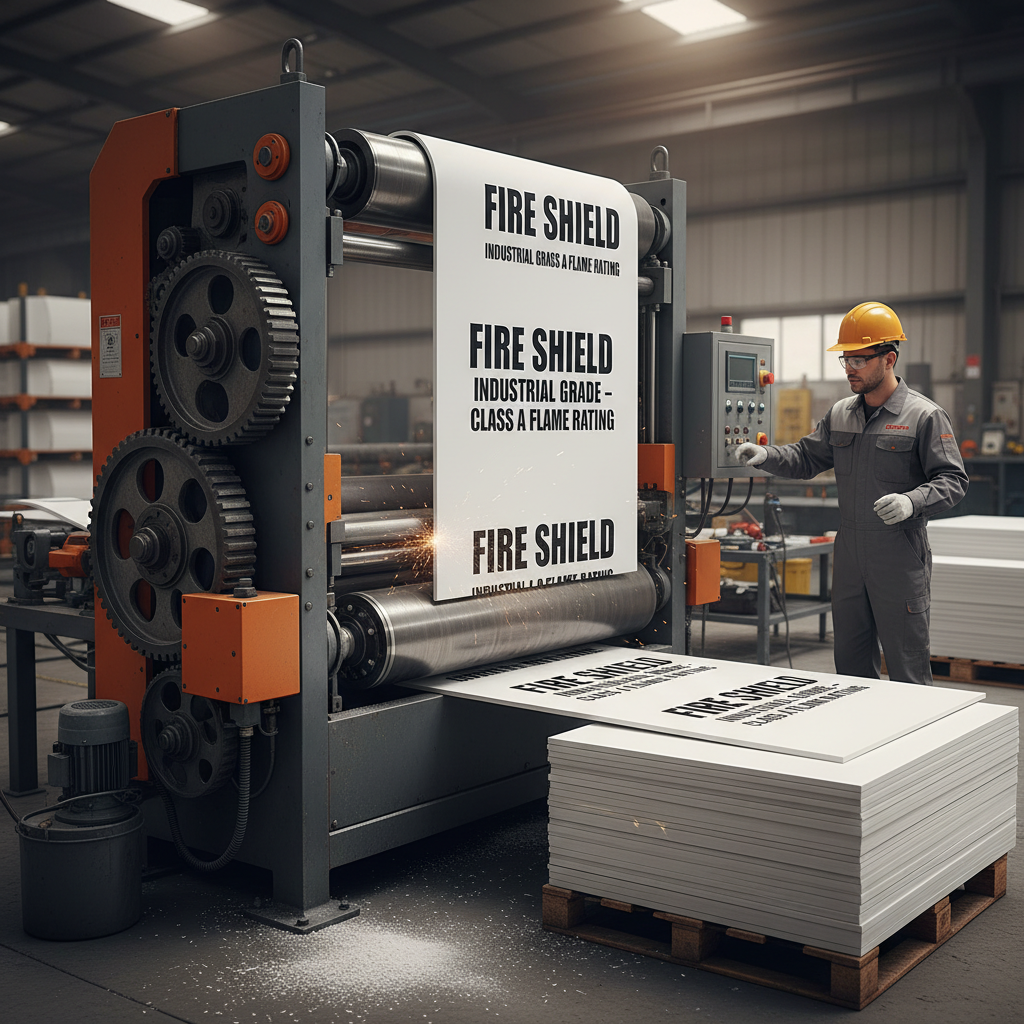
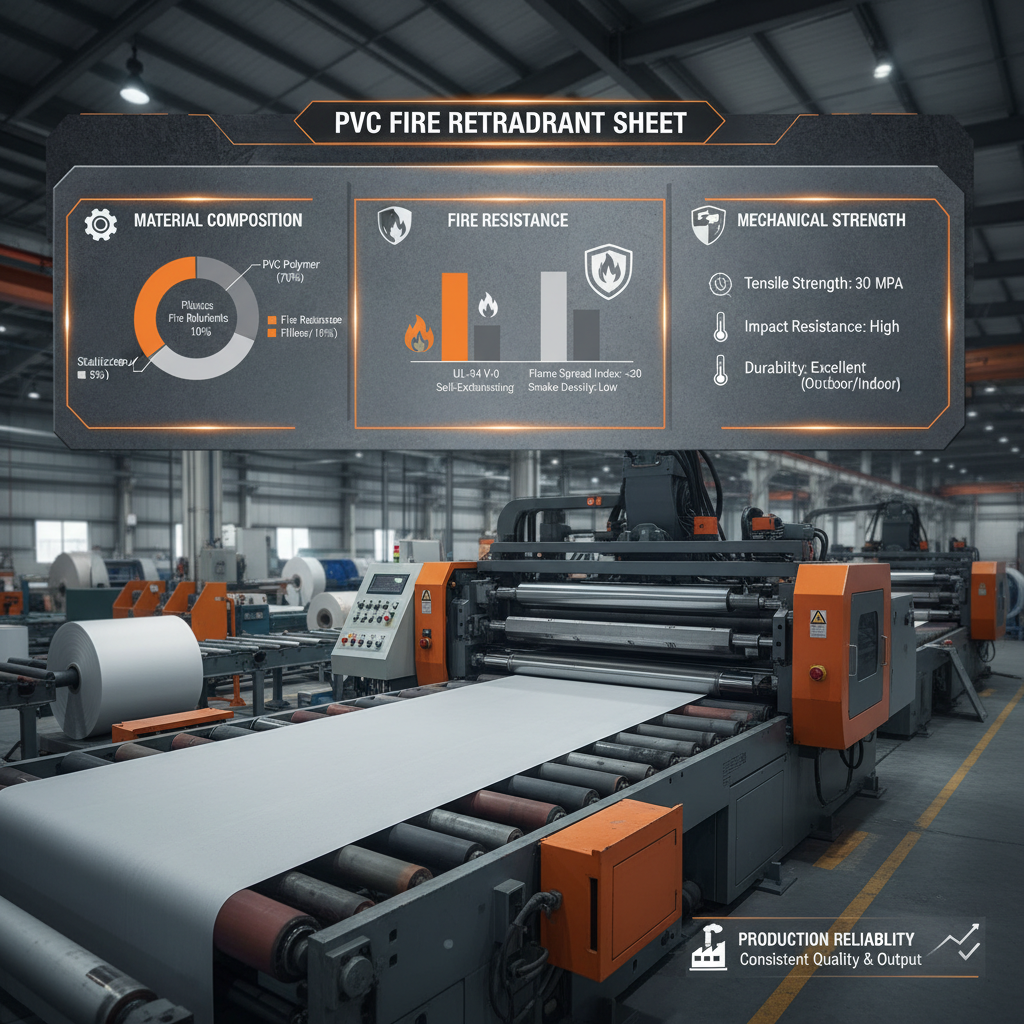
Comprehensive Guide to PVC Fire Retardant Sheet Applications and Safety Standards

Introduction to pvc fire retardant sheet

Comprehensive Guide to PVC Fire Retardant Sheet Applications and Safety Standards

pvc fire retardant sheet represent a significant advancement in material science, designed to minimize the spread of fire and provide crucial escape time in emergency situations. These sheets are engineered with specific additives that inhibit combustion, creating a barrier against flames.

The core function of these materials is to reduce the rate at which fire spreads and to limit the amount of smoke generated, offering valuable protection in both residential and commercial settings. They are increasingly mandated by building codes globally, reflecting a heightened emphasis on fire safety.

Global Relevance and Standards

Fire safety is a globally recognized concern, with stringent regulations and standards implemented by organizations like ISO, UL, and national building codes worldwide. pvc fire retardant sheet play a crucial role in meeting these standards, particularly in densely populated urban areas and high-risk industrial facilities.

According to the UN, fire-related incidents cause significant economic losses and casualties annually, emphasizing the need for proactive fire prevention measures. The adoption of fire-retardant materials, like these specialized PVC sheets, is a key component of a comprehensive fire safety strategy.

Different regions and industries have varying levels of stringency in their fire safety regulations. For example, Europe adheres to the European Standards (EN) series, while North America follows NFPA standards. pvc fire retardant sheet must often meet specific classifications within these standards to be legally compliant.

Defining pvc fire retardant sheet

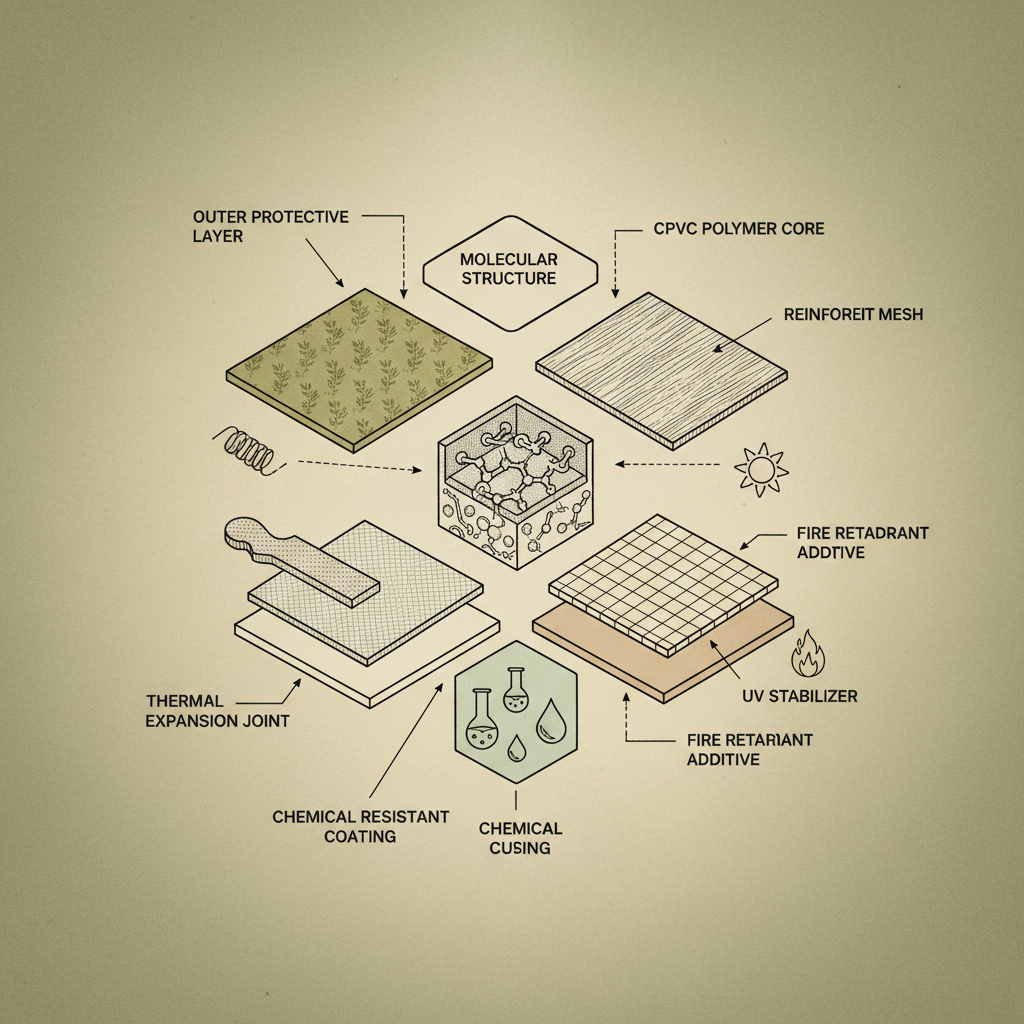
pvc fire retardant sheet are polyvinyl chloride (PVC) sheets modified with fire-retardant additives. These additives work by interfering with the combustion process, either by releasing water when heated, forming a protective char layer, or disrupting the chemical reactions that sustain a fire.

Unlike standard PVC, which is combustible, fire-retardant PVC sheets are designed to significantly slow down flame spread and reduce smoke production. This makes them ideal for applications where fire safety is paramount, such as in building construction, transportation, and industrial settings. The degree of fire retardancy is often classified by standardized tests.

The incorporation of these sheets into modern infrastructure addresses a vital humanitarian need— protecting lives and assets from the destructive power of fire. They provide a crucial layer of defense in preventing catastrophic events and allowing for safe evacuation.

Key Characteristics of pvc fire retardant sheet

pvc fire retardant sheet exhibit a number of critical characteristics that make them a valuable safety component. These include inherent flame resistance, low smoke emission, and durability.

Beyond these core attributes, these sheets often demonstrate excellent weather resistance, chemical stability, and ease of fabrication. This allows for versatile use in a variety of applications and environments without compromising their fire-retardant properties.

Fire Retardancy Performance of Different Additive Methods


Diverse Applications Worldwide

pvc fire retardant sheet find application across numerous sectors, including construction (wall cladding, interior partitions), transportation (train interiors, aircraft components), and industrial facilities (machine guarding, safety barriers).

In post-disaster relief operations, these sheets are used for constructing temporary shelters, offering fire-resistant protection to displaced populations. Similarly, in remote industrial zones, they serve as critical safety components in hazardous environments.

Advantages and Long-Term Value

The advantages of utilizing pvc fire retardant sheet extend beyond immediate fire safety. They often offer cost-effectiveness compared to alternative fire-resistant materials, require minimal maintenance, and contribute to the longevity of structures.

From a sustainability perspective, choosing materials that enhance safety and reduce potential damage from fires can minimize resource consumption related to repairs and reconstruction. This offers both economic and environmental benefits, fostering a culture of responsible building practices.

Future Trends and Innovations

Ongoing research is focused on developing even more effective and environmentally friendly fire-retardant additives for PVC. This includes exploring halogen-free alternatives to minimize potential environmental impacts while maintaining or improving fire performance.

The integration of nanotechnology and smart materials is also on the horizon, potentially leading to pvc fire retardant sheet with self-extinguishing capabilities and real-time fire detection systems. These advancements promise to revolutionize fire safety standards.

Furthermore, digital fabrication techniques, like 3D printing, could enable the creation of complex and customized fire-retardant structures tailored to specific architectural designs and safety requirements.

FAQS

What is the typical lifespan of pvc fire retardant sheet when exposed to UV radiation?

The lifespan of pvc fire retardant sheet exposed to UV radiation varies based on formulation and exposure intensity, generally ranging from 5 to 10 years. UV stabilizers are often added during manufacturing to enhance resistance, but periodic inspection and potential protective coatings are recommended for prolonged outdoor use. Regular maintenance can significantly extend its operational life.

How does the fire retardancy of PVC sheet compare to other materials like steel or concrete?

While steel and concrete are inherently non-combustible, pvc fire retardant sheet offer a crucial advantage in terms of weight and ease of installation. Steel can lose structural integrity in extreme heat, and concrete can spall. Fire-retardant PVC slows flame spread, reducing smoke and providing valuable escape time, making it ideal for interior applications and cladding.

Are there any environmental concerns associated with the use of fire retardant additives in PVC?

Traditionally, some fire retardant additives contained halogens, raising environmental concerns. However, advancements in material science have led to the development of halogen-free alternatives that are increasingly being adopted. It’s vital to choose suppliers who prioritize environmentally responsible formulations and comply with relevant regulations.

What certifications should I look for when purchasing pvc fire retardant sheet?

Look for certifications like UL 94, ASTM E84, and EN 13501-1 to ensure the pvc fire retardant sheet meets recognized fire safety standards. These certifications verify the material’s flame spread, smoke development, and toxicity characteristics. Compliance with relevant building codes is also crucial.

Can pvc fire retardant sheet be recycled at the end of its life?

Recycling PVC can be challenging, but increasingly, facilities are being developed to process post-consumer PVC. Check with local recycling centers to determine if they accept fire-retardant PVC. Some manufacturers also offer take-back programs for recycling. Proper disposal is crucial to minimize environmental impact.

What is the cost difference between standard PVC and pvc fire retardant sheet?

pvc fire retardant sheet generally has a higher initial cost than standard PVC due to the inclusion of fire-retardant additives. However, this cost is often offset by the enhanced safety features, compliance with building codes, and potential reduction in insurance premiums. The long-term value and peace of mind provided by fire resistance make it a worthwhile investment.

Conclusion

In summary, pvc fire retardant sheet represent a critical advancement in fire safety technology, offering a balance of cost-effectiveness, durability, and essential protection. Their widespread adoption is vital for mitigating fire hazards in a variety of settings, from construction and transportation to industrial facilities and disaster relief. Understanding their properties, applications, and future trends is crucial for building a safer and more resilient world.

Looking ahead, continued innovation in fire-retardant formulations, coupled with advancements in recycling technologies, will further enhance the sustainability and long-term value of these materials. We encourage you to explore the possibilities and prioritize fire safety in all your projects. Visit our website at www.lidaplastic.com to learn more about our range of pvc fire retardant sheet solutions.


David Chen

David Chen

David Chen is the Regional Sales Manager for the Western US at Baoding Lida Plastic Industry Co., Ltd. He brings a decade of experience in industrial sales, with a proven track record of exceeding targets and developing new market opportunities. David’s expertise lies in understanding the needs of engineering and
Previous Premium PVC Solutions for Diverse Industries
Next Exploring the Versatility and Future of PVC Clear Sheet Applications