0%

Table of Contents

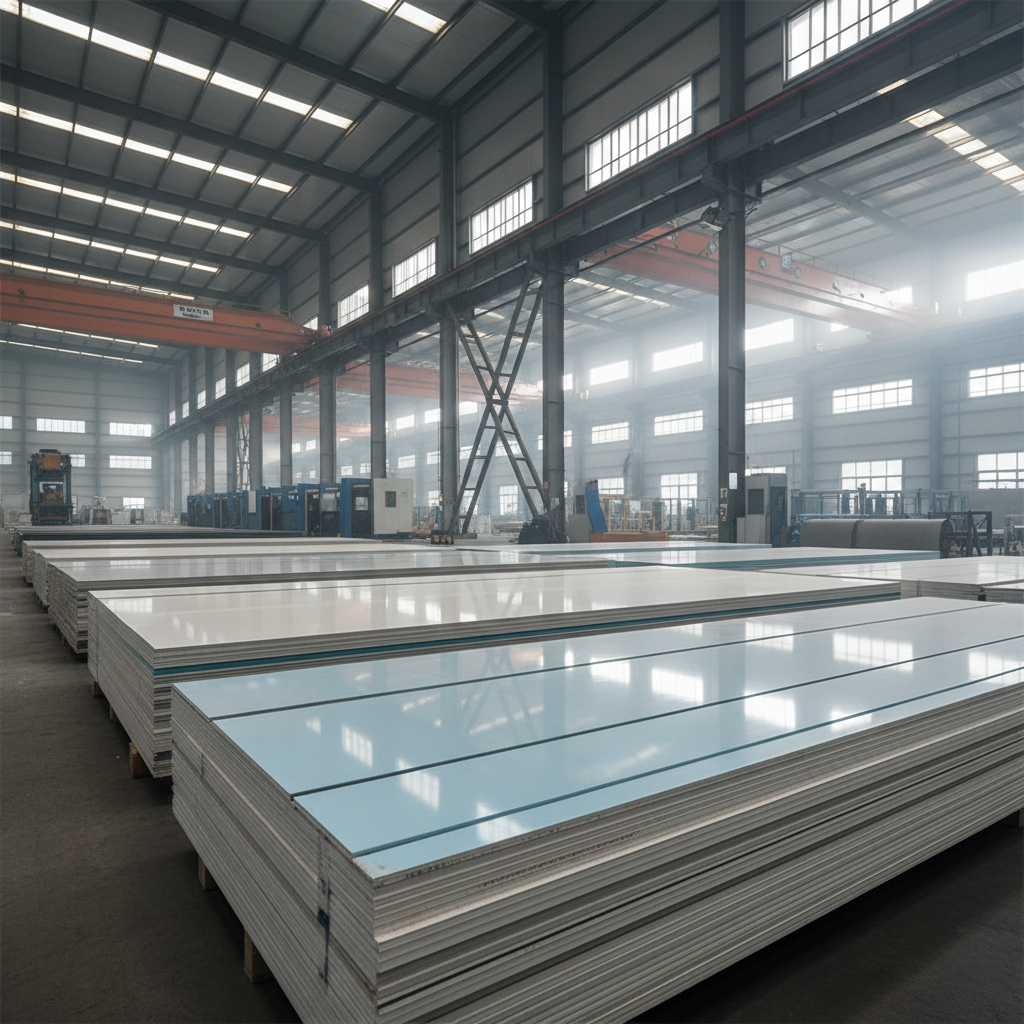
PVC UV sheets are rapidly becoming a cornerstone material in a diverse range of industries, from construction and agriculture to advertising and safety. Their unique combination of durability, weather resistance, and cost-effectiveness makes them a superior choice over traditional materials like wood, metal, and glass in many applications. Understanding the properties and benefits of pvc uv sheet is crucial for professionals seeking innovative and sustainable solutions.

Globally, demand for PVC UV sheets is experiencing significant growth, driven by increasing infrastructure development, particularly in emerging economies. According to recent market analyses, the PVC sheet market is projected to reach billions of dollars in the coming years, with UV-resistant varieties representing a substantial and growing segment. This surge is fueled by the material’s ability to withstand harsh environmental conditions and reduce maintenance costs.

pvc uv sheet offers a practical response to critical challenges, such as the need for affordable housing, durable agricultural structures, and reliable protective barriers. Its versatility allows for customization and efficient installation, making it an ideal material for a wide array of projects, contributing significantly to advancements in various sectors.
Exploring the Versatility and Benefits of PVC UV Sheet for Diverse Industries

Introduction to pvc uv sheet

Exploring the Versatility and Benefits of PVC UV Sheet for Diverse Industries

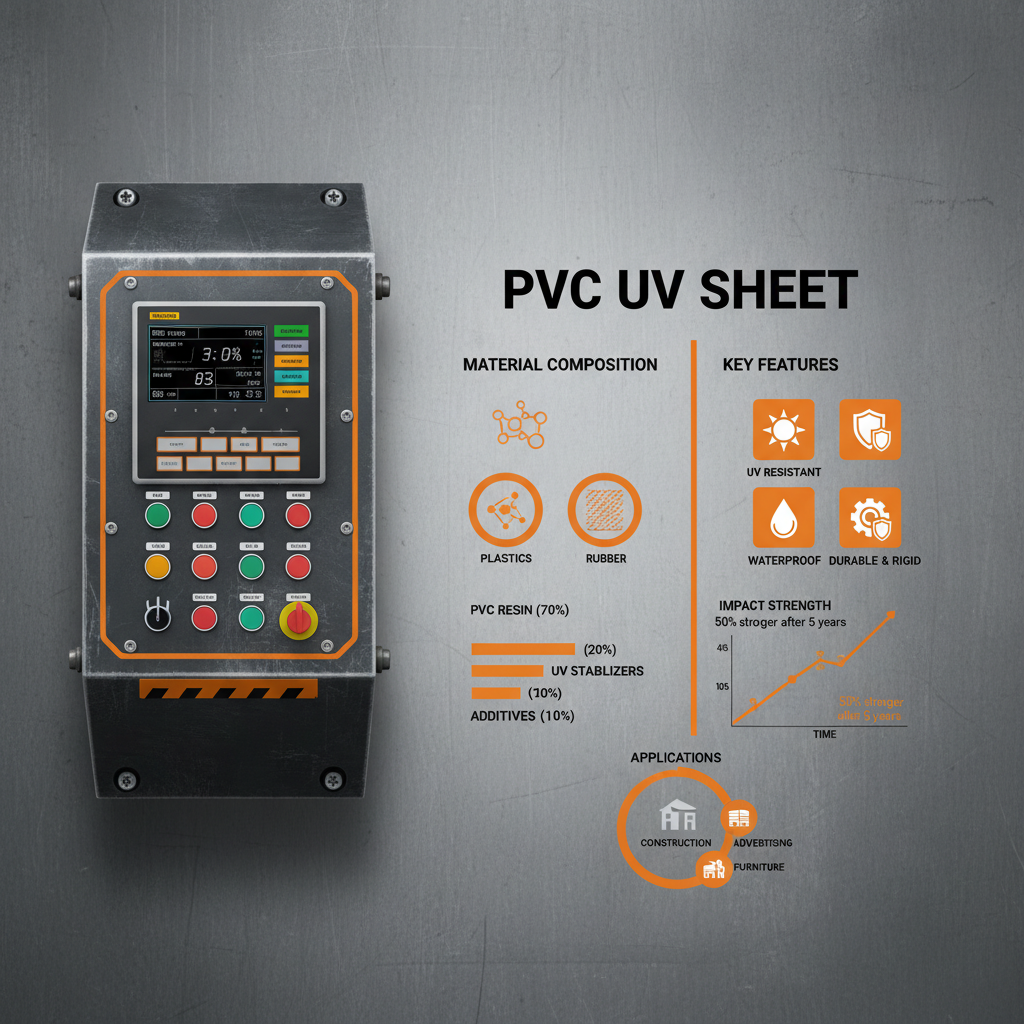
pvc uv sheet represents a significant advancement in polymer technology, offering a highly versatile material engineered for long-term performance in challenging outdoor environments. Its core strength lies in the integration of ultraviolet (UV) stabilizers into the polyvinyl chloride (PVC) formulation, safeguarding against degradation caused by prolonged sun exposure.

The resulting product maintains its structural integrity, color, and mechanical properties for significantly longer periods compared to standard PVC sheets. This makes it a preferred choice for applications where durability and aesthetics are paramount, reducing the need for frequent replacements and lowering life-cycle costs.

Defining pvc uv sheet

Simply put, pvc uv sheet is a rigid or flexible plastic material manufactured from polyvinyl chloride resin and enhanced with UV inhibitors. Unlike standard PVC, which is susceptible to breakdown from sunlight, the addition of these stabilizers creates a barrier that absorbs or reflects harmful UV radiation, preventing discoloration, cracking, and loss of strength.

This specialized formulation positions pvc uv sheet as a vital component in modern industry, addressing critical needs in sectors requiring weather-resistant materials. It’s not merely a plastic; it's an engineered solution designed to withstand environmental stressors and deliver long-lasting performance.

The ability to customize the thickness, color, and finish of pvc uv sheet further expands its applicability, making it suitable for a vast range of projects from large-scale construction to intricate signage.

Key Characteristics of pvc uv sheet

Durability is a cornerstone of pvc uv sheet. The inherent strength of PVC, coupled with the UV stabilization process, results in a material capable of withstanding impact, abrasion, and extreme weather conditions. This robustness translates to reduced maintenance and extended service life.

Weather Resistance is arguably the most defining characteristic. The UV inhibitors protect against degradation from sunlight, rain, hail, and even chemical exposure, maintaining the material’s integrity and appearance over time. This makes it ideal for outdoor applications in diverse climates.

Cost-Effectiveness makes pvc uv sheet a compelling alternative to more expensive materials like aluminum or acrylic. Its affordability, combined with its long lifespan and low maintenance requirements, translates to significant cost savings over the long term.

Diverse Applications of pvc uv sheet

The versatility of pvc uv sheet lends itself to a wide array of applications. In construction, it's used for roofing, siding, and wall cladding, providing weather protection and aesthetic appeal. In agriculture, it forms the basis for greenhouses, providing a controlled environment for plant growth.

Furthermore, the signage and advertising industries heavily utilize pvc uv sheet for creating durable and eye-catching displays, billboards, and point-of-sale materials. Its ability to be easily cut, shaped, and printed makes it an ideal medium for visual communication.

Performance Metrics Across Different pvc uv sheet Formulations


Advantages and Value Proposition

The tangible benefits of pvc uv sheet extend beyond its initial cost-effectiveness. Reduced maintenance requirements, stemming from its exceptional durability, translate into long-term cost savings. Moreover, its resistance to degradation minimizes the need for frequent replacements, reducing waste and promoting sustainability.

From an environmental perspective, pvc uv sheet offers a relatively low carbon footprint compared to alternative materials like metal or wood. Its long lifespan and recyclability further contribute to its environmental credentials, aligning with growing global sustainability initiatives.

Future Trends in pvc uv sheet Technology

Innovation in pvc uv sheet technology is focused on enhancing its sustainability and performance. Research is underway to develop formulations incorporating bio-based PVC resins, reducing reliance on fossil fuels. Furthermore, advancements in UV stabilizer technology are aiming to extend the material's lifespan even further.

Another promising trend is the integration of nanotechnology into pvc uv sheet production. Nanoparticles can enhance the material’s mechanical strength, UV resistance, and even impart self-cleaning properties, opening up new possibilities for its applications.

Digital printing technologies are also evolving, enabling more intricate and durable designs on pvc uv sheet, further expanding its applications in the advertising and signage industries.

Challenges and Innovative Solutions

While pvc uv sheet offers numerous advantages, challenges remain. One concern is the environmental impact of PVC production and disposal. Addressing this requires investments in recycling infrastructure and the development of more sustainable PVC formulations.

Another challenge is ensuring consistent quality control across different manufacturers. Implementing standardized testing procedures and certifications can help guarantee that pvc uv sheet meets required performance standards.

Innovative solutions, such as chemical recycling processes and the use of bio-based additives, are actively being explored to overcome these challenges and create a more sustainable and reliable material.

Overview of Key Challenges and Proposed Solutions for pvc uv sheet

Challenge Area Severity (1-5) Potential Solution Implementation Cost (1-5)
Environmental Impact of PVC 4 Chemical Recycling & Bio-Based Resins 3
Quality Control Variability 3 Standardized Testing & Certification 2
Long-Term UV Degradation 2 Advanced UV Stabilizer Formulations 3
Recyclability Limitations 3 Improved Collection & Processing Infrastructure 4
Cost of High-Performance Formulations 2 Economies of Scale & Material Optimization 2
Limited Public Awareness 1 Industry Marketing & Education Campaigns 1

FAQS

What is the typical lifespan of pvc uv sheet when exposed to direct sunlight?

The lifespan of pvc uv sheet exposed to direct sunlight varies based on formulation and climate, but high-quality sheets with effective UV stabilization typically last 10-20 years without significant degradation. Factors like intensity of UV exposure, temperature fluctuations, and pollution levels can affect this timeframe. Regular inspection and maintenance can help maximize its longevity, and newer formulations are pushing this limit even further. Choosing a reputable manufacturer is vital to ensure adequate UV protection.

Is pvc uv sheet recyclable, and what are the common recycling processes?

Yes, pvc uv sheet is recyclable, although the process isn’t as widespread as with some other plastics. Common recycling methods include mechanical recycling, where the material is ground down and reused in new products, and chemical recycling, which breaks down the PVC into its original components for reprocessing. However, contamination can be a challenge. Increased investment in PVC recycling infrastructure is crucial for improving its recyclability and reducing environmental impact.

How does pvc uv sheet compare to polycarbonate in terms of UV resistance?

Both pvc uv sheet and polycarbonate offer UV resistance, but polycarbonate generally exhibits superior inherent UV stability. However, pvc uv sheet formulated with high-quality UV stabilizers can achieve comparable performance for many applications. Polycarbonate is more expensive, while PVC is more versatile and cost-effective. The best choice depends on specific project requirements and budget constraints.

What are the common applications of pvc uv sheet in agricultural settings?

pvc uv sheet is widely used in agriculture for greenhouses, providing a controlled environment for plant growth. It’s also utilized for protective covers for crops, shade netting, and water storage tanks. Its durability and resistance to weathering make it an ideal material for these applications, extending the growing season and protecting crops from harsh conditions. Choosing the right thickness and UV stabilization level is key to ensuring long-lasting performance.

What safety precautions should be taken when cutting or working with pvc uv sheet?

When cutting or working with pvc uv sheet, always wear safety glasses to protect your eyes from flying debris. Use appropriate ventilation to avoid inhaling dust or fumes. Sharp tools should be handled with care, and protective gloves are recommended. Avoid using open flames near PVC, as it can release hazardous gases when burned. Always follow the manufacturer’s safety guidelines.

What is the typical cost range for pvc uv sheet per square foot?

The cost of pvc uv sheet per square foot varies depending on thickness, color, UV stabilization level, and quantity purchased. Generally, prices range from $0.50 to $3.00 per square foot. Thicker sheets and those with higher UV resistance will be more expensive. Bulk orders often qualify for discounted pricing. It's crucial to compare quotes from multiple suppliers to ensure you're getting the best value.

Conclusion

In summary, pvc uv sheet stands as a versatile and reliable material offering a compelling combination of durability, weather resistance, and cost-effectiveness. Its diverse applications across construction, agriculture, advertising, and more demonstrate its adaptability and widespread utility. Understanding its properties and potential is essential for professionals seeking sustainable and efficient solutions.

Looking ahead, continued innovation in PVC formulations and recycling technologies will further enhance the material’s environmental profile and expand its range of applications. By embracing these advancements and investing in responsible manufacturing practices, we can unlock the full potential of pvc uv sheet and contribute to a more sustainable future. Visit our website today to learn more: www.lidaplastic.com.
Michael Thompson

Michael Thompson

Michael Thompson is a Quality Control Specialist at Baoding Lida Plastic Industry Co., Ltd., ensuring all products meet rigorous national and international standards. With a background in materials science and a certification in ISO 9001 quality management, Michael oversees in-house inspections and collaborates with external certification bodies. He’s been with
Previous Exploring the Versatility and Future of PVC Clear Sheet Applications
Next Exploring the Versatility and Growth of PVC Embossed Sheet Applications