Cpvc pipe, or chlorinated polyvinyl chloride pipe, represents a significant advancement in piping technology, offering a robust and reliable solution for a diverse range of applications. Its inherent resistance to corrosion, high temperatures, and chemical attack has made it a preferred material in both residential and industrial settings globally. Understanding its properties and applications is crucial for engineers, contractors, and anyone involved in fluid handling systems.
The global demand for cpvc pipe is steadily increasing, driven by factors such as expanding infrastructure development, particularly in emerging economies, and the growing need for durable and safe piping solutions in industries like chemical processing, water treatment, and fire protection. According to industry reports, the cpvc pipe market is projected to continue its upward trajectory, fueled by the material's cost-effectiveness and long service life.
The increasing adoption of cpvc pipe is also a response to the challenges posed by traditional piping materials like metal, which are susceptible to corrosion and require frequent maintenance. Cpvc pipe addresses these concerns by offering a long-term, low-maintenance alternative, reducing lifecycle costs and enhancing the overall efficiency of fluid handling systems.
Introduction to cpvc pipe
Cpvc pipe stands out as a thermoplastic engineered for high-performance fluid handling. Its creation involves chlorinating polyvinyl chloride (PVC) resin, resulting in a material with enhanced temperature resistance and mechanical strength. This makes it an ideal choice for applications requiring the conveyance of both hot and cold fluids, and where corrosion is a primary concern.
Beyond its technical capabilities, the growing adoption of cpvc pipe also reflects a broader shift towards more sustainable and cost-effective infrastructure solutions. By reducing the need for frequent replacements and minimizing maintenance requirements, cpvc pipe contributes to long-term resource conservation and reduced operational expenses.
Defining cpvc pipe and its Relevance
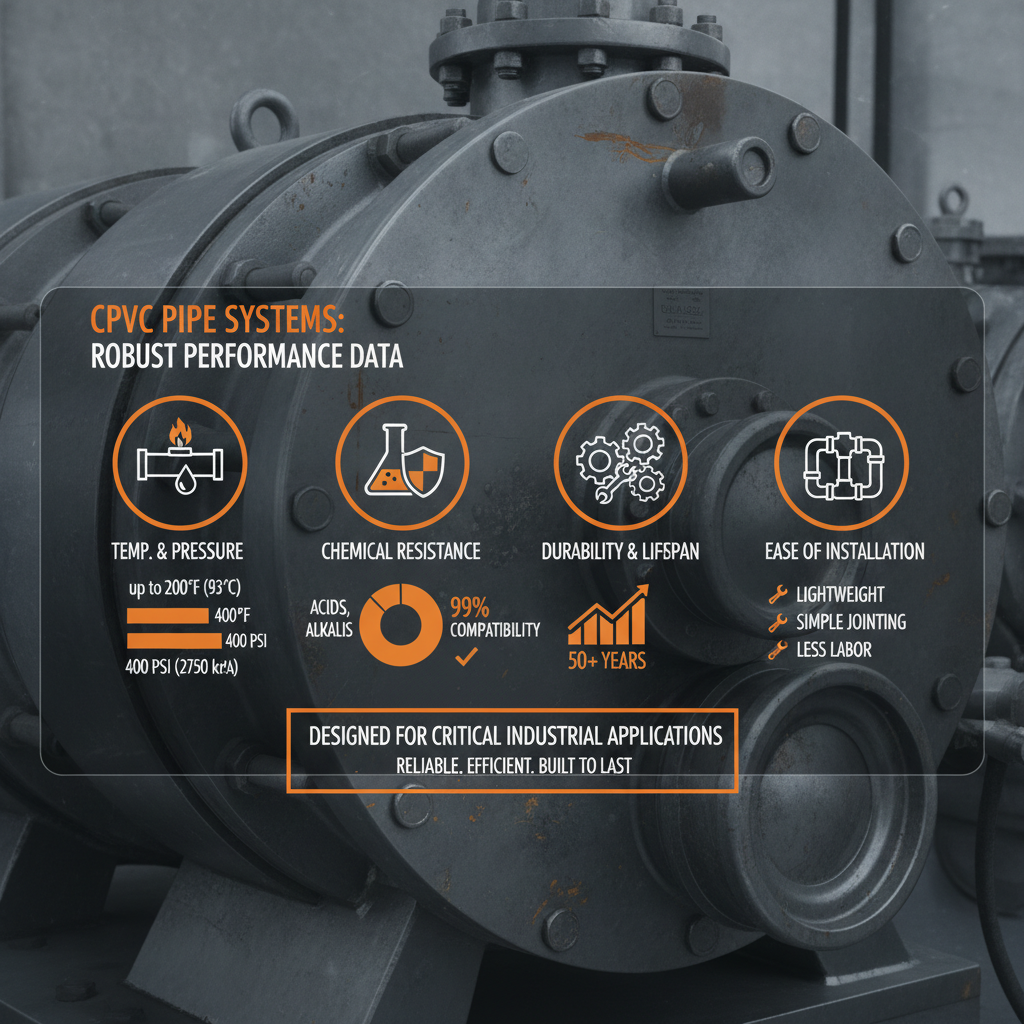
Cpvc pipe is a rigid plastic material commonly used for both pressure and non-pressure piping systems. Unlike standard PVC, cpvc contains a higher chlorine content, which significantly elevates its glass transition temperature, allowing it to withstand temperatures up to 200°F (93°C). This key characteristic differentiates it from PVC and expands its range of suitable applications.
Its relevance extends to vital sectors such as potable water distribution, industrial chemical processing, and fire sprinkler systems. The ability of cpvc pipe to resist corrosion and maintain its structural integrity in harsh environments ensures the safe and reliable delivery of essential fluids. Furthermore, cpvc pipe is crucial in industries prioritizing safety and longevity.
The modern demand for reliable and long-lasting infrastructure has spurred innovation in cpvc pipe manufacturing. Enhanced formulations and advanced joining techniques, like solvent welding, continue to improve the material’s performance and ease of installation, increasing its attractiveness as a piping solution.
Key Characteristics of cpvc pipe
One of the defining features of cpvc pipe is its exceptional resistance to a broad spectrum of chemicals. This resistance isn't limited to common substances but extends to aggressive acids, bases, and solvents, making it a preferred choice for chemical processing plants and industrial applications where exposure to corrosive fluids is inevitable.
Another critical characteristic is its inherent flame retardancy. Cpvc pipe is inherently flame retardant due to its chlorine content, self-extinguishing in the event of a fire, and minimizing the spread of flames. This makes it an ideal material for fire sprinkler systems and other life-safety applications where fire resistance is paramount.
Furthermore, cpvc pipe offers excellent physical strength and durability. It can withstand high pressures and impacts, reducing the risk of leaks and failures. This robust nature translates into reduced maintenance costs and extended service life, solidifying its value proposition in various applications.
Applications of cpvc pipe Across Industries
Cpvc pipe finds extensive use in the residential and commercial plumbing sectors, offering a reliable and cost-effective solution for hot and cold water distribution systems. Its resistance to scaling and corrosion ensures consistent water flow and minimizes the need for repairs.
In the industrial realm, cpvc pipe is indispensable for handling corrosive chemicals in manufacturing plants, wastewater treatment facilities, and chemical processing industries. Its chemical inertness safeguards against leaks and contamination, maintaining the integrity of industrial processes.
Application Scope of cpvc pipe
Advantages and Long-Term Value of cpvc pipe
The advantages of utilizing cpvc pipe extend beyond its technical capabilities. The lower lifecycle costs, stemming from its durability and resistance to corrosion, translate to significant savings over the long term. Reduced maintenance and replacement needs minimize disruptions and operational expenses.
Furthermore, cpvc pipe contributes to enhanced sustainability by reducing material waste and conserving resources. Its longevity minimizes the need for frequent replacements, lessening the environmental impact associated with manufacturing and disposal.
Future Trends in cpvc pipe Technology
Ongoing research and development efforts are focused on enhancing the performance characteristics of cpvc pipe, with particular attention paid to increasing its temperature resistance and improving its compatibility with emerging fluid handling technologies.
The integration of smart sensors and data analytics into cpvc pipe systems is also gaining traction, enabling real-time monitoring of fluid flow, pressure, and temperature, facilitating predictive maintenance, and optimizing system performance.
Challenges and Solutions in cpvc pipe Implementation
One of the primary challenges associated with cpvc pipe is the need for skilled installers who are proficient in solvent welding techniques. Improper installation can compromise the integrity of the system and lead to leaks.
To address this, comprehensive training programs and certification initiatives are crucial to ensure that installers possess the necessary expertise. Additionally, advancements in joining technologies, such as mechanical fittings, are offering alternative installation methods that require less specialized skill.
Another challenge involves maintaining consistent quality control throughout the manufacturing process. Stringent quality assurance measures and adherence to industry standards are essential to guarantee the reliability and performance of cpvc pipe systems.
Summary of cpvc pipe Implementation Considerations
| Challenge Area |
Severity Level (1-5) |
Potential Impact |
Mitigation Strategy |
| Installation Skill Gap |
4 |
System Failure, Leaks |
Comprehensive Training, Certification |
| Quality Control Variations |
3 |
Reduced Lifespan, Performance Issues |
Stringent QA Protocols, Adherence to Standards |
| Material Cost Fluctuations |
2 |
Project Budget Impacts |
Long-Term Contracts, Bulk Purchasing |
| Compatibility Concerns |
2 |
Joint Failure, Corrosion |
Proper Material Selection, Compatibility Testing |
| Limited Awareness |
1 |
Slow Adoption Rate |
Educational Campaigns, Case Studies |
| Regulatory Compliance |
3 |
Legal Issues, Project Delays |
Ensure adherence to local building codes and regulations |
FAQS
Cpvc pipe typically maintains its structural integrity and performance at temperatures up to 200°F (93°C). However, the specific temperature rating can vary depending on the pipe's schedule (thickness) and the manufacturer's specifications. It is essential to always consult the manufacturer's guidelines for the precise temperature limitations of a specific cpvc pipe product.
While both PVC and cpvc pipe offer good chemical resistance, cpvc exhibits superior resistance to a wider range of aggressive chemicals, particularly at higher temperatures. The chlorination process in cpvc enhances its ability to withstand exposure to acids, bases, and solvents, making it suitable for more demanding industrial applications.
The most common and reliable method for joining cpvc pipe is solvent welding, also known as chemical welding. This process involves using a specialized cpvc cement and primer to fuse the pipe and fitting together, creating a strong, leak-proof joint. Proper surface preparation and adherence to the manufacturer's instructions are critical for successful solvent welding.
Yes, cpvc pipe is widely used in potable water distribution systems and is approved for contact with drinking water by various regulatory agencies. It is non-toxic and does not leach harmful chemicals into the water, ensuring safe and reliable water delivery. However, it’s vital to ensure the pipe and fittings meet NSF/ANSI standards for potable water contact.
Cpvc pipe is an excellent choice for fire sprinkler systems due to its inherent flame retardancy, high temperature resistance, and corrosion resistance. It self-extinguishes in the event of a fire, minimizing flame spread, and maintains its integrity under high-temperature conditions, ensuring reliable fire suppression. It also offers cost savings compared to metallic fire sprinkler piping.
The initial cost of cpvc pipe can be slightly higher than PVC, but it is generally more cost-effective than metal piping systems like copper or steel. When considering the lifecycle costs, cpvc pipe often proves to be the most economical option due to its durability, low maintenance requirements, and resistance to corrosion, which reduces the need for frequent repairs and replacements.
Conclusion
In conclusion, cpvc pipe represents a robust, reliable, and cost-effective solution for a wide range of fluid handling applications. Its superior chemical resistance, high temperature tolerance, and inherent flame retardancy make it a preferred material in diverse industries, from plumbing and water treatment to chemical processing and fire protection. The material's longevity and reduced maintenance requirements translate into significant long-term savings and enhanced sustainability.
Looking ahead, continued innovation in cpvc pipe technology, coupled with increased awareness of its benefits, will likely drive even wider adoption. Investing in proper installation training and adherence to industry standards will be crucial to maximizing the performance and lifespan of cpvc pipe systems. For more information and to explore our range of cpvc pipe products, visit our website: www.lidaplastic.com