Pipe fitting is a foundational element in countless industries and critical infrastructure systems globally. From transporting potable water to managing industrial processes, reliable pipe connections are essential for modern life. The ability to efficiently and safely join pipe sections – encompassing materials like plastic, metal, and ceramics – underpins the functionality of everything from residential plumbing to large-scale energy distribution networks. Understanding the principles and advancements in pipe fitting is therefore crucial for engineers, technicians, and anyone involved in infrastructure development and maintenance.
The global demand for effective pipe fitting solutions is continuously rising, driven by population growth, urbanization, and industrial expansion, particularly in developing nations. The United Nations estimates that access to clean water and sanitation remains a significant challenge for billions worldwide, highlighting the ongoing need for robust piping infrastructure. Moreover, increasing regulations concerning environmental protection and resource management demand leak-proof, durable, and sustainable pipe fitting technologies. This confluence of factors positions pipe fitting as a consistently important and evolving field.
Ultimately, advancements in pipe fitting directly contribute to improved public health, economic productivity, and environmental sustainability. Choosing the correct pipe fitting for an application is not merely a technical detail – it's a fundamental decision impacting safety, reliability, and long-term cost-effectiveness.
Introduction to Pipe Fitting
Pipe fitting, at its core, involves selecting, fabricating, and joining sections of pipe to create a complete fluid conveyance system. These systems are indispensable for transporting liquids, gases, and granular materials across vast distances and within complex industrial settings. pipe fitting techniques have evolved dramatically over time, from rudimentary methods using ropes and clay to the sophisticated welding, threading, and mechanical joining technologies prevalent today.
The evolution of pipe fitting is directly linked to advancements in material science and engineering. The development of plastics, specifically PVC, CPVC, and PEX, has revolutionized the industry, offering lightweight, corrosion-resistant, and cost-effective alternatives to traditional metal piping. This has broadened the scope of applications and enabled innovative solutions in areas like potable water distribution and wastewater management.
Defining Pipe Fitting
Pipe fitting encompasses the process of connecting pipes, valves, and other components to form a functional piping system. It’s more than simply attaching pieces together; it’s about ensuring the integrity, safety, and efficiency of the entire system. A skilled pipe fitter understands material properties, pressure ratings, and applicable codes and standards to guarantee a leak-proof, reliable connection.
This craft is fundamentally tied to modern industry and humanitarian needs. Industrial facilities rely on pipe fitting for process control, chemical transport, and power generation. Humanitarian organizations leverage pipe fitting for the rapid deployment of clean water systems in disaster relief scenarios and for establishing sustainable sanitation infrastructure in underserved communities.
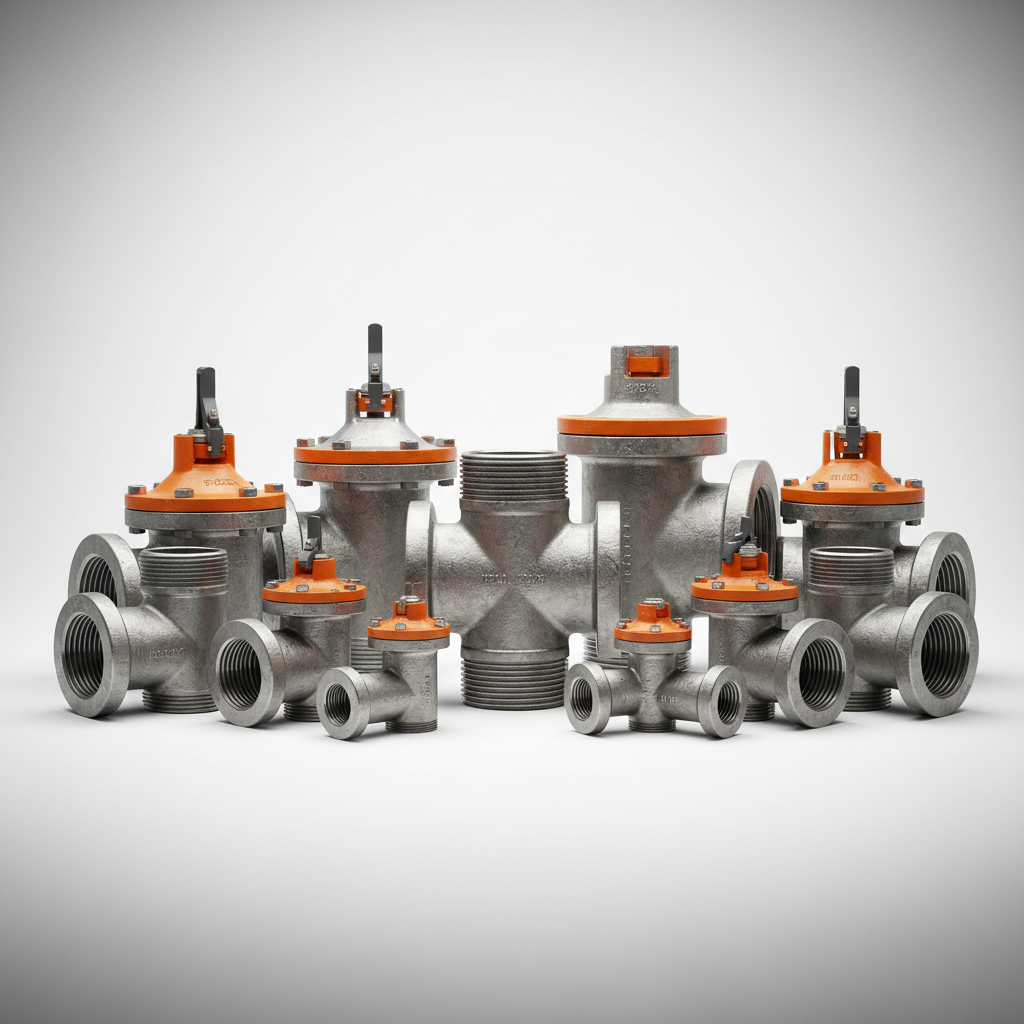
The term 'pipe fitting' also refers to the components themselves – elbows, tees, reducers, couplings, and flanges – that are used to create these connections. Selecting the appropriate fittings is as critical as the joining technique, ensuring compatibility with the pipe material, fluid type, and operating conditions.
Core Components of Effective Pipe Fitting
Several core factors contribute to the overall effectiveness of pipe fitting. Firstly, material compatibility is paramount. The pipe material and fittings must be chemically compatible with the fluid being transported to prevent corrosion and contamination. Secondly, pressure rating dictates the maximum allowable pressure the system can withstand, requiring careful selection of components based on operating conditions.
Thirdly, joint integrity is crucial for preventing leaks and ensuring system efficiency. This relies on proper joining techniques, appropriate sealing materials, and adherence to industry standards. Fourthly, code compliance is non-negotiable. Piping systems must meet relevant building codes, safety regulations, and environmental standards to ensure public health and safety.
Finally, long-term durability is essential for minimizing maintenance costs and extending the lifespan of the system. Choosing corrosion-resistant materials and implementing preventative maintenance programs contribute to long-term reliability. These factors, when considered collectively, define a successful and sustainable pipe fitting solution.
Key Performance Indicators in Pipe Fitting
Evaluating the performance of pipe fitting installations necessitates considering several key indicators. Leakage rate is a primary metric, indicating the efficiency and integrity of the connections. Lower leakage rates translate to reduced resource waste and operational costs.
Another critical indicator is installation time, reflecting the efficiency of the fitting process. Faster installation times contribute to project cost savings and reduced downtime.
Pipe Fitting Method Comparison
Global Applications of Pipe Fitting
Pipe fitting is ubiquitous across numerous industries and applications. In the oil and gas sector, it's vital for transporting crude oil and natural gas across continents, often involving high-pressure, large-diameter pipelines. In the water treatment industry, pipe fitting ensures the safe and efficient delivery of clean drinking water and the responsible disposal of wastewater.
In remote industrial zones, robust pipe fitting is critical for supporting mining operations, power plants, and manufacturing facilities. In post-disaster relief operations, rapid deployment of portable water systems utilizing quick-connect pipe fittings can provide life-saving access to clean water for affected populations.
Advantages and Long-Term Value
The advantages of utilizing correct pipe fitting extend beyond immediate functionality. From a cost perspective, choosing durable materials and efficient joining techniques minimizes the need for frequent repairs and replacements, leading to significant long-term savings. In terms of sustainability, utilizing corrosion-resistant materials reduces environmental impact and conserves resources.
From a social impact standpoint, reliable pipe fitting ensures access to essential resources like clean water and sanitation, improving public health and quality of life. From a reliability standpoint, correctly fitted pipes guarantee process continuity for industrial sectors, reducing production losses and improving operations.
Future Trends in Pipe Fitting Technology
The future of pipe fitting is being shaped by several key trends. Automation and robotics are increasingly being used to enhance precision and efficiency in the joining process, particularly in large-scale infrastructure projects. Digital transformation through the use of sensors and data analytics is enabling predictive maintenance and optimized system performance.
The demand for sustainable materials is driving the development of bio-based plastics and advanced composite materials that offer improved environmental performance. The integration of pipe fitting technology with green energy initiatives, such as hydrogen transport and carbon capture, is also gaining momentum.
Summary of Core Future Trends in Pipe Fitting
| Trend Category |
Key Technologies |
Impact on Industry |
Adoption Timeline |
| Automation & Robotics |
Robotic Welding, Automated Assembly |
Increased Efficiency, Reduced Labor Costs |
Short-Term (1-3 years) |
| Digitalization & IoT |
Sensor Networks, Data Analytics Platforms |
Predictive Maintenance, Real-Time Monitoring |
Medium-Term (3-5 years) |
| Sustainable Materials |
Bio-Plastics, Recycled Polymers |
Reduced Environmental Impact, Circular Economy |
Medium-Term (3-5 years) |
| Advanced Joining Techniques |
Friction Stir Welding, Magnetic Pulse Welding |
Enhanced Joint Strength, Reduced Distortion |
Long-Term (5-10 years) |
| Smart Fittings |
Integrated Sensors, Wireless Communication |
Remote Monitoring, Leak Detection |
Medium-Term (3-5 years) |
| Additive Manufacturing |
3D Printing of Fittings, Custom Designs |
Rapid Prototyping, On-Demand Production |
Long-Term (5-10 years) |
FAQS
Modern pipe fitting commonly utilizes materials like PVC (Polyvinyl Chloride), CPVC (Chlorinated Polyvinyl Chloride), PEX (Cross-linked Polyethylene), stainless steel, carbon steel, copper, and various alloys. The choice depends on the application, fluid type, pressure requirements, and budget. Plastics like PVC and PEX are favored for their corrosion resistance and cost-effectiveness, while metals are often preferred for high-temperature and high-pressure applications.
Threaded connections are created by screwing fittings onto threaded pipes, offering easy installation and disassembly, but are prone to leaks if not properly sealed. Welded connections, on the other hand, fuse the pipe and fitting together creating a permanent, leak-proof seal, but require specialized equipment and skilled labor. Welded connections are generally stronger and more reliable for high-pressure applications.
Achieving a leak-proof connection requires careful preparation and adherence to best practices. This includes properly cleaning and preparing the pipe and fitting surfaces, applying appropriate sealant (e.g., Teflon tape for threaded connections), tightening connections to the specified torque, and conducting a pressure test to verify integrity. Following manufacturer’s instructions is crucial.
Common causes of pipe fitting failure include corrosion, excessive pressure, improper installation, material incompatibility, thermal expansion and contraction, and mechanical stress. Regular inspection and preventative maintenance can help identify and address potential issues before they lead to failure. Choosing the right materials and employing appropriate installation techniques are also vital.
Yes, numerous certifications and standards exist for pipe fitting professionals. These include certifications from organizations like the American Welding Society (AWS), the Piping Industry Progress Association (PIMA), and various state and local licensing requirements. Adherence to standards like ASME (American Society of Mechanical Engineers) is crucial for ensuring safety and quality.
Reducing corrosion risk involves selecting corrosion-resistant materials, applying protective coatings (e.g., paint, galvanizing), using sacrificial anodes, implementing cathodic protection systems, and controlling the fluid chemistry within the piping system. Regular inspection and maintenance are also essential for detecting and addressing corrosion early on.
Conclusion
In conclusion, pipe fitting remains a cornerstone of modern infrastructure, playing a critical role in countless industries and essential services. Its evolution, driven by advancements in materials science and engineering, continues to prioritize efficiency, reliability, and sustainability. Understanding the core components, key performance indicators, and future trends associated with pipe fitting is essential for professionals and stakeholders alike.
Looking ahead, continued innovation in automation, digitalization, and sustainable materials will shape the future of pipe fitting. Embracing these advancements will not only optimize performance and reduce costs but also contribute to a more resilient and environmentally responsible infrastructure. For high-quality pipe fitting solutions and expert guidance, visit our website today.