The versatility of pvc tube makes it a cornerstone material in modern infrastructure and countless industrial applications. From potable water distribution to complex irrigation systems, and even increasingly in innovative construction projects, its adaptability and reliability are unparalleled. Understanding the properties and applications of pvc tube is vital for professionals in construction, engineering, agriculture, and public health, as well as anyone interested in sustainable and efficient resource management.
Globally, the demand for pvc tube continues to rise, driven by rapid urbanization, expanding agricultural needs, and the ongoing need for robust and cost-effective infrastructure solutions. The United Nations estimates that access to safe water and sanitation remains a significant challenge for billions, and pvc tube plays a critical role in addressing this need. However, concerns regarding its environmental impact necessitate a focus on responsible production, recycling, and the development of more sustainable alternatives.
Simply put, pvc tube is a rigid plastic pipe manufactured from polyvinyl chloride. It’s a widely used material in plumbing, drainage, irrigation, and various other fluid transfer applications. Its importance stems from its ability to efficiently and reliably deliver essential resources like water, contributing significantly to both modern industrial processes and basic humanitarian needs across the world.
The Global Significance of pvc tube
pvc tube is a ubiquitous material in infrastructure projects worldwide. The ISO standards governing its production and quality control ensure consistent performance and reliability, making it a trusted choice for water supply, sewage systems, and industrial fluid transport. The global market for pvc tube is estimated to be worth billions of dollars annually, with a continued growth trajectory projected for the next decade, particularly in developing nations.
However, the widespread use of pvc tube also presents challenges. Concerns surrounding the environmental impact of its production and disposal, including the use of phthalates and the potential for microplastic pollution, are driving research into more sustainable alternatives and improved recycling technologies. The industry is actively working to address these concerns through innovative material formulations and responsible waste management practices.
Defining pvc tube: A Comprehensive Overview
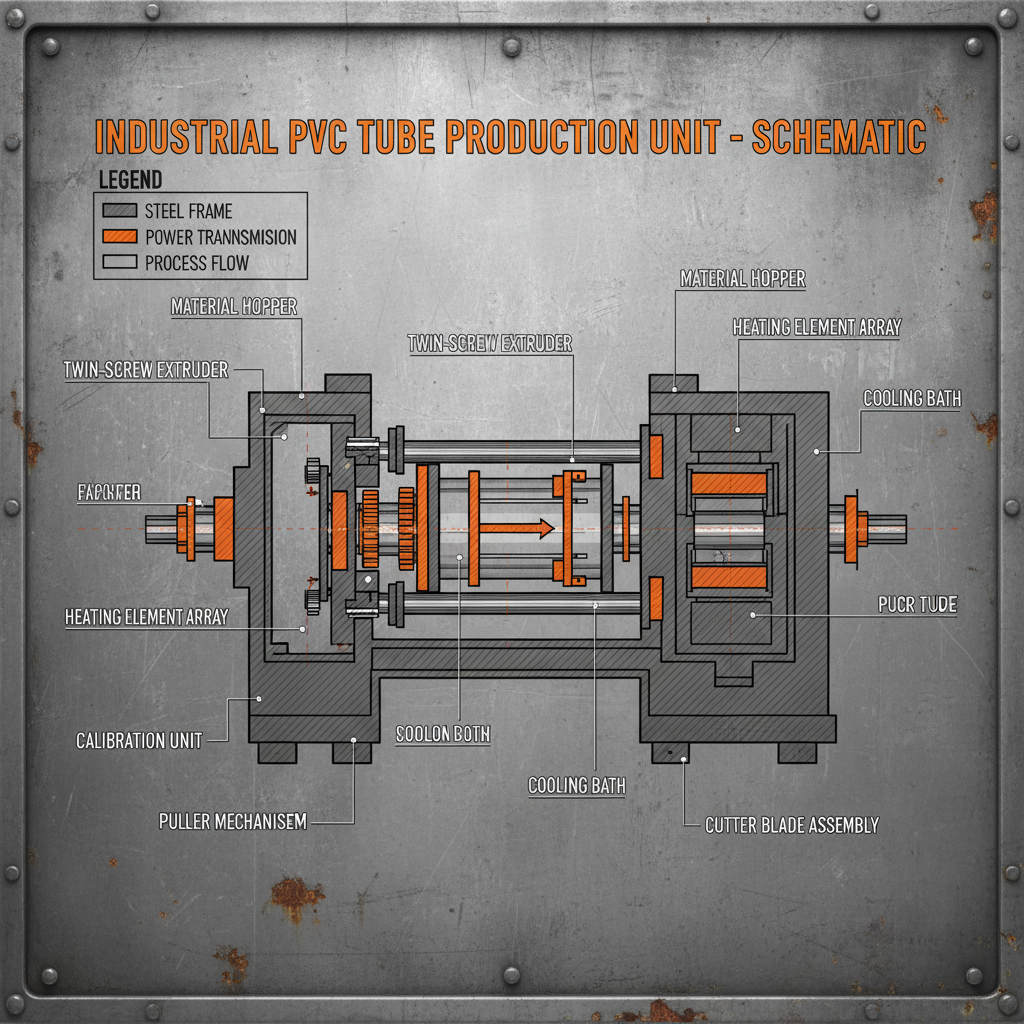
pvc tube, at its core, is a type of thermoplastic made from polyvinyl chloride resin. This resin is combined with stabilizers, lubricants, and plasticizers to create a durable and versatile material. The resulting compound is then extruded into a variety of shapes and sizes, including the familiar cylindrical tube used for piping. Its inherent strength, coupled with its resistance to corrosion and chemicals, makes it ideal for challenging environments.
The versatility of pvc tube extends beyond its core material properties. Different formulations of pvc allow for varying degrees of rigidity and flexibility, enabling it to be used in both pressure and non-pressure applications. Schedule 40, Schedule 80, and CPVC (chlorinated polyvinyl chloride) are just a few examples of the different types of pvc tube available, each tailored to specific requirements.
Its connection to modern needs is profound: sanitation, clean water access, and efficient industrial processes are all significantly impacted by the availability and performance of reliable pvc tube systems. Beyond these critical applications, it also contributes to agricultural productivity, construction efficiency, and even recreational amenities like swimming pools.
Key Properties and Core Characteristics of pvc tube
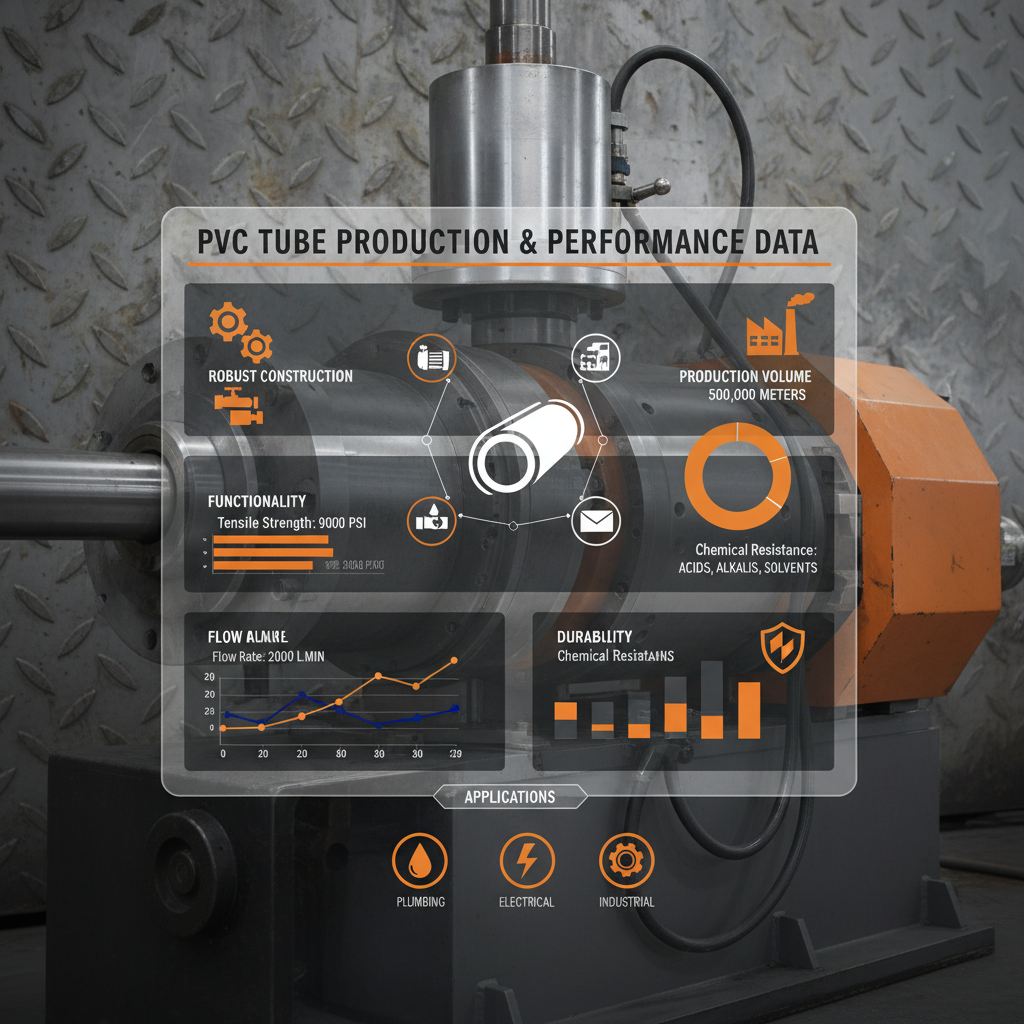
Durability is paramount. pvc tube is renowned for its long lifespan and resistance to impact, abrasion, and corrosion. This longevity translates to reduced maintenance costs and fewer replacements over time, making it a cost-effective solution in the long run. It can withstand significant pressures and extreme temperatures, further enhancing its reliability.
Cost Efficiency is another significant advantage. Compared to many other piping materials like copper, stainless steel, or ductile iron, pvc tube is considerably more affordable, both in terms of material costs and installation expenses. This affordability makes it accessible for a wider range of projects and budgets.
Chemical Resistance is a critical property, particularly in industrial applications. pvc tube resists a broad spectrum of chemicals, including acids, alkalis, and salts, making it suitable for handling corrosive fluids without degradation. This resistance ensures the integrity of the piping system and prevents contamination.
Practical Applications of pvc tube Across Industries
In the construction industry, pvc tube is widely used for plumbing, drainage, and ventilation systems. Its ease of installation and lightweight nature contribute to faster project completion times and reduced labor costs. From residential buildings to large-scale commercial complexes, pvc tube provides a reliable and cost-effective solution for fluid management.
Agriculture relies heavily on pvc tube for irrigation systems, delivering water efficiently to crops and maximizing yields. The durability and resistance to chemicals make it ideal for transporting fertilizers and pesticides. Drip irrigation systems, in particular, benefit from the precision and reliability of pvc tube.
Comparative Performance of Different pvc tube Methods
Global Implementations and Real-World Use Cases
In post-disaster relief operations, pvc tube is often deployed rapidly to establish temporary water supply systems and sanitation facilities, providing critical support to affected communities. Its lightweight nature and ease of assembly make it ideal for emergency situations where time is of the essence.
In remote industrial zones, where access to traditional piping materials may be limited, pvc tube provides a reliable and cost-effective solution for transporting fluids and chemicals. Mining operations, oil and gas facilities, and chemical processing plants all benefit from its durability and resistance to corrosion.
Advantages and Long-Term Value Proposition
The long-term cost savings associated with pvc tube are substantial. Its durability reduces the need for frequent replacements, and its resistance to corrosion minimizes maintenance costs. These factors contribute to a lower total cost of ownership compared to other piping materials.
From a sustainability perspective, ongoing efforts to improve recycling technologies and develop bio-based pvc formulations are enhancing its environmental profile. The lightweight nature of pvc tube also reduces transportation costs and carbon emissions.
Beyond purely economic benefits, the reliable performance of pvc tube contributes to public health and safety. Providing access to clean water and efficient sanitation systems improves quality of life and reduces the risk of waterborne diseases.
Future Trends and Innovations in pvc tube Technology
Research into bio-based plasticizers and alternative raw materials is gaining momentum, aiming to reduce the reliance on fossil fuels and create more sustainable pvc tube products. These innovations promise to significantly reduce the environmental footprint of the material.
Digital technologies are also playing a role, with smart sensors being integrated into pvc tube systems to monitor pressure, flow rate, and leaks. This real-time data allows for proactive maintenance and optimization of performance, reducing water loss and improving efficiency.
Automation in manufacturing processes is increasing production efficiency and reducing costs, making pvc tube even more accessible. Furthermore, the development of advanced recycling techniques is improving the recovery and reuse of pvc materials, creating a circular economy.
Evaluation of Current pvc tube Production Methods
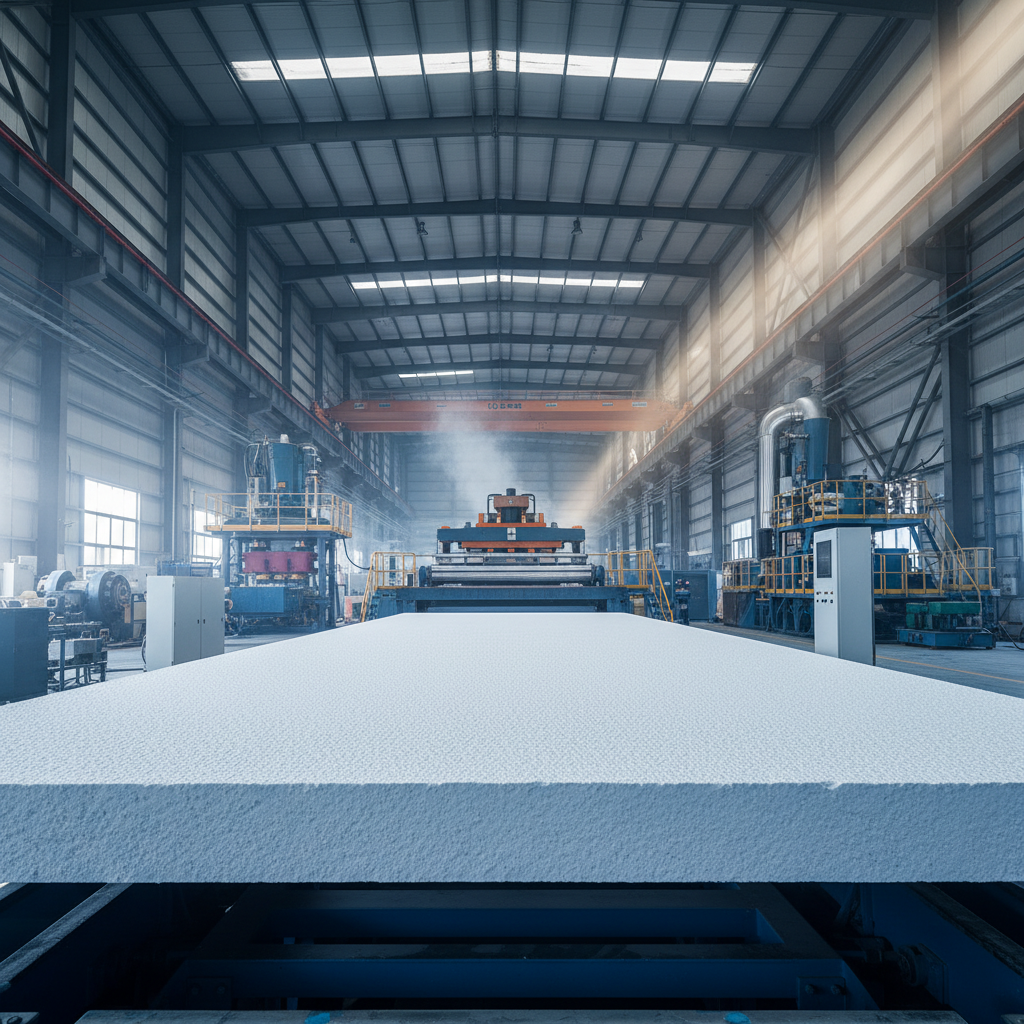
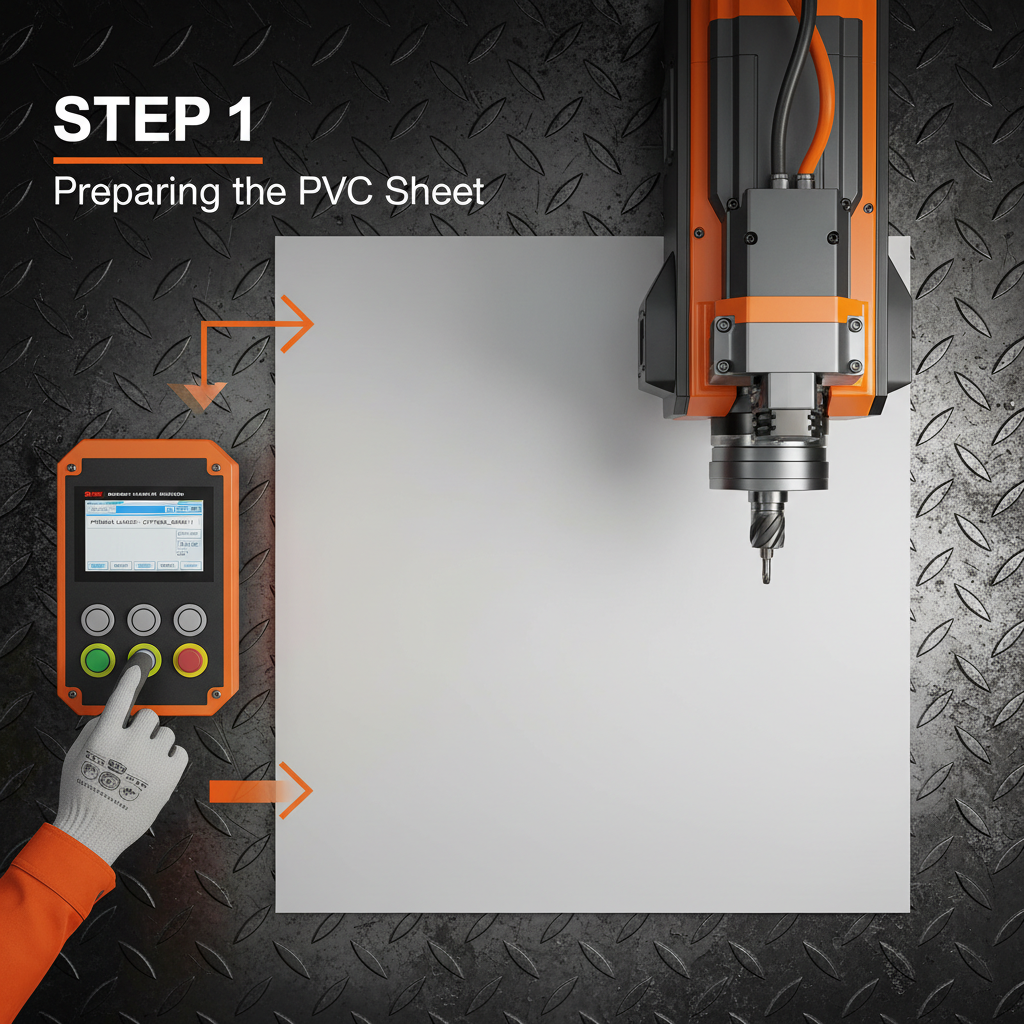
This table summarizes the core components of various methods utilized in the production of pvc tube, offering an evaluation of each regarding efficiency, cost, and environmental impact. Understanding these factors is key to optimization within the industry.
These metrics, ranging from 1 to 10, reflect the comparative strengths and weaknesses of each method across critical performance indicators. The data provided aims to give a comprehensive overview to stakeholders.
Ultimately, the trend toward sustainable practices will continue to influence the evolution of these production methods, demanding increasingly responsible approaches and innovative solutions.
Summary of Current pvc tube Production Techniques
| Production Method |
Efficiency Score (1-10) |
Cost Score (1-10) |
Environmental Impact Score (1-10) - Lower is Better |
| Extrusion |
9 |
8 |
6 |
| Injection Molding |
7 |
7 |
5 |
| Blow Molding |
6 |
6 |
7 |
| Calendering |
5 |
5 |
8 |
| Rotational Molding |
4 |
4 |
9 |
| Compression Molding |
6 |
5 |
7 |
FAQS
The lifespan of buried pvc tube can vary significantly depending on soil conditions, pipe quality, and installation practices. However, under optimal conditions, pvc tube can reliably last for 50 to 100 years or even longer. Factors such as proper bedding, adequate cover, and protection from external loads contribute to maximizing its longevity. Regular inspection and maintenance can also help extend its useful life.
Temperature plays a crucial role in the performance of pvc tube. While pvc is generally resistant to temperature fluctuations, extreme temperatures can affect its flexibility and impact strength. Higher temperatures can make it more pliable, while lower temperatures can make it more brittle. The specific temperature limitations depend on the type of pvc formulation and the intended application. It is critical to consult manufacturer specifications to ensure the tube is suitable for the operating temperature range.
Yes, certain formulations of pvc tube are specifically designed and certified for potable water applications. These formulations meet stringent health and safety standards, ensuring that the water remains pure and free from contamination. However, it’s essential to use only pvc tube that is clearly labeled as “NSF-61” certified, which indicates compliance with the relevant standards for drinking water systems.
Common causes of failure in pvc tube include improper installation, ground movement, external loads, corrosion from aggressive soils, and damage from excavation activities. Poor bedding practices, inadequate cover, and exposure to sharp objects can all contribute to premature failure. Regular inspections can help identify potential problems before they escalate.
Proper joining of pvc tube sections is essential for maintaining a leak-free and reliable system. Common methods include solvent welding (using pvc cement) and mechanical joints (using rubber gaskets and couplings). It's crucial to follow the manufacturer’s instructions carefully, ensuring proper surface preparation, adequate curing time for solvent welding, and appropriate tightening of mechanical joints.
Recycling options for pvc tube are becoming increasingly available. While not all municipalities currently accept pvc for recycling, many specialized recycling facilities are equipped to process it. Recycling processes can include mechanical recycling (grinding and reprocessing into new products) and chemical recycling (breaking down the pvc into its constituent monomers). Checking with local waste management authorities can reveal available recycling options.
Conclusion
In conclusion, pvc tube remains a vital material for modern infrastructure and a cornerstone of many industries. Its combination of durability, cost-effectiveness, and versatility makes it an indispensable component in water management, construction, agriculture, and numerous other applications. Understanding its properties, applications, and evolving technologies is essential for professionals and stakeholders alike.
Looking ahead, continued innovation in sustainable materials, recycling technologies, and smart infrastructure integration will further enhance the value and longevity of pvc tube systems. By embracing responsible production practices and prioritizing long-term performance, we can unlock its full potential and ensure its continued contribution to a more sustainable and efficient future.