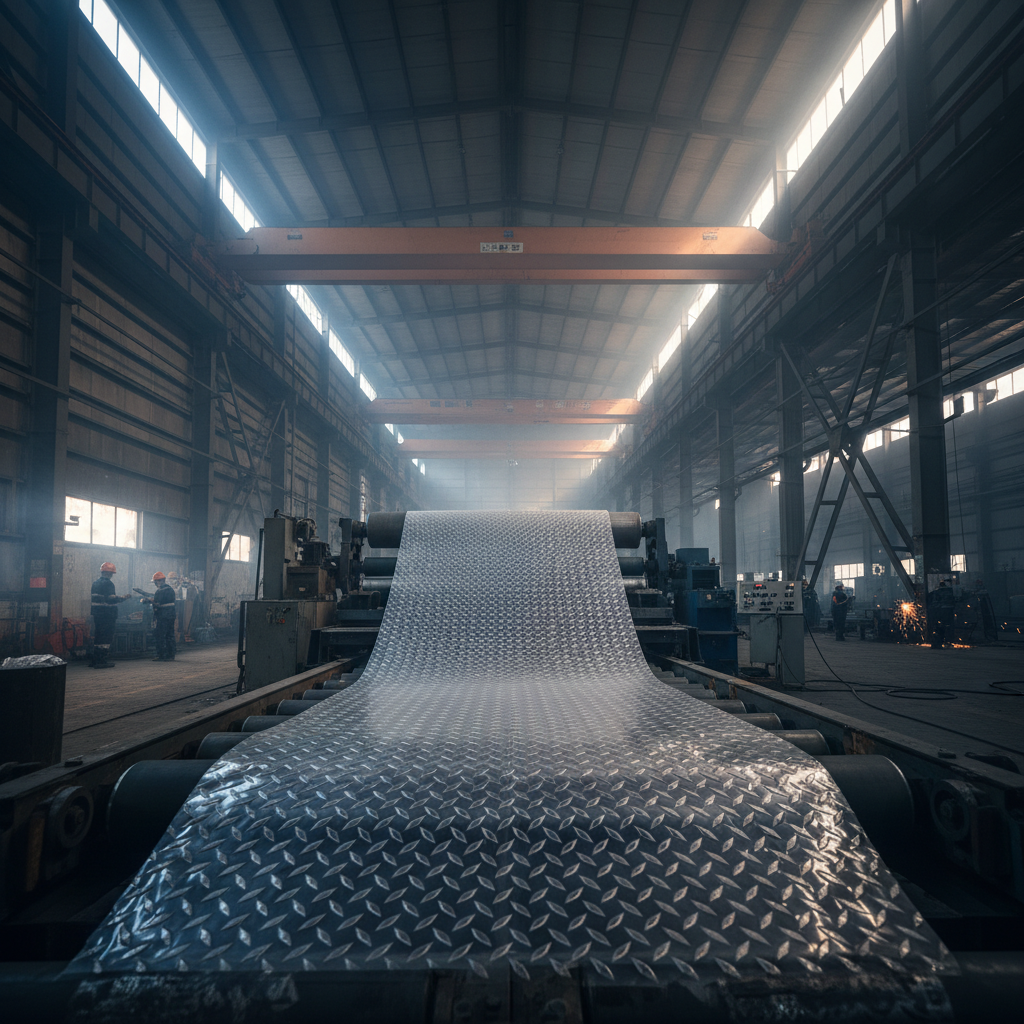
The versatility and durability of pvc bar make it a cornerstone material in modern construction and numerous industrial applications. Globally, its demand continues to rise, driven by infrastructure development in emerging economies and the need for cost-effective, reliable materials in established markets. Understanding the properties and applications of pvc bar is crucial for professionals in engineering, construction, and manufacturing seeking innovative and sustainable solutions.
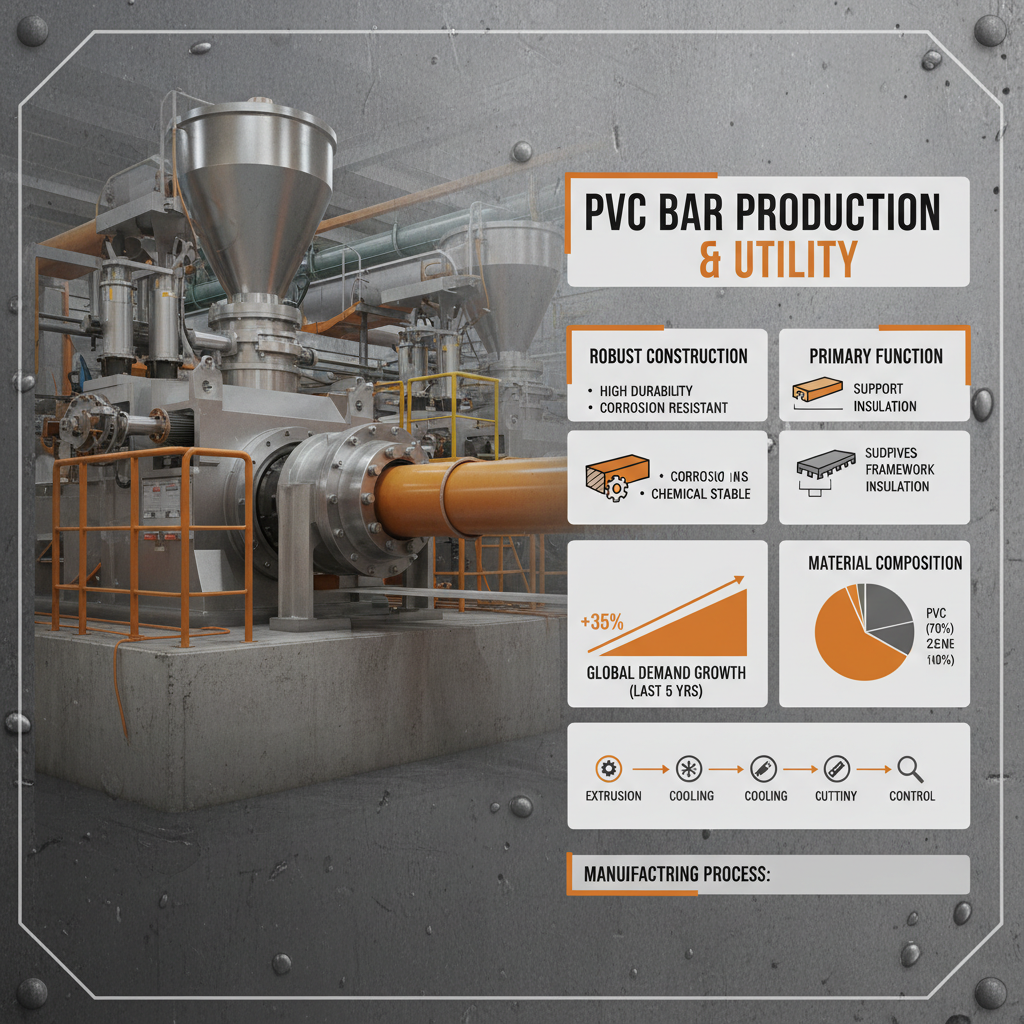
The significance of pvc bar extends beyond simple construction. Its resistance to corrosion, low maintenance requirements, and affordability make it ideal for applications ranging from water and sewage systems to electrical conduit and even artistic installations. The global market for pvc bar is projected to grow significantly in the coming years, particularly in regions focused on expanding infrastructure.
Furthermore, ongoing innovations in pvc formulation and processing are enhancing its performance and expanding its range of uses. From lightweight, high-strength profiles to environmentally friendly recycled formulations, pvc bar is evolving to meet the challenges of a changing world. Its adaptability and cost-effectiveness make it a key material for addressing global needs in housing, sanitation, and infrastructure.
Defining pvc bar and its Role
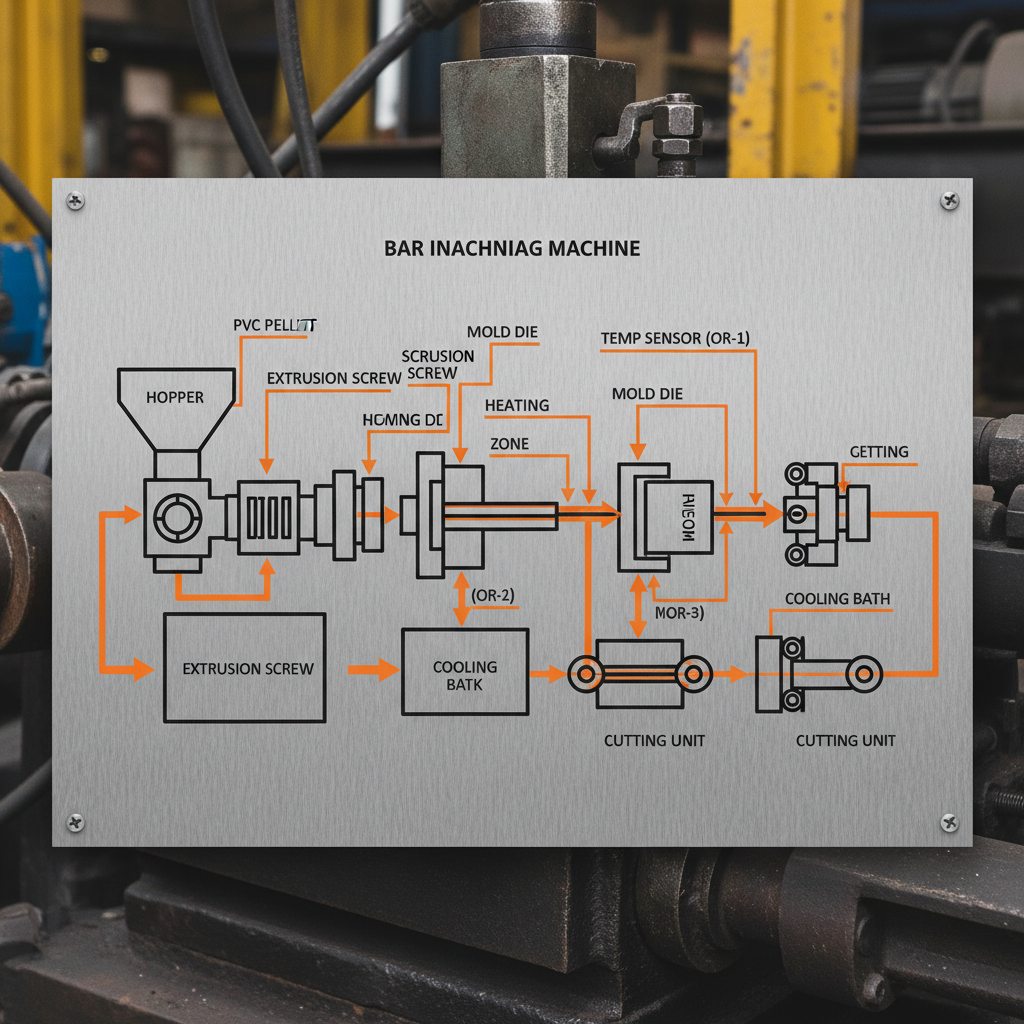
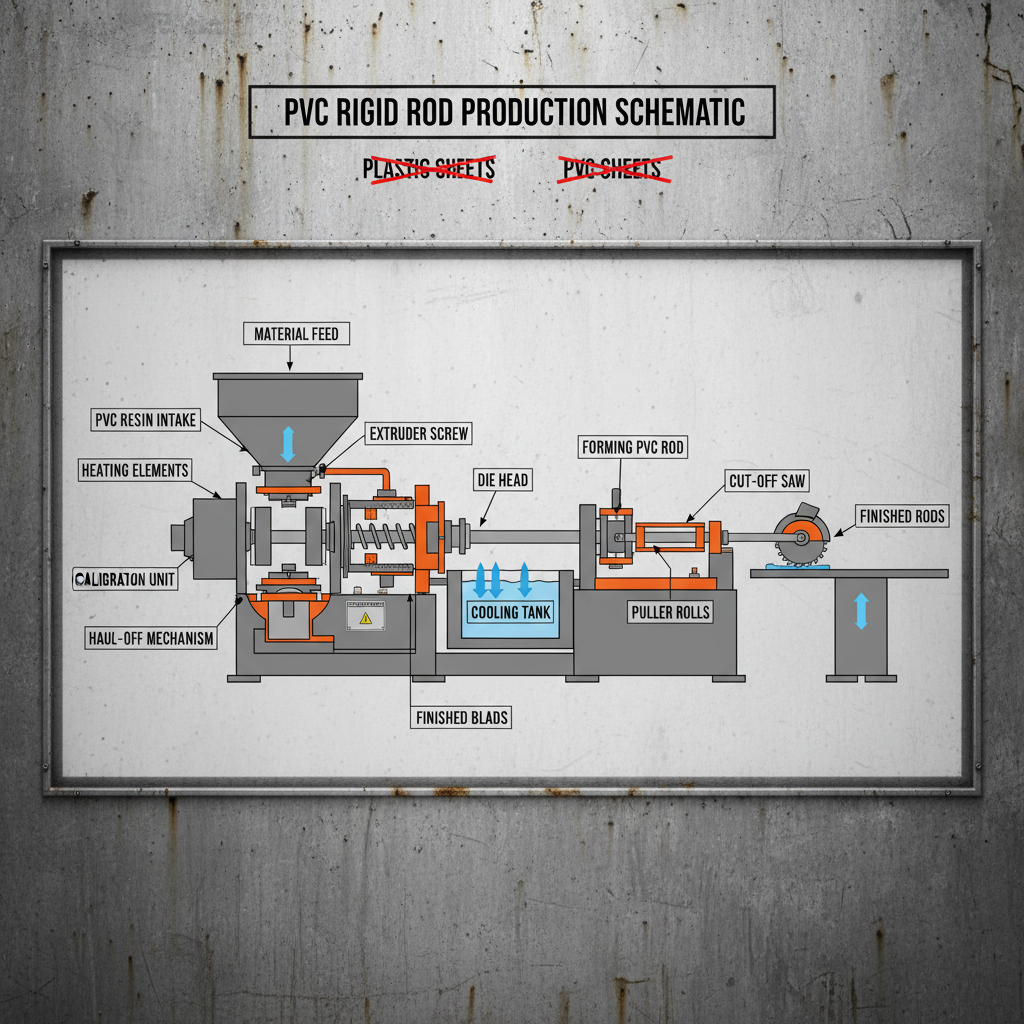
pvc bar, in its simplest form, is a semi-rigid or rigid plastic product manufactured from polyvinyl chloride (PVC) resin. It's commonly produced through extrusion, resulting in a consistent profile suitable for various structural and decorative purposes. Its versatility stems from the ability to modify the PVC formulation with additives, altering properties like flexibility, color, and resistance to UV radiation.
This material plays a vital role in contemporary industry, often serving as a cost-effective and durable alternative to traditional materials like wood, metal, and concrete. From vital infrastructure components to consumer goods, pvc bar supports a diverse range of applications impacting daily life and the progress of global development.
Global Relevance and Market Trends
The global demand for pvc bar is intrinsically linked to infrastructure development, particularly in rapidly urbanizing regions of Asia-Pacific and Latin America. According to recent reports from the World Bank, investments in water and sanitation infrastructure are increasing, driving the demand for corrosion-resistant PVC piping – a major application for pvc bar.
This growth isn’t without its challenges. Concerns regarding the environmental impact of PVC production and disposal are prompting research into bio-based alternatives and closed-loop recycling systems. However, the material’s inherent benefits - including its longevity and relatively low cost – continue to solidify its position in the market. The ISO standards related to PVC production and testing further ensure quality and reliability worldwide.
A key challenge is addressing the perception of PVC as environmentally unfriendly. Innovators are developing recyclable formulations and promoting responsible end-of-life management practices to mitigate these concerns and ensure the continued relevance of pvc bar in a sustainability-focused future.
Core Properties of pvc bar
pvc bar boasts a remarkable combination of properties that contribute to its widespread use. Notably, its excellent chemical resistance makes it suitable for demanding environments where exposure to corrosive substances is common. It’s also a naturally flame-retardant material, enhancing safety in construction and industrial settings.
Furthermore, the material exhibits exceptional durability and a long service life, minimizing the need for frequent replacements. It also demonstrates good electrical insulation properties, making it ideal for cable management and electrical conduit applications. The versatility in formulation allows for customization to achieve specific performance characteristics, tailoring pvc bar to a wide range of applications.
Another key characteristic is its low thermal conductivity, which contributes to energy efficiency in building applications. Coupled with its relatively low cost compared to alternative materials, these properties make pvc bar a compelling choice for a diverse array of projects.
Diverse Applications of pvc bar
The versatility of pvc bar shines through its multitude of applications. Within the construction industry, it’s extensively used for window and door frames, roofing materials, siding, and plumbing pipes. Its resistance to moisture and decay makes it a superior choice for outdoor applications.
Beyond construction, pvc bar plays a crucial role in industrial settings. It’s used in the manufacturing of chemical tanks, ventilation systems, and protective barriers. In agriculture, it’s employed in irrigation systems and greenhouse structures. Even in the arts, pvc bar finds application in sculpting and decorative elements due to its moldability and ease of processing.
Performance of Different pvc bar Manufacturing Methods
Advantages and Long-Term Value
One of the most significant advantages of pvc bar is its cost-effectiveness. Compared to materials like copper or stainless steel, PVC offers a substantially lower price point without compromising on essential performance characteristics. This translates to lower project costs and increased accessibility for a wider range of applications.
Beyond cost, the material provides exceptional long-term value. Its durability and resistance to corrosion minimize maintenance requirements and extend its service life, reducing lifecycle costs. This inherent reliability fosters trust and confidence in pvc bar across diverse industries.
Innovation and Future Trends
Ongoing innovation is driving the development of new and improved pvc bar formulations. Research is focused on enhancing its thermal stability, increasing its impact resistance, and incorporating bio-based additives to reduce its environmental footprint. These advancements are expanding the range of applications for this versatile material.
Furthermore, the integration of digital technologies, such as advanced sensor systems embedded within pvc bar structures, is enabling real-time monitoring of performance and structural integrity. This data-driven approach allows for proactive maintenance and optimized resource allocation, further enhancing its long-term value.
Challenges and Sustainable Solutions
Despite its many advantages, the production and disposal of pvc bar present certain environmental challenges. The use of phthalates as plasticizers and the potential for dioxin emissions during incineration are areas of concern. However, the industry is actively addressing these issues through the development of alternative plasticizers and improved waste management practices.
Investing in closed-loop recycling systems, where PVC waste is collected, processed, and reused in new products, is crucial for minimizing its environmental impact. Promoting the use of recycled pvc bar in new applications and incentivizing responsible end-of-life management are essential steps towards a more sustainable future.
Furthermore, ongoing research into biodegradable PVC alternatives, while still in its early stages, holds promise for further reducing the environmental footprint of this versatile material.
Summary of Solutions for Sustainable pvc bar Management
| Challenge |
Solution |
Implementation Level |
Potential Impact |
| Phthalate Use |
Alternative Plasticizers |
High |
8/10 |
| Dioxin Emissions |
Improved Incineration Technologies |
Medium |
7/10 |
| Waste Management |
Closed-Loop Recycling |
Medium |
9/10 |
| Virgin Material Dependence |
Increased Recycled Content |
High |
7/10 |
| Biodegradability |
Bio-Based PVC Research |
Low |
6/10 |
| Public Perception |
Transparency & Education |
Medium |
8/10 |
FAQS
pvc bar finds extensive use in construction for window and door frames, piping systems (water supply and drainage), roofing membranes, siding, and flooring. Its durability, resistance to corrosion, and low maintenance requirements make it a preferred choice for both residential and commercial buildings. The material's versatility allows for a wide range of design options and efficient installation, contributing to cost savings and long-term performance.
Generally, pvc bar is significantly more cost-effective than materials like copper, aluminum, or stainless steel. While wood may have a lower upfront cost in some cases, PVC requires less maintenance and has a longer lifespan, reducing lifecycle expenses. The initial investment in pvc bar is often offset by these long-term savings and reduced replacement costs.
The primary environmental concerns revolve around the use of phthalates as plasticizers and the potential for dioxin emissions during incineration. However, the industry is actively addressing these issues through the development of phthalate-free formulations, improved waste management technologies, and increased recycling efforts. Ongoing research focuses on bio-based PVC alternatives to further minimize the environmental footprint.
Yes, pvc bar is recyclable, although recycling rates vary significantly by region. Closed-loop recycling systems, where PVC waste is collected, processed, and reused in new products, are becoming increasingly common. However, challenges remain in collection and sorting infrastructure. Ongoing efforts aim to increase recycling rates and promote the use of recycled PVC in new applications.
Factors include the intended application, temperature range, exposure to chemicals, structural load requirements, and regulatory compliance. Different formulations of pvc bar offer varying degrees of flexibility, impact resistance, and UV protection. Careful consideration of these factors ensures optimal performance and longevity.
pvc bar contributes to sustainability through its durability, low maintenance, and potential for recycling. Its resistance to corrosion reduces the need for replacements, conserving resources. Increasing the use of recycled PVC and adopting responsible waste management practices further enhance its sustainability profile. Additionally, its thermal properties can contribute to energy efficiency in buildings.
Conclusion
In conclusion, pvc bar stands as a versatile and impactful material with a wide range of applications spanning construction, industry, and beyond. Its combination of affordability, durability, and adaptability makes it a cornerstone of modern infrastructure and a key enabler of sustainable development. Understanding its properties, applications, and emerging trends is crucial for professionals seeking innovative and cost-effective solutions.
Looking ahead, continued innovation in PVC formulations, coupled with a strong commitment to responsible recycling and waste management, will ensure the long-term viability of pvc bar. By embracing sustainable practices and exploring new applications, we can unlock the full potential of this remarkable material and create a more resilient and sustainable future. Visit our website at www.lidaplastic.com to learn more.