0%

Table of Contents

pvc soft sheet is a versatile material gaining prominence across diverse industries globally. Its flexibility, durability, and cost-effectiveness make it an increasingly attractive alternative to traditional materials. Understanding its properties and applications is crucial for innovators, manufacturers, and policymakers alike, driving efficiency and sustainability in various sectors, from healthcare and construction to automotive and packaging.

The demand for pvc soft sheet is rapidly increasing, fueled by growing urbanization, infrastructure development, and a heightened focus on product safety and hygiene. Global market reports indicate substantial year-over-year growth, particularly in emerging economies. This surge creates opportunities and challenges, necessitating a deeper understanding of its production processes, environmental impact, and potential for further innovation. Addressing these requires collaborative efforts from material scientists, engineers, and environmental experts.

This detailed exploration of pvc soft sheet aims to provide a comprehensive overview, covering its key attributes, practical applications, emerging trends, and potential limitations. By understanding the nuances of this material, we can unlock its full potential and contribute to a more sustainable and efficient future. It is vital to comprehend its benefits in areas where traditional materials fall short.
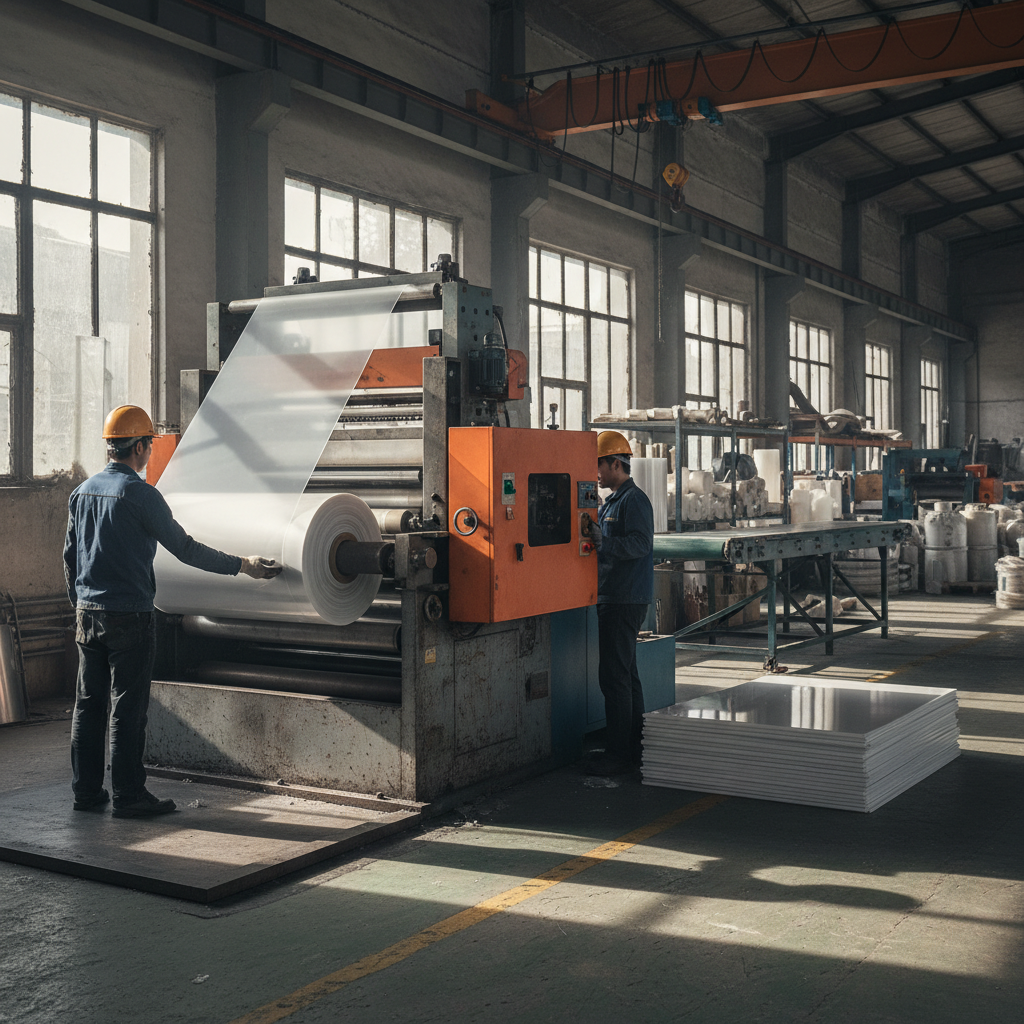
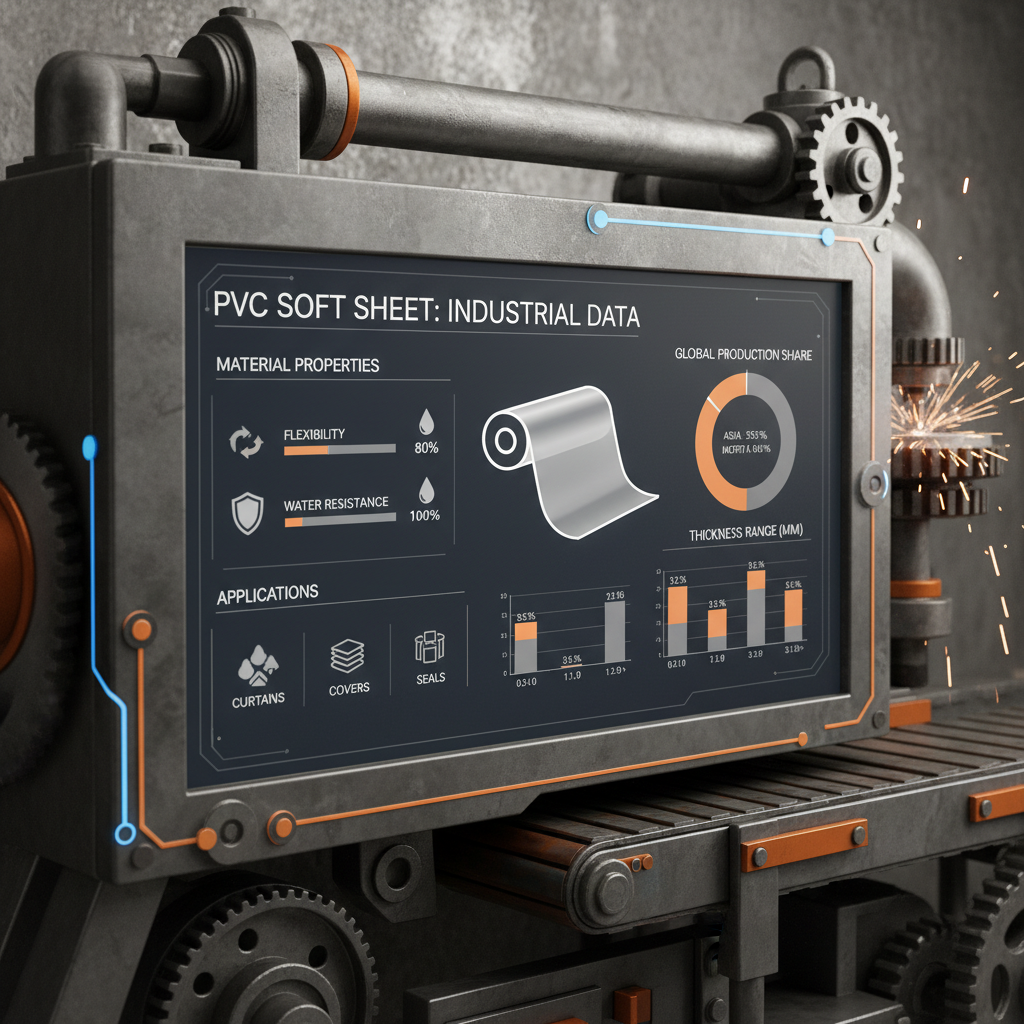
Exploring the Versatility and Global Impact of pvc soft sheet Materials

Introduction to pvc soft sheet

Exploring the Versatility and Global Impact of pvc soft sheet Materials

pvc soft sheet represents a significant advancement in polymer technology, offering a unique blend of flexibility and resilience. Its production involves incorporating plasticizers into polyvinyl chloride (PVC) resin, resulting in a material that can be easily formed, welded, and manipulated, making it suitable for a wide range of applications.

The versatility of pvc soft sheet stems from its ability to be customized to meet specific requirements, including varying degrees of flexibility, transparency, and chemical resistance. This adaptability has propelled its adoption across diverse sectors, establishing it as a key material in modern manufacturing and beyond.

Global Relevance and Industry Context

The global PVC industry is a multi-billion dollar market, with pvc soft sheet comprising a significant and growing segment. According to Statista, the global PVC market was valued at approximately $65 billion in 2023 and is projected to reach over $80 billion by 2028. This growth is driven by demand from construction, healthcare, automotive, and packaging sectors.

A key challenge facing the industry is the environmental impact of PVC production and disposal. The World Bank has identified microplastic pollution from PVC as a growing concern. However, advancements in recycling technologies and the development of bio-based plasticizers are mitigating these concerns.

International standards, such as those set by ISO, regulate the quality and safety of pvc soft sheet, ensuring consistency and reliability across global supply chains. Compliance with these standards is crucial for manufacturers exporting to international markets, fostering trust and facilitating trade.

Defining pvc soft sheet

pvc soft sheet, in its simplest form, is a flexible form of polyvinyl chloride (PVC) achieved by adding plasticizers. Unlike rigid PVC, which is commonly used in pipes and window frames, soft PVC exhibits high flexibility and pliability. This transformation is critical for a broad range of applications where adaptability is paramount.

The creation of pvc soft sheet is essential to modern industry. In healthcare, it provides sterile and flexible medical tubing, blood bags, and examination gloves. In construction, it's found in flooring, wall coverings, and cable insulation. Its inherent properties address critical needs within these sectors, offering solutions where traditional materials struggle.

Its connection to modern humanitarian needs is also significant. It’s used in creating durable shelters, water storage solutions, and protective clothing for disaster relief efforts. The material’s affordability, water resistance, and ease of sterilization make it a valuable asset in emergency situations, providing immediate support and improving living conditions.

Key Properties of pvc soft sheet

Durability is a hallmark of pvc soft sheet. It resists abrasion, tearing, and weathering, ensuring a long service life even in challenging environments. This longevity reduces the need for frequent replacements, contributing to cost savings and minimizing waste.

Chemical resistance makes pvc soft sheet ideal for applications involving contact with various substances. It's unaffected by many acids, alkalis, oils, and solvents, making it safe for use in chemical processing, healthcare, and food packaging.

pvc soft sheet Performance Metrics


Global Applications and Use Cases

In the healthcare sector, pvc soft sheet is crucial for manufacturing medical devices like intravenous (IV) bags, tubing, and blood bags. Its biocompatibility and sterilization capabilities make it essential for safe and effective patient care. Regions with developing healthcare systems, like parts of Asia and Africa, heavily rely on its affordability and reliability.

Construction is another key application area. pvc soft sheet finds use in roofing membranes, flooring materials, and wall coverings. Its waterproof nature and durability are invaluable for building weather-resistant and long-lasting structures. Increasing infrastructure projects in developing nations are driving demand for this application.

Advantages and Long-Term Value

Cost efficiency is a major benefit of pvc soft sheet. Compared to alternative materials like rubber or certain plastics, it offers a lower production cost, making it an attractive option for manufacturers. This affordability extends to end-users, enabling wider access to products made with it.

The sustainability of pvc soft sheet is improving through advancements in recycling and the development of bio-based plasticizers. While traditionally a challenge, innovations are enabling the recovery and reuse of PVC, reducing landfill waste and minimizing its environmental footprint. This is fostering a circular economy approach within the industry.

Future Trends and Innovations

The development of bio-based plasticizers is a key trend in pvc soft sheet production. These alternatives to traditional phthalate plasticizers are derived from renewable resources, reducing reliance on fossil fuels and improving the material’s environmental profile.

Digital transformation is impacting the manufacturing of pvc soft sheet, with advancements in automation and data analytics optimizing production processes, improving quality control, and reducing waste. Smart factories equipped with sensors and AI are becoming increasingly common.

Innovations in recycling technology are paving the way for closed-loop systems where pvc soft sheet waste is efficiently collected, processed, and repurposed into new products. This reduces environmental impact and promotes resource conservation, aligning with sustainability goals.

Analysis of Factors Influencing the Performance of pvc soft sheet

Plasticizer Type Temperature Range (°C) Flexibility Score (1-10) Cost per Kilogram ($)
DINP -30 to 80 8 1.20
DOTP -40 to 90 9 1.50
Phthalates (DEHP) -20 to 70 7 1.00
Citrate Esters -10 to 60 6 2.00
Bio-based Plasticizers -20 to 75 7.5 2.50
Trimellitates -40 to 120 6.5 1.80

FAQS

What are the key differences between rigid PVC and pvc soft sheet?

Rigid PVC, used for pipes, is unplasticized, providing strength and durability. pvc soft sheet, however, incorporates plasticizers to achieve flexibility. This allows it to be bent, folded, and molded, making it suitable for applications like medical tubing, flooring, and flexible packaging. The addition of plasticizers alters the material’s physical properties, making it softer and more pliable, but potentially less resistant to heat and some chemicals.

How does the type of plasticizer affect the properties of pvc soft sheet?

The choice of plasticizer significantly impacts the final properties of pvc soft sheet. Different plasticizers offer varying levels of flexibility, temperature resistance, and chemical compatibility. For example, phthalate plasticizers were historically common but are now facing scrutiny due to health concerns, leading to increased use of alternatives like DINP, DOTP, and bio-based options.

Is pvc soft sheet recyclable, and what are the challenges?

While pvc soft sheet is technically recyclable, it presents challenges due to the presence of plasticizers and potential contamination. Dedicated recycling facilities are required to separate PVC from other plastics and process it effectively. Ongoing research aims to improve recycling technologies and develop closed-loop systems where PVC waste is repurposed into new products.

What are the common applications of pvc soft sheet in the medical industry?

The medical industry extensively uses pvc soft sheet for manufacturing medical devices such as IV bags, blood bags, tubing, catheters, and examination gloves. Its flexibility, biocompatibility, and ability to be sterilized make it ideal for these applications. Strict regulatory standards ensure the safety and quality of PVC used in medical settings.

What is the environmental impact of producing pvc soft sheet?

The production of pvc soft sheet can have environmental impacts related to the use of fossil fuels, energy consumption, and the release of potentially harmful chemicals. However, advancements in production technologies, the use of renewable energy sources, and the development of bio-based plasticizers are helping to mitigate these concerns. Responsible manufacturing practices and effective waste management are crucial for minimizing environmental impact.

What are the cost considerations when choosing pvc soft sheet over other flexible materials?

pvc soft sheet generally offers a cost advantage over many alternative flexible materials like rubber or certain specialized plastics. Its lower production cost and wide availability make it an attractive option for manufacturers. However, the final cost can vary depending on the type of plasticizer used, the desired properties, and the volume of production.

Conclusion

In summary, pvc soft sheet is a remarkably versatile material with a broad spectrum of applications. From healthcare and construction to automotive and packaging, its flexibility, durability, and cost-effectiveness continue to drive its adoption globally. Understanding its properties, manufacturing processes, and environmental considerations is vital for harnessing its full potential.

Looking forward, innovations in bio-based plasticizers, recycling technologies, and digital manufacturing will further enhance the sustainability and performance of pvc soft sheet. Exploring these advancements is critical for ensuring its continued relevance in a world increasingly focused on circularity and environmental responsibility. To learn more about our pvc soft sheet products and solutions, visit our website today!


David Chen

David Chen

David Chen is the Regional Sales Manager for the Western US at Baoding Lida Plastic Industry Co., Ltd. He brings a decade of experience in industrial sales, with a proven track record of exceeding targets and developing new market opportunities. David’s expertise lies in understanding the needs of engineering and
Previous Exploring the Versatility and Future of PVC Glossy Sheet Materials
Next Exploring the Versatility and Applications of PVC Rigid Sheet Materials