PVC rigid rod, a versatile thermoplastic material, plays a critical role in a multitude of industries worldwide. Its durability, cost-effectiveness, and resistance to chemical corrosion make it an indispensable component in construction, plumbing, signage, and various manufacturing processes. Understanding the properties and applications of pvc rigid rod is essential for engineers, architects, and manufacturers seeking reliable and efficient material solutions.
The global demand for pvc rigid rod is driven by rapid urbanization, infrastructure development, and increasing awareness of sustainable building practices. According to a 2023 report by Transparency Market Research, the global PVC pipe market, where rigid rod is a crucial element, is projected to reach USD 74.8 billion by 2031. This growth underscores the importance of understanding the nuances of pvc rigid rod in meeting evolving industry needs.
The increasing need for robust and long-lasting materials in critical infrastructure, coupled with the advantages offered by pvc rigid rod – such as lightweight construction and ease of installation – are driving its adoption across various sectors. Addressing challenges related to material selection and performance is key to successful project outcomes.
What is pvc rigid rod?
pvc rigid rod is a solid, cylindrical extrusion made from polyvinyl chloride (PVC) resin. Unlike flexible PVC, rigid PVC contains no plasticizers, resulting in a firm, durable product suitable for a wide range of structural and non-structural applications. It’s commonly available in various diameters and lengths, catering to diverse project requirements.
The inherent strength and rigidity of pvc rigid rod make it an excellent alternative to traditional materials like metal or wood in many applications, offering advantages in terms of cost, weight, and corrosion resistance. Its consistent quality and ease of fabrication further enhance its appeal to manufacturers and end-users alike.
The Global Significance of pvc rigid rod
pvc rigid rod is a globally traded commodity, with significant production centers in Asia, Europe, and North America. China is the largest producer, accounting for over 60% of global PVC production. This widespread availability contributes to its affordability and accessibility for projects of all scales, from small-scale DIY applications to large-scale industrial constructions.
Its adaptability to varying climate conditions and regulatory standards enhances its global appeal. The material’s inherent resistance to UV degradation, when properly formulated, makes it suitable for outdoor applications in diverse geographic locations. Strict adherence to international quality standards, such as ISO 9001, ensures consistent product performance and reliability worldwide.
The rising demand in emerging economies, driven by infrastructure investments and growing industrial sectors, positions pvc rigid rod as a critical component in future development projects. Its contribution to sustainable construction practices, due to its recyclability and long service life, further solidifies its long-term significance.
Defining pvc rigid rod: Composition and Characteristics
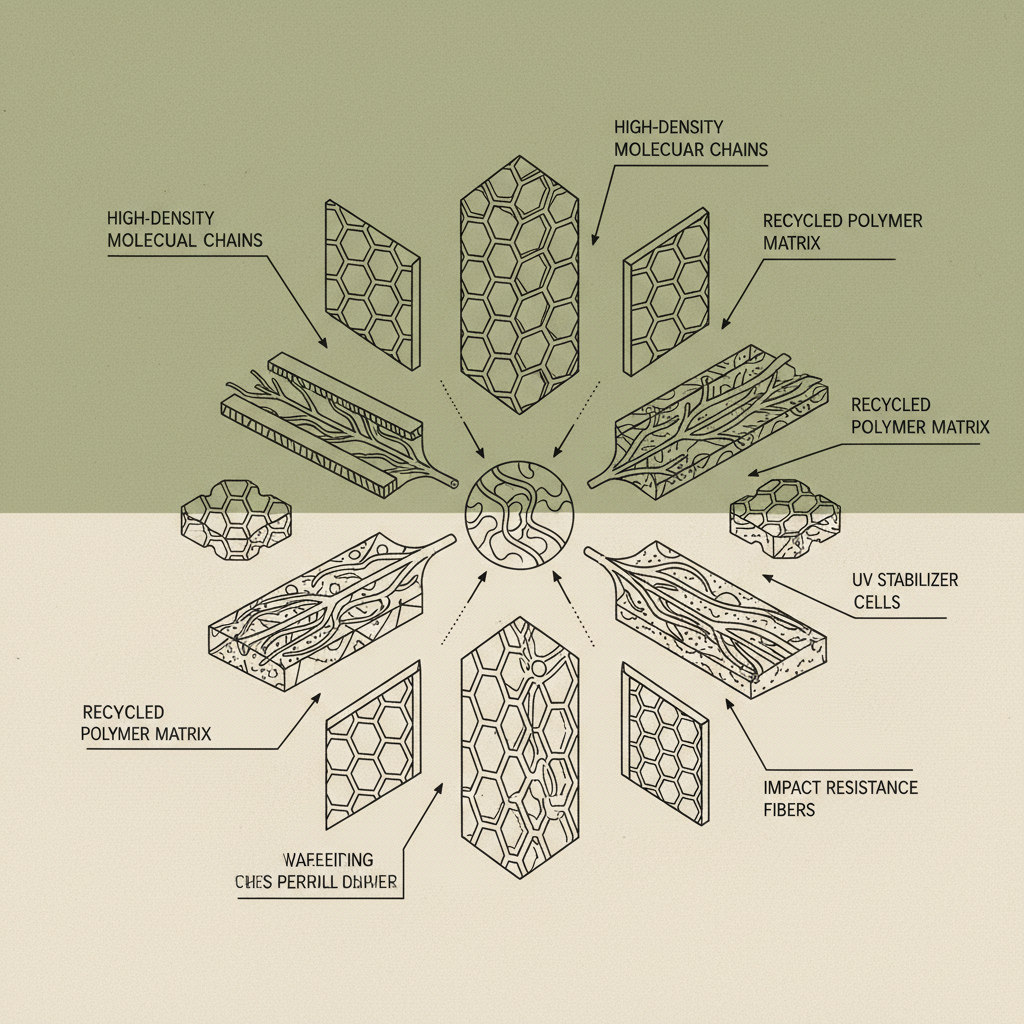
pvc rigid rod is primarily composed of PVC resin, typically combined with additives such as stabilizers, lubricants, and impact modifiers to enhance its properties. The absence of plasticizers is the defining characteristic that distinguishes it from flexible PVC. The specific formulation can be tailored to meet particular application requirements.
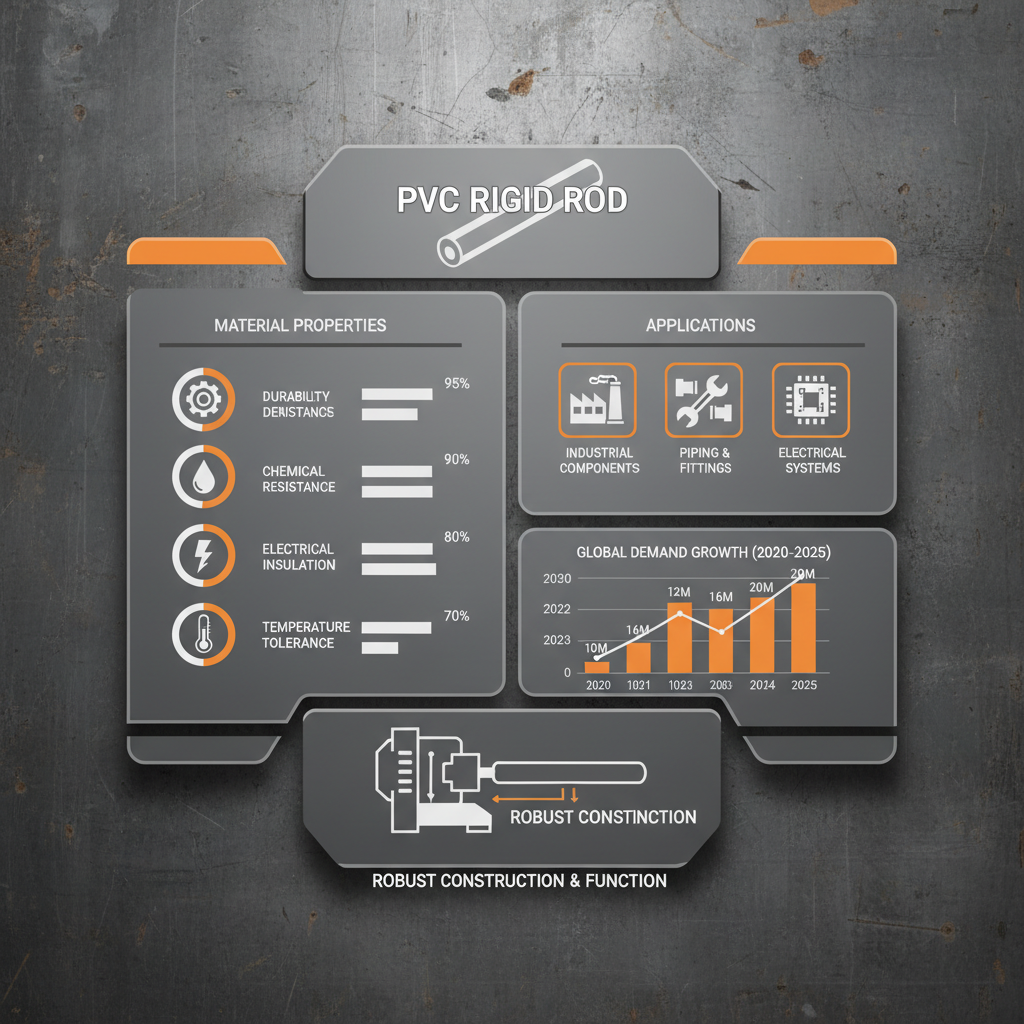
Key characteristics of pvc rigid rod include high tensile strength, excellent chemical resistance (to acids, bases, and salts), non-conductivity, and inherent flame retardancy. It boasts a low moisture absorption rate, ensuring dimensional stability over time. These attributes make it ideally suited for demanding environments.
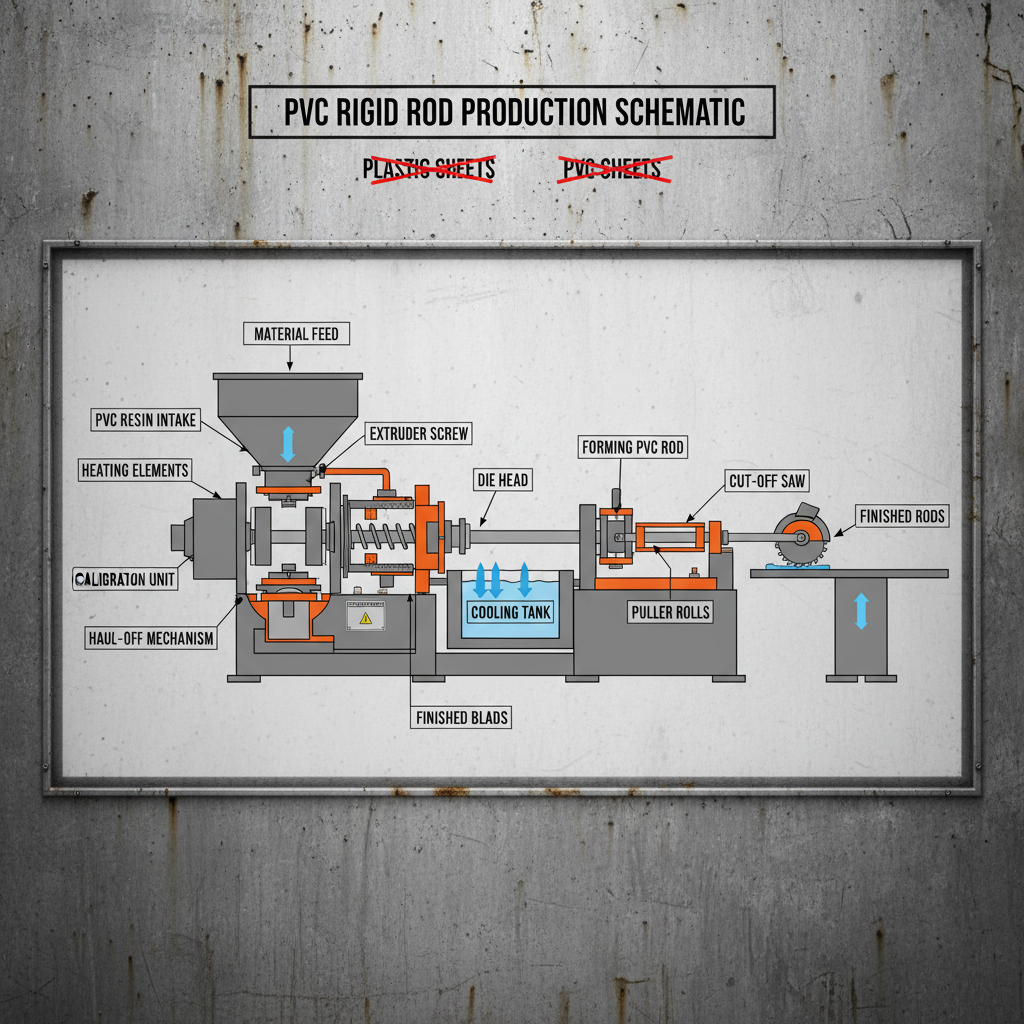
The manufacturing process typically involves extrusion, where molten PVC compound is forced through a die to create the desired rod shape. Quality control measures throughout the process ensure consistent diameter, surface finish, and mechanical properties. This consistency is vital for predictable performance in downstream applications.
Key Properties of pvc rigid rod
The outstanding properties of pvc rigid rod are central to its widespread use. Its high tensile strength provides robust structural support, while its chemical resistance protects against corrosion and degradation in harsh environments.
Beyond these core strengths, pvc rigid rod exhibits excellent electrical insulation properties, making it suitable for electrical conduit and safety barriers. Its low thermal conductivity also contributes to its use in applications requiring temperature control.
Comparative Property Analysis of Different pvc rigid rod Manufacturing Methods
Applications Across Industries
The versatility of pvc rigid rod lends itself to a broad spectrum of applications. In the construction industry, it’s widely used for window and door profiles, drainage systems, and structural components. Its durability and weather resistance make it ideal for outdoor applications.
The signage industry benefits from its ease of fabrication and ability to hold vibrant colors. It's used for creating durable and eye-catching displays and promotional materials. Additionally, it finds applications in chemical processing plants for creating corrosion-resistant piping and equipment.
Advantages and Long-Term Value Proposition
The cost-effectiveness of pvc rigid rod is a significant advantage. Compared to alternative materials like metal or wood, it offers a lower upfront cost without compromising on performance. This makes it an attractive option for budget-conscious projects.
Its long service life, minimal maintenance requirements, and recyclability contribute to its overall sustainability. By choosing pvc rigid rod, businesses and consumers can reduce their environmental impact and contribute to a circular economy. This long-term value proposition adds to its appeal.
Future Trends and Innovations in pvc rigid rod
Ongoing research and development efforts are focused on enhancing the properties of pvc rigid rod, including improving its impact resistance, UV stability, and flame retardancy. Bio-based PVC formulations, utilizing renewable resources, are gaining traction as a sustainable alternative to traditional PVC.
The integration of nanotechnology is being explored to create pvc rigid rod with enhanced mechanical properties and barrier performance. Furthermore, advancements in recycling technologies are paving the way for closed-loop systems, minimizing waste and maximizing resource utilization.
Digitalization is also playing a role, with automated manufacturing processes and data-driven quality control ensuring consistent product quality and optimized production efficiency. The adoption of Industry 4.0 principles will further streamline the production and application of pvc rigid rod.
FAQS
The lifespan of structures built with pvc rigid rod depends on environmental factors and the specific application. However, with proper installation and maintenance, pvc rigid rod structures can easily last for 50 years or more, making it a durable and long-term investment. Regular inspections and occasional cleaning are recommended to maximize longevity.
While PVC has faced environmental concerns in the past, modern pvc rigid rod is increasingly being produced with sustainable practices. PVC is recyclable, reducing landfill waste, and advancements in bio-based PVC formulations offer a renewable alternative. Furthermore, its durability and long lifespan minimize the need for frequent replacements.
pvc rigid rod offers superior corrosion resistance compared to many metals, particularly in harsh chemical environments. Unlike metals that rust or corrode, pvc rigid rod remains unaffected by acids, bases, and salts, making it ideal for applications in chemical processing, marine environments, and wastewater treatment.
pvc rigid rod is inherently flame retardant due to its chlorine content. While it will burn under specific conditions, it self-extinguishes once the flame source is removed, limiting the spread of fire. Formulations can also be modified with fire retardant additives to further enhance its fire safety performance.
Yes, pvc rigid rod can be painted or coated, but proper surface preparation is crucial. Cleaning and applying a PVC primer will ensure optimal adhesion of paints and coatings. Choose paints specifically designed for plastics to avoid cracking or peeling over time. UV-resistant coatings can further enhance its weatherability.
Common joining methods include solvent welding, mechanical fastening (screws, bolts), and thermal welding. Solvent welding creates a strong, permanent bond, while mechanical fastening allows for disassembly if needed. Thermal welding is often used for larger-scale projects requiring seamless joints. The appropriate method depends on the specific application.
Conclusion
In conclusion, pvc rigid rod stands as a remarkably versatile and valuable material across a wide range of industries. Its combination of durability, cost-effectiveness, chemical resistance, and ease of fabrication makes it an ideal choice for countless applications, from construction and infrastructure to signage and chemical processing. Understanding its properties and emerging trends is essential for making informed material selection decisions.
Looking ahead, continued innovation in materials science and manufacturing processes will further enhance the performance and sustainability of pvc rigid rod. By embracing eco-friendly formulations, advanced recycling technologies, and digitalization, we can unlock its full potential and contribute to a more sustainable and resilient future. To explore our comprehensive range of pvc rigid rod solutions and discuss your specific project needs, visit our website: https://www.lidaplastic.com.