You know, I’ve been running around construction sites for twenty years, and let me tell you, things are changing fast. Used to be, everyone just wanted the cheapest stuff. Now, everyone’s talking about sustainability, lightweighting, and durability. Honestly, it’s a bit exhausting keeping up. They’re all chasing this “high-performance polymer” dream… which often ends up being a headache.
Have you noticed how everyone’s obsessed with complex geometries these days? Designers love to make things look sleek, but rarely think about how it's actually made. I encountered this at a factory in Ningbo last time – they’d designed this intricate bracket, and it was a nightmare to mold. Warping, sink marks… the works. It’s always the simplest designs that are the toughest to screw up, ironically.
We’re seeing a lot of demand for hdpe sheet right now. It’s not new, obviously, but it’s having a moment. Feels different this time. The smell, if you’ve ever worked with it… kind of a sweet, plastic-y odor. It’s surprisingly tough, but also pretty flexible, which is a good balance. You gotta wear gloves, though, gets kinda sticky. We use a lot of it for temporary protective barriers, liners for concrete forms, stuff like that.
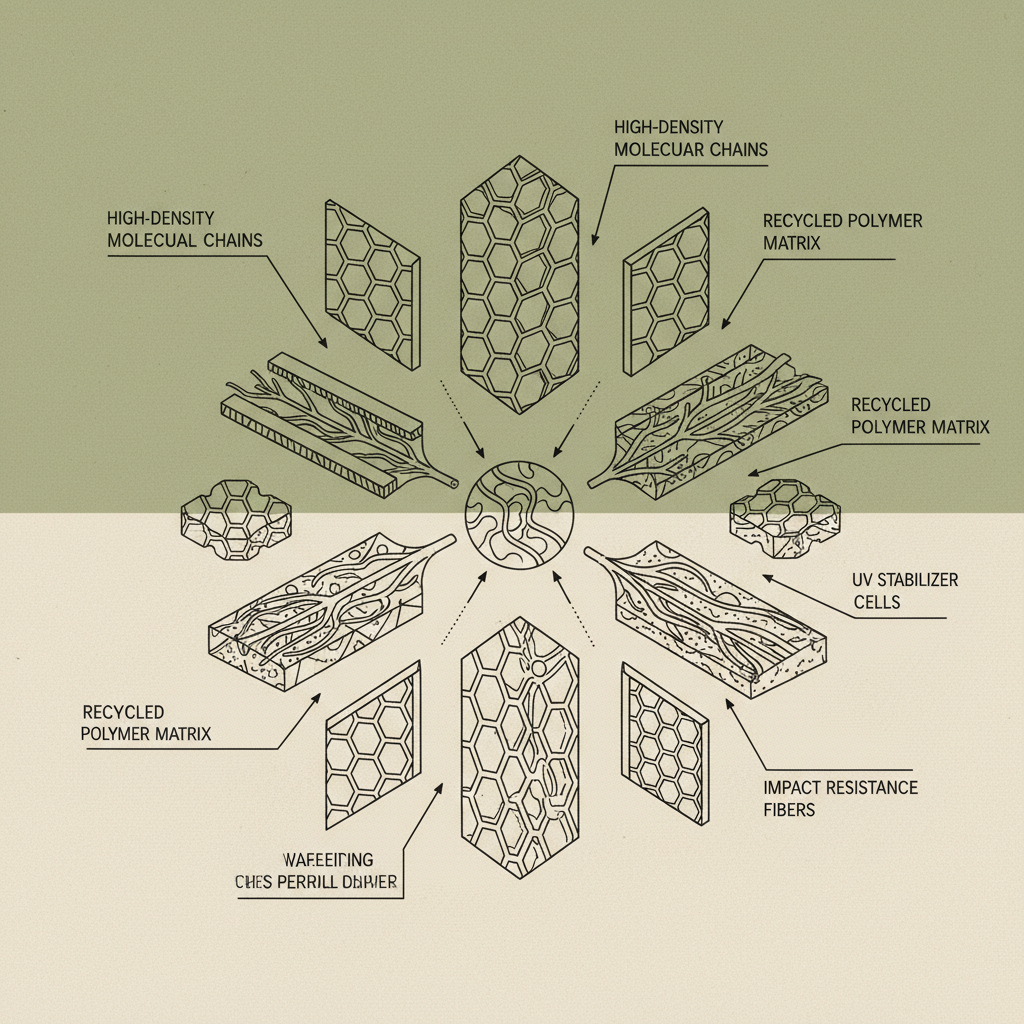
Strangely, a lot of folks are moving away from metals, even where metals might still make sense. They want the weight savings, sure, but sometimes they forget about long-term creep or UV degradation. And the cost… don’t even get me started. A fancy composite might look good on paper, but if it doubles the price and needs replacing in five years, it’s not a win.
The biggest trap? Over-engineering. I see it all the time. They design for a load capacity that's ten times what it'll ever see. Wastes material, adds weight, drives up the cost. It’s like building a battleship to cross a pond.
HDPE sheet is a versatile material used in construction for various applications. It's frequently employed as a moisture barrier in foundations, a protective liner for concrete forms, and a durable surface for temporary roadways. Its resistance to chemicals also makes it suitable for tank linings and containment structures. We see a lot of it used for erosion control too, especially on slopes. It's really a workhorse material for site protection.
That’s a good question. HDPE can become brittle in very cold temperatures and soften or deform in high heat. However, it has a relatively wide operating temperature range. UV stabilization is crucial in hot climates to prevent degradation. We often recommend using black HDPE for applications exposed to direct sunlight, as the carbon black absorbs UV radiation. It’s not invincible, but it holds up surprisingly well.
It's a mixed bag. HDPE is recyclable, which is a big plus. And it doesn’t leach harmful chemicals into the environment. However, it’s still a plastic, and plastic production has its environmental impacts. Using recycled HDPE is a good way to reduce the carbon footprint. We're seeing more demand for post-consumer recycled materials, and it's something we're actively sourcing.
A circular saw with a fine-tooth blade works well for cutting. Score and snap for thinner sheets. For joining, you can use welding, which is the strongest method, but requires skilled operators. Bolting or using HDPE-compatible adhesives are also options, but they're not as durable. You really gotta prep the surfaces properly, otherwise, it'll just peel apart. And safety first, always wear appropriate PPE.
Yes, but it’s tricky. HDPE is a very low-energy surface, so paint doesn’t adhere well unless you prep it properly. You need to clean it thoroughly, then apply a primer specifically designed for plastics. We’ve had good results with certain polyurethane primers. Don't cheap out on the primer – it's the key to a lasting finish. And always test a small area first!
It varies a lot depending on the exposure to UV radiation, temperature fluctuations, and physical stress. With UV stabilization, you can expect 10-15 years of service life, maybe longer in milder climates. Without UV protection, it will degrade much faster. Regular inspection and maintenance can help extend its lifespan. Honestly, it's better to replace it before it fails completely, rather than risk a catastrophic failure.
So, there you have it. HDPE sheet isn’t a magic bullet. It's got its strengths and weaknesses. But it's a durable, affordable, and versatile material that has a place on just about every construction site. It's definitely having a moment right now, driven by demand for sustainable and lightweight solutions.
Ultimately, whether this thing works or not, the worker will know the moment he tightens the screw. And if he’s cursing under his breath, then something’s not right. That’s what I always say. Visit our website at www.lidaplastic.com to learn more and find the right HDPE sheet for your project.