0%

Table of Contents

PVC embossed sheet is a versatile material gaining prominence across diverse industries globally. Its unique combination of durability, aesthetic appeal, and cost-effectiveness makes it a preferred choice for applications ranging from interior design and furniture to packaging and construction. Understanding the nuances of pvc embossed sheet – its manufacturing processes, properties, and potential – is crucial for businesses and individuals alike seeking innovative and reliable material solutions.

The global demand for pvc embossed sheet is experiencing steady growth, driven by factors such as increasing urbanization, rising disposable incomes, and a growing preference for aesthetically pleasing and functional products. According to industry reports, the Asia-Pacific region currently represents the largest market for pvc embossed sheet, followed by Europe and North America. This demand underscores the material's adaptability and relevance in a rapidly changing world.

Addressing the need for durable, cost-effective, and visually appealing materials, pvc embossed sheet presents a compelling solution for various challenges. From providing protective and attractive packaging to creating long-lasting and stylish interior finishes, this material plays a vital role in enhancing product quality and consumer experiences. Its increasing adoption highlights its significance in modern manufacturing and design.
Exploring the Versatility and Growth of PVC Embossed Sheet Applications

Introduction to pvc embossed sheet

Exploring the Versatility and Growth of PVC Embossed Sheet Applications

pvc embossed sheet offers a unique aesthetic and functional value. The embossing process, applied to a durable PVC base, creates raised patterns and textures, significantly enhancing its visual appeal and tactile qualities. This makes it a superior choice for applications where appearance matters, such as furniture coverings, wall panels, and decorative films.

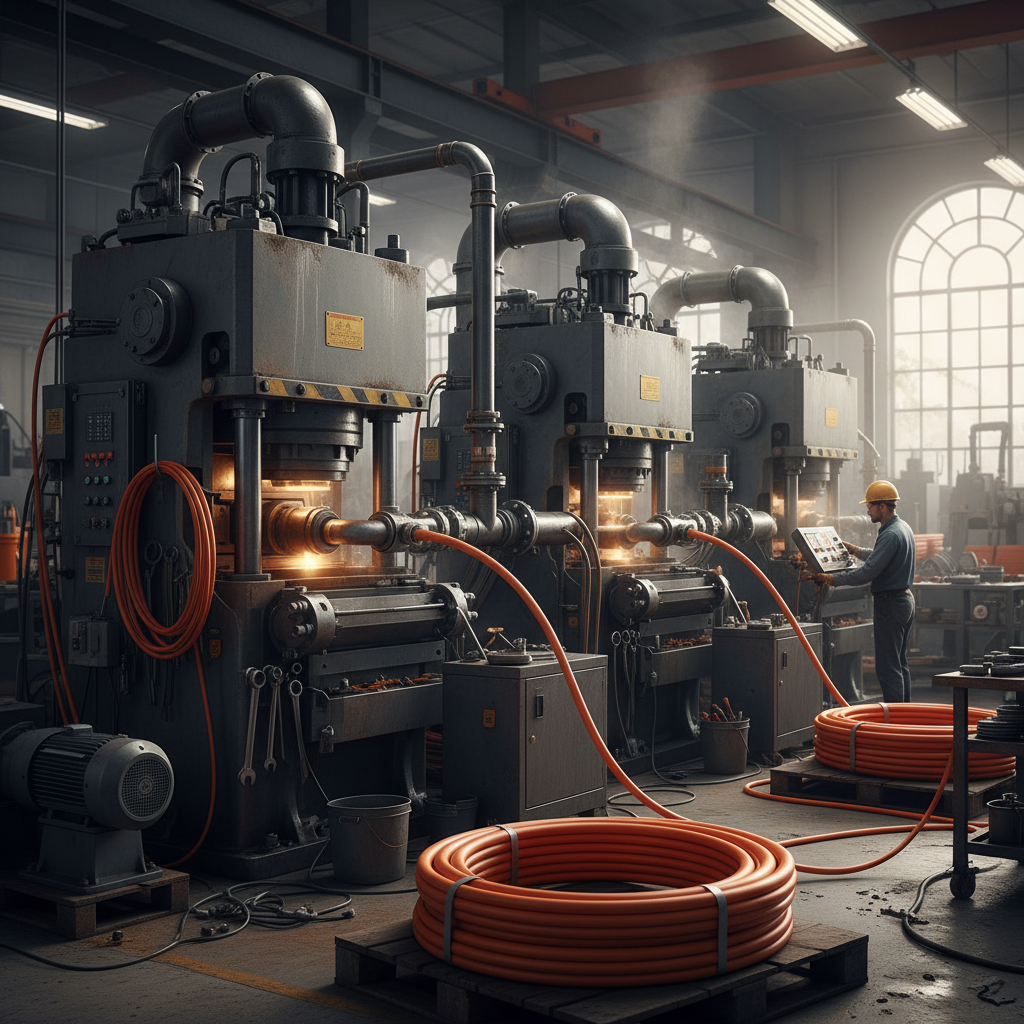
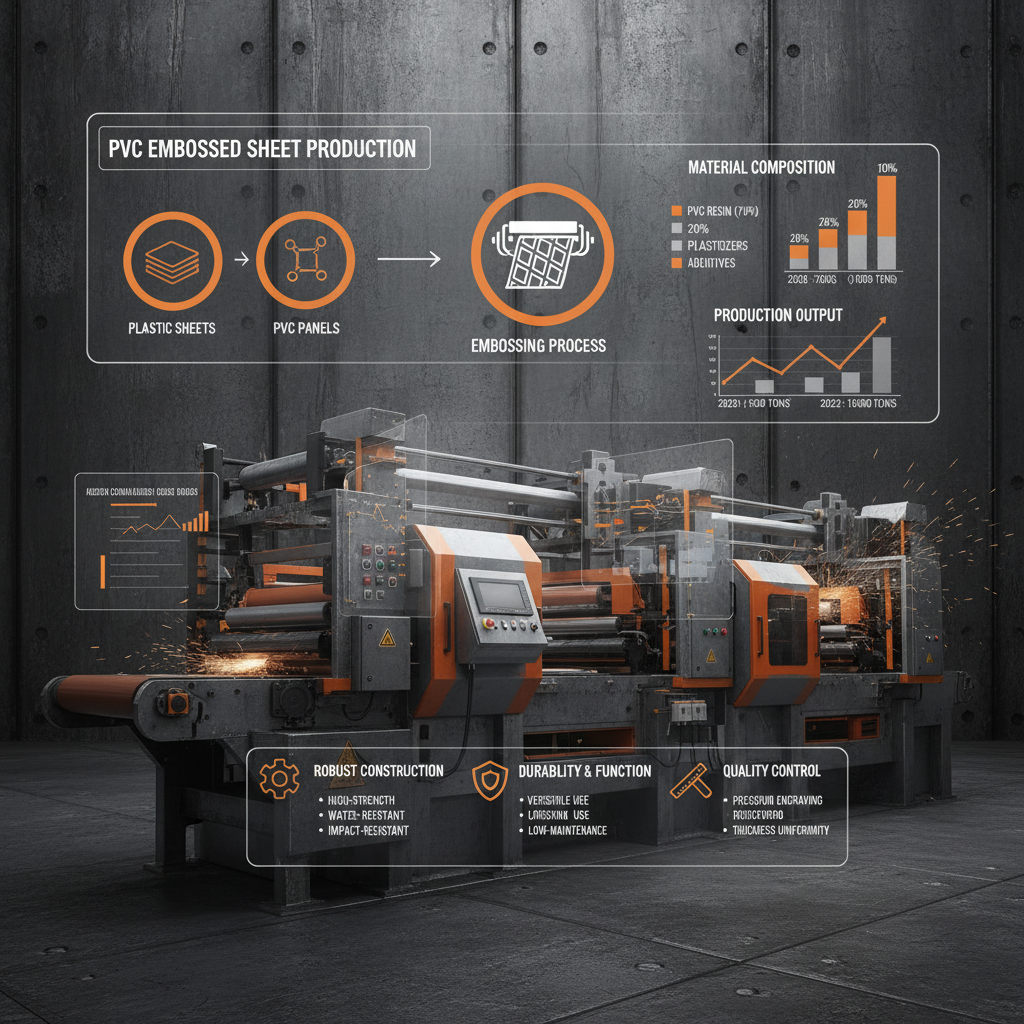
The production of pvc embossed sheet involves sophisticated techniques, ensuring consistent quality and precise pattern reproduction. Manufacturers utilize various embossing methods, including calender embossing and heat-transfer embossing, to achieve diverse textures and designs. This flexibility allows for tailored solutions to meet specific customer requirements and industry standards.

Defining pvc Embossed Sheet

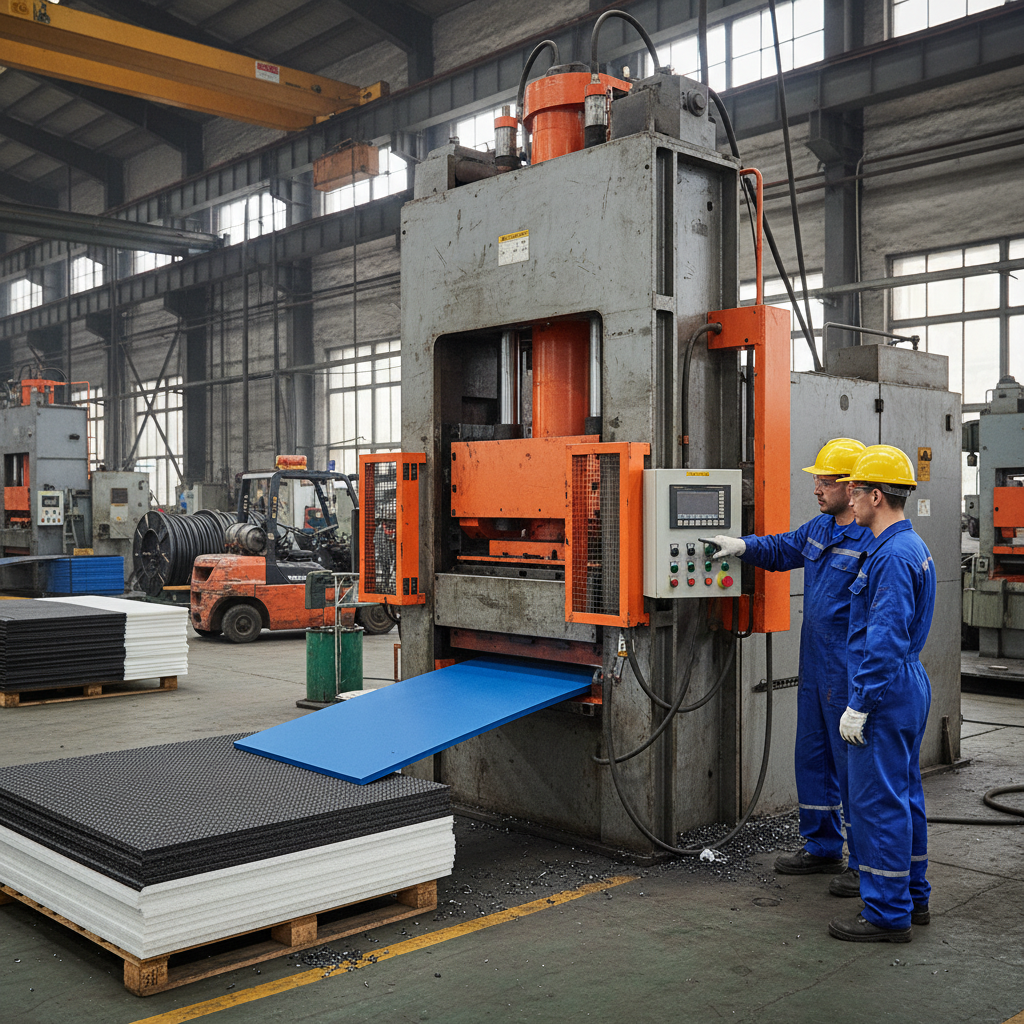
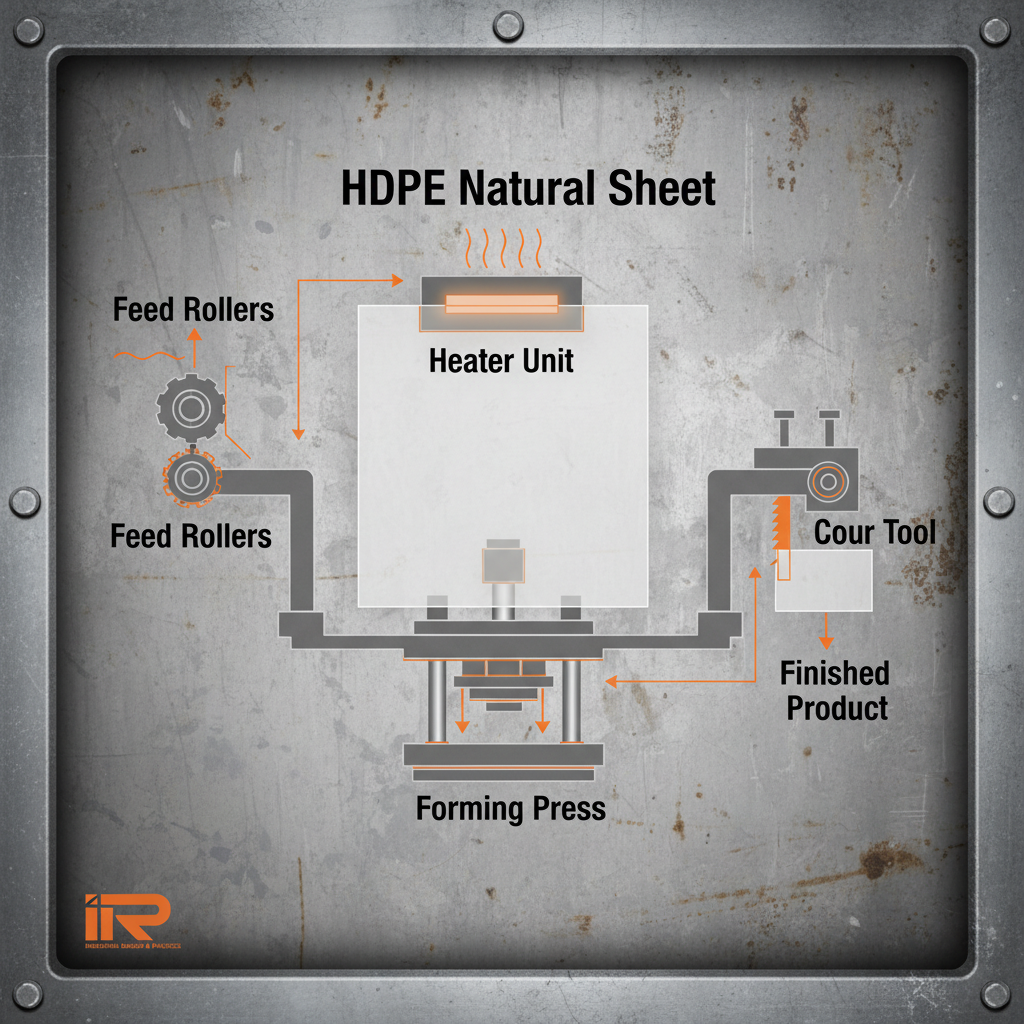
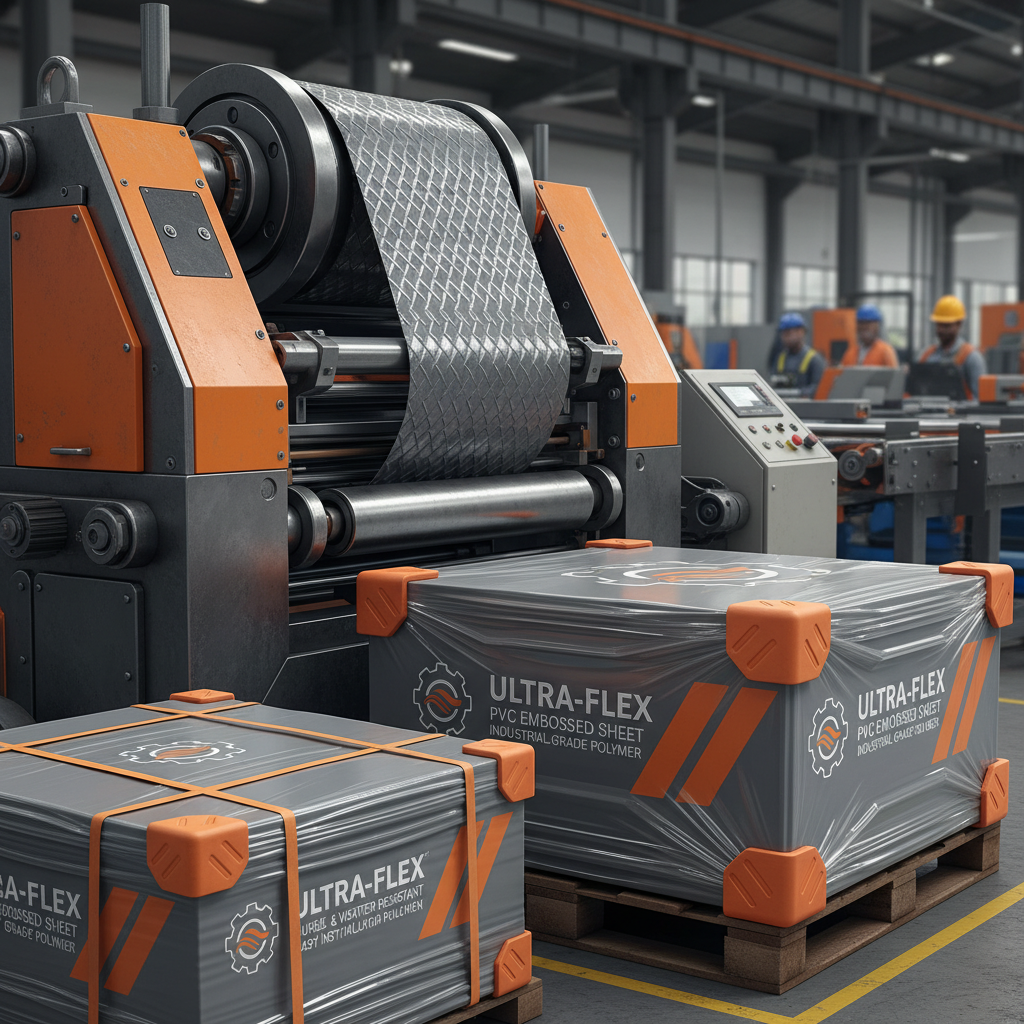
Simply put, pvc embossed sheet is a polyvinyl chloride (PVC) material that has been processed to create a raised pattern or design on its surface. This is achieved through an embossing process where the PVC is passed between heated rollers with engraved patterns. This gives the sheet a three-dimensional texture, increasing both its aesthetic appeal and its functionality.

In the context of modern industry, pvc embossed sheet serves as a vital component in numerous sectors. It moves beyond simple plastic functionality, offering an affordable alternative to materials like leather, wood, or metal in applications where weight, cost, and durability are key considerations.

The humanitarian applications are growing, too. pvc embossed sheet can be utilized in creating durable and hygienic surfaces for temporary shelters and medical facilities, offering a practical solution in challenging environments. Its ease of cleaning and resistance to moisture make it ideal for these purposes.

Key Properties of pvc embossed sheet

One of the most significant properties of pvc embossed sheet is its exceptional durability. PVC itself is a robust material, known for its resistance to wear and tear, chemicals, and weathering. The embossing process does not compromise this durability; rather, it can enhance it by adding rigidity and impact resistance.

Cost-efficiency is another critical advantage. Compared to alternative materials offering similar aesthetic qualities – such as genuine leather or intricately carved wood – pvc embossed sheet provides a significantly more affordable solution. This makes it accessible to a wider range of applications and budget constraints.

Furthermore, pvc embossed sheet demonstrates excellent versatility. It can be easily cut, formed, and bonded, allowing for customized shapes and designs. This adaptability extends to printing and coating options, further expanding its application possibilities.

Applications Across Industries

The furniture industry is a major consumer of pvc embossed sheet, utilizing it for upholstery, cabinet surfaces, and decorative accents. Its ability to mimic the look and feel of more expensive materials makes it a popular choice for both residential and commercial furniture.

In the construction sector, pvc embossed sheet is employed for wall coverings, flooring, and decorative panels. Its moisture resistance and durability make it particularly suitable for bathrooms, kitchens, and other areas exposed to high humidity.

Market Share of pvc embossed sheet Applications


Advantages and Long-Term Value

The most immediate benefit of using pvc embossed sheet is cost savings. Manufacturers and consumers alike benefit from the reduced material costs compared to alternatives, without sacrificing aesthetic appeal or functionality.

Beyond economics, the longevity and low maintenance requirements contribute to long-term value. pvc embossed sheet is resistant to fading, staining, and cracking, minimizing the need for frequent replacements and reducing lifecycle costs.

Future Trends in pvc embossed sheet

One emerging trend is the development of bio-based PVC formulations, offering a more sustainable alternative to traditional PVC. These bio-based materials reduce reliance on fossil fuels and minimize the environmental impact of production.

Digital printing technologies are also transforming the pvc embossed sheet industry. These technologies enable the creation of highly customized designs and intricate patterns, opening up new possibilities for personalization and branding.

Automation in the embossing process is another key development. Automated systems improve efficiency, reduce production costs, and ensure consistent quality. This aligns with the broader trend of Industry 4.0 and smart manufacturing.

Challenges and Sustainable Solutions

A primary challenge facing the pvc embossed sheet industry is the environmental impact of PVC production and disposal. Traditional PVC relies on fossil fuels and can release harmful chemicals during manufacturing and incineration.

However, innovative solutions are emerging. Recycling programs for PVC are becoming more widespread, diverting waste from landfills and reducing the demand for virgin materials. Development of biodegradable additives can also help to minimize the environmental impact of end-of-life disposal.

Furthermore, research into alternative plasticizers – replacing phthalates with more environmentally friendly options – is crucial for ensuring the long-term sustainability of pvc embossed sheet.

Summary of Challenges and Sustainable Solutions for pvc embossed sheet

Challenge Area Severity (1-10) Proposed Solution Implementation Cost (1-10)
Fossil Fuel Dependence 8 Bio-based PVC formulations 7
Waste Disposal 9 Enhanced PVC recycling infrastructure 6
Harmful Plasticizers 7 Development of non-phthalate plasticizers 5
Energy Consumption 6 Optimized manufacturing processes 4
Limited Biodegradability 8 Biodegradable additives research 8
Consumer Awareness 5 Educational campaigns on sustainable PVC 3

FAQS

What are the primary applications of pvc embossed sheet in the furniture industry?

Pvc embossed sheet is widely used in furniture manufacturing for covering surfaces like tabletops, cabinet doors, and chair backs. It provides a durable, aesthetically pleasing, and cost-effective alternative to materials like wood veneer or genuine leather. Its embossed texture adds a decorative element, and it's easy to clean and maintain, making it ideal for both residential and commercial furniture applications.

How does the embossing process affect the durability of pvc sheet?

The embossing process generally enhances the durability of pvc sheet. By creating a raised pattern, it adds rigidity and impact resistance. This makes the sheet less prone to scratches, dents, and wear and tear. The embossing rollers also compress the PVC, increasing its density and overall strength. The final product is therefore more robust than a plain pvc sheet.

Is pvc embossed sheet a sustainable material option?

Historically, PVC has faced sustainability concerns due to its reliance on fossil fuels and disposal challenges. However, advancements are being made. Bio-based PVC formulations, increased recycling rates, and the development of non-phthalate plasticizers are improving the sustainability profile of pvc embossed sheet. While not fully biodegradable, responsible sourcing and end-of-life management are key.

What are the common methods used for embossing PVC sheet?

The two most common methods are calender embossing and heat-transfer embossing. Calender embossing involves passing the PVC sheet through rollers with engraved patterns under heat and pressure. Heat-transfer embossing uses a foil with the desired pattern, transferring it onto the PVC sheet using heat and pressure. Each method offers different levels of detail and cost-effectiveness.

How does the cost of pvc embossed sheet compare to other similar materials like leather or wood?

Pvc embossed sheet is significantly more cost-effective than genuine leather or solid wood. Leather is a natural product with high material and processing costs. Solid wood, particularly hardwoods, can be expensive and requires careful maintenance. pvc embossed sheet provides a similar aesthetic appearance at a fraction of the price, making it an attractive alternative for budget-conscious consumers and manufacturers.

Can pvc embossed sheet be customized with different colors and patterns?

Absolutely! pvc embossed sheet is highly customizable. It can be produced in a wide range of colors, and the embossing patterns can be tailored to specific designs. Digital printing technologies allow for even more complex and intricate patterns to be applied, offering endless possibilities for personalization and branding.

Conclusion

In conclusion, pvc embossed sheet is a versatile, cost-effective, and durable material that is transforming industries from furniture and construction to packaging and healthcare. Its combination of aesthetic appeal, practical functionality, and increasing sustainability makes it a compelling solution for a wide range of applications. Understanding its properties, applications, and future trends is essential for businesses and individuals seeking innovative material solutions.

Looking ahead, the continued development of bio-based PVC formulations, enhanced recycling programs, and advancements in manufacturing technologies will further solidify the position of pvc embossed sheet as a sustainable and valuable material. By embracing these innovations, we can unlock the full potential of this remarkable material and contribute to a more efficient and environmentally responsible future. Visit our website at www.lidaplastic.com to learn more.


David Chen

David Chen

David Chen is the Regional Sales Manager for the Western US at Baoding Lida Plastic Industry Co., Ltd. He brings a decade of experience in industrial sales, with a proven track record of exceeding targets and developing new market opportunities. David’s expertise lies in understanding the needs of engineering and
Previous Exploring the Versatility and Benefits of PVC UV Sheet for Diverse Industries
Next Exploring the Versatility and Growth of pvc matt sheet in Modern Industries