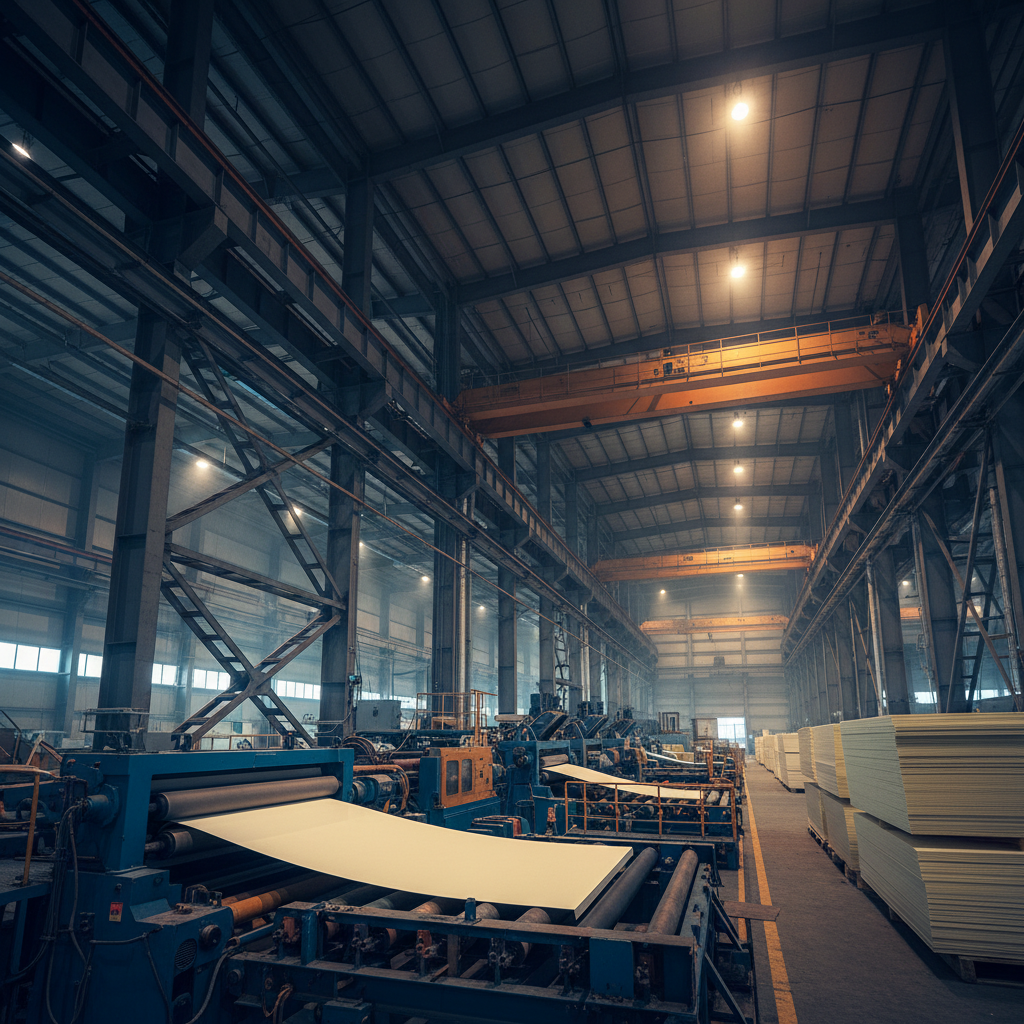
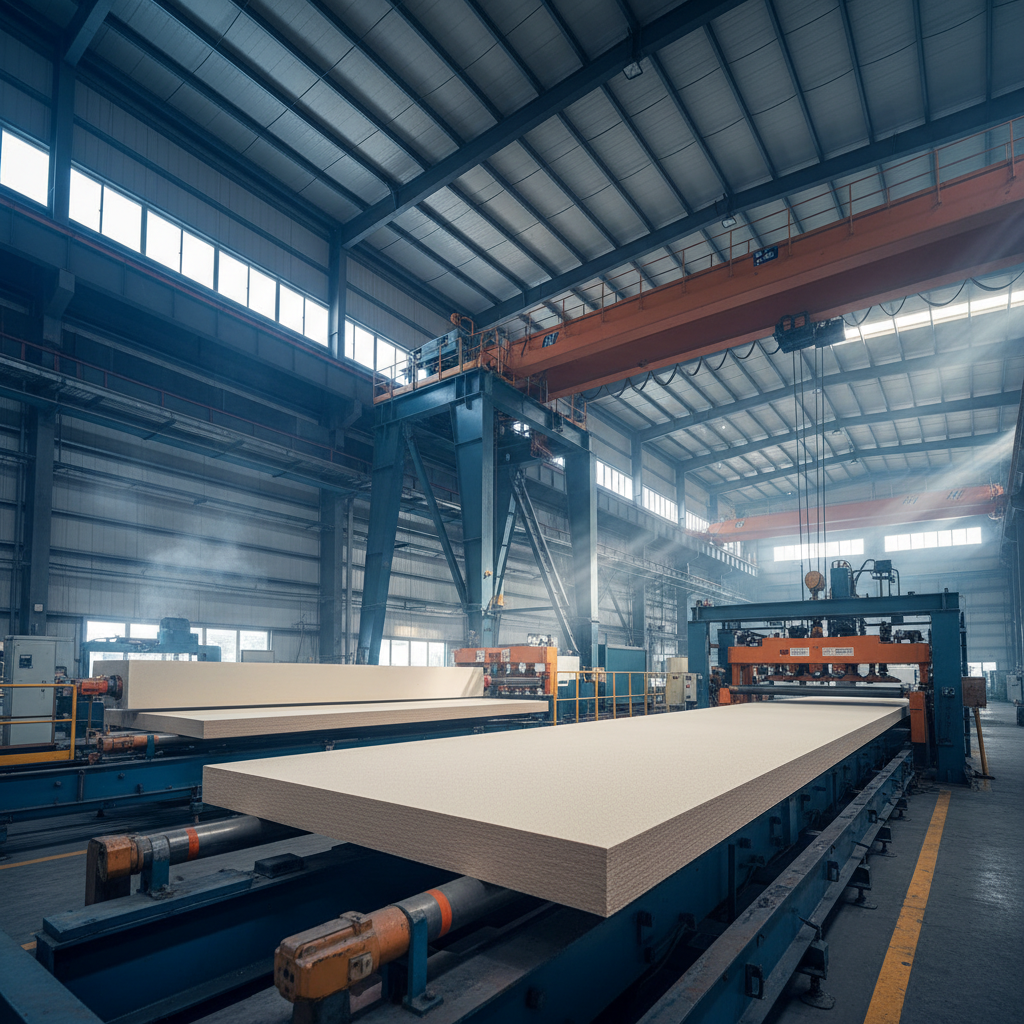
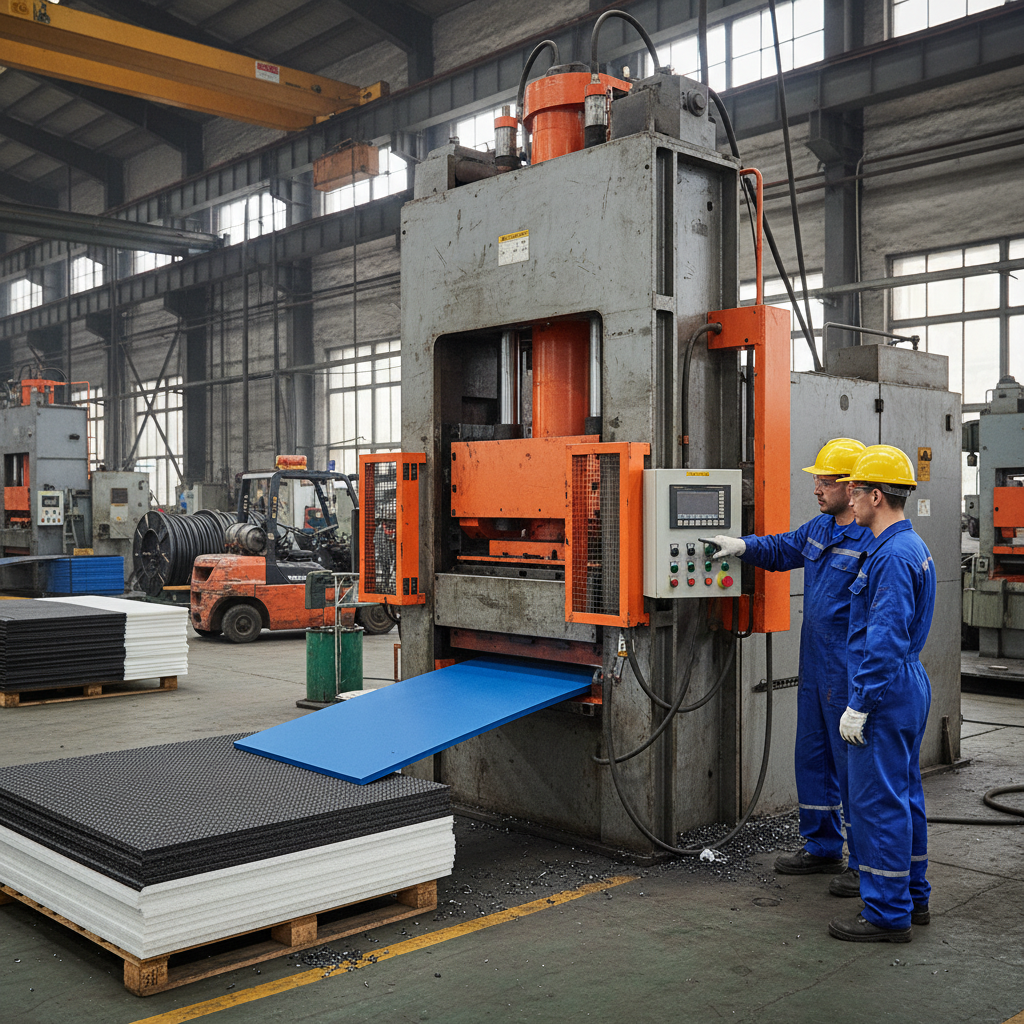
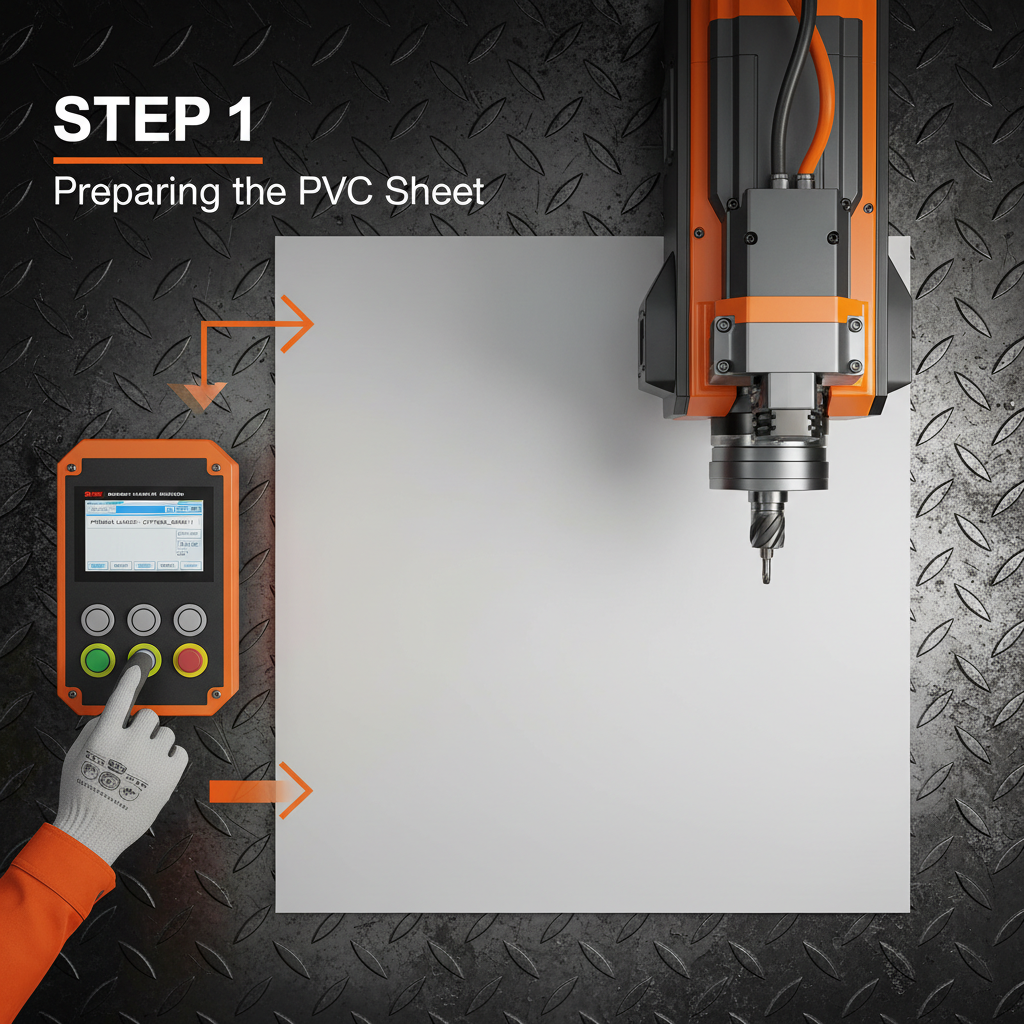
Cpvc board represents a significant advancement in modern construction and industrial materials, offering a robust and versatile alternative to traditional materials like metal and wood. Its inherent properties, including corrosion resistance, high strength, and ease of installation, are driving its adoption across a wide range of applications globally. Understanding the capabilities of cpvc board is crucial for architects, engineers, and manufacturers seeking innovative and sustainable solutions.
The increasing demand for durable, low-maintenance, and cost-effective materials is fueling the growth of the cpvc board market. From chemical processing plants and water treatment facilities to residential construction and agricultural applications, this material is proving its value in demanding environments. The global shift toward infrastructure development and industrialization further accentuates the importance of materials like cpvc board.
This guide provides a comprehensive overview of cpvc board, exploring its key characteristics, applications, advantages, future trends, and potential challenges. We aim to equip readers with the knowledge necessary to make informed decisions about incorporating cpvc board into their projects and to appreciate its long-term benefits.
Introduction to cpvc board
Cpvc board is a thermoplastic material known for its exceptional resistance to a broad range of chemicals, high temperatures, and corrosive environments. It’s manufactured through the chlorination of polyvinyl chloride (PVC), enhancing its thermal stability and making it suitable for demanding applications where standard PVC would fail. cpvc board stands out as a solution for industries requiring reliable and long-lasting materials.
Its versatility extends beyond industrial uses, finding applications in residential and commercial construction, particularly in plumbing and fire sprinkler systems. The combination of durability, ease of installation, and cost-effectiveness makes cpvc board an increasingly popular choice for engineers and builders looking for efficient and sustainable solutions.
Defining cpvc board and Its Relevance
Cpvc board, or chlorinated polyvinyl chloride board, is a rigid thermoplastic produced by chlorinating PVC resin. This chlorination process increases the chlorine content, raising the glass transition temperature and significantly improving its heat resistance and chemical stability. This alteration in the molecular structure transforms PVC into a material capable of withstanding higher temperatures and more aggressive chemicals.
The relevance of cpvc board stems from the growing need for robust materials in industries handling corrosive fluids and high-temperature processes. Applications in chemical processing, water purification, and industrial waste management demand materials that won't degrade or leach contaminants. Cpvc board provides a safe and reliable solution, reducing maintenance costs and extending the lifespan of critical infrastructure.
Its role extends beyond purely industrial applications. Cpvc board is integral to modern plumbing systems, offering a quieter and more corrosion-resistant alternative to traditional metal piping. As global infrastructure ages and the demand for safer, more sustainable materials increases, cpvc board is poised to play an even more significant role in building and maintaining resilient communities.
Core Properties of cpvc board
One of the most defining characteristics of cpvc board is its exceptional chemical resistance. It’s capable of withstanding a wide array of acids, bases, salts, and organic compounds without significant degradation. This property makes it ideal for use in chemical processing plants, laboratories, and water treatment facilities where exposure to corrosive substances is commonplace. cpvc board excels where other materials fail.
The high-temperature resistance of cpvc board is another key benefit. Unlike standard PVC, cpvc board can maintain its structural integrity and performance at elevated temperatures, typically up to 93°C (200°F). This makes it suitable for hot water distribution systems, industrial piping applications, and other scenarios involving thermal stress.
Furthermore, cpvc board is known for its inherent flame retardancy. It doesn't readily ignite and exhibits low smoke generation upon exposure to fire, enhancing safety in building applications. Its inherent rigidity and high strength contribute to its structural integrity, making it a reliable choice for various construction and industrial applications.
Global Applications of cpvc board
Cpvc board is extensively utilized in the chemical processing industry for piping, ducting, and tank construction due to its superior resistance to corrosive chemicals. This application minimizes downtime, reduces maintenance costs, and ensures the safe transport of hazardous materials. Industries reliant on precise fluid handling, like pharmaceutical manufacturing, also benefit greatly from the purity and reliability of cpvc board.
In water and wastewater treatment plants, cpvc board is used for distribution lines, drainage systems, and clarifier underdrains, preventing corrosion and maintaining water quality. Its resistance to chlorine and other water treatment chemicals ensures long-term performance and reduces the need for frequent replacements. The long lifecycle reduces operational costs.
The construction industry leverages cpvc board for both residential and commercial plumbing systems, including hot and cold water distribution, drain-waste-vent (DWV) applications, and fire sprinkler systems. Its ease of installation, quiet operation, and durability contribute to cost-effective and reliable building infrastructure.
Cpvc Board Application Areas
Advantages and Long-Term Value
The cost-effectiveness of cpvc board extends beyond its initial purchase price. Its long lifespan, minimal maintenance requirements, and resistance to corrosion significantly reduce lifecycle costs compared to traditional materials like metal. This makes it a financially sound investment for both short-term and long-term projects.
From a sustainability perspective, cpvc board offers advantages over materials requiring frequent replacement. By reducing the demand for raw materials and minimizing waste, it contributes to a more circular economy. Furthermore, its resistance to chemicals reduces the risk of environmental contamination and promotes safer operating conditions.
Future Trends in cpvc board Technology
Ongoing research and development efforts are focused on enhancing the properties of cpvc board, including increasing its temperature resistance, improving its impact strength, and exploring new applications. Nanomaterial integration is one promising avenue, potentially leading to cpvc board with even greater performance characteristics.
The growing emphasis on sustainable building practices is driving demand for eco-friendly materials like cpvc board. As regulations become stricter and consumers become more environmentally conscious, the adoption of sustainable materials is expected to accelerate, further fueling the growth of the cpvc board market.
Challenges and Solutions Regarding cpvc board
One of the primary challenges associated with cpvc board is its relatively higher cost compared to standard PVC. However, this cost is often offset by its superior performance, extended lifespan, and reduced maintenance needs. Strategic sourcing and optimized manufacturing processes can also help to mitigate this cost difference.
Another challenge is the need for specialized installation techniques and tools. Proper training and certification programs for installers are crucial to ensure correct installation and maximize the benefits of cpvc board. Manufacturers are increasingly providing comprehensive training resources to address this issue.
Addressing concerns around long-term environmental impact through improved recycling processes and exploration of bio-based additives will be essential for sustainable growth of the cpvc board industry.
Cpvc Board: Key Considerations & Solutions
| Challenge |
Impact on Project |
Mitigation Strategy |
Cost Consideration |
| Initial Material Cost |
Higher upfront expense compared to PVC |
Lifecycle cost analysis, bulk purchasing, optimized design |
Moderate (potentially offset by long-term savings) |
| Installation Expertise |
Incorrect installation can lead to leaks or failure |
Certified installer training, adherence to manufacturer guidelines |
Low (cost of training is minimal) |
| Temperature Limitations |
Exceeding temperature threshold can cause deformation |
Proper system design, temperature monitoring, material selection |
Low to Moderate (depending on application) |
| Chemical Compatibility |
Exposure to incompatible chemicals can cause degradation |
Chemical resistance testing, material selection based on application |
Low (preventative measure) |
| Recyclability Challenges |
Limited recycling infrastructure for cpvc board |
Supporting recycling initiatives, exploring closed-loop systems |
Moderate (requires investment in infrastructure) |
| Long-Term Degradation |
Potential for UV degradation over extended periods |
UV protective coatings, shielded installation, regular inspections |
Low (cost of coatings is relatively low) |
FAQS
Cpvc board offers several key advantages over metal piping. It’s significantly more resistant to corrosion, eliminating the risk of rust and scaling that can compromise water quality and system performance. It also boasts lower thermal conductivity, reducing heat loss in hot water systems. Furthermore, cpvc board is lighter than metal, simplifying installation and reducing labor costs, and it doesn't require threading or welding, minimizing installation time and potential leaks.
Standard PVC softens and becomes unusable at relatively low temperatures, typically around 60°C (140°F). Cpvc board, on the other hand, is specifically engineered for higher temperature resistance, maintaining its structural integrity and performance up to approximately 93°C (200°F). This makes it ideal for hot water distribution, industrial process piping, and other applications involving elevated temperatures where standard PVC would fail.
A properly installed cpvc board system can have a lifespan of 50 years or more. Its inherent resistance to corrosion, chemical attack, and degradation contributes to its longevity. Regular inspections and adherence to manufacturer's guidelines are crucial for maximizing its lifespan. The long-term durability of cpvc board translates to significant cost savings over the system’s lifecycle.
Cpvc board offers environmental benefits compared to some alternative materials. Its long lifespan reduces the need for frequent replacements, minimizing waste. It doesn’t leach harmful chemicals into the environment and requires less energy to manufacture than some metals. While recycling infrastructure for cpvc board is still developing, ongoing efforts are focused on improving its recyclability and promoting sustainable practices.
It’s crucial to use adhesives and primers specifically formulated for cpvc board. Standard PVC adhesives are not suitable as they won’t create a reliable bond. Look for products clearly labeled as compatible with cpvc, and always follow the manufacturer’s instructions for proper application. Using the correct adhesives ensures a strong, leak-proof connection and maximizes the system's performance and durability.
Building codes and regulations regarding cpvc board vary depending on the location. It’s essential to consult local building codes and standards to ensure compliance before installing cpvc board systems. Most codes recognize and approve cpvc board for specific applications, such as plumbing and fire sprinkler systems, but may require specific installation procedures or certifications. Always prioritize safety and adherence to local regulations.
Conclusion
In summary, cpvc board represents a compelling material solution for a wide range of applications, offering a unique combination of durability, chemical resistance, temperature resilience, and cost-effectiveness. Its long-term benefits extend beyond initial savings, contributing to reduced maintenance, enhanced safety, and environmental sustainability. Understanding these advantages is vital for informed decision-making in construction, industrial, and infrastructure projects.
Looking ahead, continued innovation in cpvc board technology, coupled with increasing awareness of its benefits, will drive its broader adoption across various industries. Investing in training and promoting responsible manufacturing and recycling practices will further solidify cpvc board’s position as a leading material for a more sustainable and resilient future. For more information on cpvc board and its applications, visit our website: www.lidaplastic.com.