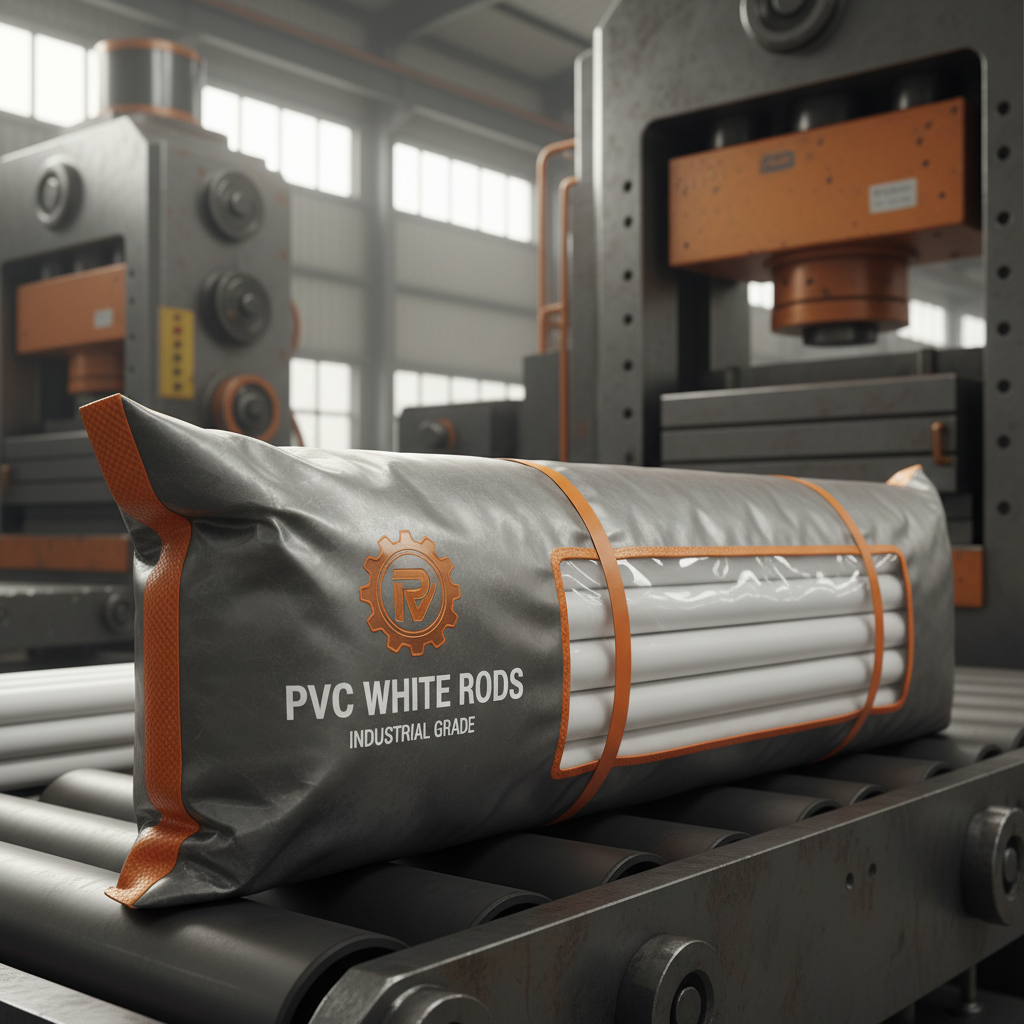
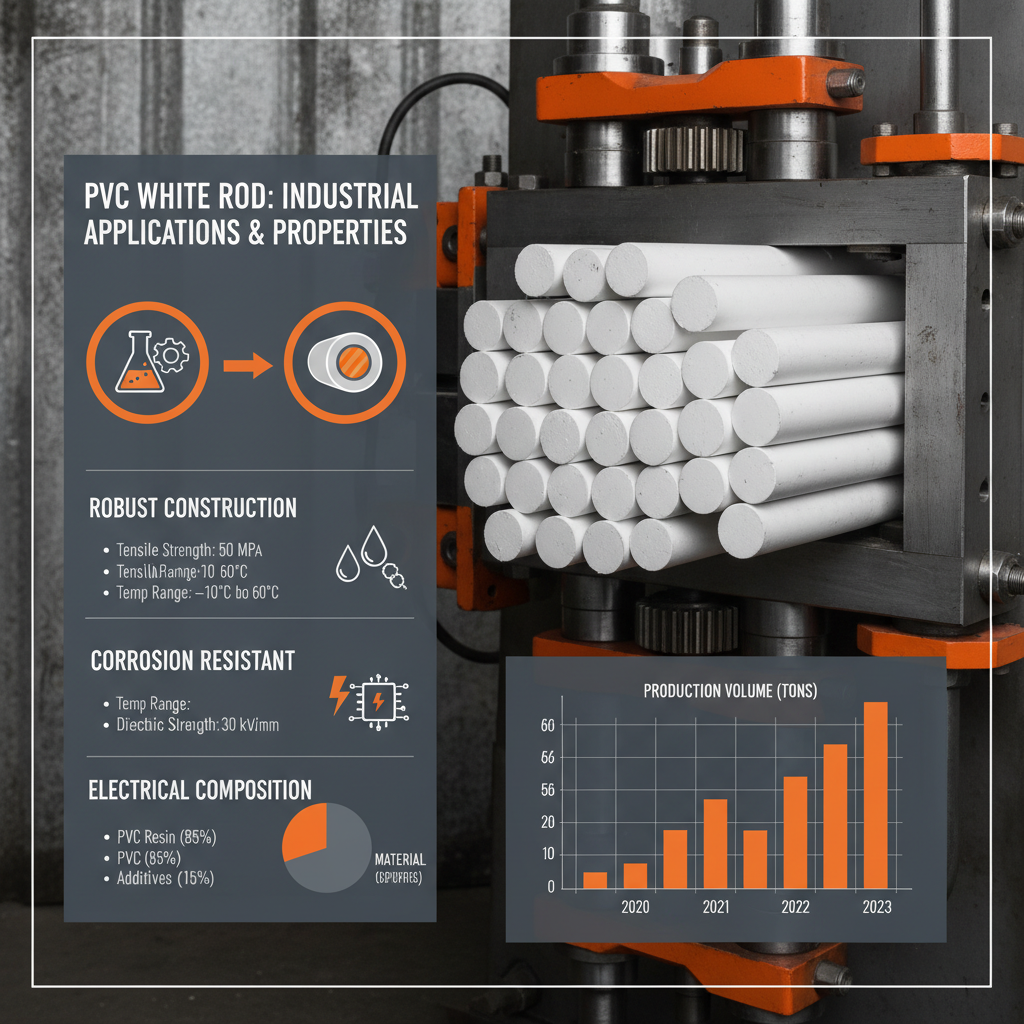
The industrial demand for high-performance polymers has led to the widespread adoption of the pvc white rod, a versatile component essential for structural integrity and chemical resistance in modern engineering. From intricate machining parts to heavy-duty industrial supports, these rods provide a balance of aesthetic cleanliness and rugged durability that few other materials can match.
Across the globe, the manufacturing sector relies on the consistency of white PVC extrusions to maintain hygiene standards and operational efficiency. Whether it is used in water treatment facilities or as an insulating component in electrical installations, the pvc white rod serves as a fundamental building block for infrastructure that requires low maintenance and high longevity.
Understanding the technical specifications and application boundaries of these rods is crucial for engineers and procurement specialists. By leveraging the unique properties of unplasticized polyvinyl chloride, industries can reduce material costs while increasing the lifespan of their equipment, making the pvc white rod a strategic choice for sustainable industrial growth.
Global Industry Context of PVC White Rod
On a global scale, the proliferation of thermoplastic materials has revolutionized the way we approach fluid handling and structural support. The pvc white rod has become a staple in international markets due to its alignment with ISO standards for material purity and mechanical strength, ensuring that components manufactured from it are interchangeable and reliable across different continents.
Despite the rise of composite materials, the PVC sector remains dominant because it addresses a critical challenge: the need for a cost-effective, corrosion-resistant alternative to metals in aggressive environments. In regions with high humidity or chemical exposure, switching to white PVC rods has significantly reduced the frequency of equipment failure and lowered the overall cost of ownership for industrial plants.
Defining the PVC White Rod in Modern Engineering
A pvc white rod is a solid, cylindrical extrusion made from unplasticized polyvinyl chloride, specifically formulated to maintain a clean, white appearance while providing high rigidity. Unlike flexible PVC, the rod version is designed for load-bearing and precision machining, making it an ideal precursor for custom fittings, spacers, and bushings.
In the context of modern industry, these rods represent the intersection of chemical stability and mechanical utility. They are engineered to resist the penetration of moisture and the corrosive effects of acids and bases, which is why they are indispensable in laboratories, food processing plants, and pharmaceutical cleanrooms where sterility and non-reactivity are paramount.
Beyond technical specs, the white coloration is not merely aesthetic; it allows for easy inspection of surface contaminants and wear. This makes the pvc white rod a critical component in humanitarian and safety-critical infrastructure, where the ability to quickly identify material degradation can prevent catastrophic system failures.
Key Performance Factors of White PVC Extrusions
The primary appeal of the pvc white rod lies in its exceptional durability. This material is designed to withstand significant compressive loads without permanent deformation, ensuring that machined parts maintain their tight tolerances even after years of continuous operational stress.
Chemical resistance is another core component that elevates the pvc white rod above other plastics. Its molecular structure prevents the absorption of most industrial solvents, making it the preferred choice for components exposed to wastewater or caustic cleaning agents in the food and beverage industry.
Furthermore, the cost-efficiency of producing and machining the pvc white rod allows companies to scale their operations rapidly. Because it can be easily cut, drilled, and welded using standard tools, the lead time from design to implementation is drastically reduced compared to metal alternatives.
Global Applications and Industrial Use Cases
The practical application of the pvc white rod spans across diverse sectors. In Europe and North America, it is frequently used in the construction of chemical dosing systems and laboratory furniture. In remote industrial zones in Southeast Asia, these rods are utilized to create durable, rust-proof supports for agricultural irrigation systems where metal would corrode within months.
Another critical use case is found in the medical and pharmaceutical sectors. For instance, in the production of sterile conduits or custom-shaped holders for medical equipment, the pvc white rod provides a non-porous surface that does not harbor bacteria, ensuring compliance with stringent health regulations and protecting patient safety.
Performance Analysis of PVC White Rod Variations
Long-Term Value and Sustainability Advantages
The long-term value of integrating a pvc white rod into a system is primarily found in its reliability. By eliminating the risk of oxidation and rust, companies avoid the "hidden costs" of frequent downtime and emergency replacements, which often outweigh the initial material investment.
From a sustainability perspective, the longevity of the pvc white rod reduces the total volume of waste generated over a project's lifecycle. Furthermore, modern PVC recycling initiatives are making it possible to reclaim these rods at the end of their service life, transforming them back into raw materials for new industrial products.
Future Trends in PVC Material Innovation
The evolution of the pvc white rod is currently being driven by the integration of additive manufacturing and nanotechnology. Researchers are exploring ways to infuse PVC rods with antimicrobial agents or conductive particles, which would expand their use from simple structural components to "smart" rods capable of sensing environmental changes or inhibiting bacterial growth.
Digital transformation is also playing a role through the use of AI-driven extrusion processes. By optimizing the cooling and drawing phases of production, manufacturers can create a pvc white rod with even higher density and internal uniformity, reducing the likelihood of micro-fractures under extreme pressure.
Additionally, the shift toward "Green Chemistry" is leading to the development of lead-free stabilizers in white PVC production. This transition ensures that the pvc white rod remains compliant with increasingly strict global environmental policies, such as REACH and RoHS, without sacrificing its hallmark durability.
Overcoming Challenges in PVC Rod Implementation
One of the common limitations of the pvc white rod is its susceptibility to UV degradation when exposed to direct sunlight for extended periods. This can lead to yellowing and embrittlement, which compromises the structural integrity of the part. To overcome this, engineers now specify UV-stabilized formulations that incorporate titanium dioxide or other blockers.
Another challenge is the thermal limit of the material. Standard white PVC begins to soften at higher temperatures, limiting its use in heat-intensive environments. The solution lies in the strategic use of CPVC (Chlorinated PVC) variations or the implementation of heat shields to protect the pvc white rod from direct thermal contact.
Finally, ensuring a perfect weld between rods and other PVC components requires precise temperature control. Expert insights suggest the use of automated welding equipment and specific filler rods to ensure a homogenous bond, preventing leakages in fluid-handling systems and enhancing the overall safety of the installation.
Comparison of PVC White Rod Performance Under Different Environmental Stressors
| Stress Factor |
Standard White Rod |
UV-Stabilized Rod |
Impact-Modified Rod |
| Acid Resistance |
High (9/10) |
High (9/10) |
High (9/10) |
| Sunlight Exposure |
Low (3/10) |
Excellent (10/10) |
Medium (5/10) |
| Shock Load |
Medium (6/10) |
Medium (6/10) |
Excellent (10/10) |
| Thermal Stability |
Medium (5/10) |
Medium (5/10) |
Medium (5/10) |
| Surface Hygiene |
Excellent (10/10) |
Excellent (10/10) |
Excellent (10/10) |
| Machinability |
High (9/10) |
High (9/10) |
High (9/10) |
FAQS
Yes, but it is highly recommended to use a UV-stabilized version. Standard white PVC can become brittle and yellow over time when exposed to sunlight. UV-stabilized rods contain additives that protect the polymer chain from solar radiation, ensuring the rod maintains its strength and color for many years outdoors.
Generally, unplasticized PVC is considered safe and non-toxic. However, for direct food or potable water contact, you should ensure the rod is manufactured to food-grade standards and is free from harmful stabilizers. Always check the material safety data sheet (MSDS) for specific certification like FDA or NSF compliance.
To prevent cracking, use sharp cutting tools and maintain a moderate feed rate. Avoid overheating the material, as excessive friction can cause the PVC to melt or deform. Using a lubricant or coolant during drilling and milling helps maintain a clean finish and prevents thermal stress on the rod.
The primary difference is the geometry and intended use. A pipe is hollow and designed for fluid transport, whereas a rod is solid and designed for structural support or to be machined into custom parts. Rods generally have higher density and compressive strength, making them suitable for pins, bushings, and rollers.
Yes, this is a common practice using solvent welding or heat welding. For solvent welding, a PVC-specific primer and cement are used to chemically fuse the surfaces. For heat welding, a PVC welding rod and a hot-air welder are used to create a strong, permanent thermal bond between the rod and the sheet.
PVC white rods perform well in moderate temperatures but have a limited operating range. They typically remain stable from around -10°C up to 60°C. Beyond 60°C, the material begins to lose rigidity. For high-temperature environments, CPVC is a better alternative as it offers significantly higher thermal resistance.
Conclusion
The pvc white rod stands as a cornerstone of modern industrial design, offering an unparalleled combination of chemical resistance, mechanical strength, and cost-efficiency. From its role in maintaining sterile environments in pharmaceuticals to providing rust-free infrastructure in agricultural zones, its versatility is a key driver of operational reliability across numerous global sectors.
Looking forward, the integration of sustainable production methods and smart-material additives will only increase the value of white PVC extrusions. For businesses seeking to optimize their equipment longevity and reduce maintenance overhead, investing in high-quality PVC rods is a strategic move toward a more resilient and sustainable future. Visit our website: www.lidaplastic.com