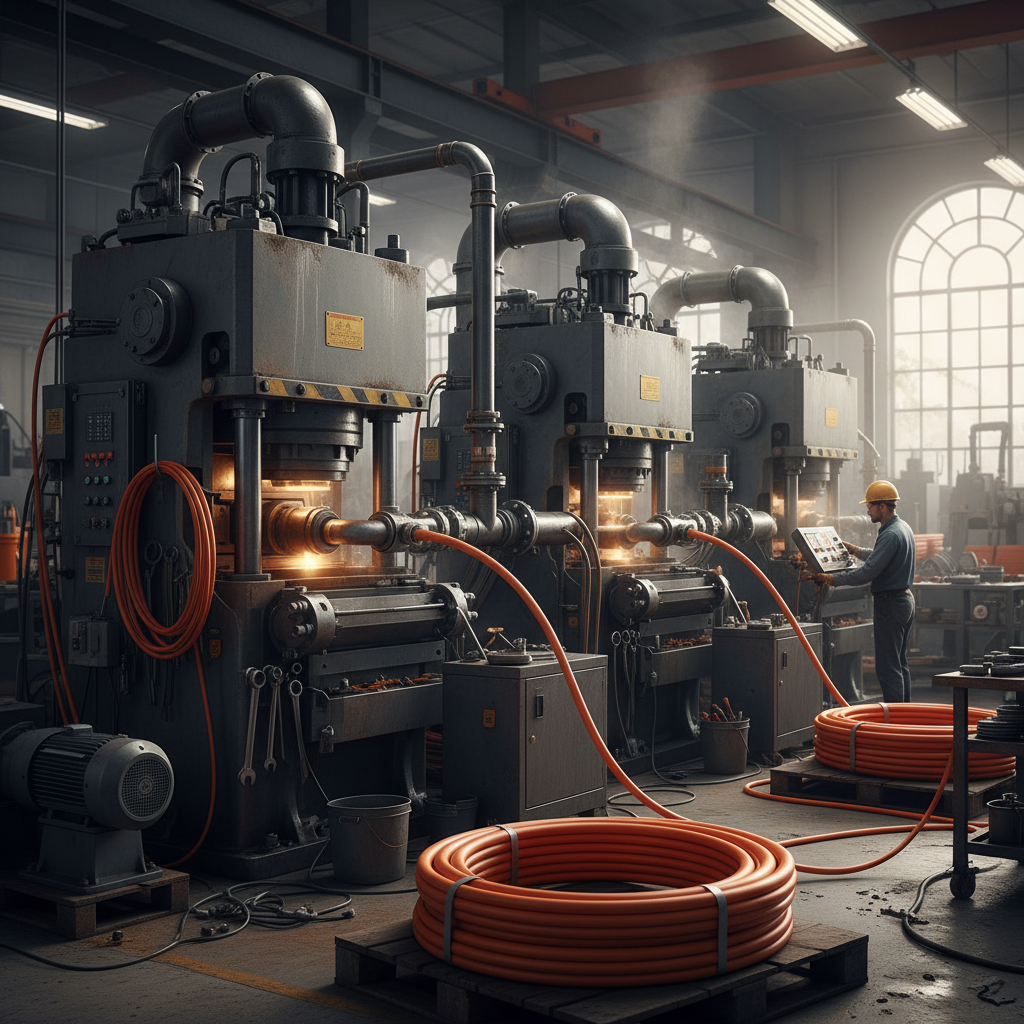
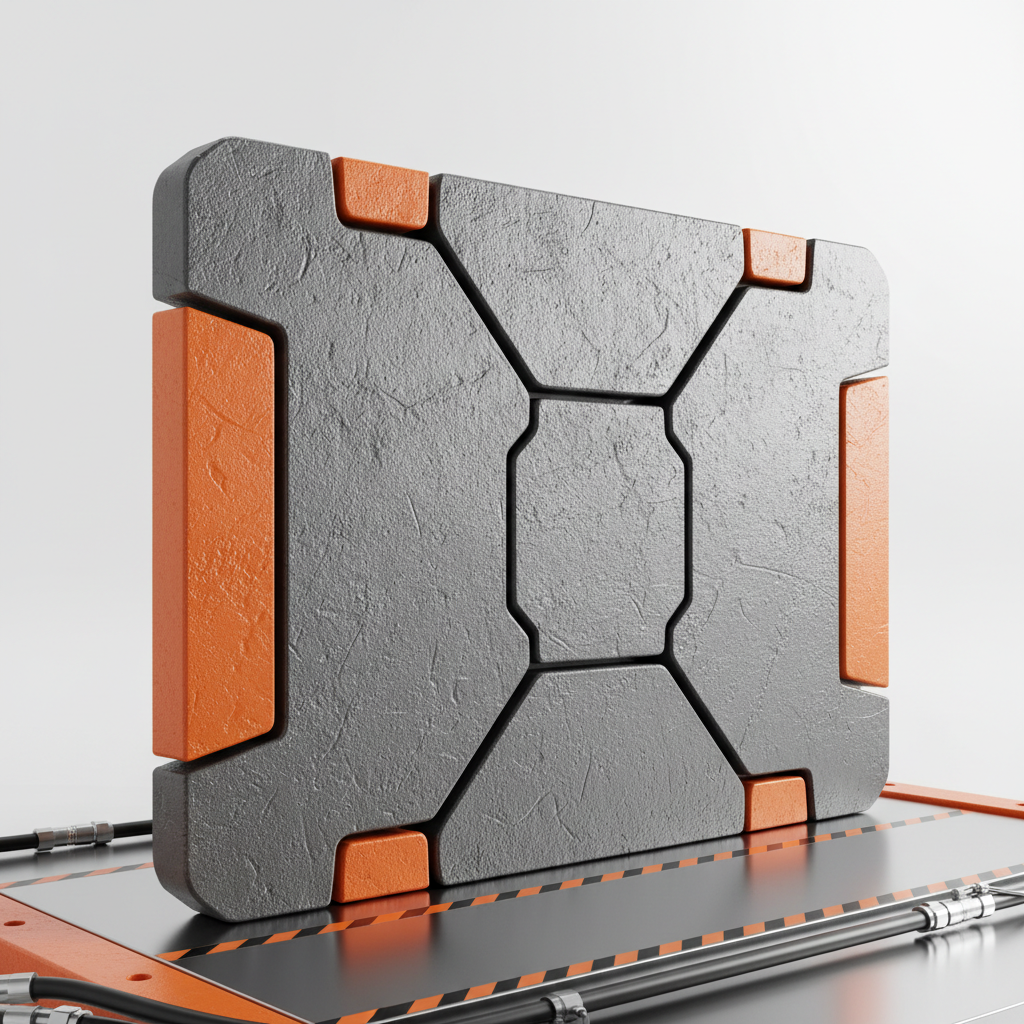
In the modern industrial landscape, the demand for versatile, durable, and cost-effective materials has led to the widespread adoption of the pvc squre rod. This specialized polymer profile provides a unique combination of structural rigidity and ease of fabrication, making it an indispensable component in sectors ranging from electrical insulation to architectural finishing. By bridging the gap between heavy-duty metal supports and flexible plastics, these rods offer engineers a reliable solution for precision-engineered components.
Globally, the shift toward thermoplastic solutions is driven by the need for materials that can withstand corrosive environments without the risk of oxidation. The pvc squre rod is particularly valued for its chemical inertness and electrical non-conductivity, which are critical safety requirements in chemical processing plants and power distribution hubs. As infrastructure projects in emerging economies expand, the integration of high-performance PVC profiles ensures long-term stability and reduced maintenance costs.
Understanding the technical nuances of these square-profiled rods is essential for optimizing product design and operational efficiency. From ensuring the correct shore hardness to selecting the appropriate UV-stabilized grade, the choice of a pvc squre rod directly impacts the lifespan of the end product. This comprehensive guide explores the global industry context, material advantages, and the evolving innovations that continue to make PVC a cornerstone of non-metallic mineral product manufacturing.
Global Industry Context of PVC Square Rods
The global market for polyvinyl chloride (PVC) profiles has seen steady growth, aligned with ISO standards for thermoplastic materials. As industrialization accelerates in Southeast Asia and Latin America, the pvc squre rod has emerged as a critical substitute for aluminum and timber in structural supports. This shift is largely due to the material's ability to maintain dimensional stability under varying thermal conditions, reducing the failure rates of industrial assemblies.
Industry data suggests that the demand for non-corrosive structural elements is rising, particularly in coastal regions where salt-air corrosion renders traditional metals obsolete. The adoption of the pvc squre rod provides a sustainable pathway for building infrastructure that requires low maintenance and high durability. By leveraging advanced extrusion techniques, manufacturers can now produce rods with tighter tolerances, meeting the rigorous needs of the global aerospace and automotive auxiliary sectors.
Definition and Technical Meaning
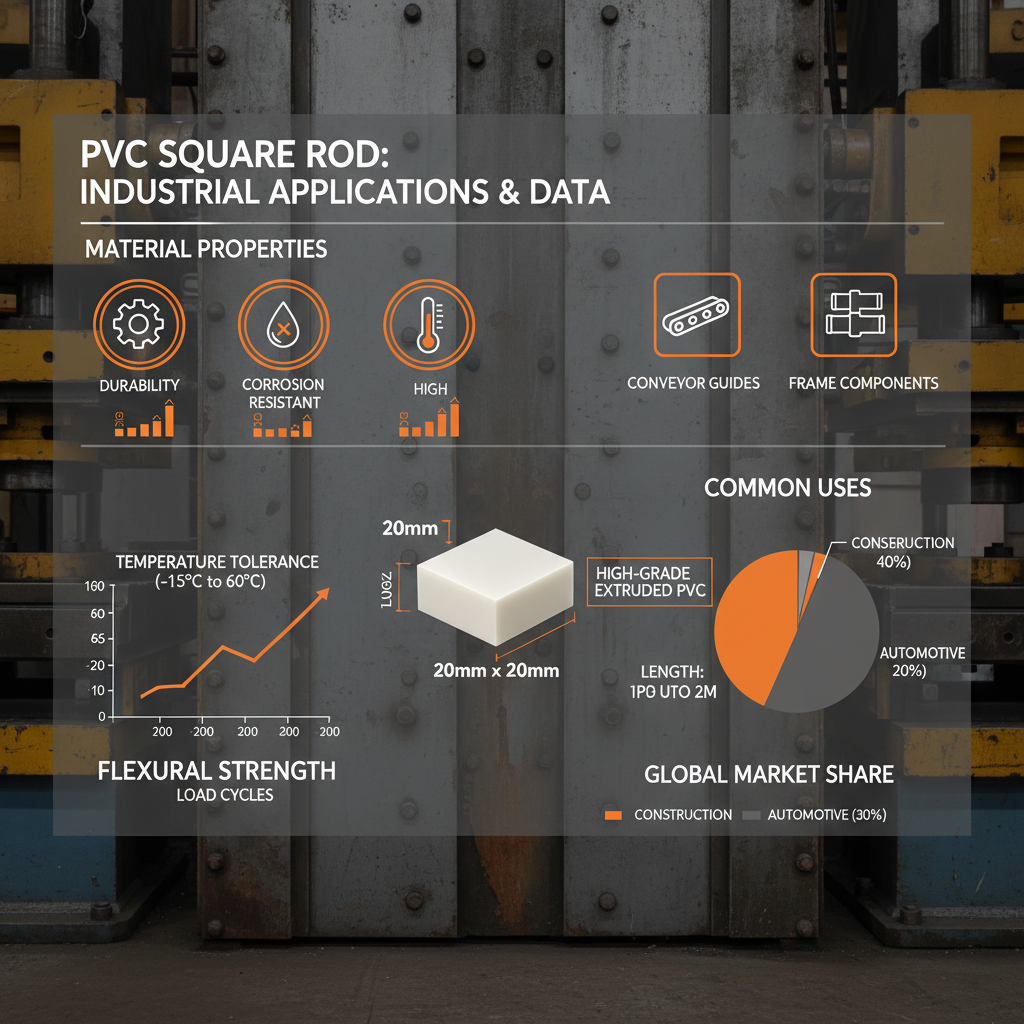
A pvc squre rod is a solid, square-profiled extruded bar made from Polyvinyl Chloride, a high-strength thermoplastic polymer. Unlike hollow tubing, the solid core of the square rod provides significant compressive strength and rigidity, making it ideal for use as a spacer, support pillar, or raw material for CNC machining. Its square geometry is specifically designed to prevent rotation during installation and to provide a flat surface for seamless joining and mounting.
In technical terms, these rods are categorized by their grade—ranging from rigid (uPVC) to flexible (plasticized) versions. The rigid pvc squre rod is the industry standard for structural applications, offering high impact resistance and a low coefficient of friction. This allows the material to serve as an effective guide rail or wear strip in conveyor systems, where durability and smooth movement are paramount.
Beyond simple geometry, the "meaning" of the PVC square rod in modern industry lies in its versatility. It serves as a bridge between raw chemical production and high-precision engineering. Whether it is used in a medical device frame or a heavy-duty industrial jig, the material's ability to be welded, glued, or machined into complex shapes makes it a fundamental building block for humanitarian and commercial infrastructure alike.
Core Components of PVC Material Performance
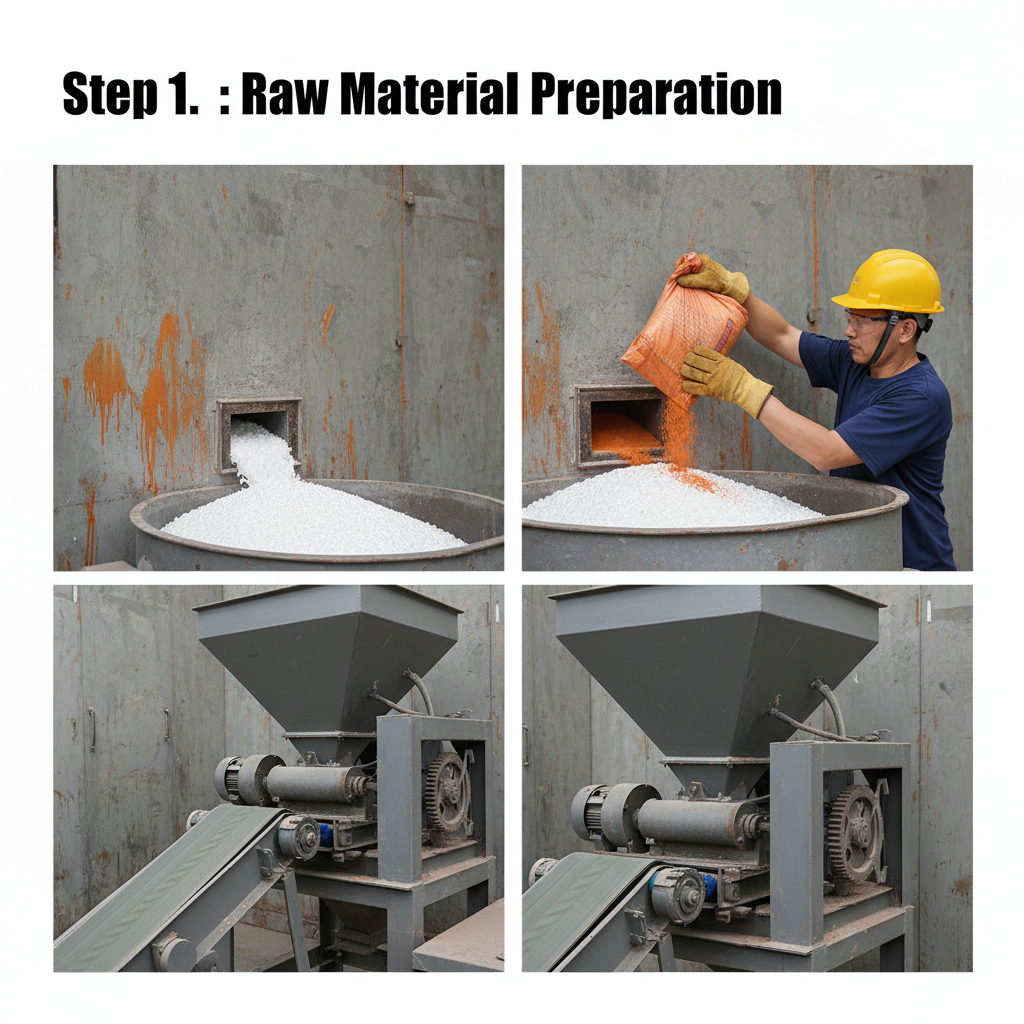
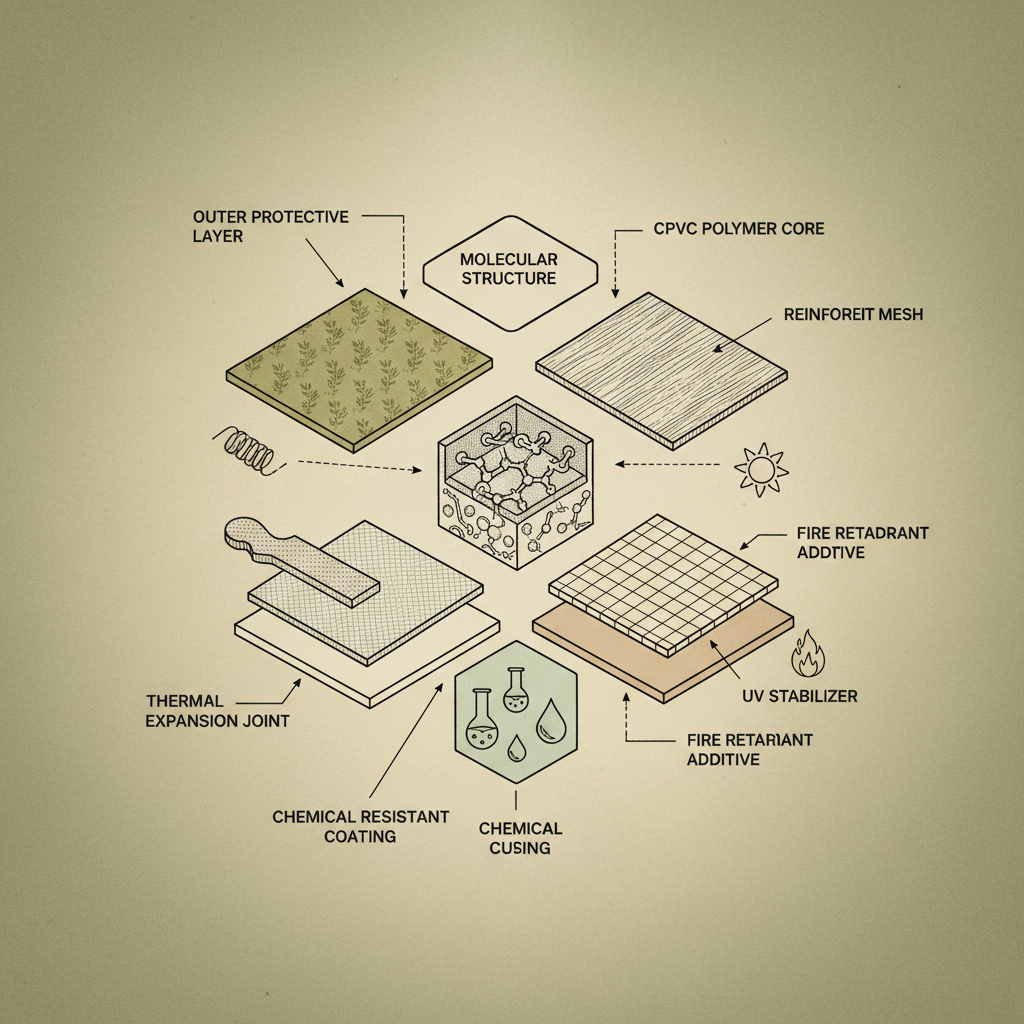
The performance of a pvc squre rod is primarily defined by its chemical composition and extrusion process. Durability is achieved through the addition of stabilizers that prevent the polymer chains from breaking down when exposed to heat during manufacturing. This ensures that the rod maintains its square profile without warping, providing the structural integrity required for load-bearing applications.
Cost efficiency is another core pillar, as the pvc squre rod offers a high strength-to-weight ratio. When compared to stainless steel or specialty alloys, PVC provides sufficient rigidity for most non-load-bearing structural needs at a fraction of the cost. This economic advantage allows for the rapid scaling of industrial projects without compromising on the overall quality of the assembly.
Scalability and machinability are what truly set the pvc squre rod apart. Because it can be easily cut with standard saws or milled with high-precision CNC machines, it allows for rapid prototyping. Engineers can quickly move from a conceptual design to a physical component, reducing the time-to-market for new industrial products.
Global Applications and Use Cases
The application of the pvc squre rod spans across diverse geographic and industrial zones. In North America and Europe, these rods are frequently used in the construction of chemical storage facilities, where they serve as non-reactive supports for piping and instrumentation. In these environments, the resistance to acids and bases prevents the structural degradation that would typically occur with metallic supports.
In remote industrial zones, such as mining operations in Australia or oil rigs in the North Sea, the pvc squre rod is utilized for electrical cable management and insulation. Its non-conductive nature ensures safety in high-voltage areas, while its robustness protects internal wiring from physical impact and environmental moisture.
Performance Comparison of PVC Square Rod Grades
Long-Term Value and Advantages
The long-term value of integrating a pvc squre rod into a project lies in its exceptional reliability. Unlike materials that require periodic painting or galvanization to prevent rust, PVC remains inert. This leads to a significant reduction in the "Total Cost of Ownership" (TCO), as facility managers can eliminate the labor and material costs associated with corrosion control.
From an emotional and logical standpoint, the use of these rods enhances safety and trust in industrial design. The predictability of PVC's physical properties—such as its melting point and tensile strength—allows engineers to design with confidence. Moreover, the move toward recyclable thermoplastic options demonstrates a commitment to innovation and sustainability, ensuring that industrial progress does not come at the cost of environmental degradation.
Future Trends and Innovations
The future of the pvc squre rod is being shaped by the integration of "smart materials" and green chemistry. We are seeing the development of bio-based plasticizers that reduce the environmental footprint of PVC production without sacrificing the material's inherent strength. These innovations align with global policies aiming for a circular economy, where plastic components are designed for 100% recyclability.
Digital transformation is also playing a role through the adoption of Industry 4.0 in the extrusion process. Automated precision monitoring ensures that every pvc squre rod produced has zero variance in dimensions, which is crucial for the growing trend of automated assembly lines. The use of AI-driven quality control reduces waste and ensures that only the highest-grade rods reach the consumer.
Furthermore, the trend toward additive manufacturing is complementing traditional extrusion. Companies are now using 3D printing to create custom connectors that snap perfectly onto the flat faces of a pvc squre rod. This hybrid approach allows for the creation of complex, modular frameworks that can be deployed rapidly in disaster relief or remote research stations.
Challenges and Expert Solutions
Despite its advantages, the pvc squre rod faces challenges, most notably thermal expansion and UV degradation over extended periods. In extreme heat, PVC can expand more than metals, potentially leading to joint failure if not properly accounted for in the design phase. Expert engineers solve this by incorporating expansion gaps and using sliding fasteners that allow the rod to move without stressing the overall structure.
UV radiation from sunlight can lead to "chalking" or discoloration of the surface, which may compromise the structural integrity over several decades. To combat this, the industry has developed UV-stabilized grades of the pvc squre rod. By incorporating titanium dioxide or other UV absorbers into the polymer matrix, manufacturers can ensure the material remains robust even in high-exposure environments like desert installations.
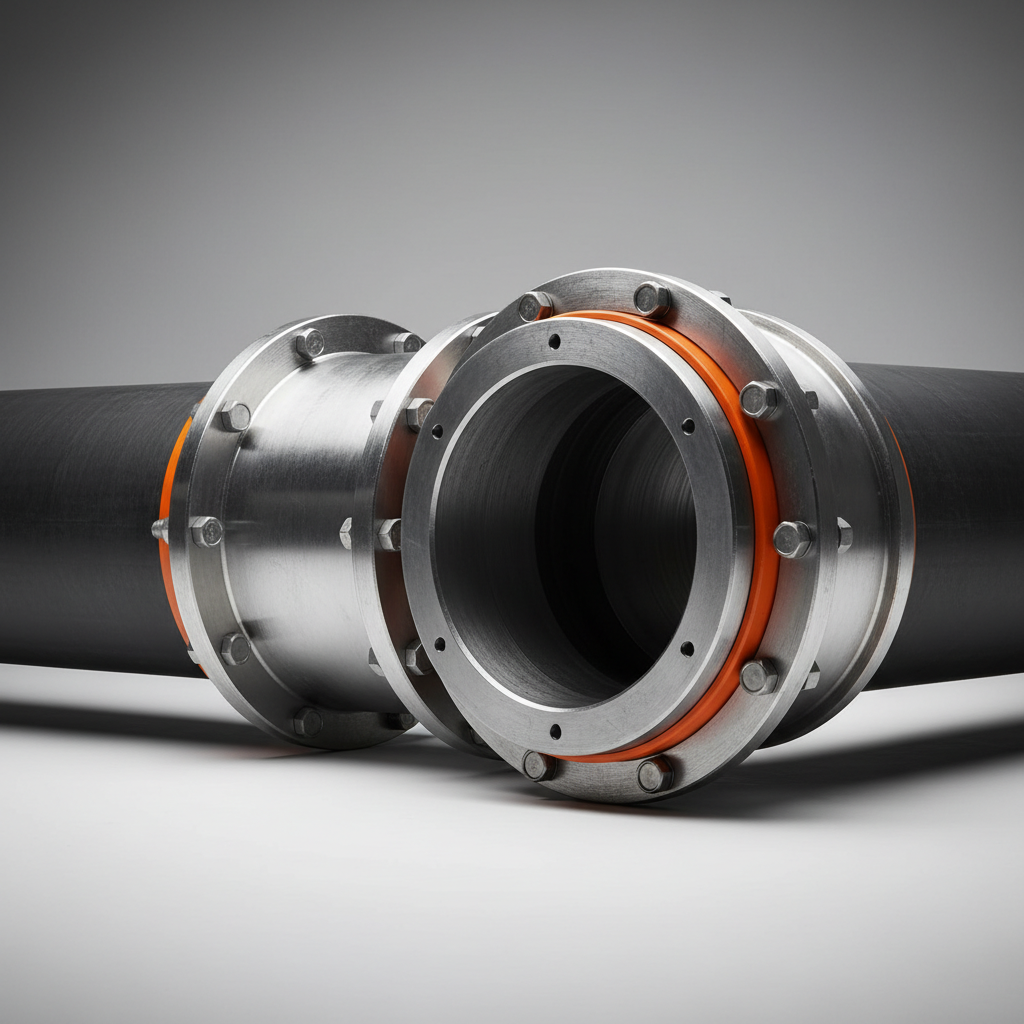
Another limitation is the challenge of bonding PVC to dissimilar materials, such as aluminum or steel. The solution lies in the use of specialized chemical adhesives and mechanical interlocking systems. By utilizing the flat surfaces of the pvc squre rod, designers can create high-surface-area bonds that distribute stress evenly, ensuring a secure and permanent connection.
Analysis of PVC Square Rod Performance Across Different Environments
|
Environment Type
|
Chemical Resistance
|
Durability Score
|
Recommended Grade
|
| Marine/Coastal |
Excellent (Saltwater) |
9/10 |
UV-Stabilized Rigid |
| Chemical Plant |
High (Acid/Base) |
10/10 |
CPVC/Industrial Grade |
| Indoor Office |
Moderate |
8/10 |
Standard uPVC |
| Electrical Room |
Inert |
9/10 |
Flame Retardant PVC |
| Cold Storage |
Excellent |
7/10 |
Impact-Modified |
| Outdoor Framing |
High |
8/10 |
Weather-Resistant |
FAQS
The primary difference is the internal structure. A PVC square rod is a solid piece of material throughout its cross-section, providing maximum compressive strength and rigidity. A square tube is hollow, which reduces weight and allows for the passage of wires or fluids, but it lacks the structural density and machining capacity of a solid rod.
While PVC square rods are incredibly strong for a thermoplastic, they are generally used for secondary structural supports, spacers, or jigs rather than primary load-bearing pillars in large buildings. For heavy structural loads, they are best used as reinforcements or in conjunction with other materials, provided the load calculations account for the material's elasticity.
To avoid cracking, use a fine-toothed saw blade and maintain a moderate cutting speed to prevent frictional heat from melting the plastic. When drilling or milling, use sharp bits and consider a lubricant or cooling agent. Because it is a solid profile, avoid applying excessive pressure in a single pass; instead, take multiple shallow cuts to ensure a clean finish.
Standard PVC can degrade and yellow when exposed to prolonged sunlight. However, industrial-grade UV-stabilized PVC square rods are specifically formulated with additives that block harmful radiation. If your application is outdoors, always specify a UV-stabilized grade to ensure the rod maintains its color and structural strength over time.
Yes, PVC square rods can be joined using solvent welding or heat welding. Solvent welding uses a chemical agent to fuse the surfaces at a molecular level, creating a bond as strong as the material itself. Heat welding involves melting the edges of the rod and the component together using a hot-air tool and a filler rod for a seamless, waterproof joint.
Common sizes range from small precision rods (e.g., 5mm x 5mm) used in electronic housings to larger structural bars (e.g., 50mm x 50mm or 100mm x 100mm) used for industrial supports. Most manufacturers provide custom extrusion services to meet specific project requirements, ensuring the rod fits perfectly into the intended assembly.
Conclusion
The pvc squre rod represents a perfect synergy of material science and geometric efficiency. By offering a non-corrosive, electrically insulating, and highly machinable alternative to traditional materials, it has solved numerous challenges in chemical processing, electrical installation, and architectural design. From its superior cost-efficiency to its adaptability in diverse global environments, the square rod remains a vital asset for engineers seeking reliability and longevity in their product designs.
As we look toward a future defined by sustainability and smart manufacturing, the evolution of PVC profiles will likely focus on bio-compatible polymers and precision-engineered specifications. For businesses and project managers, investing in high-quality thermoplastic solutions is not just a cost-saving measure, but a strategic move toward safer and more sustainable infrastructure. We invite you to explore our full range of industrial plastic solutions to find the perfect fit for your next project. Visit our website: www.lidaplastic.com