The industrial landscape of non-metallic mineral products has seen a significant shift toward high-performance polymers, with the pvc grey rod emerging as a cornerstone for precision engineering. These rods offer a unique combination of mechanical strength and chemical resistance, making them indispensable in environments where metal would corrode or fail. By understanding the nuances of this material, engineers can optimize their designs for longevity and efficiency.
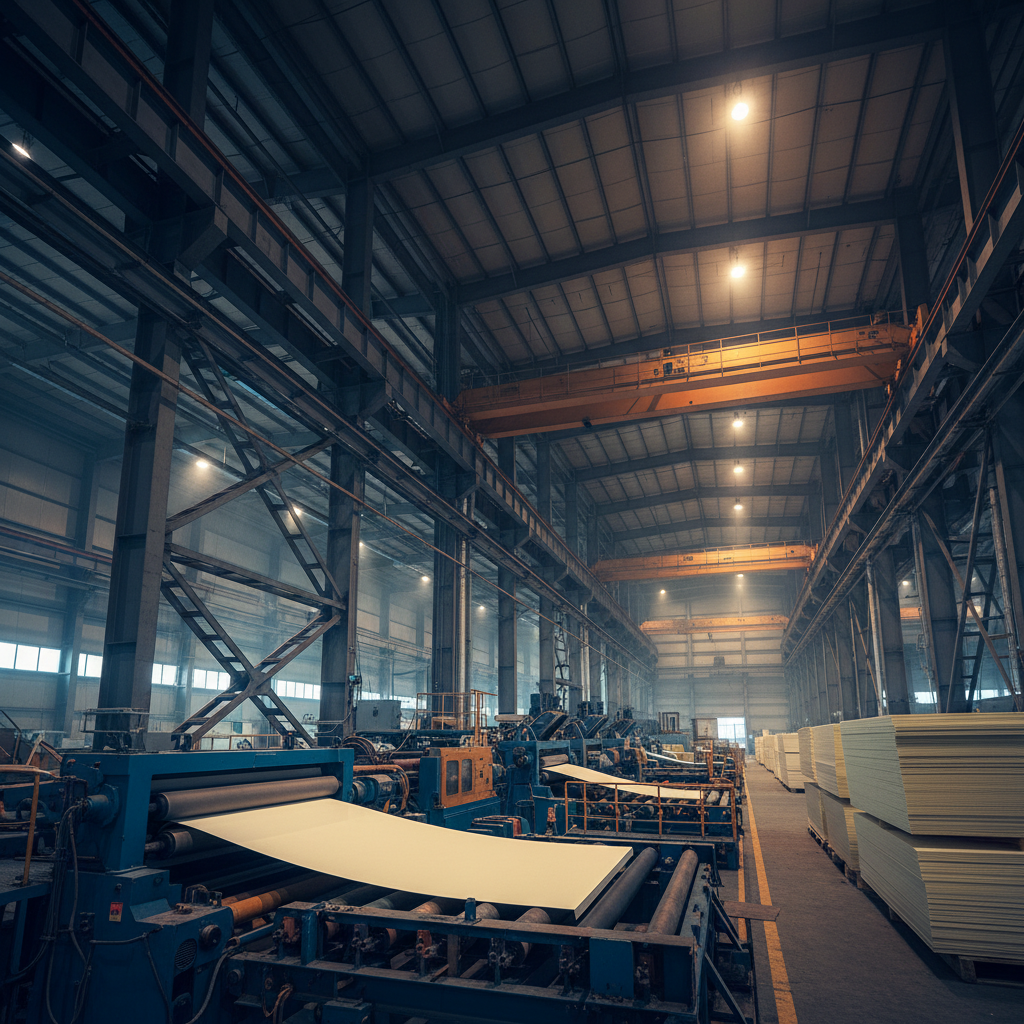
Globally, the demand for durable, non-conductive materials has surged, particularly in the chemical processing and electrical insulation sectors. The versatility of the pvc grey rod allows it to be machined, welded, and formed into complex geometries, bridging the gap between raw plastic sheets and finished industrial components. This adaptability ensures that it remains a preferred choice for high-stress applications across diverse climates and industries.
Investing in high-quality PVC extrusions is not merely a procurement decision but a strategic move toward operational safety and sustainability. By reducing the frequency of replacements and minimizing downtime caused by material fatigue, the use of a professional-grade pvc grey rod provides long-term economic value. This guide explores the technical specifications, global applications, and future innovations that define this essential industrial material.
Industrial Significance of PVC Grey Rod
In the global manufacturing sector, the pvc grey rod serves as a critical component for structural support and fluid handling systems. Its significance is underscored by its ability to resist oxidation and chemical erosion, which are common failure points in metallic rods. According to ISO standards for plastics, the stability of unplasticized PVC ensures that these rods maintain their dimensional integrity even under significant thermal stress.
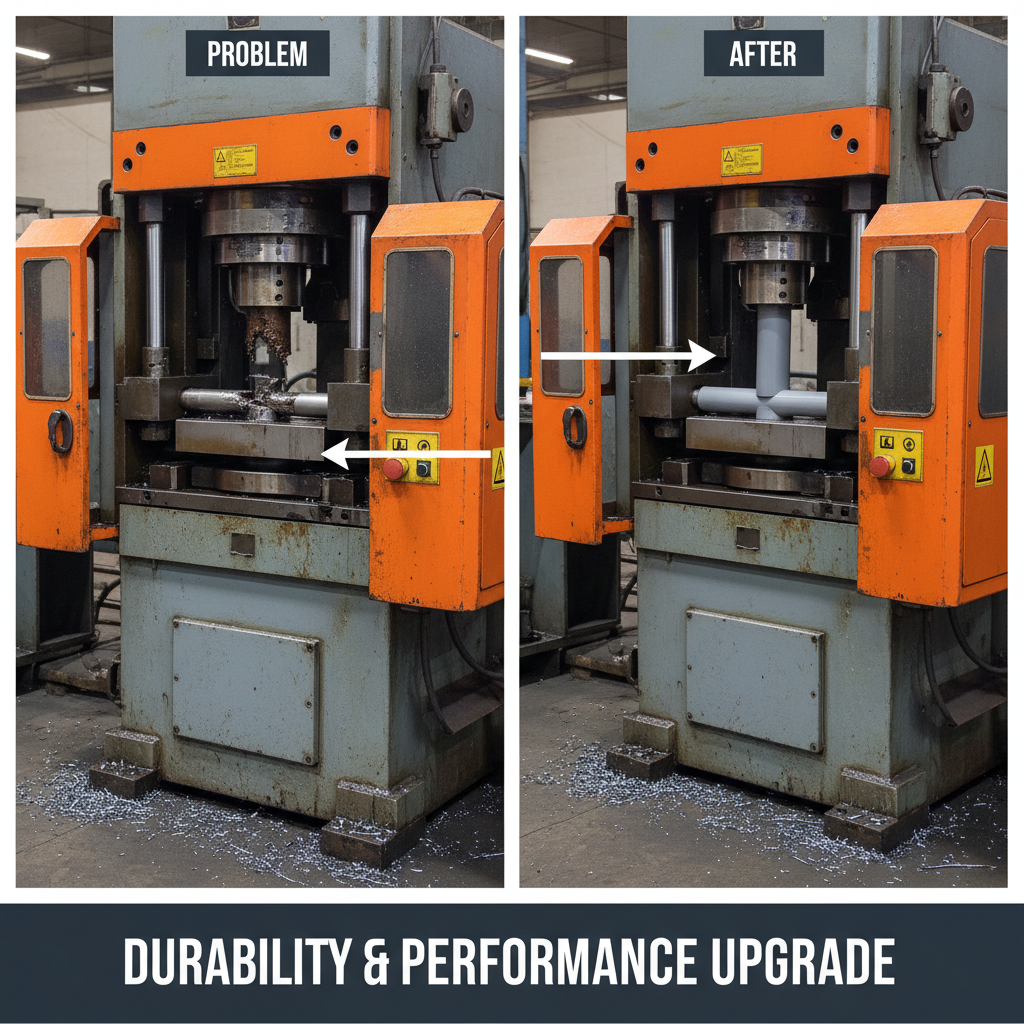
Moreover, the economic impact of adopting PVC grey rods is evident in the reduction of maintenance costs for heavy industries. By replacing steel with a high-density polymer, companies reduce the need for expensive anti-corrosive coatings and frequent inspections. This shift not only improves the bottom line but also enhances the safety of workers by eliminating the risk of rust-related structural collapses in chemical plants.
Defining the Technical Properties of PVC Grey Rod
A pvc grey rod is a solid, extruded cylinder made from Polyvinyl Chloride, typically formulated without plasticizers to ensure rigidity and hardness. The "grey" coloration is not merely aesthetic; it often indicates a specific grade of industrial PVC designed for stability and UV resistance, distinguishing it from general-purpose white or clear variants.
From a technical standpoint, these rods are characterized by their high dielectric strength and low water absorption. This makes them an ideal choice for insulating electrical components or serving as spacers in aquatic environments. The material's amorphous structure allows for precise machining, meaning it can be turned on a lathe to create bushings, rollers, and custom fittings with tight tolerances.
In the context of modern humanitarian and industrial needs, the accessibility of this material allows for the rapid deployment of clean water infrastructure in developing regions. Because the pvc grey rod is lightweight yet strong, it can be transported easily to remote areas to create essential piping supports and valves that resist soil contamination.
Core Components and Performance Factors
The performance of a pvc grey rod is primarily determined by its chemical purity and the extrusion process. Durability is the foremost factor, as the cross-linked polymer chains prevent the material from cracking under repetitive mechanical loads. This ensures that the rod can withstand the rigors of industrial vibration without developing stress fractures.
Scalability and cost-efficiency are equally critical. The pvc grey rod can be produced in diameters ranging from a few millimeters to several hundred, allowing it to scale from small laboratory components to massive industrial pillars. This versatility, combined with a lower raw material cost compared to specialized alloys, makes it a financially viable solution for large-scale projects.
Furthermore, chemical resistance is a non-negotiable component of its design. The inert nature of the pvc grey rod means it does not react with most acids, bases, or salts. This property is essential for applications in wastewater treatment plants and pharmaceutical laboratories where exposure to aggressive chemicals is a daily occurrence.
Global Applications and Use Cases
The application of the pvc grey rod spans across multiple continents and industries. In Europe's advanced chemical parks, these rods are used to construct supports for corrosive gas lines. In Asia's rapidly expanding electronics hubs, they serve as non-conductive guides and insulators for high-voltage machinery, ensuring that electrical leakage is minimized.
In remote industrial zones or post-disaster relief operations, the resilience of the pvc grey rod is invaluable. For instance, during the reconstruction of water systems in flood-prone regions, these rods are used to create improvised but sturdy connectors and anchors that do not rust when submerged in brackish water, providing a reliable temporary solution until permanent infrastructure is built.
Comparative Performance Analysis of PVC Grey Rod Variants
Long-Term Value and Sustainability
The long-term value of utilizing a pvc grey rod extends beyond immediate cost savings. From a sustainability perspective, the longevity of the material reduces the overall carbon footprint associated with manufacturing and transporting replacement parts. When sourced from manufacturers who utilize closed-loop recycling, PVC rods contribute to a circular economy, reducing plastic waste in landfills.
Moreover, there is a psychological angle of trust and safety. Engineers and project managers rely on the predictable behavior of the pvc grey rod. Knowing that the material will not degrade unexpectedly under chemical stress provides peace of mind, ensuring that critical systems remain operational and that human safety is never compromised.
Future Trends in PVC Extrusion Technology
The future of the pvc grey rod is being shaped by the integration of nanotechnology. Researchers are exploring the infusion of graphene and carbon nanotubes into the PVC matrix to enhance tensile strength and thermal conductivity. This would allow PVC rods to be used in high-temperature environments that were previously the exclusive domain of expensive fluoropolymers.
Automation and digital transformation are also playing a role. With the advent of 4.0 manufacturing, the extrusion process for pvc grey rod is becoming more precise, with real-time AI monitoring of melt temperature and pressure. This eliminates internal voids and inconsistencies, resulting in a product with near-perfect structural uniformity across every millimeter of the rod.
Furthermore, the shift toward "green chemistry" is prompting the development of bio-based stabilizers for PVC. By replacing heavy-metal stabilizers with organic alternatives, the pvc grey rod of the future will be not only durable and efficient but also fully compliant with the strictest global environmental regulations, such as REACH and RoHS.
Challenges and Innovative Solutions
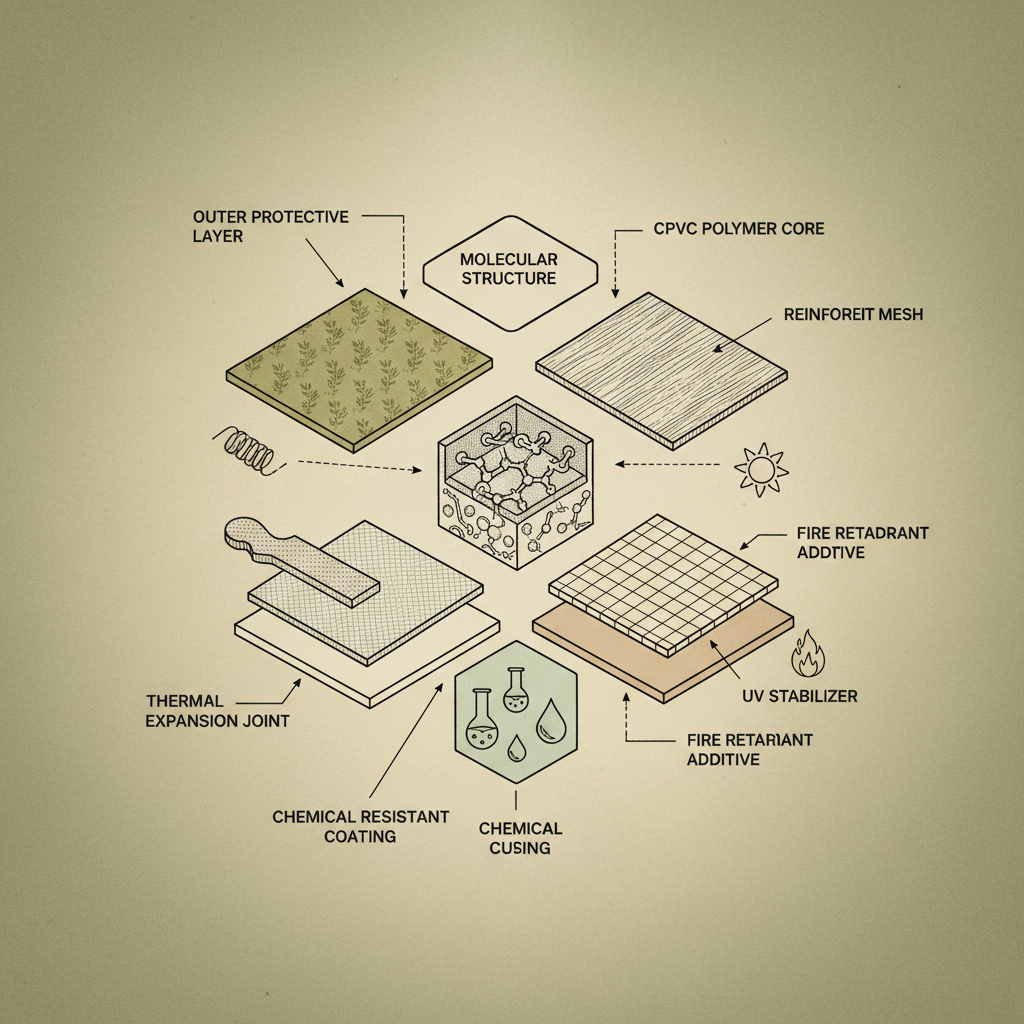
Despite its advantages, the pvc grey rod faces challenges, most notably its susceptibility to extreme heat, which can lead to deformation. To overcome this, industry experts are recommending the use of composite reinforcements or the transition to CPVC (Chlorinated Polyvinyl Chloride) for applications exceeding 60°C. This innovative approach allows the user to maintain the ease of installation associated with PVC while gaining higher thermal thresholds.
Another common limitation is the perception of PVC as being less eco-friendly due to its chlorine content. To address this, leading manufacturers are implementing advanced incineration and recovery systems that capture hydrochloric acid and convert it back into raw materials. This closes the loop and transforms the pvc grey rod into a sustainable asset rather than a liability.
Finally, machining precision can sometimes be hampered by "gumming" during high-speed cutting. The solution lies in the use of specialized tooling and cooling lubricants specifically designed for thermoplastic materials. By optimizing the cutting angle and temperature, fabricators can achieve mirror-like finishes on their pvc grey rod components, meeting the most stringent aerospace and medical standards.
Technical Analysis and Comparison of PVC Grey Rod Applications
| Application Sector |
Critical Requirement |
PVC Grey Rod Benefit |
Efficiency Score |
| Chemical Processing |
Acid Resistance |
Zero Corrosion |
9.8 |
| Electrical Insulation |
Dielectric Strength |
Non-Conductive |
9.5 |
| Water Treatment |
Longevity in Water |
Hydrophobic Surface |
9.2 |
| Medical Labware |
Sterilization Ease |
Smooth Finish |
8.7 |
| Marine Engineering |
Saltwater Resistance |
No Oxidation |
9.0 |
| General Fabrication |
Machinability |
Easy to Shape |
8.5 |
FAQS
The primary difference lies in the additives used during extrusion. A pvc grey rod is typically designed for industrial applications, often incorporating UV stabilizers and specific heat-stabilizing agents that make it more suitable for outdoor use and harsh chemical environments compared to the general-purpose white PVC rods used in residential plumbing.
Yes, the pvc grey rod is highly compatible with solvent welding and heat welding. Using the correct PVC welding rod and solvent ensures a molecular bond that is as strong as the base material itself, making it ideal for creating leak-proof joints in chemical piping systems.
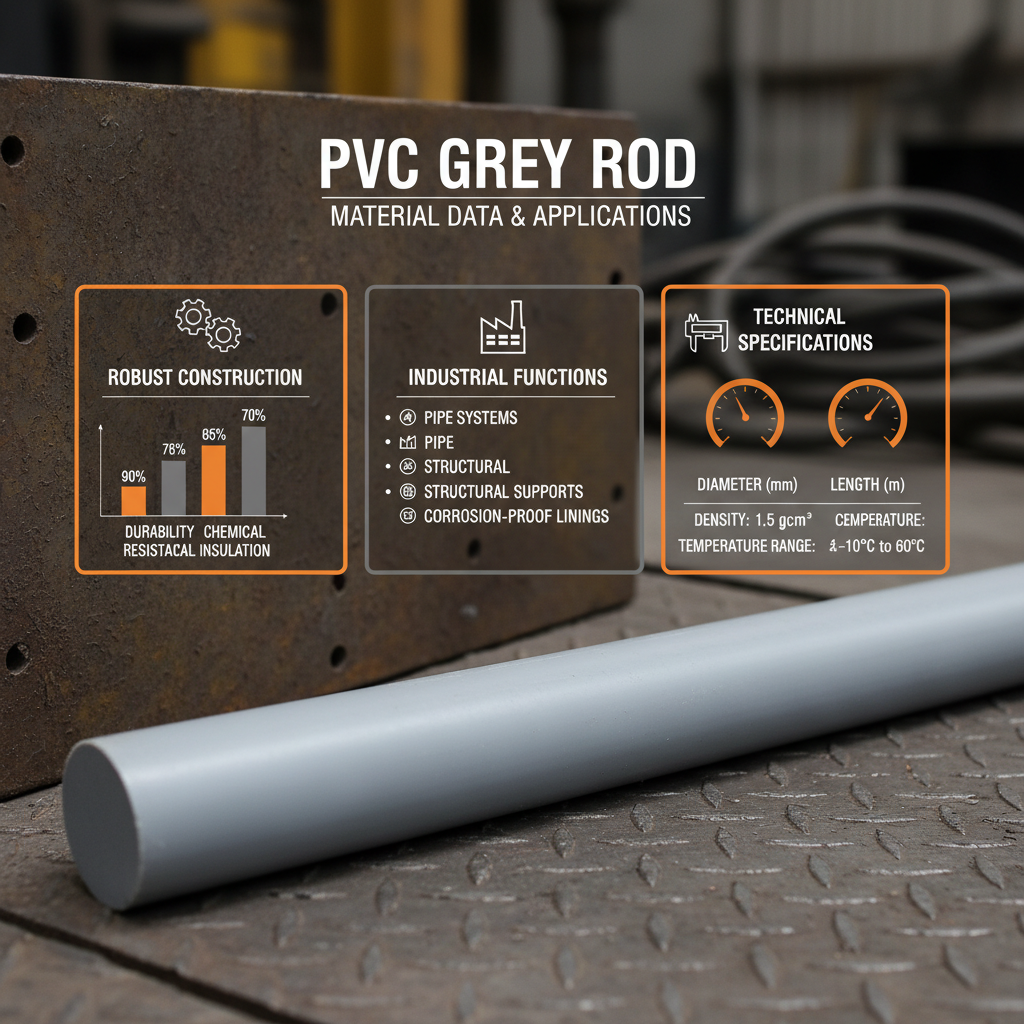
Standard PVC grey rods perform best between -10°C and 60°C. At very low temperatures, they may become brittle, while at high temperatures, they can soften. For extreme environments, we recommend specialized CPVC variants or adding reinforced supports to prevent thermal deformation.
Most industrial-grade PVC grey rods are non-toxic and chemically inert. However, for drinking water, it is essential to ensure the rod meets specific food-grade certifications (such as NSF/ANSI). Our products are manufactured to strict purity standards to ensure they do not leach chemicals into the fluid stream.
For the best results, use high-speed steel (HSS) or carbide-tipped tools with a sharp cutting edge. To avoid "melting" or gumming of the plastic, maintain a steady feed rate and use compressed air or a light water-based coolant to keep the friction heat low.
PVC grey rods should be stored in a cool, dry place, ideally lying flat on a level surface with support every 0.5 to 1 meter. Avoiding direct sunlight and extreme temperature fluctuations prevents "bowing" or warping over time, ensuring the rods remain perfectly straight for machining.
Conclusion
The pvc grey rod stands as a testament to the power of polymer engineering, offering an unparalleled balance of durability, chemical resistance, and cost-effectiveness. From its role in critical chemical infrastructure to its utility in remote humanitarian projects, it provides a reliable alternative to traditional metals, significantly reducing maintenance overhead and enhancing operational safety. By focusing on the core strengths of dielectric insulation and machining versatility, industries can unlock new efficiencies in their design and manufacturing processes.
Looking forward, the integration of nanotechnology and sustainable production methods will only further enhance the utility of PVC extrusions. We encourage engineers and procurement specialists to prioritize high-grade, certified materials to ensure the longevity and safety of their installations. As the world moves toward more resilient and eco-friendly industrial solutions, the pvc grey rod will remain a vital component of the global supply chain. Visit our website for more information: www.lidaplastic.com