Look, I've been running around construction sites for fifteen years, breathing dust and dealing with everything from blueprints to broken tools. And let me tell you, things are changing. Everyone's talking about prefabrication now, modular builds… it's all about speed and efficiency. But the devil's in the details, right? You can't just slap things together and hope for the best.
To be honest, a lot of folks in offices don't understand what it's really like out there. They design these beautiful things on computers, but have they ever actually tried to drill a hole in this stuff in the rain? No. I've seen so many designs that look great but are a nightmare to install. They always underestimate the amount of cutting and fitting. It’s always the small things…
It all comes down to materials, though. And lately, it's been a lot of CPVC sheet. Not just for piping anymore, you know? People are using it for panels, enclosures, even some structural components. It's…well, it smells a bit like chlorine, doesn’t it? But you get used to it. It's surprisingly lightweight, but feels solid. Not brittle like some of the cheaper plastics. And it doesn’t absorb water, which is a huge deal.
The Rise of Prefabrication and CPVC Sheet
Have you noticed how everything's going modular? It's not just housing anymore. It's data centers, temporary offices, even parts of hospitals. They're building entire sections offsite and then bringing them in. It's faster, theoretically. But it puts a lot more pressure on the materials. They have to be durable enough to withstand transport, installation, and, you know, actual use. That's where CPVC sheet comes in. It's light enough not to break the bank on shipping, but strong enough to hold its own.
Anyway, I think the biggest driver is labor shortages. Finding skilled tradespeople is getting harder and harder. Prefabrication shifts more of the work to a controlled factory environment. It's not perfect, but it's a solution.
Design Pitfalls: It’s Not Always About the Model
I encountered this at a factory in Ningbo last time. Some architect designed a beautiful curved CPVC sheet panel for a building facade. Looked stunning on the rendering. But the bends were too tight. The material just…buckled. They had to redo the whole thing. Strangely, the architect had never actually seen CPVC sheet formed. He just assumed it would behave like metal.
That's the problem with a lot of these designs. They’re created by people who don’t understand the material’s limitations. You’ve got to account for thermal expansion, stress points, and the fact that it will flex under load. It’s not rigid.
Another common mistake? Ignoring the fastening methods. You can’t just glue it. You need the right screws, the right spacing, and the right pre-drilling techniques. Otherwise, it'll crack.
Material Matters: A Hands-On Look at CPVC Sheet
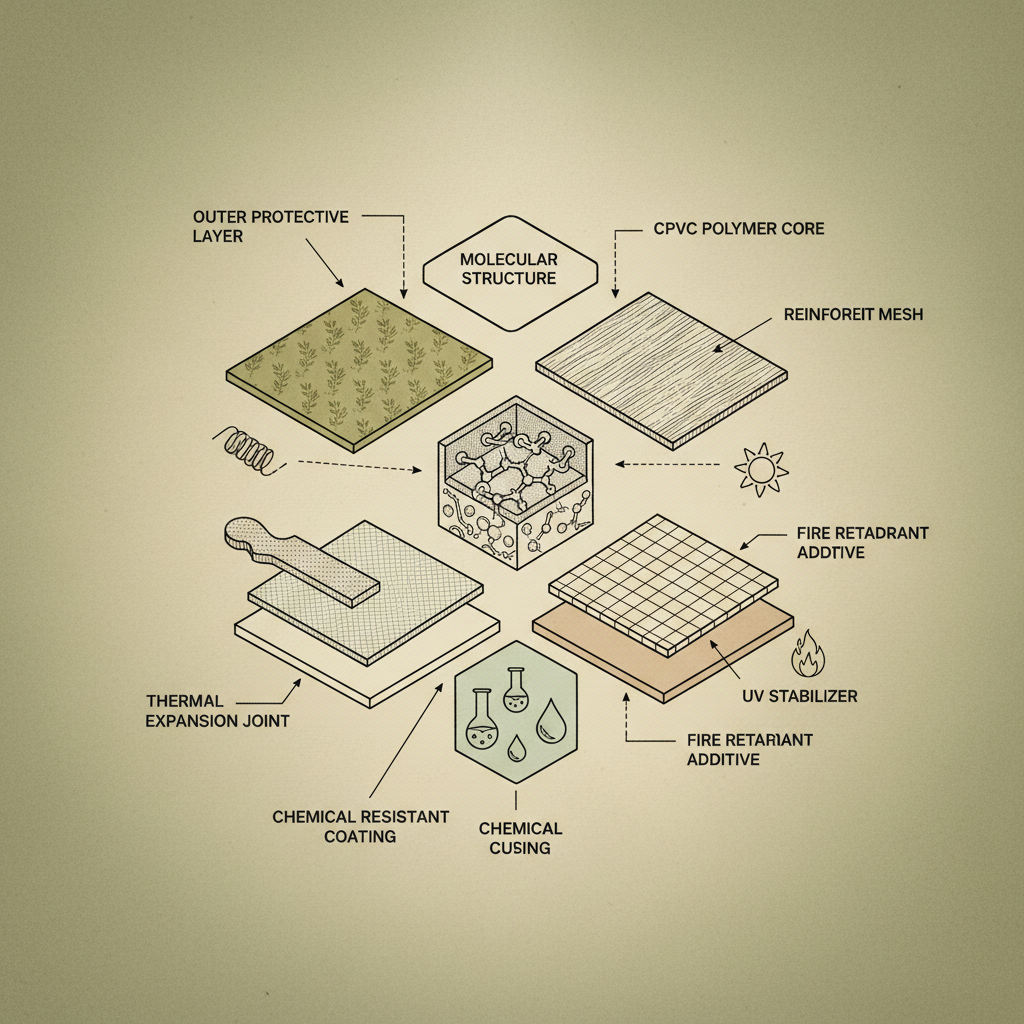
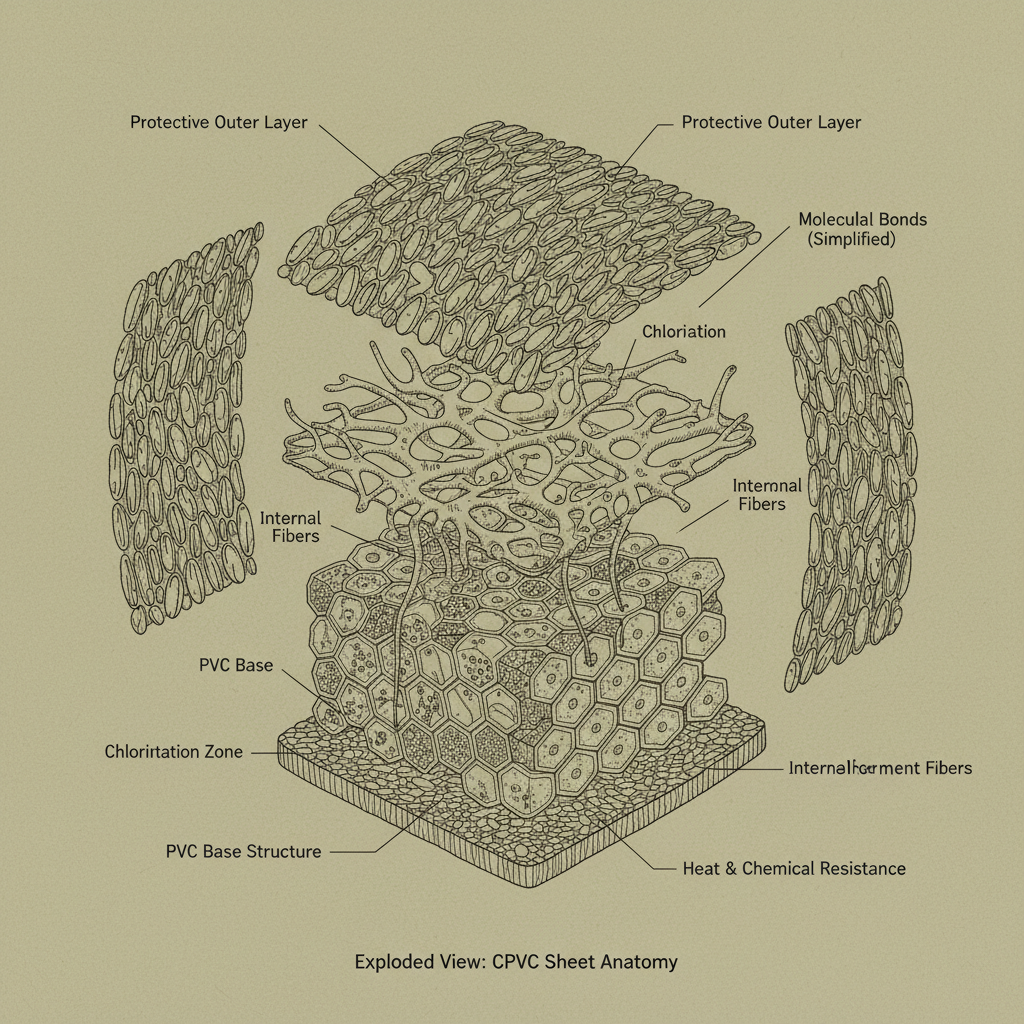
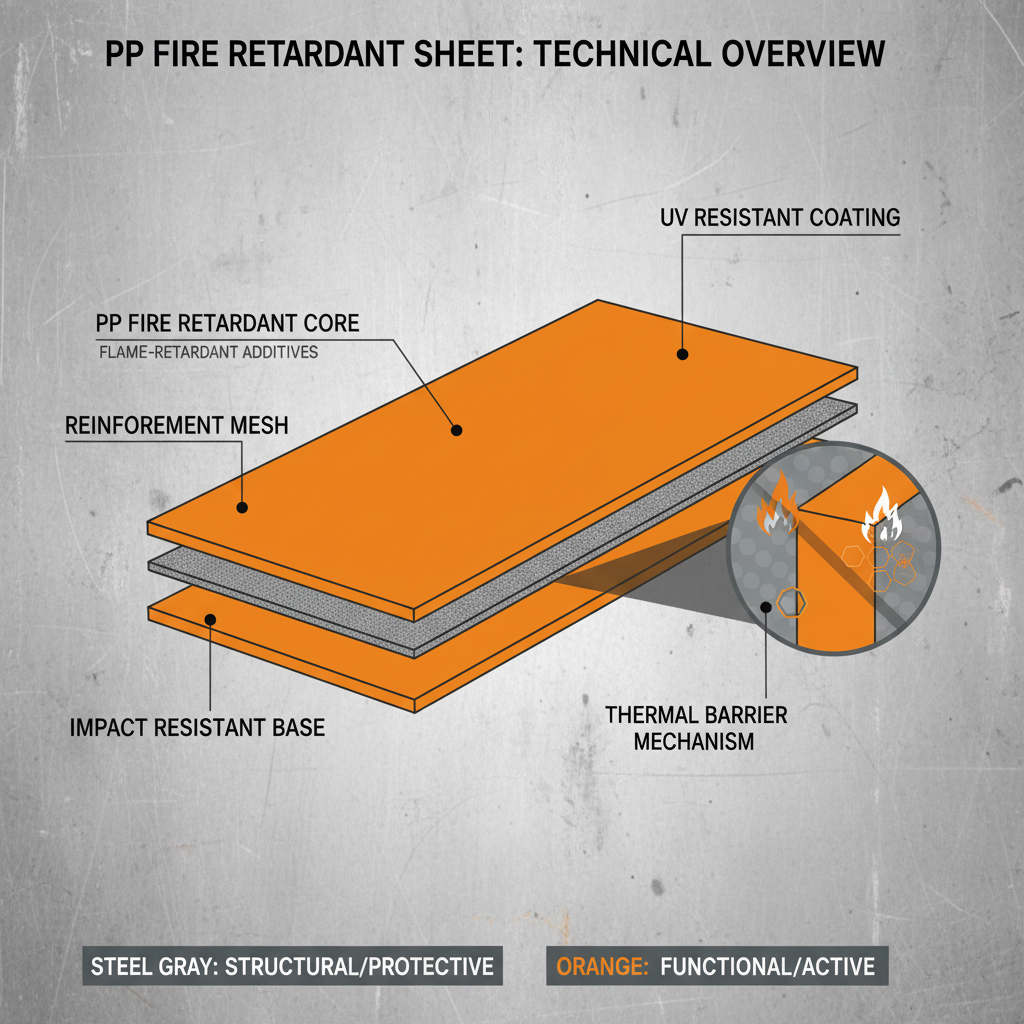
So, what is CPVC sheet? It's chlorinated polyvinyl chloride. Basically, they add chlorine to PVC to make it more heat-resistant and more durable. It’s not as flexible as PVC, but it’s much stronger. It’s available in different thicknesses, colors… you can even get it with a UV coating.
I’ve worked with sheets ranging from 2mm to 12mm thick. The thinner stuff is good for linings and covers, while the thicker stuff can handle more structural loads. To be honest, the feel of it is important. A good sheet will have a consistent texture and won't feel brittle. You can tell a cheap one just by the way it sounds when you tap it.
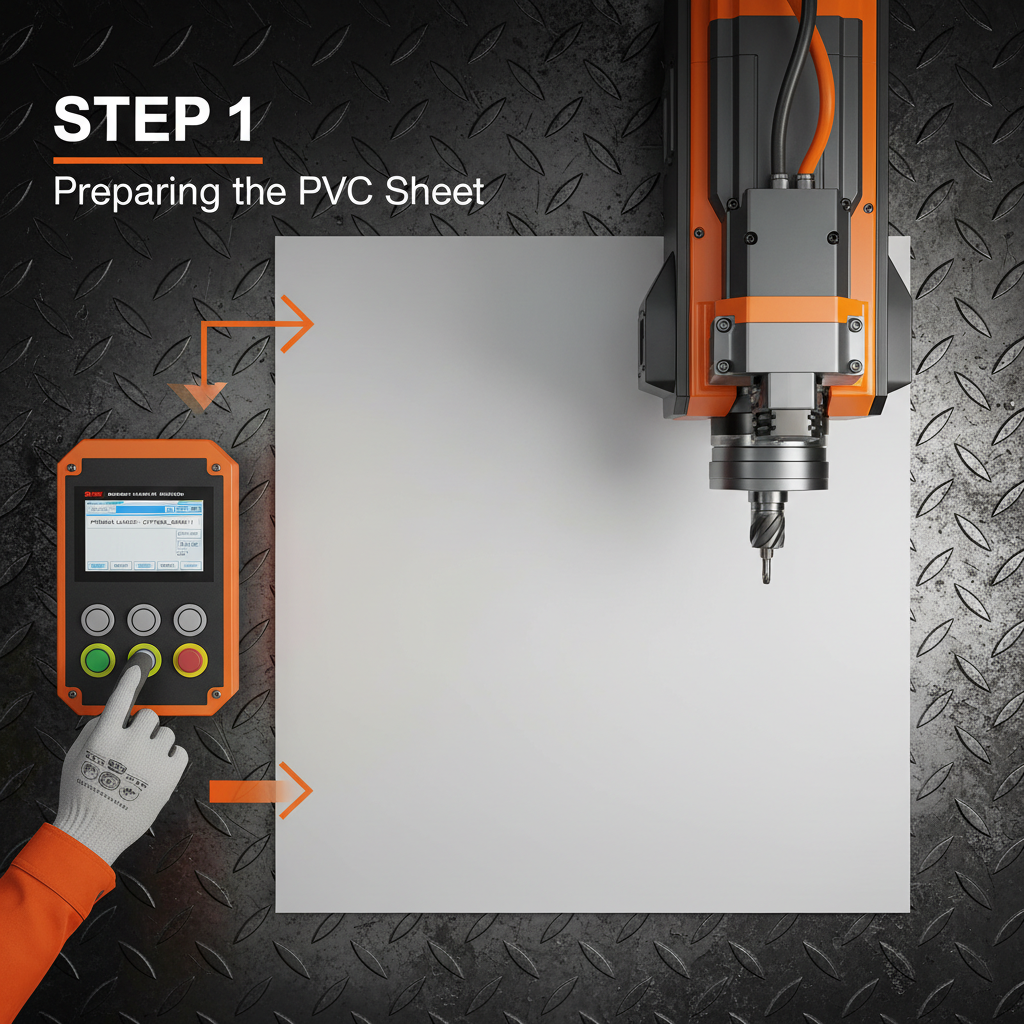
It’s also important to think about how you cut it. A regular utility knife won’t cut it. You need a circular saw with a fine-tooth blade or a router. And wear a mask. The fumes aren't pleasant.
Real-World Testing: Beyond the Lab
They do all sorts of tests in labs, of course. Tensile strength, impact resistance, flame retardancy… all that jazz. But that doesn't tell you much about how it will perform in the real world.
I prefer to see it tested on the job site. We once had a client who wanted to use CPVC sheet for a temporary sound barrier. We built a section of it and then subjected it to a week of wind, rain, and even a few accidental impacts. It held up surprisingly well.
Another time, we needed a material for a chemical containment tank. We filled a small CPVC sheet container with different acids and solvents to see if it would corrode. It didn’t. But that’s CPVC specific, not all plastics are created equal.
CPVC Sheet Performance Metrics
How It’s Actually Used: User Behavior is Key
You know, sometimes people use these materials in ways you'd never expect. We had a client who was building a vertical farm and decided to use CPVC sheet for the hydroponic channels. It’s non-toxic, doesn’t leach chemicals, and is easy to clean. It worked great.
But I also saw someone trying to use it as a roofing material once. It didn’t end well. It just wasn't designed for that kind of weight and exposure. It’s all about knowing the limitations, right?
The Good, the Bad, and the Customizable
Look, CPVC sheet is good stuff. It’s durable, lightweight, relatively inexpensive, and easy to work with. But it’s not perfect. It can be susceptible to cracking if you’re not careful, and it doesn’t have the same aesthetic appeal as some other materials.
The really cool thing is how customizable it is. You can get it cut to size, pre-drilled, even with a textured surface. We had a customer who wanted CPVC sheet panels with integrated LED lighting. We worked with the manufacturer to create a custom extrusion that had channels for the LEDs. It looked amazing.
Later… Forget it, I won’t mention the time someone tried to paint it with the wrong type of paint.
A Shenzhen Story and Practical Considerations
Last month, that small boss in Shenzhen who makes smart home devices insisted on changing the interface to for their new product enclosure, even though it meant having to retool the entire manufacturing process. He said it looked “more modern.” The result? Delays, increased costs, and a whole lot of frustration. It turns out the thicker CPVC sheet needed to accommodate the port added too much weight to the device.
That’s a good lesson: don’t change things just for the sake of changing them. Always consider the practical implications.
Ultimately, whether this thing works or not, the worker will know the moment he tightens the screw. It all comes down to practical applications and a little bit of common sense.
CPVC Sheet: Key Considerations for On-Site Implementation
| Material Grade |
Installation Environment |
Fastening Requirements |
Potential Challenges |
| Standard CPVC |
Indoor, Climate Controlled |
Self-tapping screws, adhesive bonding |
Thermal Expansion |
| UV-Resistant CPVC |
Outdoor, High UV Exposure |
Stainless steel screws, mechanical fasteners |
Long-term weathering |
| Flame-Retardant CPVC |
High-Risk Environments |
Welding, specialized adhesives |
Proper ventilation during installation |
| High-Impact CPVC |
Areas with potential for physical damage |
Reinforced fasteners, impact-resistant adhesives |
Maintaining structural integrity |
| Chemical-Resistant CPVC |
Exposure to corrosive substances |
Sealed joints, compatible adhesives |
Ensuring complete chemical resistance |
| Lightweight CPVC |
Mobile Applications |
Lightweight fasteners |
Structural Support requirements |
FAQS
CPVC sheet offers significantly higher heat resistance than standard PVC, making it suitable for applications where elevated temperatures are a concern. It also exhibits improved strength and impact resistance, and better chemical resistance, extending its usability in challenging environments. While PVC is more flexible, CPVC’s durability often outweighs that benefit in applications needing longevity and reliability.
Standard CPVC sheet can degrade over time with prolonged UV exposure, becoming brittle and losing color. However, UV-stabilized CPVC sheet is readily available. This version incorporates additives that block harmful UV rays, significantly extending its lifespan in outdoor applications. It's crucial to specify the UV-stabilized grade when outdoor use is intended.
CPVC sheet should be cut using a fine-tooth circular saw or a router with a suitable blade. Avoid using abrasive cutting tools that can melt the material. Joining can be achieved through solvent welding, mechanical fastening with stainless steel screws, or using compatible adhesives. Ensure proper surface preparation and ventilation when using solvent welding.
Yes, CPVC sheet is highly customizable. It can be cut to precise dimensions, pre-drilled with mounting holes, thermoformed into complex shapes, and even colored to match specific design aesthetics. Manufacturers often offer custom extrusion services to create integrated features like channels for wiring or lighting. This flexibility is a major advantage for specialized applications.
CPVC is inherently flame-retardant due to its chlorine content, which suppresses combustion. While not completely non-combustible, it exhibits a low flame spread and smoke development, making it safer than many other plastic materials. However, it’s crucial to verify that the specific CPVC sheet grade meets the relevant fire safety standards for the intended application.
CPVC sheet generally falls in a mid-range price point compared to acrylic and polycarbonate. Acrylic tends to be more expensive, offering superior clarity but lower impact resistance. Polycarbonate is often more affordable than CPVC but may not match its chemical resistance or heat tolerance. The actual cost will depend on the thickness, grade, and quantity ordered. Consider long-term performance and application requirements when evaluating the overall value.
Conclusion
So, there you have it. CPVC sheet isn't a magic bullet, but it's a versatile material with a lot to offer. It’s durable, chemical-resistant, customizable, and becoming increasingly popular in a wide range of applications, from prefabrication to specialized industrial uses. It's definitely a material to consider if you need something that can stand up to harsh conditions and deliver long-term performance.
Look, at the end of the day, the engineer will see if it passes the tests, the foreman will see if it’s easy to work with, and the worker will know the moment he tightens the screw whether it's going to hold. Visit our website at www.lidaplastic.com for more information.