Look, after running around construction sites all year, dealing with dust and engineers, you start to see patterns. Right now, everyone’s obsessed with “smart” everything, right? Smart materials, smart sensors… It’s a push for prefabrication, modular design, faster builds. But honestly, a lot of these “smart” solutions end up being more trouble than they’re worth. You spend more time troubleshooting the software than actually building. It’s a bit ridiculous, you know?
And the pressure to cut costs… Don’t even get me started. Everyone wants the cheapest option, but they forget that cheap often means headaches later. It’s a constant balancing act, really. You’re trying to build something durable, something reliable, but you’re also fighting against budget constraints and unrealistic deadlines. It’s exhausting.
What I’ve learned is, the basics still matter the most. A good foundation, solid materials, and skilled labor – those are the things that really make a difference. Fancy gadgets are nice, but they're just icing on the cake.
The Current Landscape of pvc sheet
Look, pvc sheet isn't exactly new. We've been using it for ages, right? But the demand's picking up, especially with this whole push for lighter-weight construction. It’s not just for drainage anymore. People are building entire walls, partitions, even cladding with the stuff. It’s strange, seeing it used in ways I never imagined when I started.
The biggest driver, though, is cost. It’s significantly cheaper than a lot of alternatives, especially when you factor in labor. And, if you’re smart about it, it’s surprisingly durable. But, and this is a big “but”, you gotta know what you’re doing.
Common Pitfalls in pvc sheet Design
To be honest, the biggest mistake I see is underestimating the expansion and contraction. pvc sheet moves with the temperature, that's just a fact. If you don’t account for that in your design – leaving enough gap, using the right fixings – you’re going to end up with warped panels and a whole lot of frustration. I encountered this at a factory in Dongguan last time… they built a whole façade and it buckled within weeks. Disaster.
Another thing? Assuming all pvc sheet is created equal. There are so many different grades, thicknesses, and formulations. Using the wrong type for the application is just asking for trouble. You need something UV resistant for exterior use, obviously, but even then, there are variations.
And don't even get me started on the adhesives. Choosing the wrong glue will ruin everything, trust me.
Material Deep Dive: Working with pvc sheet
Handling pvc sheet is… different. It doesn't smell like wood, obviously. It has this sort of plasticky odor, kinda faint. The feel is smooth, cold to the touch. A good quality sheet will have a consistent texture, not grainy or rough. Cheap stuff? You can tell immediately. It feels brittle, almost flimsy.
Cutting it's easy enough, but you need a sharp blade – a dull one will just tear it. Scoring and snapping works well for thinner sheets. Thicker stuff? A circular saw with a fine-tooth blade is the way to go. Wear safety glasses, though. Those little plastic chips fly everywhere! And ventilation, don't forget the ventilation. Some of the fumes can be… unpleasant.
You gotta be careful with heat, too. It'll soften and warp easily. Welding pvc sheet is a skill, takes practice. I've seen guys try to rush it and end up with messy, uneven joints. Later… Forget it, I won't mention it.
Real-World Testing of pvc sheet
Lab tests are fine, I guess, but they don’t tell you the whole story. I’ve seen stuff pass all the certification requirements and still fall apart on site. What I look for is real-world performance. How does it handle being exposed to the elements? How does it react to temperature swings? How well does it hold up to rough handling?
We do simple tests: Bend it, scratch it, leave it out in the sun for a few weeks. We’ll even drive a truck tire over it, just to see how much it can take. Sounds crazy, but it gives you a good indication of its durability.
pvc sheet Performance Metrics
How Users Actually Employ pvc sheet
Honestly, people use it in ways you wouldn't believe. I’ve seen it used for everything from temporary fencing to interior wall panels. It’s popular for DIY projects, because it’s easy to work with. But, have you noticed how often people underestimate the importance of proper support? They’ll hang a heavy object on a pvc sheet panel without realizing it’s going to sag over time. It's a common problem.
Another thing: people often try to paint it without priming first. The paint just won't adhere properly. It’ll peel off within months. Simple stuff, really, but people skip these steps.
Advantages and Drawbacks of pvc sheet
The advantages are pretty clear: it’s cheap, lightweight, and relatively durable. It’s also waterproof, which is a big plus for certain applications. But it’s not perfect. It’s not as strong as metal or wood, obviously. It’s also susceptible to UV degradation if you don’t use a UV-resistant grade. And, let's be real, it doesn’t exactly scream "high-end aesthetic".
It’s a trade-off, always. You’re sacrificing some strength and aesthetics for cost and convenience. It’s a good solution for a lot of applications, but you need to be realistic about its limitations.
I once tried to use it for a structural support… don’t ask. It didn't end well.
Customization Options for pvc sheet
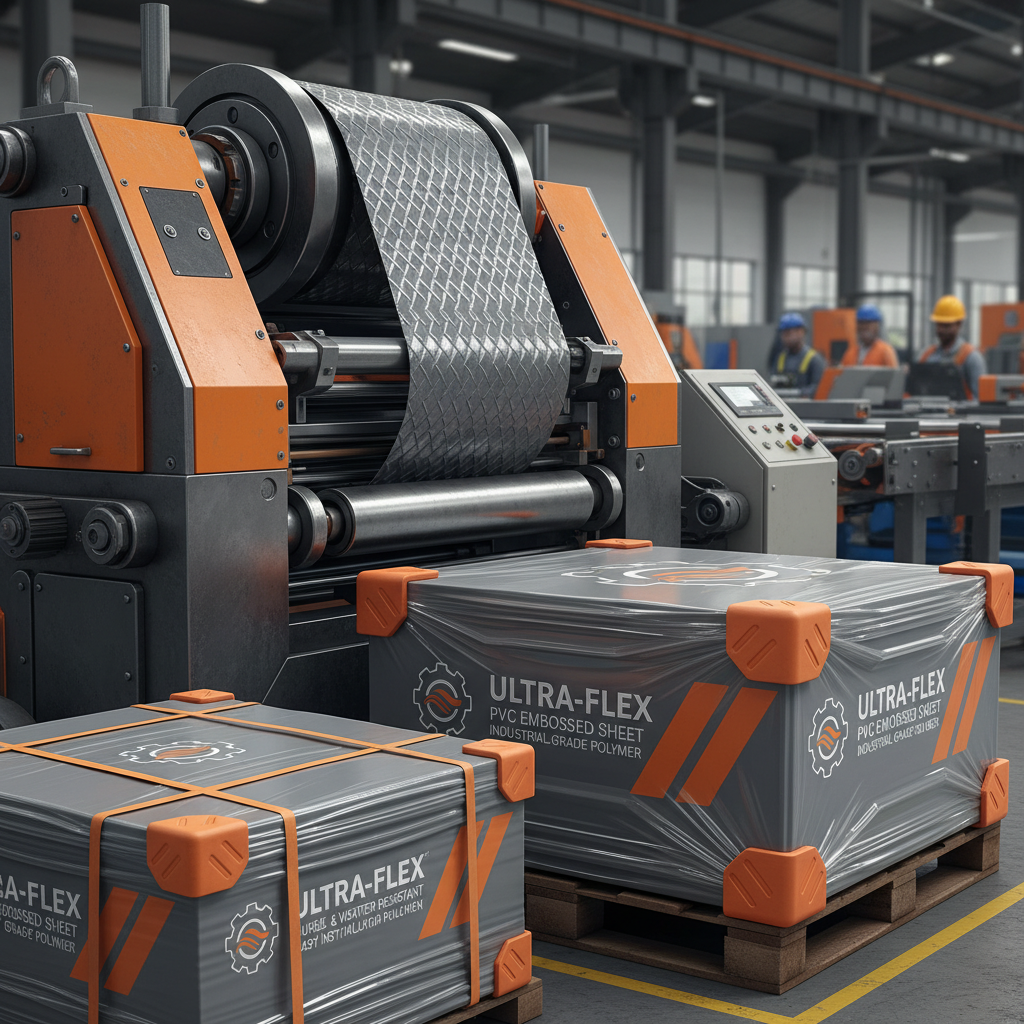
You can get pvc sheet in a pretty wide range of colors and thicknesses. You can also have it custom-cut to size. But the really interesting stuff happens when you start talking about surface treatments. You can get it embossed with different textures, or coated with different finishes.
Last month, that small boss in Shenzhen who makes smart home devices insisted on changing the interface to , and the result was a complete mess! He wanted a custom-colored pvc sheet panel with a specific texture to match his brand. Took weeks to get it right, and it ended up costing him a fortune. He should’ve just stuck with the standard options.
Anyway, I think it all comes down to knowing what’s possible and being willing to pay for it.
Summary of Key pvc sheet Customization Considerations
| Customization Type |
Complexity |
Cost Impact |
Lead Time |
| Color Matching |
Low |
Medium |
1-2 Weeks |
| Texture Embossing |
Medium |
High |
3-4 Weeks |
| Custom Cutting |
Low |
Low |
1 Week |
| Surface Coating (UV Protection) |
Medium |
Medium |
2 Weeks |
| Edge Finishing (Routing, Polishing) |
Low to Medium |
Low to Medium |
1-2 Weeks |
| Complex Shape Fabrication |
High |
Very High |
4+ Weeks |
FAQS
That's a tricky one. It really depends on the grade of pvc sheet, the intensity of the sunlight, and the climate. Generally, without a UV stabilizer, you’re looking at a couple of years before it starts to become brittle and discolored. With a good UV coating, you can extend that to 5-7 years, maybe even longer. But remember, even UV protection degrades over time. It’s not a permanent solution.
It can, but it’s not as straightforward as recycling aluminum or glass. The recycling process is more complex and not all facilities are equipped to handle it. It’s also often downcycled – meaning it’s turned into a lower-quality product. There’s a growing push for more sustainable pvc sheet recycling, but it's still a work in progress.
Welding is the strongest option, but it requires skill and the right equipment. For simpler projects, a good quality pvc adhesive will do the trick. Make sure the surfaces are clean and dry before applying the adhesive. Also, consider mechanical fasteners – screws, bolts – for added strength. But pre-drill the holes, otherwise you’ll crack the pvc sheet.
It’s not inherently fireproof, but it's self-extinguishing. That means if you remove the flame, it will stop burning. However, it will release toxic fumes when burned, so it’s important to use it in accordance with local building codes. There are flame-retardant grades available, but they’re more expensive.
You’ll see it used for siding, roofing, fencing, decking, and even outdoor furniture. It's a popular choice for coastal areas because it’s resistant to saltwater corrosion. But again, you need to use a UV-resistant grade and ensure proper installation to prevent warping and cracking.
Generally, soap and water is all you need. Avoid harsh chemicals or abrasive cleaners, as they can damage the surface. For stubborn stains, you can try a mild solvent like rubbing alcohol, but test it in an inconspicuous area first. A pressure washer can also be used, but be careful not to use too much pressure, or you'll damage the material.
Conclusion
Ultimately, pvc sheet is a versatile material with a lot to offer. It’s not a magic bullet, and it has its limitations, but when used correctly, it can be a cost-effective and durable solution for a wide range of applications. It's all about understanding its strengths and weaknesses, and choosing the right grade for the job. You gotta know your materials.
And honestly? Whether this thing works or not, the worker will know the moment he tightens the screw. That's the bottom line. All the lab tests and fancy specs in the world don’t matter if it doesn’t hold up in the real world. And that's what I've learned after all these years.