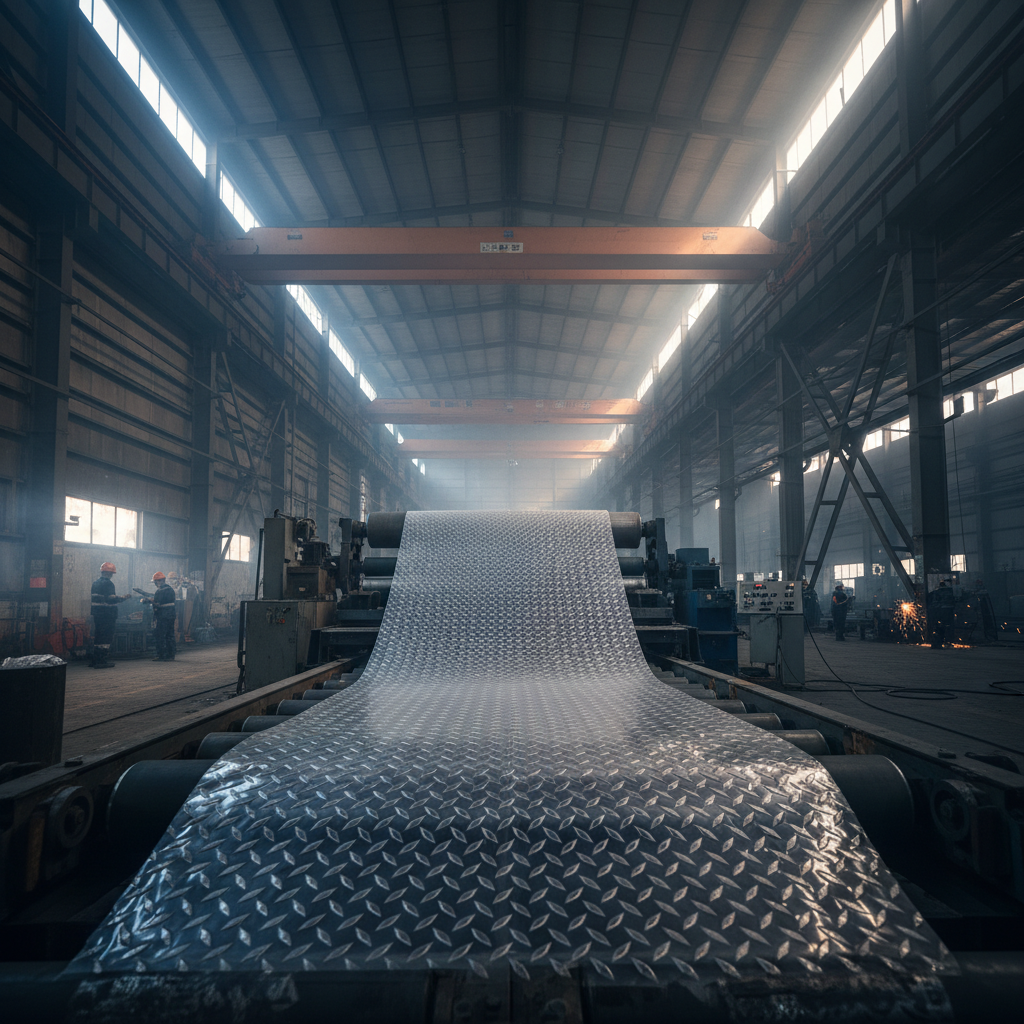
pvc panels are increasingly vital in modern construction and design, offering a versatile and cost-effective alternative to traditional materials. Their application spans numerous industries, from building and construction to healthcare and transportation, driven by a need for durable, lightweight, and sustainable solutions. Understanding the properties and benefits of pvc panels is crucial for architects, engineers, and anyone involved in building projects seeking innovation and efficiency.
The global demand for pvc panels is experiencing substantial growth, fueled by rapid urbanization, increasing infrastructure development in emerging economies, and a heightened awareness of sustainable building practices. According to a report by Grand View Research, the global PVC panels market size was valued at USD 6.79 billion in 2022 and is projected to reach USD 10.39 billion by 2030, exhibiting a CAGR of 5.3% during the forecast period. This expansion underscores the growing recognition of pvc panels as a key component in the construction landscape.
However, with this increasing adoption comes the challenge of ensuring responsible production and disposal, addressing concerns about environmental impact and promoting circular economy principles within the pvc panel industry. The future lies in innovation focused on sustainable PVC formulations and efficient recycling processes.
Introduction to pvc panel
pvc panels represent a significant advancement in building materials, offering a unique combination of affordability, versatility, and durability. They have become a staple in both residential and commercial construction, replacing traditional materials like wood, metal, and fiberglass in a multitude of applications. Their lightweight nature simplifies installation and reduces structural load.
The inherent resistance of pvc panels to moisture, corrosion, and impact damage extends their lifespan, minimizing maintenance costs and maximizing return on investment. As sustainability becomes a greater concern, the development of eco-friendly PVC formulations and recycling initiatives are further bolstering the appeal of these panels.
Defining pvc panel
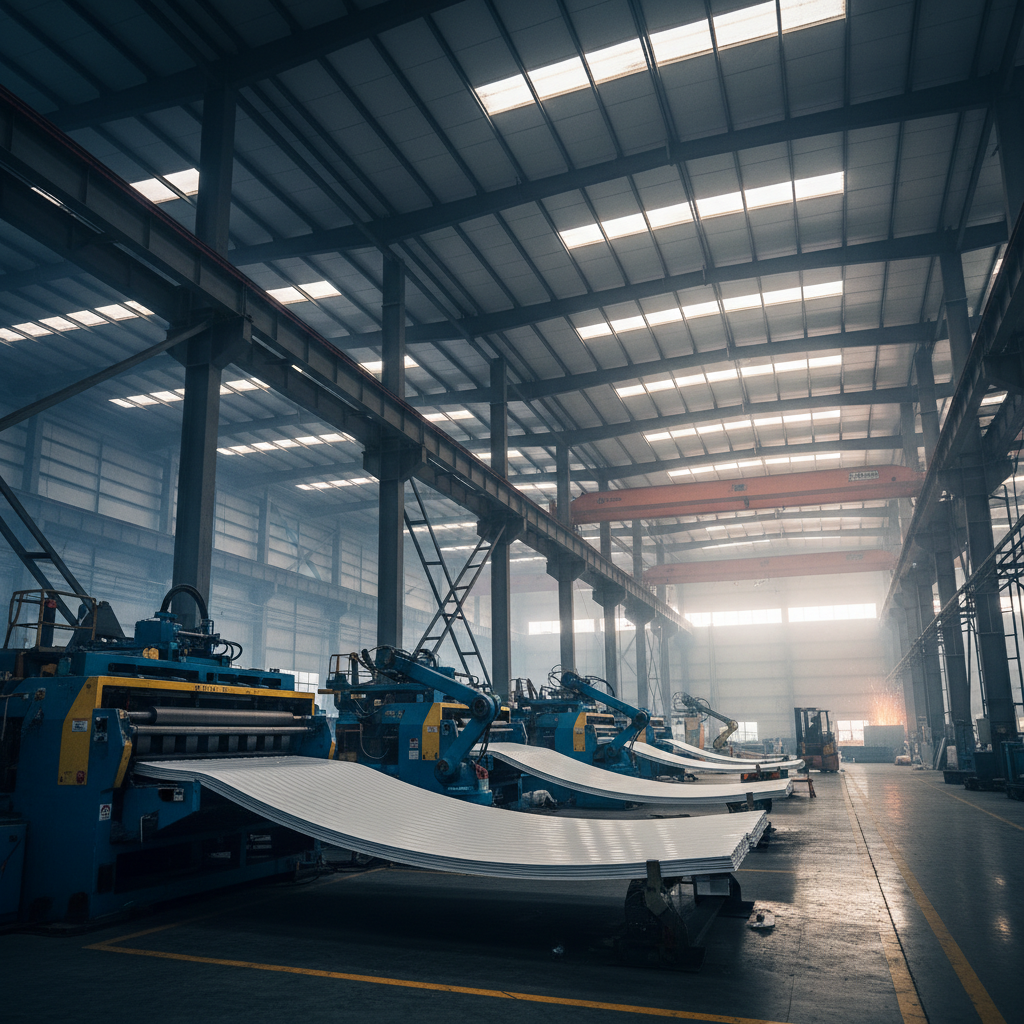
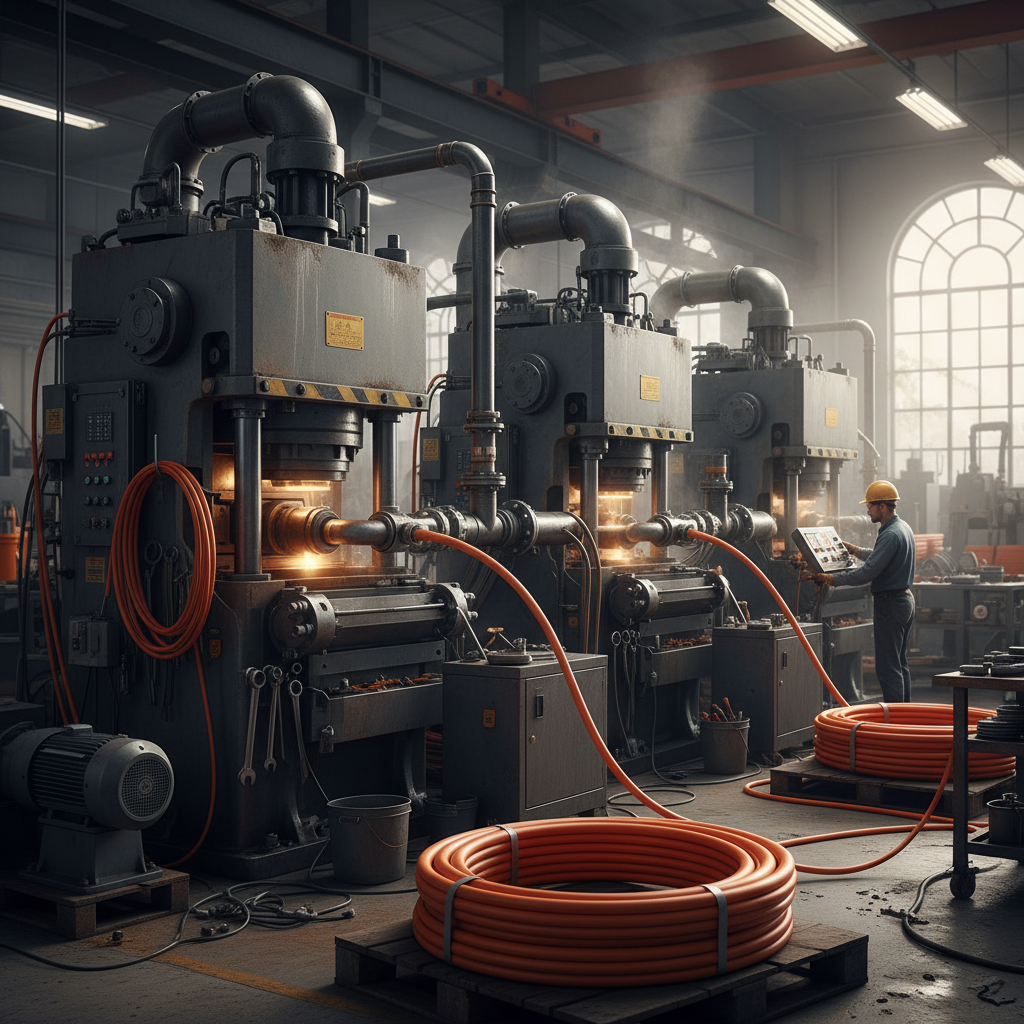
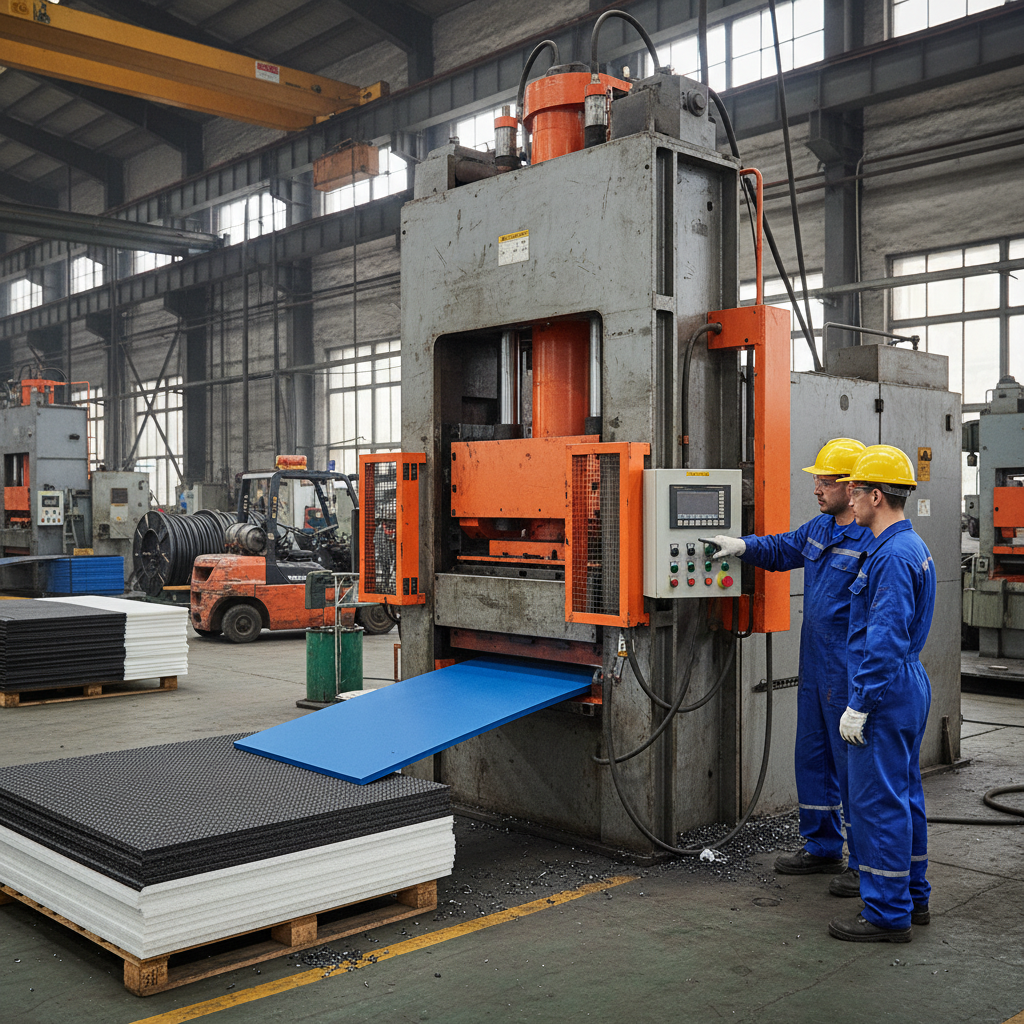
Essentially, a pvc panel is a rigid or semi-rigid sheet manufactured from polyvinyl chloride (PVC), a versatile thermoplastic polymer. These panels are created through extrusion or calendaring processes, resulting in a smooth, durable surface that can be customized in various colors, textures, and thicknesses. They are commonly used as an alternative to wood or metal in both interior and exterior applications.
The connection of pvc panels to modern industry is undeniable. They streamline construction, reduce material waste, and offer a cost-effective solution for a wide array of building needs. In humanitarian contexts, pvc panels are used in the construction of temporary shelters and sanitation facilities, providing durable and hygienic living conditions for displaced populations.
Their resistance to weathering and pests makes them particularly valuable in areas prone to harsh climates or insect infestations, promoting long-term structural integrity and reduced maintenance burdens.
Core Characteristics of pvc panel
Durability is a hallmark of pvc panels. They resist rot, decay, and insect damage, ensuring a longer service life compared to many traditional building materials. Their impact resistance also contributes to their longevity, particularly in high-traffic areas or environments prone to accidental damage.
Cost-efficiency is another key advantage. pvc panels are generally less expensive than wood, metal, or fiberglass, making them an attractive option for budget-conscious projects. Lower installation costs due to their lightweight nature and ease of handling further contribute to overall savings.
Versatility allows pvc panels to be used in a wide range of applications, from wall cladding and ceiling tiles to bathroom partitions and decorative elements. They can be easily cut, shaped, and joined, providing design flexibility and customization options.
Applications of pvc panel
pvc panels are extensively used in the construction of residential buildings, including interior walls, ceilings, bathrooms, and kitchens. Their moisture resistance makes them ideal for areas prone to humidity, such as bathrooms and laundry rooms. They're also popular for exterior siding and soffit applications due to their weather resistance.
In commercial settings, pvc panels are frequently utilized in offices, retail spaces, and healthcare facilities. Their hygienic properties and ease of cleaning make them suitable for environments requiring high sanitation standards. They're also employed in the construction of modular buildings and temporary structures.
Comparative Performance of pvc panel Applications
Benefits and Value of pvc panel
The tangible benefits of utilizing pvc panels extend beyond initial cost savings. Reduced maintenance requirements, due to their resistance to decay and pests, translate into long-term financial benefits. Their lightweight nature minimizes transportation costs and simplifies installation, further enhancing their economic value.
From a sustainability perspective, advancements in PVC recycling technologies are minimizing the environmental footprint of these panels. The durability of pvc panels also reduces the need for frequent replacements, conserving resources and minimizing waste generation.
Future Trends in pvc panel
The future of pvc panels is closely tied to advancements in material science and sustainable manufacturing practices. Research is underway to develop bio-based PVC formulations, utilizing renewable feedstocks to reduce reliance on fossil fuels. These "green PVC" options offer a lower carbon footprint and enhanced environmental performance.
Digital technologies are also playing a role, with computer-aided design (CAD) and computer-aided manufacturing (CAM) streamlining the production process and enabling the creation of complex pvc panel designs. Automated installation techniques are further enhancing efficiency and reducing labor costs.
Smart pvc panels, incorporating sensors and connectivity, are emerging as a potential trend, enabling real-time monitoring of environmental conditions and structural integrity within buildings.
Challenges and Solutions for pvc panel
Despite their numerous benefits, pvc panels face challenges related to environmental concerns regarding the use of phthalates and the recyclability of PVC. Addressing these concerns requires ongoing research into alternative plasticizers and improved recycling infrastructure.
Another challenge is maintaining consistent quality standards across different manufacturers. Implementing rigorous quality control measures and adhering to industry certifications can help ensure the reliability and performance of pvc panels.
The solution lies in embracing a circular economy approach, prioritizing the recovery and reuse of PVC waste, and promoting the development of closed-loop recycling systems. Furthermore, educating consumers and stakeholders about the benefits of responsible PVC production and disposal is crucial.
Summary of Challenges and Potential Solutions for pvc panel
| Challenge |
Impact |
Proposed Solution |
Implementation Difficulty (1-10) |
| Phthalate Use |
Health and Environmental Concerns |
Develop and Adopt Alternative Plasticizers |
7 |
| Limited Recyclability |
Waste Accumulation and Environmental Pollution |
Invest in Advanced Recycling Technologies |
8 |
| Inconsistent Quality |
Variable Performance and Durability |
Implement Stricter Quality Control Standards |
6 |
| Consumer Perception |
Negative Associations and Hesitancy |
Educate Consumers About Sustainable PVC |
5 |
| Regulatory Compliance |
Varying Standards and Restrictions |
Harmonize Regulations and Promote Best Practices |
9 |
| Lack of Infrastructure |
Limited Recycling Facilities |
Increase Investment in Recycling Infrastructure |
7 |
FAQS
pvc panel offers significant advantages over wood, including superior resistance to moisture, rot, and insect damage. This eliminates the need for chemical treatments and reduces long-term maintenance costs. It’s also lighter weight, simplifying installation, and generally more affordable. pvc panel doesn't require painting or staining, offering a durable and consistent finish.
While PVC traditionally had environmental concerns, advancements in manufacturing and recycling are improving its sustainability. Many manufacturers now utilize recycled PVC content and are developing bio-based PVC formulations. The longevity of pvc panel also contributes to its environmental benefits, reducing the need for frequent replacements and conserving resources.
Yes, pvc panel is exceptionally well-suited for outdoor applications due to its resistance to moisture, UV radiation, and extreme temperatures. It won't rot, warp, or fade, making it an ideal choice for siding, trim, and other exterior elements.
With proper installation and maintenance, pvc panel installations can last for decades, often exceeding 50 years. Its durability and resistance to environmental factors contribute to its long-term performance, minimizing the need for replacements.
pvc panel is generally considered easy to install, especially compared to heavier materials like wood or metal. It can be cut with standard woodworking tools and fastened with screws or adhesives. However, proper installation techniques are essential to ensure a watertight and secure fit.
Cleaning pvc panel is simple – typically, a mild soap and water solution is sufficient. For stubborn stains, a gentle cleaner designed for plastics can be used. Avoid abrasive cleaners or solvents that could damage the surface. Regular cleaning will help maintain its appearance and prolong its lifespan.
Conclusion
In conclusion, pvc panels offer a compelling combination of durability, cost-effectiveness, versatility, and increasingly, sustainability. Their wide range of applications, from residential construction to commercial projects and even humanitarian aid, demonstrates their significant value across numerous sectors. By embracing innovative manufacturing processes and prioritizing recycling efforts, the pvc panel industry can further minimize its environmental impact and maximize its contribution to a more sustainable future.
Looking ahead, continued research and development in bio-based PVC formulations and advanced recycling technologies will be crucial for ensuring the long-term viability of this important material. Investing in improved infrastructure and educating consumers about the benefits of responsible PVC usage will also be essential for realizing its full potential. Visit our website at www.lidaplastic.com to learn more about our range of pvc panel solutions.