High-Density Polyethylene (HDPE) board is a remarkably versatile thermoplastic polymer widely utilized across a multitude of industries. Its robust characteristics – including high impact resistance, excellent chemical resistance, and low moisture absorption – make it an ideal material for demanding applications. Understanding the properties and applications of hdpe board is crucial for engineers, designers, and procurement specialists seeking durable, cost-effective, and sustainable material solutions.
Globally, the demand for hdpe board is steadily increasing, driven by growth in key sectors such as construction, automotive, packaging, and marine. According to recent market reports, the global HDPE market is projected to reach \$40.7 billion by 2027, indicating a significant opportunity for innovation and adoption of this material. However, challenges related to plastic waste management and the need for more sustainable production processes remain pressing concerns.
HDPE board offers a compelling solution to many of these challenges, providing a durable and recyclable alternative to traditional materials like wood, metal, and fiberglass. Its long-term performance and low maintenance requirements contribute to reduced life-cycle costs, making it an increasingly attractive option for businesses and organizations worldwide.
Introduction to hdpe board
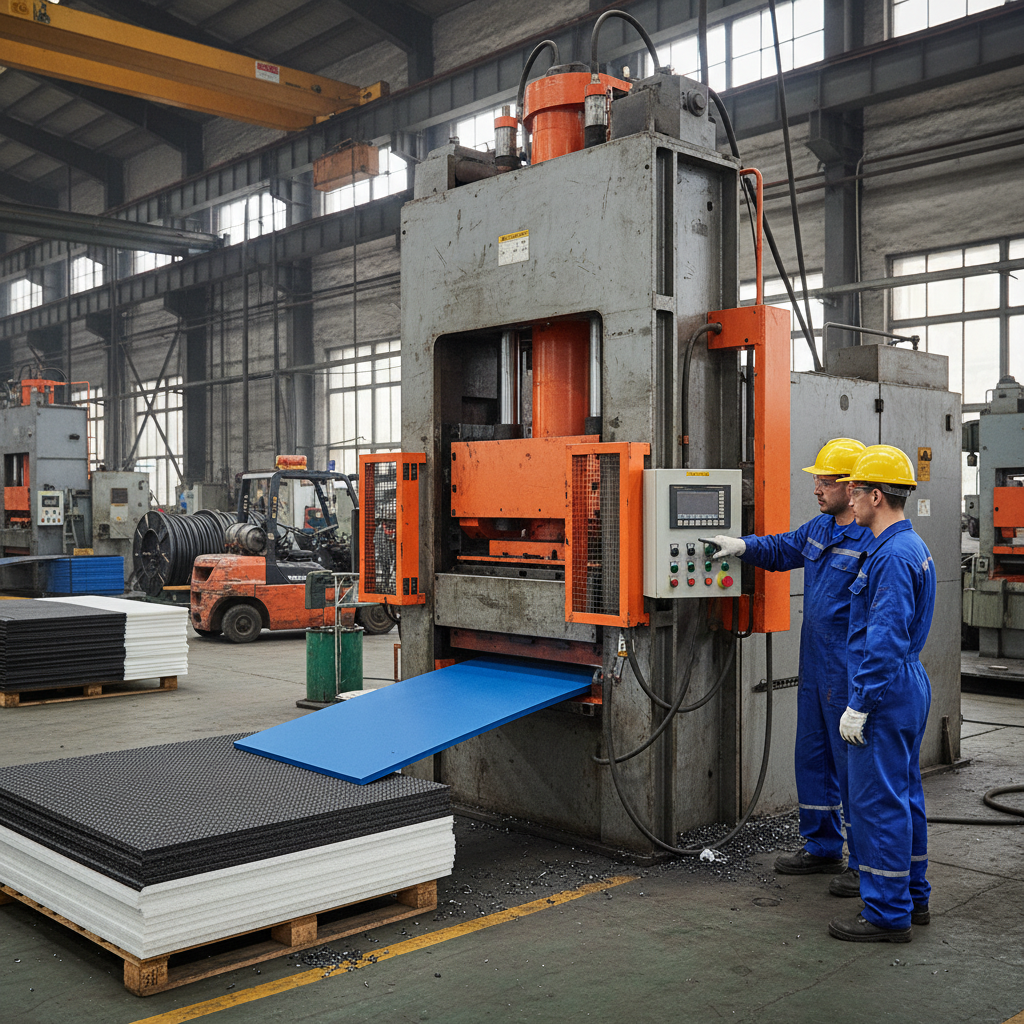
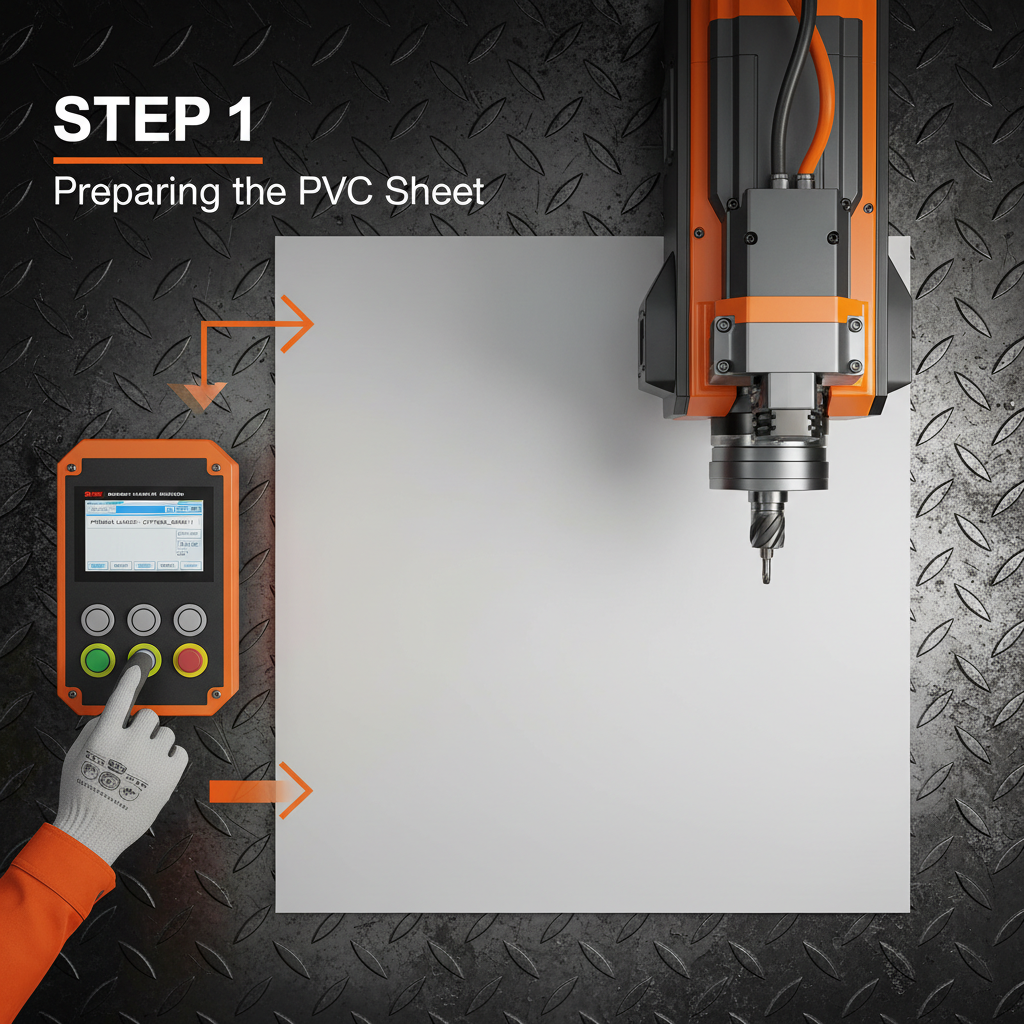
HDPE board, short for High-Density Polyethylene board, is a thermoplastic polymer created from petroleum. It is known for its high strength-to-density ratio, making it a lightweight yet remarkably durable material. Its versatility stems from its ease of fabrication, allowing it to be cut, shaped, welded, and machined to meet a wide range of design requirements.
The growing popularity of hdpe board is fueled by its environmental benefits compared to traditional materials. It is 100% recyclable, reducing landfill waste and promoting a circular economy. Furthermore, its resistance to corrosion and degradation minimizes the need for replacements, leading to long-term cost savings and a smaller environmental footprint.
Defining hdpe board
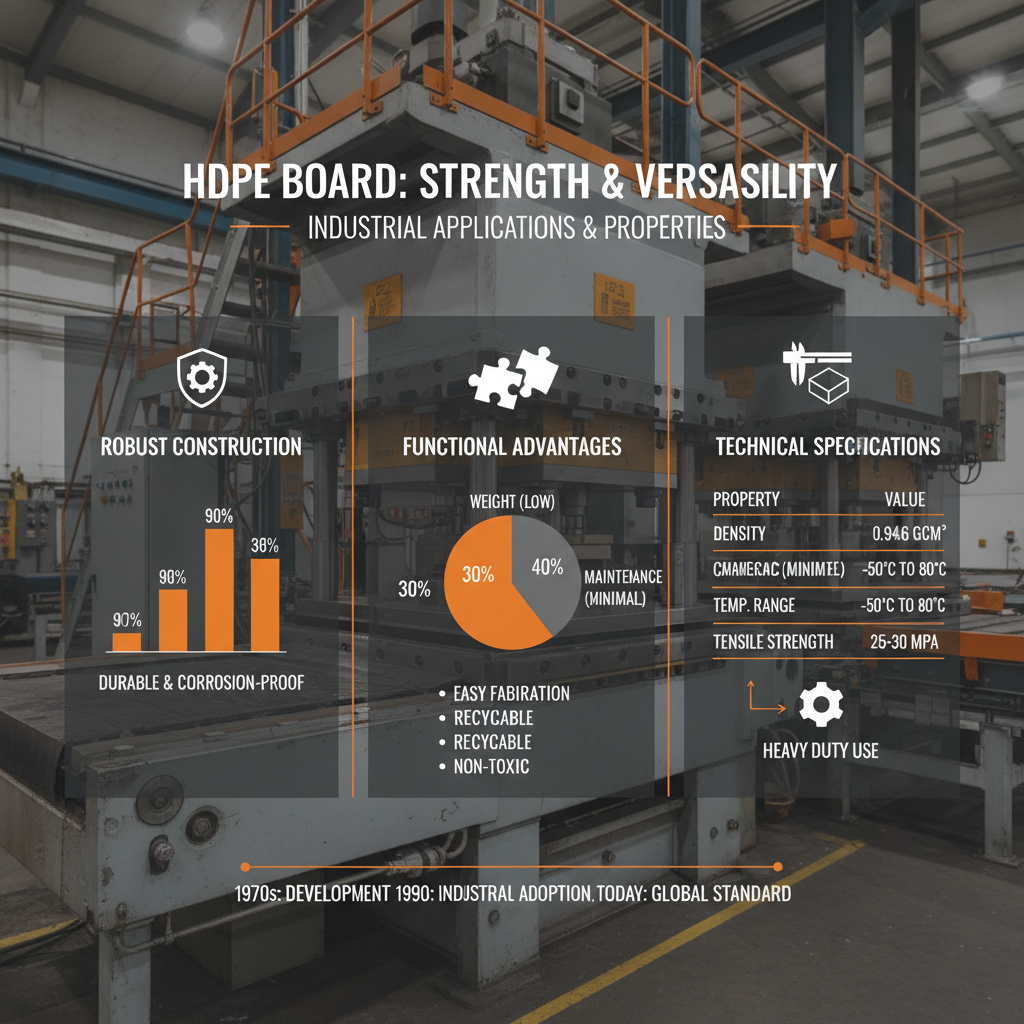
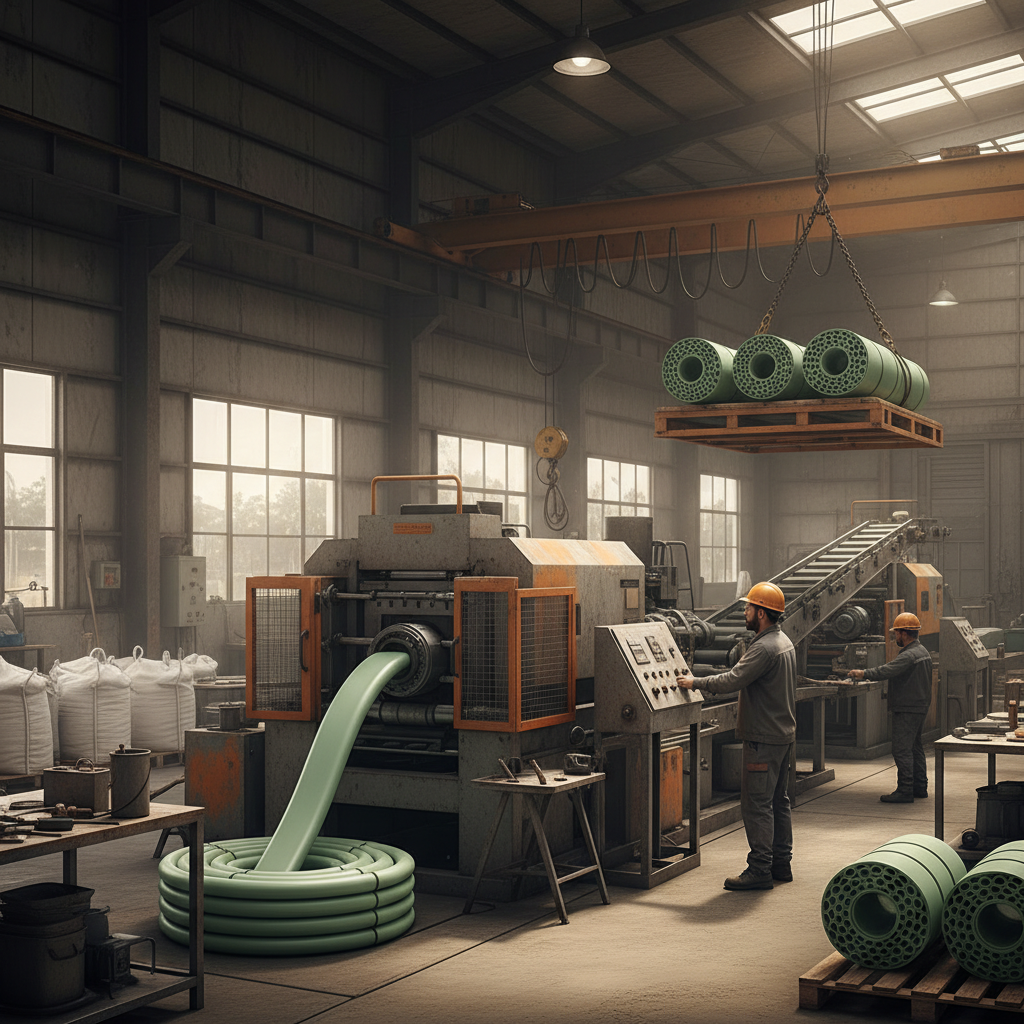
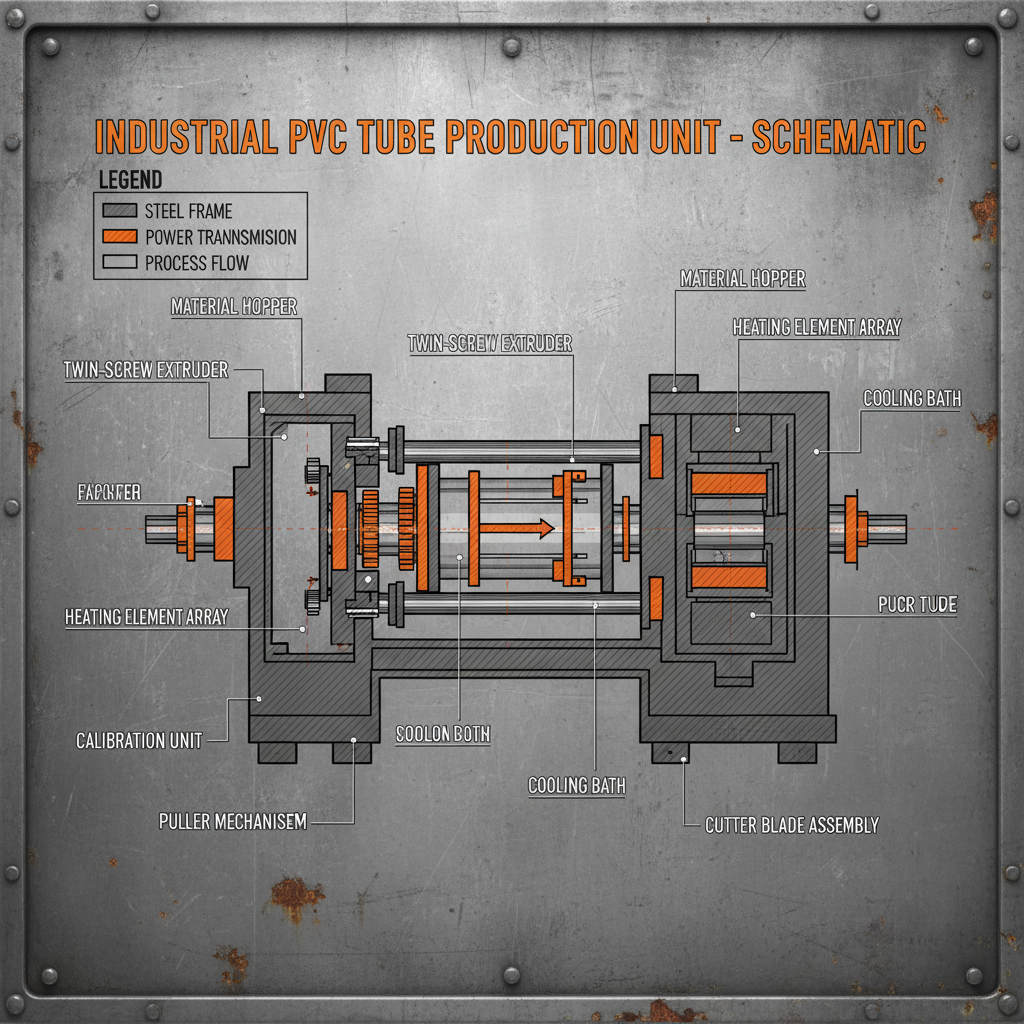
HDPE board is a polyethylene thermoplastic with a high density, typically ranging from 0.941 to 0.965 g/cm³. This density contributes to its superior strength, stiffness, and resistance to chemicals and moisture. It's often produced in sheet, rod, and tube forms, making it adaptable to a diverse array of fabrication processes.
In the modern industrial landscape, hdpe board is replacing traditional materials in numerous applications. Its affordability, coupled with its exceptional performance characteristics, makes it a preferred choice for companies seeking to optimize their operations and reduce costs. From protective barriers and storage containers to marine applications and construction components, hdpe board is demonstrating its value across various sectors.
The material’s inherent properties address critical humanitarian needs too. Its durability and resistance to the elements make it suitable for constructing temporary shelters, sanitation facilities, and water storage solutions in disaster-affected areas, offering a rapid and effective response to emergencies.
Key Characteristics of hdpe board
Durability is a cornerstone of hdpe board's appeal. It withstands impact, abrasion, and fatigue without significant degradation, ensuring long-lasting performance even in harsh environments. This characteristic minimizes maintenance requirements and extends the lifespan of products constructed from this material.
Chemical resistance is another significant advantage. Hdpe board is largely unaffected by most acids, bases, and solvents, making it ideal for applications involving corrosive substances. This property is particularly crucial in industries such as chemical processing, pharmaceuticals, and wastewater treatment.
Low moisture absorption prevents swelling and warping, maintaining dimensional stability even when exposed to wet conditions. This makes hdpe board a reliable choice for outdoor applications, marine environments, and food processing facilities where hygiene and structural integrity are paramount. Its inherent resistance to rot and mildew further enhances its longevity.
Diverse Applications of hdpe board
The applications of hdpe board are exceptionally diverse. In the construction industry, it's used for creating weatherproof cladding, temporary fencing, and protective barriers on building sites. Its lightweight nature and ease of installation contribute to faster project completion times and reduced labor costs.
The marine industry utilizes hdpe board extensively for constructing docks, piers, and boat fenders due to its resistance to saltwater and UV radiation. Packaging relies on it for durable crates, pallets, and containers that protect goods during transportation. In the agricultural sector, it’s used for constructing irrigation systems, feed troughs, and animal shelters.
Application Breakdown of hdpe board
Advantages and Long-Term Value of hdpe board
The cost-effectiveness of hdpe board is a major driver of its adoption. Compared to alternative materials, it often offers a lower initial investment, coupled with reduced maintenance and replacement costs over its lifespan. This translates to significant savings for businesses and organizations.
Beyond economic benefits, hdpe board contributes to sustainability by offering a recyclable and durable material that minimizes waste. Its long-term reliability ensures that products last longer, reducing the need for frequent replacements and minimizing environmental impact. This aligns with growing consumer demand for eco-friendly solutions.
Future Trends in hdpe board Technology
Innovation in hdpe board technology is focused on enhancing its properties and expanding its applications. Researchers are exploring the incorporation of bio-based additives to reduce reliance on fossil fuels and improve biodegradability. The development of advanced processing techniques is leading to thinner, lighter, and stronger hdpe board products.
The integration of digital technologies, such as 3D printing, is opening new possibilities for creating complex geometries and customized hdpe board components. This will allow for more efficient material usage and tailored solutions for specific applications. Automation in manufacturing processes will further reduce production costs and improve consistency.
Challenges and Solutions for hdpe board
One of the primary challenges associated with hdpe board is the issue of plastic waste management. While recyclable, effective collection and processing infrastructure are crucial for realizing its full environmental benefits. Investing in advanced recycling technologies and promoting responsible disposal practices are essential steps.
Another challenge is the potential for degradation from prolonged UV exposure. However, this can be mitigated by incorporating UV stabilizers into the material formulation or applying protective coatings. Addressing concerns about microplastic shedding requires ongoing research and the development of innovative solutions to prevent plastic particles from entering the environment.
Furthermore, improving the public perception of plastics and educating consumers about the benefits of responsible plastic use and recycling are crucial for fostering a circular economy and ensuring the long-term sustainability of hdpe board.
Summary of Key Solutions and Approaches for Optimizing hdpe board Performance
| Challenge |
Solution Approach |
Implementation Cost (1-10) |
Expected Impact (1-10) |
| Plastic Waste Accumulation |
Investment in Advanced Recycling Facilities |
8 |
9 |
| UV Degradation |
Incorporation of UV Stabilizers |
4 |
7 |
| Microplastic Shedding |
Development of Polymer Coatings |
6 |
6 |
| Public Perception of Plastics |
Public Awareness Campaigns |
3 |
5 |
| Limited Biodegradability |
Bio-Based Additive Integration |
7 |
8 |
| Material Cost Fluctuations |
Strategic Sourcing & Long-Term Contracts |
5 |
6 |
FAQS
Hdpe board offers significant advantages over wood in outdoor applications. It's completely waterproof, resisting rot, mildew, and insect damage. It requires no painting or staining, reducing maintenance costs. Additionally, it's more durable and has a longer lifespan than wood, making it a more sustainable and cost-effective choice. Its consistent dimensions also simplify construction and ensure a more precise fit, unlike wood which can warp and swell.
Hdpe board exhibits excellent performance across a broad temperature range. It maintains its structural integrity and doesn’t become brittle in cold weather. While it can expand and contract with temperature fluctuations, this is predictable and can be accounted for in design. Its resistance to UV degradation also ensures it can withstand prolonged exposure to sunlight without significant deterioration.
Yes, hdpe board is a highly sustainable material. It’s 100% recyclable, reducing landfill waste and promoting a circular economy. Recycled hdpe board can be used to create new products, further minimizing environmental impact. Moreover, its long lifespan and low maintenance requirements contribute to reduced resource consumption over its life cycle.
In the marine industry, hdpe board is widely used for constructing docks, piers, fenders, and boat parts. Its resistance to saltwater corrosion, UV radiation, and impact makes it an ideal material for these applications. It's also lightweight, making it easier to handle and install, and it requires minimal maintenance. Because it doesn’t absorb water, it doesn’t add weight or become structurally compromised over time.
The initial cost of hdpe board can be comparable to or slightly higher than some traditional materials like steel or aluminum. However, when considering the total cost of ownership, hdpe board often proves more economical. Its low maintenance requirements, long lifespan, and resistance to corrosion eliminate the need for frequent repairs and replacements, resulting in significant long-term savings.
Yes, hdpe board is incredibly easy to machine and fabricate using standard woodworking tools. It can be cut, drilled, routed, welded, and thermoformed without requiring specialized equipment. Its consistent density and lack of grain make it predictable to work with, allowing for precise and efficient fabrication.
Conclusion
In conclusion, hdpe board stands out as a remarkably versatile and valuable material with a broad spectrum of applications. Its exceptional durability, chemical resistance, low maintenance requirements, and recyclability make it a compelling alternative to traditional materials across diverse industries. By embracing this material, organizations can enhance operational efficiency, reduce costs, and contribute to a more sustainable future.
Looking ahead, continued innovation in hdpe board technology, coupled with increased awareness of its benefits and responsible waste management practices, will unlock even greater potential. We encourage you to explore the possibilities of hdpe board for your next project and discover how it can deliver long-term value and sustainability. Visit our website at www.lidaplastic.com to learn more.