hdpe panel are rapidly becoming a cornerstone material in numerous industries, offering a versatile and durable solution for a wide array of applications. From construction and infrastructure to packaging and consumer goods, their unique properties – including high strength-to-density ratio, chemical resistance, and recyclability – make them an increasingly sought-after material. Understanding the benefits and applications of hdpe panel is crucial for businesses and organizations looking to optimize performance, reduce costs, and embrace sustainable practices.
The global demand for high-performance plastics, including hdpe panel, is experiencing substantial growth, driven by increasing urbanization, infrastructure development, and a growing focus on material longevity. According to recent industry reports, the polyethylene market is projected to reach \$417.1 billion by 2030. This expansion is particularly significant in emerging economies where rapid industrialization and infrastructure projects require robust and cost-effective materials like hdpe panel.
Addressing the need for durable, lightweight, and cost-effective solutions, hdpe panel offers a compelling alternative to traditional materials like wood, metal, and concrete. This makes it an increasingly important material in modern construction, industrial applications, and a range of other sectors globally.
Introduction to hdpe panel
hdpe panel represent a significant advancement in material science, providing a balance of strength, versatility, and cost-effectiveness. Their increasing adoption is driven by a growing need for materials that can withstand harsh environments and deliver long-lasting performance.
These panels are produced from high-density polyethylene, a thermoplastic polymer known for its excellent chemical resistance, impact strength, and durability. The ability to tailor hdpe panel to specific applications through variations in thickness, density, and additives makes them suitable for a broad spectrum of industries.
Defining hdpe panel
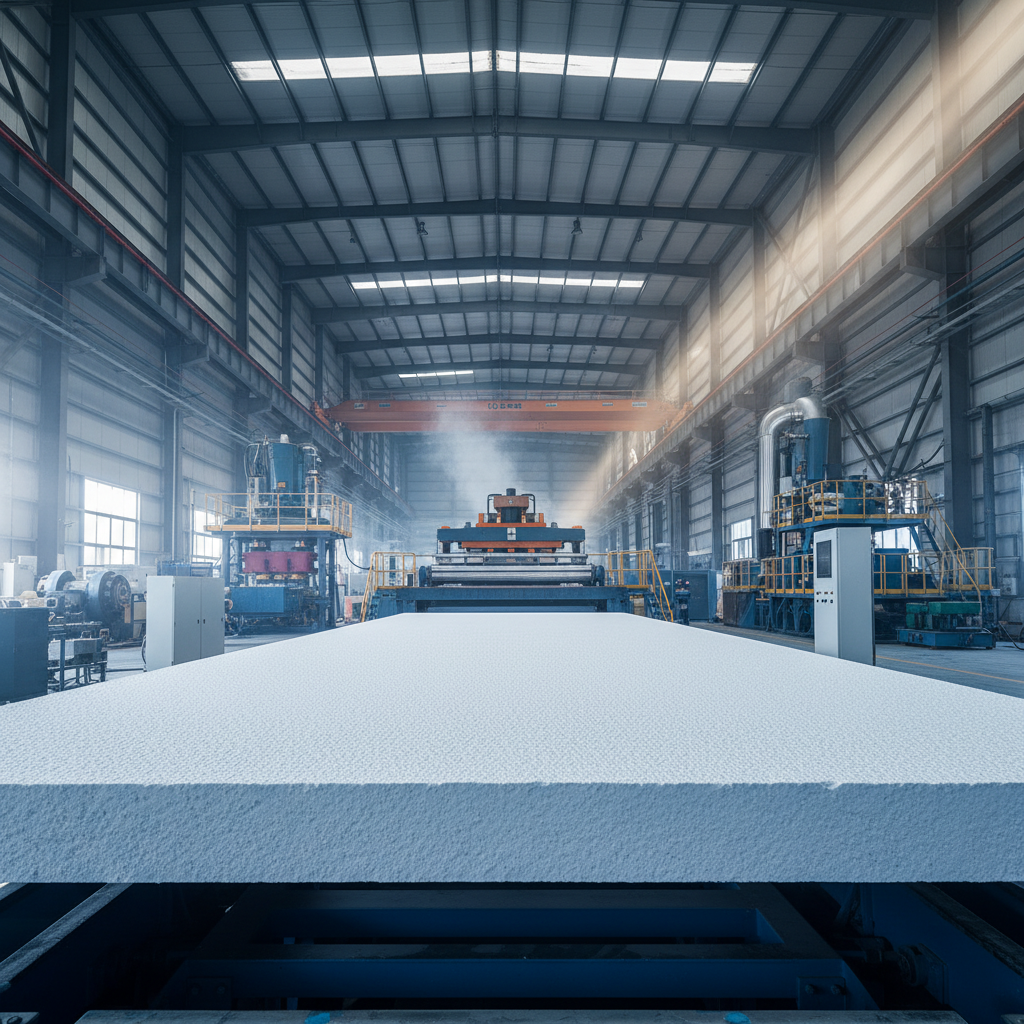
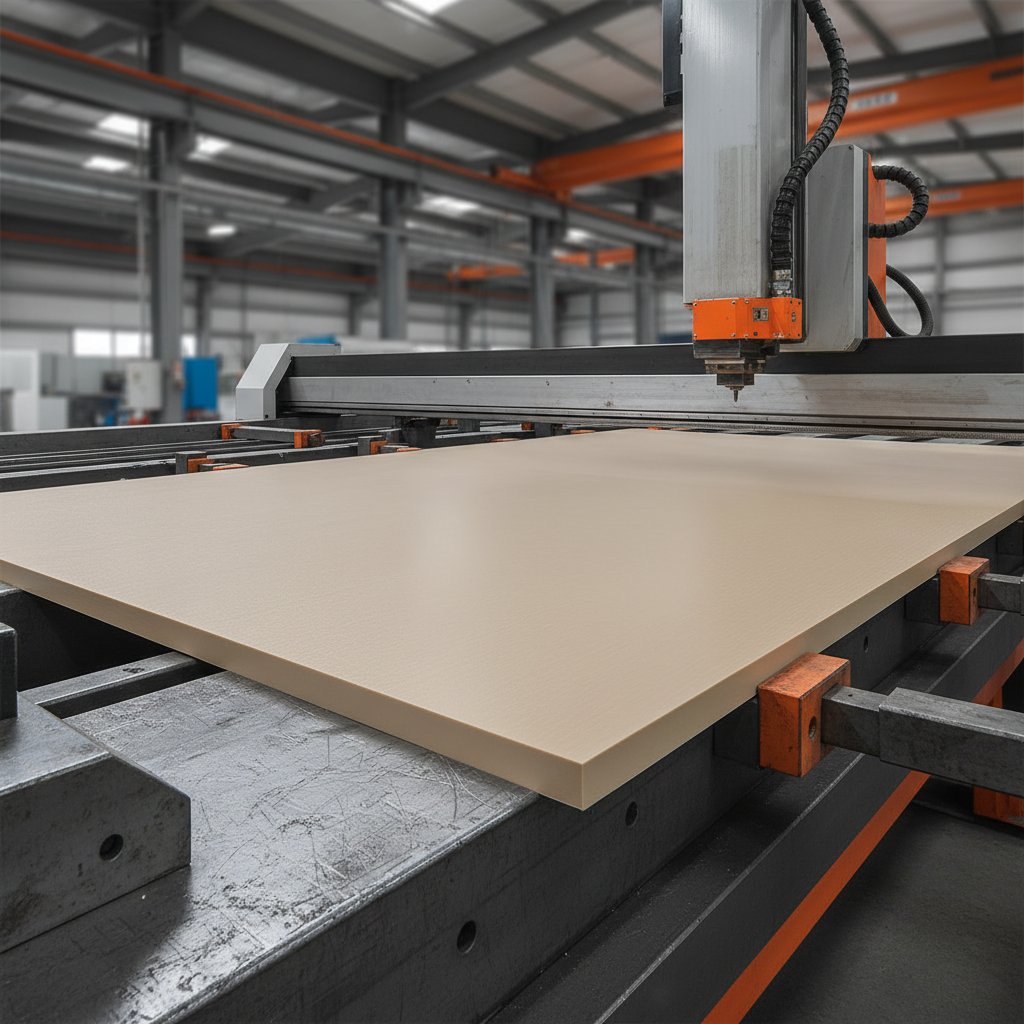
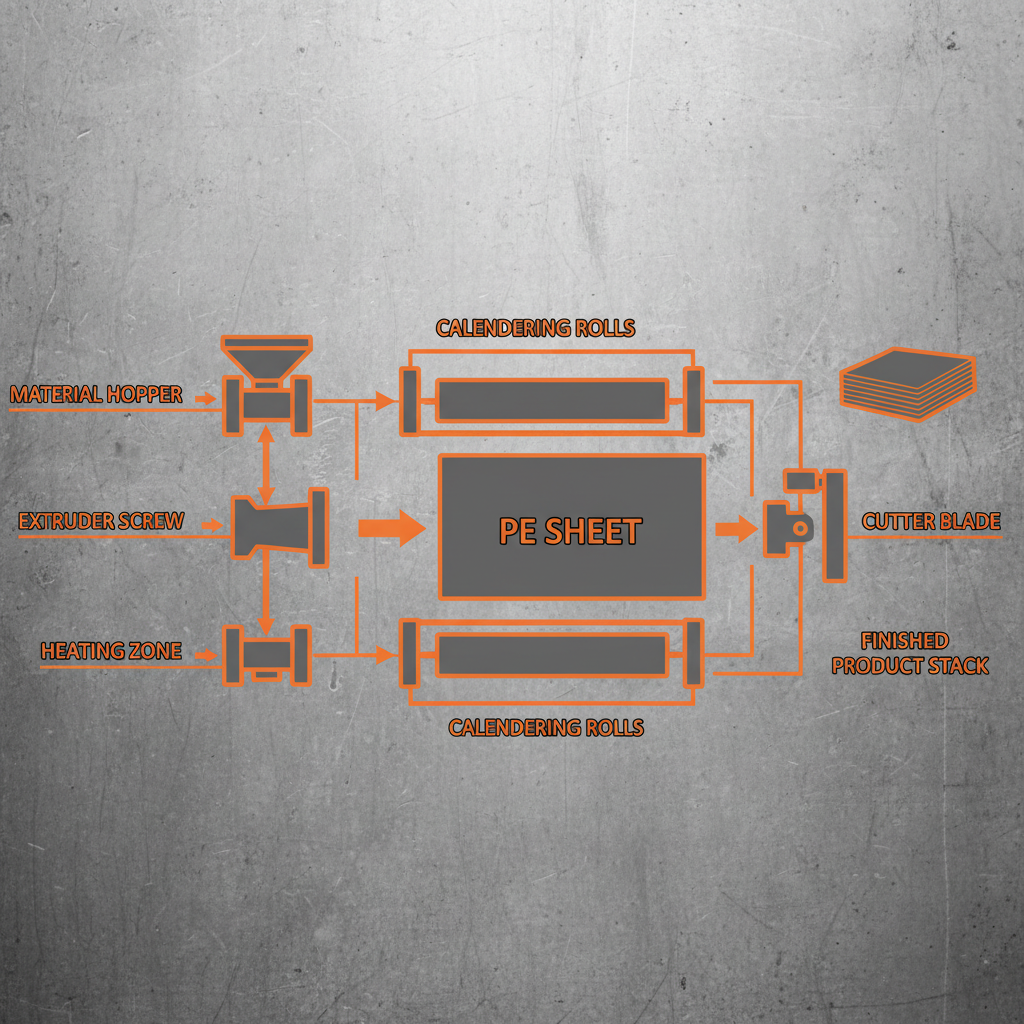
hdpe panel are semi-rigid sheets manufactured from high-density polyethylene (HDPE) resin. HDPE is a thermoplastic polymer produced from the polymerization of ethylene. These panels are commonly created through extrusion or compression molding processes, resulting in a product known for its exceptional durability and resistance to various environmental factors.
The creation of hdpe panel directly addresses the modern demands for robust, lightweight, and sustainable building and industrial materials. They serve as a compelling alternative to traditional materials like wood, metal, and concrete in applications ranging from protective liners and cladding to structural components and modular construction.
Their relevance extends beyond purely industrial uses; hdpe panel play a critical role in humanitarian efforts, providing rapid-deployment solutions for shelter, sanitation, and infrastructure in disaster-stricken areas, highlighting their importance in addressing global needs.
Key Properties of hdpe panel
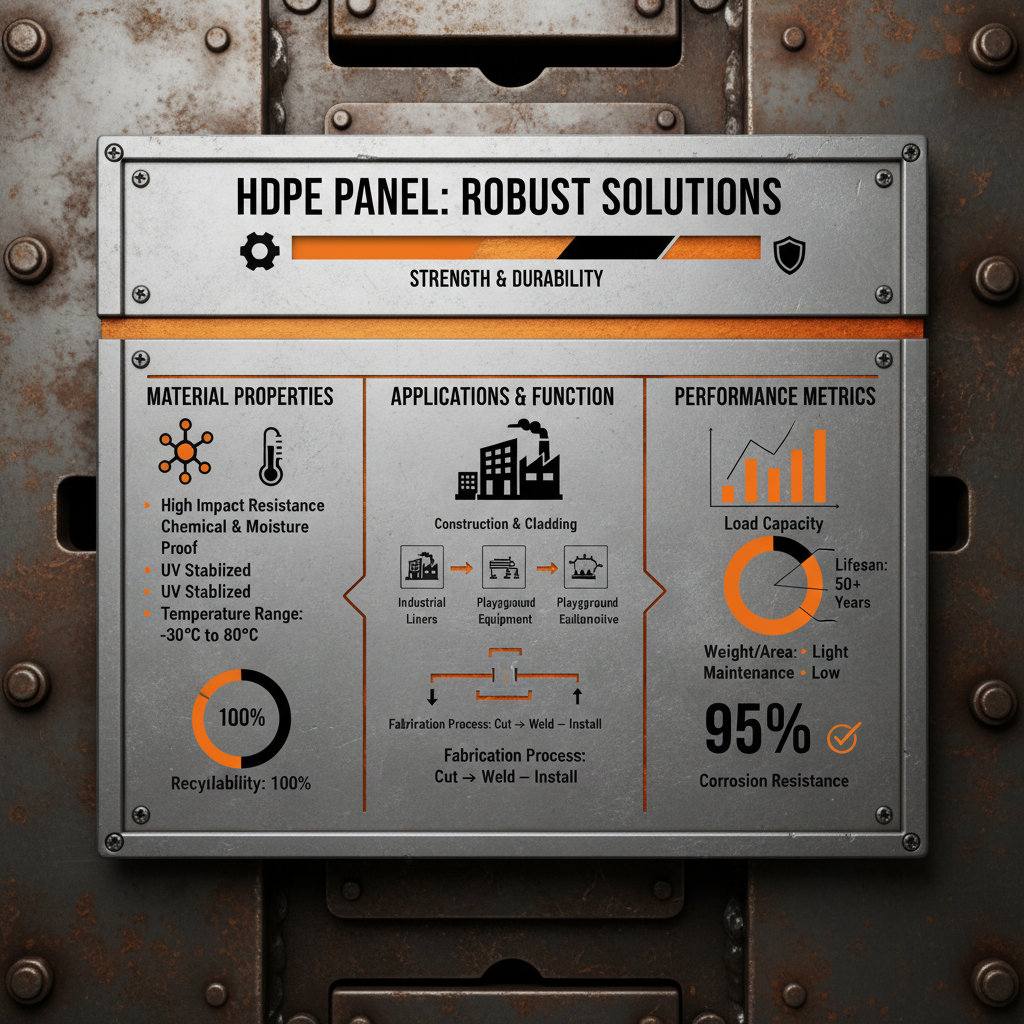
One of the defining characteristics of hdpe panel is their exceptional durability. HDPE possesses high tensile strength and impact resistance, making these panels capable of withstanding significant stress and physical damage. This inherent resilience makes them ideal for demanding applications such as protective barriers and heavy-duty liners.
hdpe panel exhibit outstanding chemical resistance, being unaffected by most acids, bases, and solvents. This property is critical in applications where exposure to corrosive substances is prevalent, like chemical storage, waste management, and agricultural settings. Their resistance to degradation ensures long-term performance and minimizes maintenance requirements.
These panels are also remarkably lightweight compared to traditional materials like steel or concrete. This reduces transportation costs, simplifies installation processes, and minimizes structural support requirements, ultimately leading to overall project cost savings. Furthermore, hdpe panel are fully recyclable, contributing to a circular economy and reducing environmental impact.
Practical Applications of hdpe panel
hdpe panel are used extensively in the construction industry, serving as formwork for concrete structures, protective barriers on construction sites, and cladding materials for buildings. Their lightweight nature and ease of installation contribute to faster project completion times and reduced labor costs.
In the agricultural sector, hdpe panel are employed as liners for ponds and reservoirs, providing a waterproof barrier to prevent leakage and contamination. They are also used in the manufacturing of agricultural containers and greenhouse components, offering durability and resistance to UV radiation.
Comparative Performance of hdpe panel Manufacturing Methods
Global Usage and Benefits
In post-disaster relief operations, hdpe panel are increasingly utilized for the rapid construction of temporary shelters, medical facilities, and sanitation systems. Their lightweight nature and ease of assembly allow for quick deployment in emergency situations, providing vital support to affected communities.
Throughout Europe, hdpe panel are employed in the construction of durable and sustainable infrastructure projects, including pipelines, drainage systems, and retaining walls. Their resistance to corrosion and extreme temperatures ensures long-term performance and reduces maintenance costs.
Long-Term Value Proposition
The cost-effectiveness of hdpe panel extends beyond the initial purchase price. Reduced maintenance requirements, extended service life, and lower transportation costs contribute to significant long-term savings. Their recyclability also aligns with sustainability goals, enhancing their overall value.
From an environmental perspective, hdpe panel offer a reduced carbon footprint compared to traditional materials. Their durability minimizes the need for frequent replacements, conserving resources and reducing waste. The ability to recycle hdpe panel further promotes a circular economy, minimizing environmental impact.
The reliability and consistent performance of hdpe panel instill trust and confidence in users, providing peace of mind knowing they are investing in a durable and dependable solution. This reliability translates to reduced downtime, improved safety, and increased overall efficiency.
Future Trends in hdpe panel Technology
Ongoing research and development are focused on enhancing the properties of hdpe panel through the incorporation of advanced additives and nano-materials. These innovations aim to improve strength, UV resistance, and thermal stability, expanding the range of applications.
The integration of digital technologies, such as 3D printing and advanced modeling techniques, is enabling the creation of complex hdpe panel structures with customized designs. This opens up new possibilities for architects and engineers seeking innovative and efficient building solutions.
A growing emphasis on sustainability is driving the development of bio-based HDPE alternatives, reducing reliance on fossil fuels and promoting a circular economy. These renewable materials offer the potential to further minimize the environmental impact of hdpe panel production and use.
Key Analysis Dimensions for Evaluating Future hdpe panel Trends
| Innovation Category |
Impact Level (1-10) |
Adoption Timeline |
Cost Implications |
| Bio-Based HDPE Development |
7 |
5-10 Years |
Initially Higher |
| Nanomaterial Integration |
9 |
3-5 Years |
Moderate Increase |
| 3D Printing Capabilities |
8 |
2-3 Years |
Variable, Depending on Scale |
| Enhanced UV Resistance Coatings |
6 |
1-2 Years |
Minimal |
| Recycling Technology Advancements |
9 |
Ongoing |
Potential Cost Reduction |
| Self-Healing HDPE Composites |
7 |
5-7 Years |
Initially High |
FAQS
hdpe panel offer several advantages over wood, including superior durability, resistance to rot and insects, and reduced maintenance requirements. Wood is susceptible to decay and pest damage, necessitating regular treatments and repairs. hdpe panel, on the other hand, are impervious to these issues, resulting in long-term cost savings and reduced environmental impact. They also boast a more consistent material quality and are less prone to warping or splitting.
While the initial cost of hdpe panel may be slightly higher than some traditional materials, their lifecycle cost is often lower. Their durability and low maintenance needs translate to significant savings over time. Compared to steel, hdpe panel are lighter and easier to install, reducing labor costs. Compared to concrete, they offer greater design flexibility and faster construction timelines, further contributing to overall project cost efficiency.
hdpe panel are considered environmentally friendly due to their durability, recyclability, and reduced carbon footprint compared to some alternative materials. Their long lifespan minimizes the need for frequent replacements, conserving resources. Furthermore, HDPE is fully recyclable, allowing for closed-loop material management. The production of HDPE requires less energy than the production of steel or concrete, reducing greenhouse gas emissions.
hdpe panel excel in harsh environments due to their exceptional resistance to corrosion, UV radiation, and extreme temperatures. They are commonly used in marine applications, such as docks and boat hulls, as well as in chemical processing plants and waste management facilities. They are also ideal for outdoor signage, playground equipment, and agricultural structures exposed to prolonged sunlight and inclement weather.
hdpe panel require minimal maintenance compared to traditional materials. Regular cleaning with mild soap and water is typically sufficient to remove dirt and debris. Because they are resistant to rot, insects, and corrosion, they do not require painting, sealing, or other protective treatments. In most applications, hdpe panel structures will maintain their appearance and functionality for decades with minimal intervention.
Specific grades of hdpe panel are approved for use in food contact applications, provided they meet stringent regulatory requirements. These grades are formulated to be non-toxic and resistant to leaching, ensuring the safety of food products. It's crucial to verify that the hdpe panel being used are certified as food-grade by relevant organizations such as the FDA or EFSA.
Conclusion
In summary, hdpe panel represent a compelling solution for a diverse range of applications, offering a unique combination of durability, cost-effectiveness, and sustainability. Their resistance to corrosion, UV radiation, and impact damage, coupled with their recyclability, positions them as a crucial material for modern infrastructure, industrial applications, and sustainable construction. Embracing hdpe panel is not only a practical choice but a responsible one.
Looking ahead, continued innovation in HDPE technology, including the development of bio-based alternatives and advanced manufacturing techniques, will further enhance their performance and broaden their applications. Organizations and individuals seeking durable, reliable, and environmentally responsible materials should explore the potential of hdpe panel to meet their specific needs. Visit our website at www.lidaplastic.com to learn more.