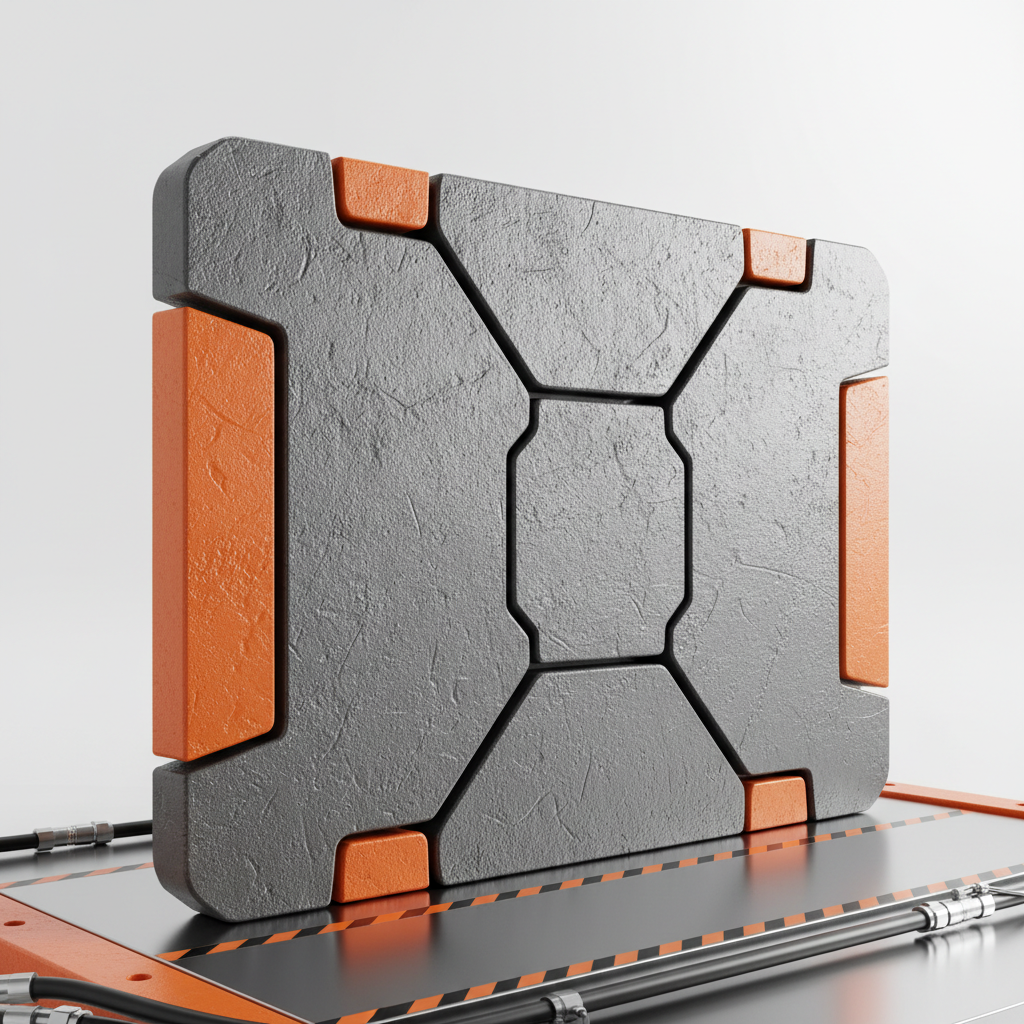
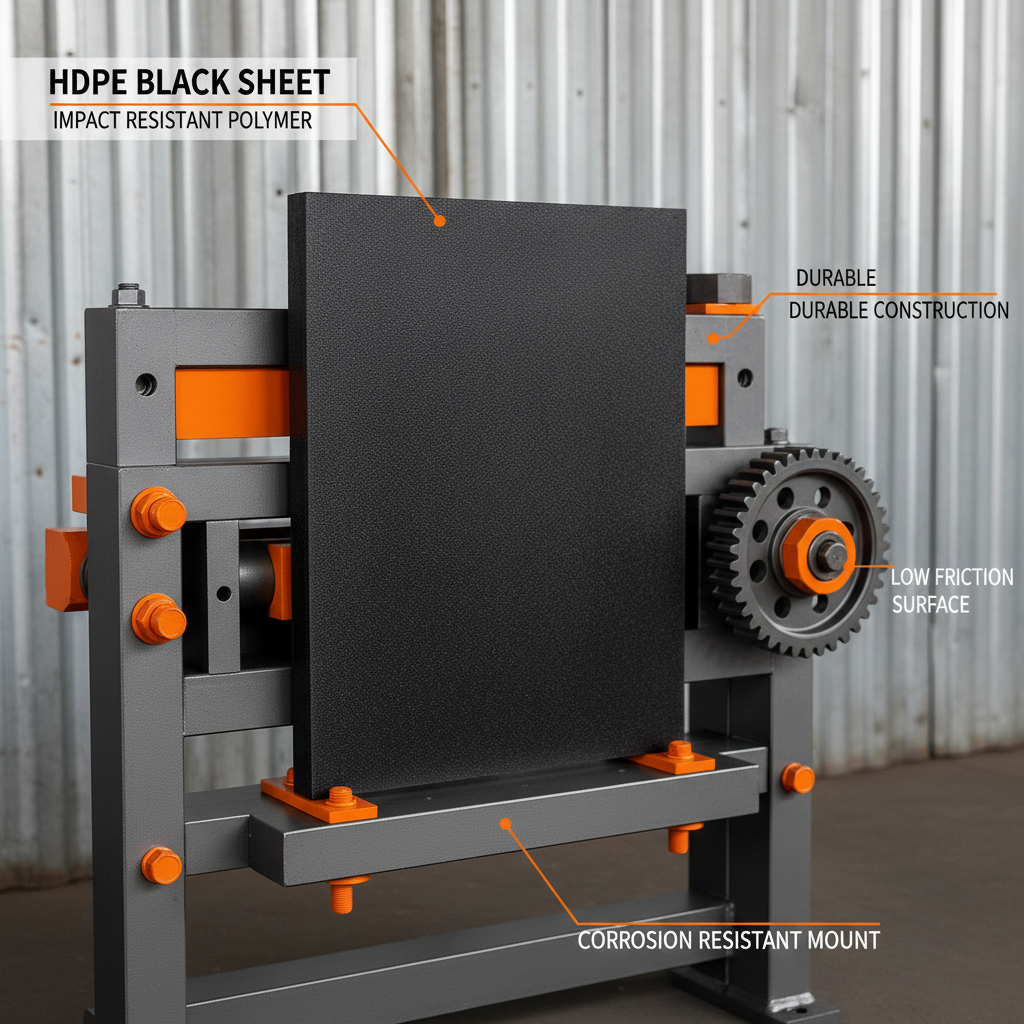
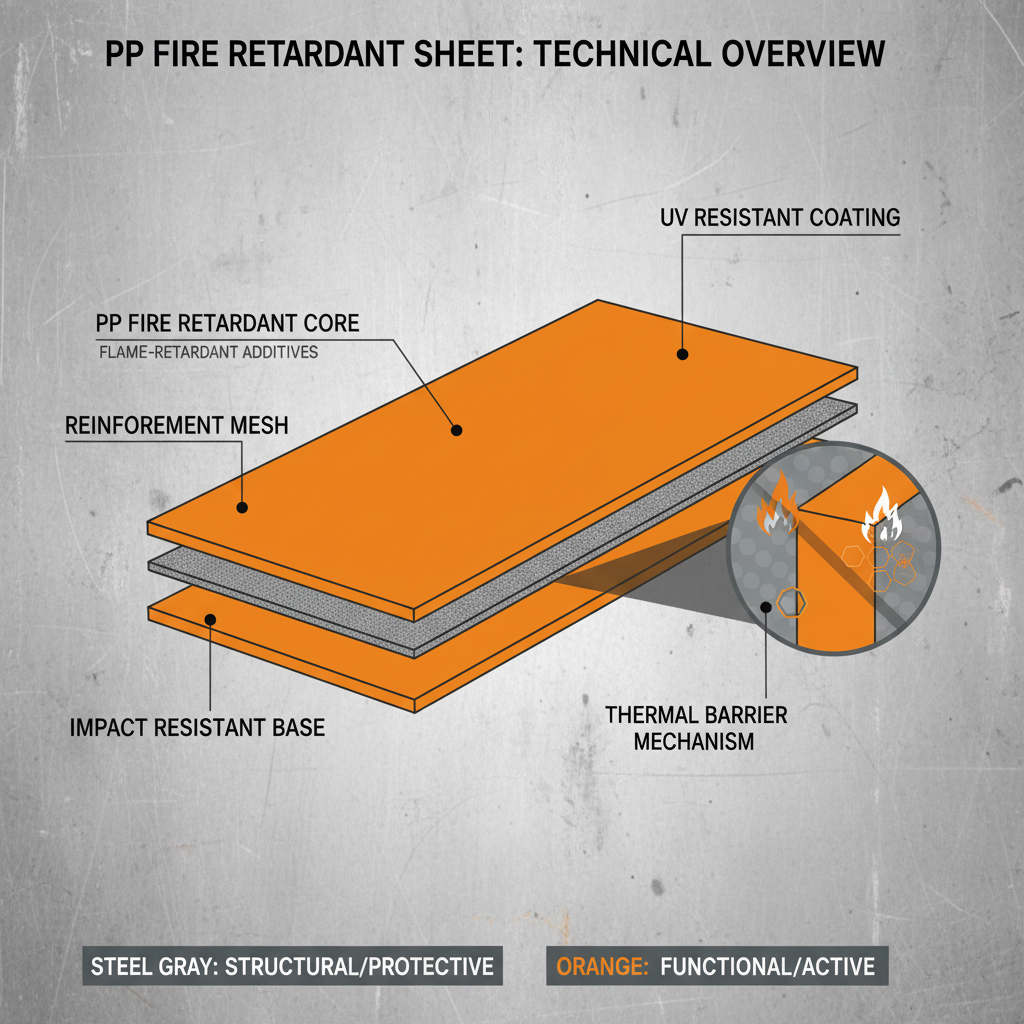
Hdpe plate, or High-Density Polyethylene plate, is a remarkably versatile material increasingly crucial in modern industries and infrastructure. From its robust durability to its cost-effectiveness, hdpe plate addresses a growing need for reliable, long-lasting solutions across diverse applications. Understanding its properties and potential is paramount for engineers, architects, and project managers seeking innovative and sustainable materials.
Globally, the demand for durable and adaptable materials like hdpe plate is surging, driven by factors like urbanization, infrastructure development, and a growing focus on sustainability. The UN Sustainable Development Goals, particularly those relating to infrastructure and responsible consumption, directly benefit from the adoption of materials offering longevity and reduced environmental impact. Data from the World Bank highlights the increasing need for cost-effective building materials in developing nations, a need hdpe plate is uniquely positioned to address.
The increasing frequency of natural disasters also drives demand, as hdpe plate's rapid deployability and resilience make it ideal for emergency shelter and infrastructure repair. This highlights the importance of materials like hdpe plate in addressing both planned development and unforeseen crises.
Introduction to Hdpe Plate
Hdpe plate offers a unique combination of properties that makes it a superior material choice in numerous industries. Its exceptional resistance to corrosion, chemicals, and impact, coupled with its lightweight nature, simplifies installation and reduces maintenance costs. The versatility of hdpe plate extends its usability from marine applications to food processing and beyond.
The growing emphasis on sustainable materials also positions hdpe plate favorably. While a plastic, it is 100% recyclable, reducing landfill waste and promoting a circular economy. Furthermore, its longevity minimizes the need for frequent replacements, lessening the overall environmental footprint.
Defining Hdpe Plate
Hdpe plate is a semi-crystalline thermoplastic polymer renowned for its high strength-to-density ratio. It's manufactured from petroleum, typically through the polymerization of ethylene. The "high-density" designation refers to the minimal branching in its polymer structure, leading to a more tightly packed molecular arrangement and consequently, enhanced strength and rigidity.
In modern industry, hdpe plate serves as a robust alternative to traditional materials like metal, wood, and glass. Its inherent properties – resistance to moisture, UV radiation, and a wide range of chemicals – make it indispensable in demanding environments. This extends its application to sectors requiring stringent hygiene standards, such as food and beverage processing.
Its connection to humanitarian needs stems from its cost-effectiveness and ease of fabrication. Hdpe plate’s potential to provide shelter, sanitation, and infrastructure in disaster-relief scenarios contributes significantly to global well-being.
Key Characteristics of Hdpe Plate
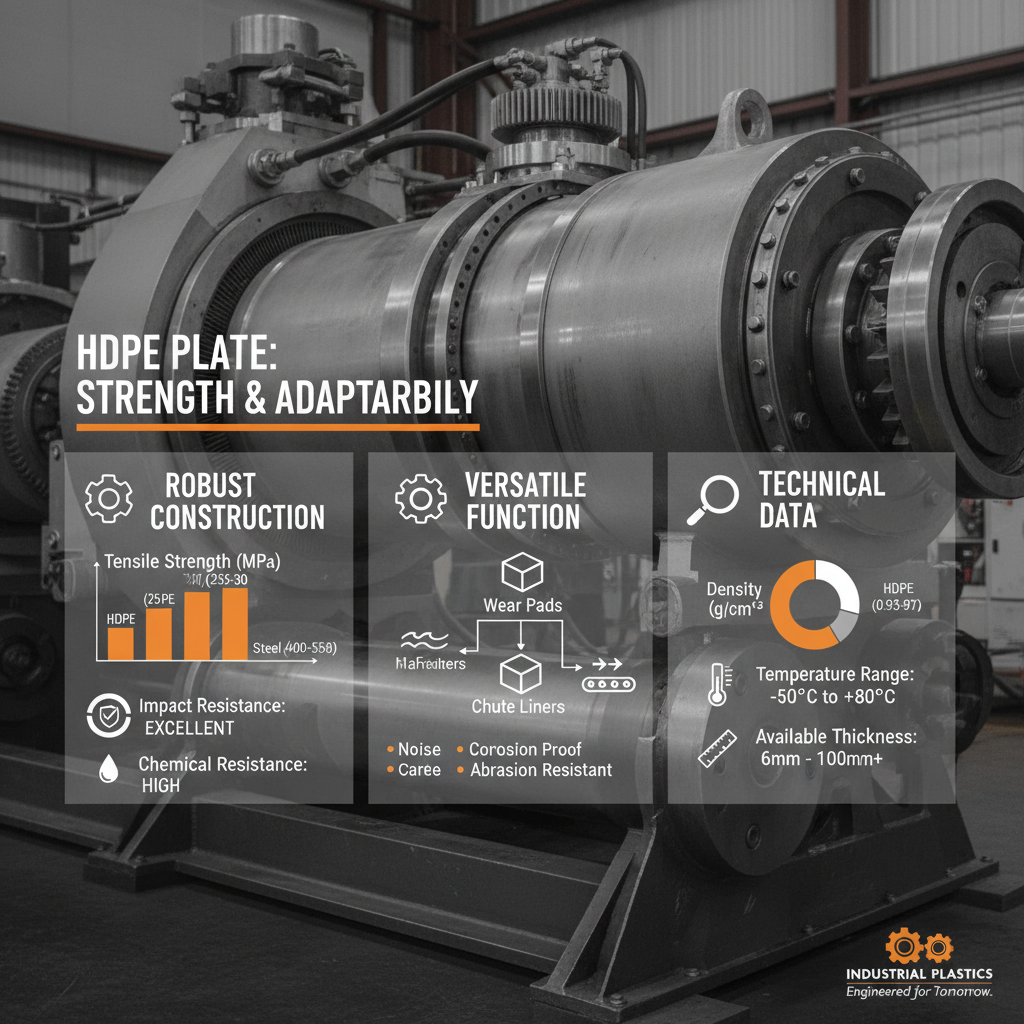
One of the defining characteristics of hdpe plate is its exceptional durability. It boasts high impact strength, even at low temperatures, making it suitable for demanding applications. Furthermore, hdpe plate exhibits excellent resistance to abrasion, preventing wear and tear over prolonged use.
Hdpe plate also demonstrates remarkable chemical inertness. It resists degradation from most acids, alkalis, and solvents, broadening its applications in corrosive environments. This resistance extends to salt water, making it ideal for marine applications where corrosion is a significant concern.
The lightweight nature of hdpe plate significantly reduces transportation and installation costs. Compared to metals, it's considerably lighter, simplifying handling and minimizing structural support requirements. Its low moisture absorption also contributes to dimensional stability, ensuring long-term performance.
Practical Applications of Hdpe Plate
Hdpe plate finds widespread use in the construction industry, serving as a durable and weather-resistant material for cladding, roofing, and structural components. Its resistance to moisture and rot makes it a superior alternative to wood in outdoor applications.
In the marine sector, hdpe plate is employed in the construction of docks, piers, and boat hulls due to its resistance to saltwater corrosion and impact. Its buoyancy also makes it suitable for floating structures and aquaculture applications.
Hdpe Plate Application Performance Ratings
Global Use Cases of Hdpe Plate
In post-disaster relief operations, hdpe plate is frequently used to construct temporary shelters and sanitation facilities due to its rapid deployability and hygiene properties. Organizations like the Red Cross and Habitat for Humanity have increasingly incorporated hdpe plate into their emergency response efforts.
In remote industrial zones, particularly in mining and oil & gas operations, hdpe plate provides a robust and corrosion-resistant lining for tanks and pipes, ensuring the safe containment of hazardous materials. This minimizes environmental risks and extends the lifespan of critical infrastructure.
Advantages and Long-Term Value
The tangible benefits of using hdpe plate include reduced lifecycle costs due to its longevity and minimal maintenance requirements. Its resistance to corrosion and impact minimizes the need for repairs and replacements, resulting in significant savings over time. Furthermore, the recyclability of hdpe plate aligns with sustainability goals, reducing environmental impact and enhancing corporate social responsibility.
Beyond cost savings, hdpe plate contributes to enhanced safety and reliability. Its non-toxic nature makes it suitable for food and beverage applications, ensuring consumer health and safety. The material's dimensional stability and resistance to extreme temperatures provide consistent performance in challenging environments, fostering trust and confidence in its application.
Investing in hdpe plate is an investment in durability, sustainability, and peace of mind, showcasing a commitment to long-term value and responsible material selection.
Future Trends in Hdpe Plate Technology
Ongoing research focuses on enhancing the properties of hdpe plate through the incorporation of additives and nanocomposites, aiming to further improve its strength, UV resistance, and thermal stability. This will unlock new applications in aerospace, automotive, and advanced manufacturing.
The integration of digital technologies, such as 3D printing, is also transforming the fabrication of hdpe plate components, enabling customized designs and rapid prototyping. This accelerates innovation and allows for tailored solutions to specific industry needs.
Furthermore, the drive towards a circular economy is fueling the development of advanced recycling technologies for hdpe plate, maximizing resource recovery and minimizing waste, contributing to a more sustainable future.
Summary of Hdpe Plate Technology Challenges and Solutions
| Challenge Area |
Current Limitations |
Potential Solutions |
Implementation Difficulty (1-10) |
| Recyclability |
Contamination during the recycling process. |
Advanced sorting technologies and chemical recycling processes. |
7 |
| UV Degradation |
Prolonged exposure to sunlight can cause brittleness. |
Incorporation of UV stabilizers and protective coatings. |
5 |
| Thermal Expansion |
Significant thermal expansion can affect dimensional stability. |
Utilizing composite materials with lower coefficients of thermal expansion. |
6 |
| Manufacturing Costs |
Costly tooling and processing equipment. |
Adopting additive manufacturing (3D printing) technologies. |
8 |
| Scratch Resistance |
Susceptible to surface scratching. |
Applying protective coatings or surface treatments. |
4 |
| Long-Term Creep |
Deformation under sustained load over extended periods. |
Reinforcing with fiber additives or optimizing material formulation. |
7 |
FAQS
Hdpe plate offers several advantages, including superior resistance to corrosion, moisture, and impact. It’s also lightweight, reducing installation costs and simplifying handling. Crucially, it’s 100% recyclable, contributing to sustainability goals. Unlike wood, it doesn’t rot, and unlike metal, it won’t rust, resulting in lower lifecycle costs and minimal maintenance requirements.
Yes, hdpe plate is FDA-approved for food contact in many applications. It’s non-toxic, odorless, and doesn’t leach harmful chemicals, making it ideal for food processing equipment, storage containers, and cutting boards. However, it’s important to verify specific grade certifications for the intended application.
Hdpe plate maintains good impact resistance even at low temperatures. While it can become more flexible at higher temperatures, its structural integrity remains generally unaffected within a broad range (typically -40°C to 80°C). Specific temperature tolerances depend on the grade and application.
The lifespan of hdpe plate structures is considerably longer than that of many traditional materials. With minimal maintenance, structures can last for decades, often exceeding 50 years. Its resistance to weathering, corrosion, and impact contributes significantly to its durability.
Yes, hdpe plate is relatively easy to machine and fabricate using standard woodworking tools. It can be cut, drilled, welded, and shaped with minimal effort, allowing for customized designs and efficient production processes. Its machinability reduces manufacturing time and costs.
Hdpe plate is 100% recyclable, contributing to a circular economy and reducing landfill waste. Its long lifespan minimizes the need for frequent replacements, lessening its overall environmental footprint. While derived from petroleum, responsible manufacturing practices and increasing use of recycled content are mitigating its environmental impact.
Conclusion
In conclusion, hdpe plate stands as a highly versatile and valuable material, offering a compelling blend of durability, cost-effectiveness, and sustainability. Its applications span a vast range of industries, from construction and marine to food processing and disaster relief. By embracing its unique properties, engineers, architects, and project managers can develop innovative and resilient solutions that address critical global challenges.
Looking forward, continued innovation in hdpe plate technology—through advancements in recycling, composite materials, and manufacturing processes—will further enhance its performance and expand its potential. We encourage you to explore the possibilities that hdpe plate can unlock for your next project. Visit our website today to learn more and discover how we can assist you.