Cpvc panel solutions are rapidly gaining prominence across diverse industries, driven by their exceptional performance characteristics and cost-effectiveness. From enhancing water distribution systems and industrial fluid handling to providing robust construction materials, cpvc panel is proving to be a versatile and reliable choice. Understanding the benefits of this material is crucial for engineers, architects, and facility managers seeking long-term, sustainable solutions.
The global demand for durable, corrosion-resistant materials is increasing due to aging infrastructure and stricter environmental regulations. Cpvc panel directly addresses these challenges by offering a non-metallic alternative to traditional materials like steel and iron. This material is uniquely positioned to improve efficiency and reduce maintenance costs in a wide array of applications worldwide.
Recognizing the growing needs for resilient and sustainable infrastructure, cpvc panel provides a modern approach to materials science, offering superior performance and longevity.
Introduction to cpvc panel
Cpvc panel stands as a remarkable innovation in materials science, offering a robust and versatile solution for a wide range of applications. This engineered thermoplastic is renowned for its exceptional resistance to corrosion, heat, and chemicals, making it a superior alternative to traditional metallic materials in many scenarios.
The inherent qualities of cpvc panel contribute to enhanced system reliability, reduced maintenance requirements, and extended service life. These benefits collectively translate to substantial cost savings and improved operational efficiency for businesses and industries across the globe.
Global Relevance of Cpvc Panel
The demand for durable and reliable piping systems is escalating globally, fueled by rapid urbanization, aging infrastructure, and the increasing need for efficient water management. According to the UN, over 2 billion people lack access to safely managed drinking water services. Cpvc panel plays a vital role in addressing this challenge by providing a corrosion-resistant and leak-proof solution for water distribution networks.
Furthermore, the World Bank estimates that trillions of dollars are needed to upgrade global infrastructure. Cpvc panel’s longevity and low maintenance needs contribute to lower lifecycle costs, making it an attractive option for large-scale infrastructure projects. Industrial facilities also benefit greatly, as cpvc panel provides safe and efficient transport of corrosive fluids, aligning with stringent ISO environmental standards.
The global push for sustainable solutions is also a key driver. Cpvc panel’s recyclability and energy efficiency contribute to a smaller environmental footprint compared to traditional materials, aligning with global sustainability goals.
Defining Cpvc Panel
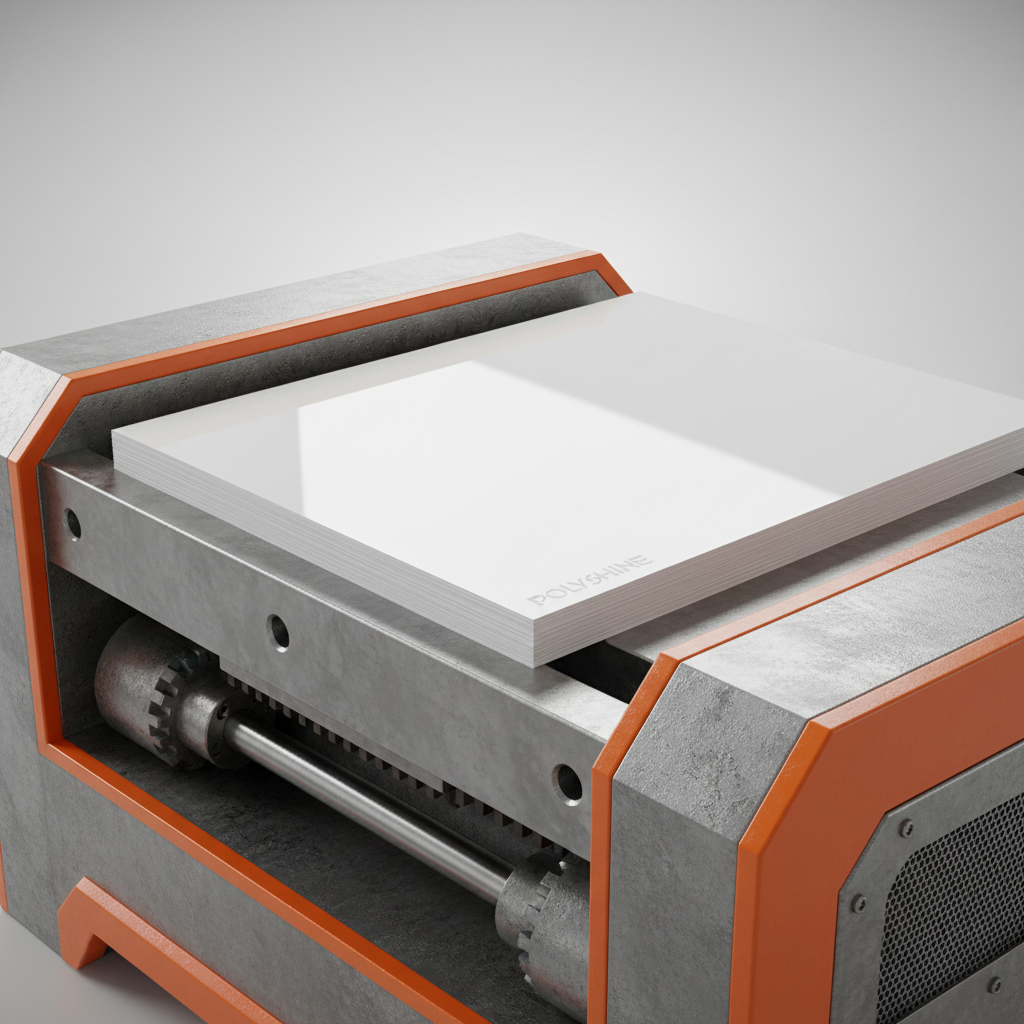
Cpvc panel, short for chlorinated polyvinyl chloride, is a thermoplastic produced by chlorinating polyvinyl chloride (PVC) resin. This chlorination process increases the material's heat resistance, allowing it to handle higher temperatures and pressures compared to standard PVC. It is a rigid and durable material commonly formed into panels and pipes.
The connection to modern industry is strong. Cpvc panel is integral in chemical processing plants, water treatment facilities, and industrial plumbing where resistance to corrosive substances is paramount. Its applications extend to residential and commercial construction for hot and cold water distribution systems, offering a safe and reliable alternative to metal piping.
Moreover, cpvc panel's role in humanitarian needs is expanding, as it's increasingly utilized in providing safe and clean water access in developing countries. Its ease of installation and durability make it ideal for projects in remote or challenging environments.
Key Properties of Cpvc Panel
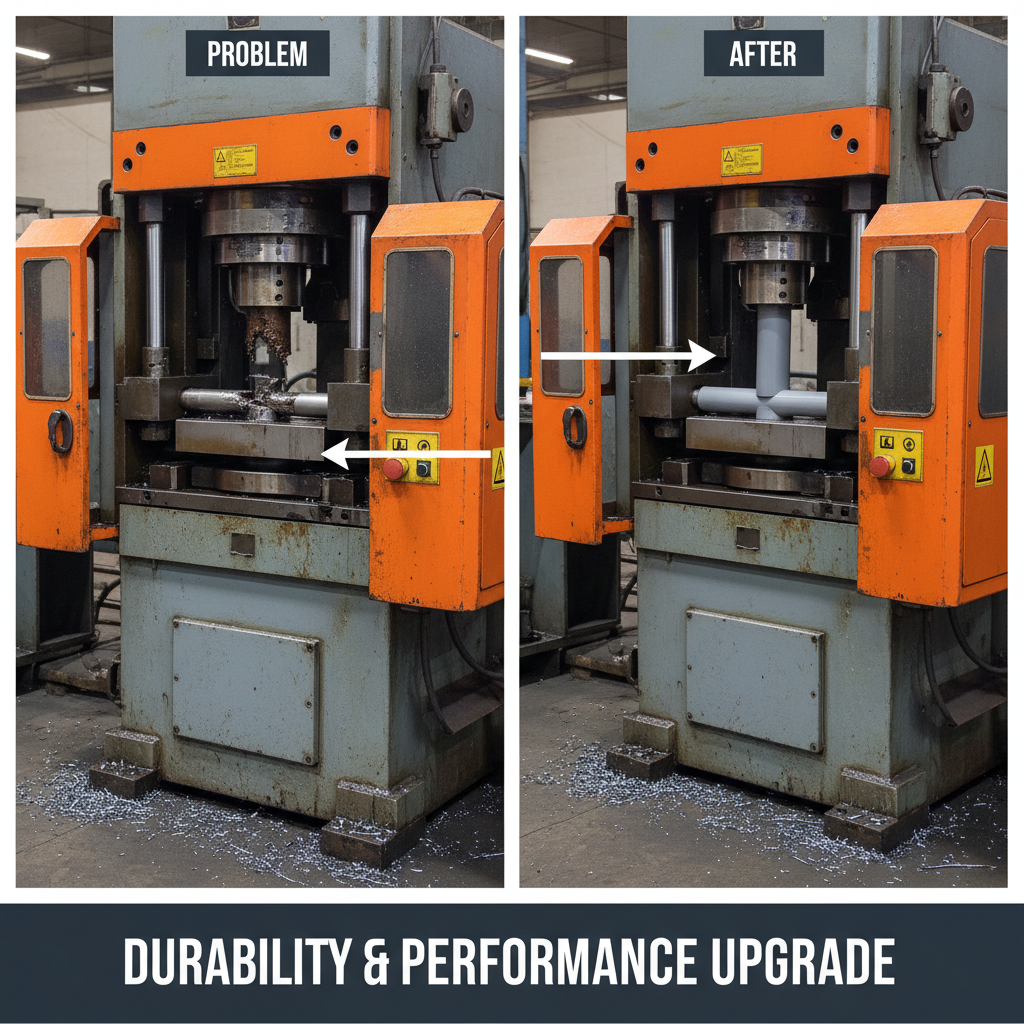
Several key properties underpin the widespread adoption of cpvc panel. Firstly, its exceptional corrosion resistance ensures long-term reliability in harsh chemical environments. Secondly, cpvc panel boasts high temperature resistance, allowing it to withstand elevated temperatures without deformation or degradation.
The third critical property is its inherent flame retardancy, enhancing safety in fire-prone applications. Fourth, cpvc panel offers excellent mechanical strength and impact resistance, ensuring durability and longevity.
Cpvc Panel Performance Attributes
Applications and Use Cases
Cpvc panel finds extensive application in chemical processing plants for transporting corrosive fluids. Its resistance to a wide range of chemicals makes it ideal for this demanding environment. In water treatment facilities, cpvc panel is used in distribution systems, offering a safe and reliable means of delivering potable water.
Furthermore, cpvc panel is used extensively in industrial plumbing systems for handling hot and corrosive process fluids. These systems ensure efficient and safe operations while minimizing the risk of leaks or failures.
Advantages and Long-Term Value
The tangible benefits of cpvc panel are significant. Lower installation costs, minimal maintenance requirements, and a significantly longer lifespan compared to traditional materials contribute to substantial cost savings over the product’s life cycle.
The inherent sustainability of cpvc panel, coupled with its reliability and safety, provides enduring value to businesses and communities. Its contribution to reduced water loss and improved operational efficiency further enhances its long-term economic and environmental benefits.
Future Trends in Cpvc Panel Technology
Ongoing research is focused on enhancing the impact resistance and further extending the temperature range of cpvc panel. Developments in additive manufacturing are exploring the creation of complex cpvc panel components with customized properties.
The integration of smart sensors into cpvc panel systems for real-time monitoring of fluid flow and system health is also a growing trend. This data-driven approach enables proactive maintenance and optimization of system performance.
Furthermore, increased emphasis on circular economy principles will drive the development of more efficient cpvc panel recycling technologies.
Cpvc Panel: A Comparative Analysis of Key Performance Metrics
| Material Type |
Corrosion Resistance (1-10) |
Lifecycle Cost (1-10, 1=lowest) |
Installation Ease (1-10, 1=easiest) |
| Cpvc Panel |
10 |
3 |
4 |
| Carbon Steel |
4 |
6 |
7 |
| Stainless Steel |
8 |
4 |
8 |
| Standard PVC |
7 |
2 |
3 |
| Copper |
6 |
7 |
9 |
| Galvanized Iron |
5 |
5 |
6 |
FAQS
Cpvc panel offers superior corrosion resistance, eliminating the need for costly repairs and replacements associated with metal piping. It’s also lighter, reducing installation costs, and doesn’t require painting or cathodic protection. Furthermore, cpvc panel provides excellent flow characteristics due to its smooth interior surface, reducing friction loss and improving system efficiency.
Cpvc panel is specifically engineered to withstand higher temperatures than standard PVC. It can reliably handle fluids up to 200°F (93°C), making it suitable for hot water distribution, industrial process lines, and other demanding applications. The material retains its strength and structural integrity at elevated temperatures, ensuring long-term performance.
Cpvc panel is considered an environmentally responsible material due to its durability and long lifespan, reducing the need for frequent replacements. While recycling infrastructure for cpvc panel is still developing, ongoing research is focused on improving recycling technologies. It also requires less energy to produce compared to many metals.
Cpvc panel is easily installed using solvent cement welding, a quick and reliable joining method. Mechanical fittings are also available for certain applications. Proper preparation of the pipe ends and the use of appropriate solvent cement are crucial for creating leak-proof connections. Trained technicians are recommended for larger or more complex installations.
A properly installed and maintained cpvc panel system can have a lifespan of 50 years or more. Its resistance to corrosion and degradation ensures long-term reliability and reduces the need for premature replacements. Regular inspections and preventative maintenance can further extend the system’s service life.
While the initial material cost of cpvc panel may be slightly higher than some commodity plastics, its overall lifecycle cost is often lower due to reduced maintenance, repairs, and replacements. When factoring in long-term benefits like corrosion resistance and longevity, cpvc panel proves to be a cost-effective solution compared to metals like copper or stainless steel.
Conclusion
In conclusion, cpvc panel represents a significant advancement in materials technology, offering a compelling combination of durability, reliability, and cost-effectiveness. Its inherent resistance to corrosion, high-temperature performance, and ease of installation make it a superior alternative to traditional piping materials in numerous applications. From improving water infrastructure to enhancing industrial processes, cpvc panel delivers lasting value and sustainable solutions.
Looking ahead, continued innovation in cpvc panel technology promises to unlock even greater potential. By embracing advanced manufacturing techniques and prioritizing sustainability, we can further optimize the performance and environmental footprint of this versatile material. Visit our website at www.lidaplastic.com to learn more about how cpvc panel can benefit your organization.