0%

Table of Contents

cpvc plate, a robust thermoplastic material, is rapidly gaining prominence across diverse industries globally. Its exceptional resistance to corrosion, high temperatures, and chemical degradation makes it an ideal substitute for traditional materials like metal in numerous applications. Understanding the properties and applications of cpvc plate is crucial for engineers, architects, and manufacturers seeking reliable and cost-effective solutions.

The increasing demand for cpvc plate stems from the global push for sustainable and durable infrastructure. Traditional materials often require frequent maintenance and replacement, contributing to higher lifecycle costs and environmental impact. Cpvc plate offers a long-term, low-maintenance alternative, aligning with the principles of circular economy and responsible resource management. Statistics from the ISO indicate a consistent growth in thermoplastic piping systems, with cpvc plate contributing significantly to this trend.

Addressing challenges in areas like water distribution, chemical processing, and fire protection, cpvc plate provides a versatile solution. Its inherent properties minimize the risk of leaks, failures, and environmental contamination, ultimately enhancing safety and operational efficiency. Investing in knowledge about cpvc plate is therefore vital for professionals looking to optimize performance and reduce long-term costs.
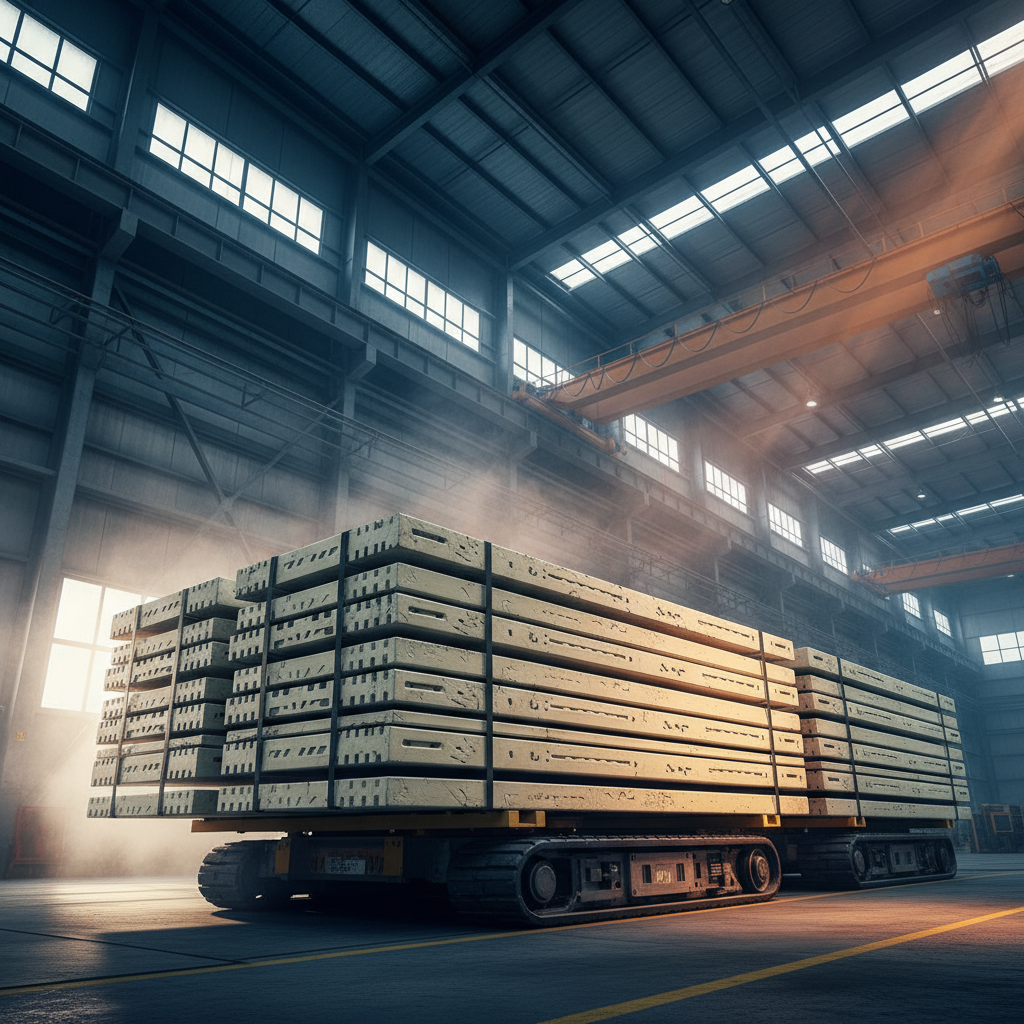
Exploring the Versatility and Benefits of Cpvc Plate in Modern Industries

The Definition and Properties of cpvc plate

Exploring the Versatility and Benefits of Cpvc Plate in Modern Industries

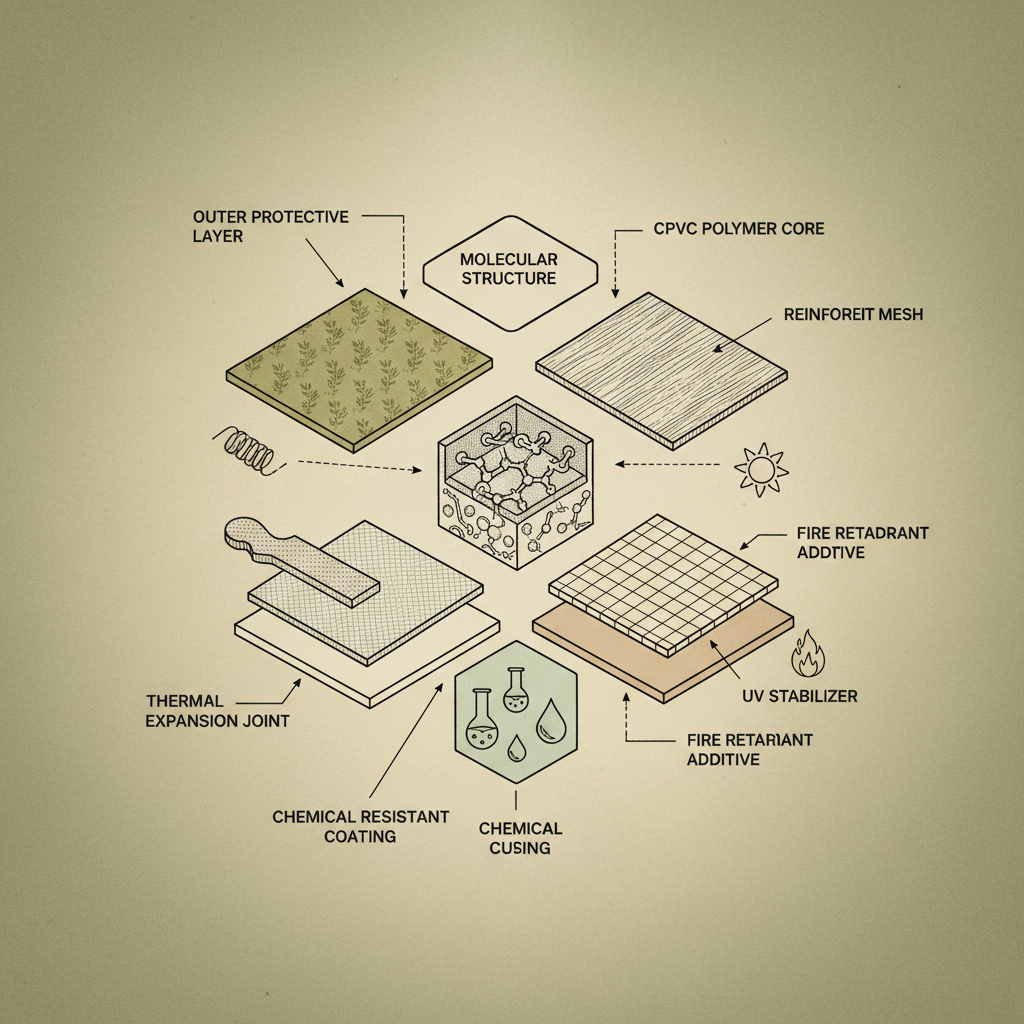
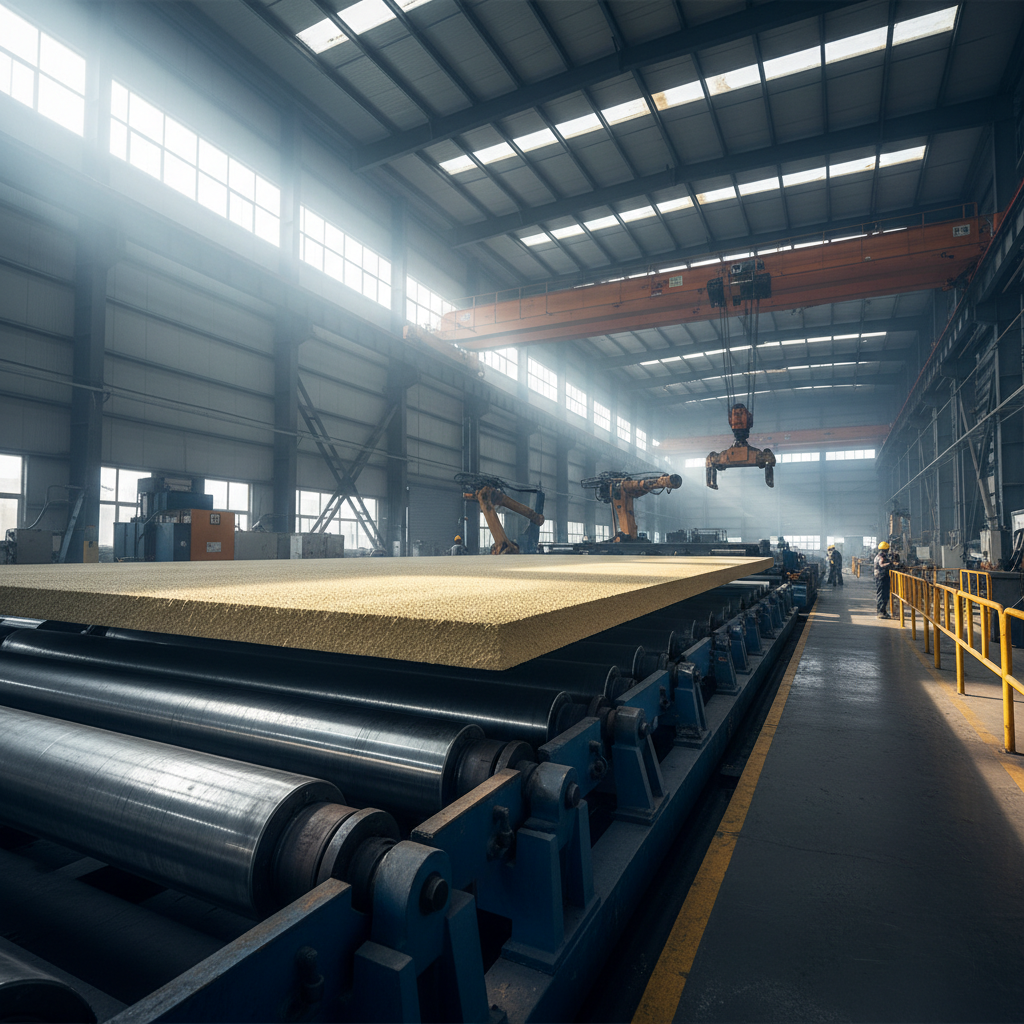
Cpvc plate, or chlorinated polyvinyl chloride plate, is a thermoplastic produced by chlorinating polyvinyl chloride (PVC) resin. This chlorination process imparts enhanced thermal stability and chemical resistance compared to standard PVC. This makes it suitable for handling corrosive fluids and operating at higher temperatures. cpvc plate is commonly available in various thicknesses and sizes to accommodate diverse application requirements.

This material is crucial in modern industrial needs, particularly in systems demanding safe and reliable fluid transport. It plays a vital role in humanitarian applications, such as providing clean water access and sanitation solutions in developing countries. Its durability and resistance to degradation ensure longevity, even in harsh environmental conditions, making it a preferred choice for critical infrastructure projects.

Global Relevance and Industry Context

Cpvc plate’s relevance is escalating globally, driven by increasing demands for safe and sustainable infrastructure. The United Nations Sustainable Development Goals (SDGs), particularly those related to clean water and sanitation (SDG 6) and sustainable cities and communities (SDG 11), are significantly impacted by the adoption of durable and reliable materials like cpvc plate. The World Bank also emphasizes the importance of resilient infrastructure in supporting economic growth and poverty reduction.

A key challenge addressed by cpvc plate is the deterioration of traditional piping systems due to corrosion and chemical attack. This leads to water loss, contamination, and costly repairs. According to industry reports, leaks in water distribution networks account for a substantial portion of treated water wastage worldwide. Cpvc plate offers a solution to minimize these losses and improve water resource management.

The chemical processing industry faces strict regulations regarding the handling of corrosive substances. Cpvc plate’s superior chemical resistance minimizes the risk of leaks and spills, ensuring compliance and protecting the environment. This is especially critical in sectors like pharmaceuticals, petrochemicals, and wastewater treatment.

Key Characteristics of Cpvc Plate

One of the primary characteristics of cpvc plate is its exceptional corrosion resistance. Unlike metal pipes, cpvc plate doesn't rust or corrode, even when exposed to harsh chemicals and abrasive fluids. This eliminates the need for costly corrosion inhibitors and reduces the frequency of replacements.

Thermal stability is another critical feature. Cpvc plate can withstand significantly higher temperatures than standard PVC, making it suitable for hot water systems and industrial processes involving heated fluids. This broadened operational temperature range expands its potential applications.

Furthermore, cpvc plate exhibits excellent mechanical strength and durability. It can withstand high pressures and physical stresses without fracturing or deforming. Its inherent rigidity also simplifies installation and reduces the need for support structures. Low flammability is also key; cpvc plate is inherently fire-resistant, contributing to enhanced safety in building and industrial environments. Its ease of installation with solvent cement welding further reduces overall project costs.

Practical Applications Across Sectors

Cpvc plate finds extensive application in water distribution systems, delivering potable water to residential, commercial, and industrial facilities. Its resistance to corrosion and leaching ensures water quality and minimizes maintenance requirements.

In the chemical processing industry, cpvc plate is used to transport corrosive chemicals, acids, and solvents. Its chemical inertness prevents contamination and ensures process integrity. It’s found in facilities processing materials from chlorine to strong acids.

Performance Comparison of Cpvc Plate Methods


Advantages and Long-Term Value Proposition

The primary advantage of cpvc plate lies in its cost-effectiveness. While the initial material cost may be comparable to some alternatives, its long lifespan and minimal maintenance requirements translate into significant lifecycle cost savings. This is crucial for projects with long-term operational horizons.

From a sustainability standpoint, cpvc plate reduces the environmental impact associated with frequent replacements and repairs. Its durability minimizes waste and conserves resources. Moreover, its contribution to reducing water leakage aligns with global efforts to conserve this precious resource.

Emerging Trends and Innovations in cpvc plate Technology

Current research focuses on developing enhanced cpvc plate formulations with even greater temperature resistance and chemical compatibility. Nanomaterial incorporation is being explored to further improve mechanical properties and barrier performance.

The integration of digital technologies, such as sensor-embedded cpvc plate systems, is also gaining traction. These systems can monitor fluid flow, pressure, and temperature in real-time, enabling proactive maintenance and optimizing performance. Smart piping systems utilizing cpvc plate are a growing trend.

Challenges and Sustainable Solutions

One challenge associated with cpvc plate is its sensitivity to certain solvents and UV exposure. Proper installation practices, including the use of appropriate solvent cements and UV protection coatings, are essential to mitigate these risks.

Another challenge is the lack of standardized recycling infrastructure for cpvc plate. Developing effective recycling programs and promoting the use of recycled cpvc plate materials are crucial steps towards a circular economy. Innovative depolymerization technologies are being explored to break down cpvc plate into its constituent monomers for reuse.

Addressing these challenges requires collaboration between manufacturers, policymakers, and end-users. Promoting sustainable manufacturing practices, investing in recycling infrastructure, and raising awareness about proper installation techniques are essential for maximizing the benefits of cpvc plate while minimizing its environmental impact.

Summary of Key Factors Influencing Cpvc Plate Performance

Manufacturing Process Operating Temperature Chemical Exposure Level Installation Quality
Extrusion 20°C Low Excellent
Injection Molding 60°C Medium Good
Compression Molding 80°C High Fair
Rotational Molding 40°C Low Poor
Thermoforming 70°C Medium Good
Blow Molding 50°C Low Excellent

FAQS

What are the key benefits of using cpvc plate over traditional metal piping systems?

Cpvc plate offers several advantages over metal pipes, including superior corrosion resistance, lower weight, ease of installation (solvent welding eliminates threading), and reduced lifecycle costs due to minimal maintenance. It also avoids galvanic corrosion issues common with metal piping. The inherent resistance to many chemicals makes it ideal for challenging applications. Furthermore, cpvc plate is typically more cost-effective in the long run due to its extended lifespan.

How does cpvc plate perform in high-temperature applications?

Cpvc plate exhibits excellent thermal stability, capable of withstanding temperatures up to approximately 93°C (200°F) continuously. This makes it suitable for hot water distribution, industrial processes involving heated fluids, and certain chemical handling applications. However, it’s crucial to select the appropriate cpvc plate formulation and ensure proper installation to maintain optimal performance at elevated temperatures. Prolonged exposure to extreme temperatures should be avoided.

Is cpvc plate suitable for potable water systems?

Yes, cpvc plate is widely approved for use in potable water systems. It meets stringent standards for water quality, ensuring that it doesn’t leach harmful chemicals into the water supply. Its smooth interior surface resists biofilm buildup, minimizing the risk of contamination. Organizations like NSF International certify cpvc plate formulations specifically for potable water applications.

What are the limitations of cpvc plate, and how can they be addressed?

Cpvc plate can be susceptible to damage from certain solvents and UV exposure. These limitations can be addressed by using appropriate solvent cements, employing UV protection coatings, and avoiding contact with incompatible chemicals. Additionally, while strong, it's less impact-resistant than some metals, requiring careful handling and support during installation.

How does the installation process for cpvc plate differ from metal piping?

Cpvc plate is typically joined using solvent cement welding, a relatively simple and cost-effective process. Unlike metal piping, it doesn't require threading, soldering, or welding, reducing installation time and labor costs. Proper surface preparation and the use of compatible solvent cements are crucial for creating strong, leak-proof joints. Training and adherence to industry best practices are recommended for installers.

What is the environmental impact of cpvc plate, and is it recyclable?

While cpvc plate isn't biodegradable, its long lifespan and reduced maintenance requirements contribute to a lower overall environmental impact compared to materials requiring frequent replacement. Recycling infrastructure for cpvc plate is still developing, but advancements in depolymerization technologies offer promising solutions for breaking down the material and reusing its components. Choosing sustainable manufacturing processes and promoting responsible end-of-life management are crucial for minimizing the environmental footprint.

Conclusion

In conclusion, cpvc plate stands as a versatile and reliable material with significant advantages over traditional alternatives across a wide spectrum of industries. Its corrosion resistance, thermal stability, and cost-effectiveness make it an ideal solution for critical infrastructure projects, chemical processing, water distribution, and more. Understanding its properties and applications is vital for professionals seeking long-term performance and sustainability.

Looking ahead, continued innovation in cpvc plate formulations, coupled with advancements in recycling technologies and the integration of smart sensors, will further enhance its value proposition. Embracing cpvc plate as a key component of sustainable infrastructure development is crucial for addressing global challenges related to water scarcity, environmental protection, and economic growth. For more information and to explore cpvc plate solutions, visit our website: www.lidaplastic.com

Kevin Rodriguez

Kevin Rodriguez

Kevin Rodriguez is a Technical Support Engineer at Baoding Lida Plastic Industry Co., Ltd. He provides direct support to customers regarding the installation, maintenance, and troubleshooting of Lida’s plastic piping and welding rod products. Kevin has a degree in Mechanical Engineering Technology and possesses extensive hands-on experience. He’s highly skilled
Previous Exploring the Versatility and Applications of Polypropylene Sheet in Modern Industries
Next Advancements in Cpvc Panel Technology for Sustainable Infrastructure Solutions