Polypropylene sheet is a versatile thermoplastic polymer increasingly vital across diverse industries globally. Its lightweight nature, exceptional chemical resistance, and cost-effectiveness make it an ideal material for a vast array of applications, from packaging and textiles to automotive components and medical devices. Understanding its properties and potential is crucial for innovation and sustainable development.
The demand for polypropylene sheet continues to rise, driven by growth in emerging economies and an increasing need for durable, reliable, and affordable materials. This trend necessitates a deeper exploration of its manufacturing processes, applications, and future advancements. Addressing challenges related to recyclability and environmental impact is paramount to ensuring its long-term sustainability.
Polypropylene sheet’s adaptability and ease of processing make it a cornerstone of modern manufacturing. Its contribution extends beyond simply providing materials; it enables efficiency, safety, and innovation across countless supply chains and end-user products.
The Core Characteristics of Polypropylene Sheet
One of the defining characteristics of polypropylene sheet is its exceptional versatility. It can be easily molded, extruded, and thermoformed, allowing for the creation of complex shapes and designs. This flexibility is crucial in industries demanding customized solutions, such as automotive and medical device manufacturing.
Furthermore, polypropylene sheet exhibits excellent resistance to fatigue, making it suitable for applications involving repetitive stress or cyclical loading. Its inherent durability ensures a long service life, reducing the need for frequent replacements and lowering long-term costs. You can find quality options at polypropylene sheet suppliers.
Polypropylene Sheet: A Global Market Overview
The global polypropylene sheet market is substantial and continues to expand, fueled by demand from packaging, automotive, construction, and healthcare sectors. According to market research reports, the global polypropylene market was valued at USD 84.74 billion in 2023 and is projected to reach USD 106.12 billion by 2032, growing at a CAGR of 2.5% from 2024 to 2032. Asia-Pacific dominates the market, accounting for a significant share of both production and consumption.
This growth is driven by rapid industrialization in countries like China and India, coupled with increasing consumer spending. North America and Europe also represent significant markets, particularly for high-performance polypropylene sheet used in specialized applications. Addressing the growing concern about plastic waste, sustainable polypropylene sheet options are gaining momentum.
A key challenge within the market is fluctuating raw material prices (propylene monomer). Supply chain disruptions, geopolitical factors, and energy costs all contribute to price volatility, impacting manufacturers and end-users alike. Adapting to these dynamics through strategic sourcing and inventory management is vital for businesses operating in this space.
Defining Polypropylene Sheet and its Industrial Relevance
Polypropylene sheet is a thermoplastic polymer created from the polymerization of propylene monomers. It’s characterized by its high strength-to-weight ratio, excellent chemical resistance, and relatively low cost. Unlike some other plastics, polypropylene exhibits good resistance to fatigue and can withstand repeated bending without cracking, making it ideal for durable products.
Its relevance to modern industry is profound. Polypropylene sheet is used extensively in packaging – think food containers, bottles, and protective films – due to its barrier properties and ability to keep contents fresh. The automotive industry utilizes it for interior trim, bumpers, and battery casings, leveraging its lightweight nature and impact resistance. Medical applications include syringes, containers for medical waste, and surgical drapes, benefiting from its sterilization compatibility.
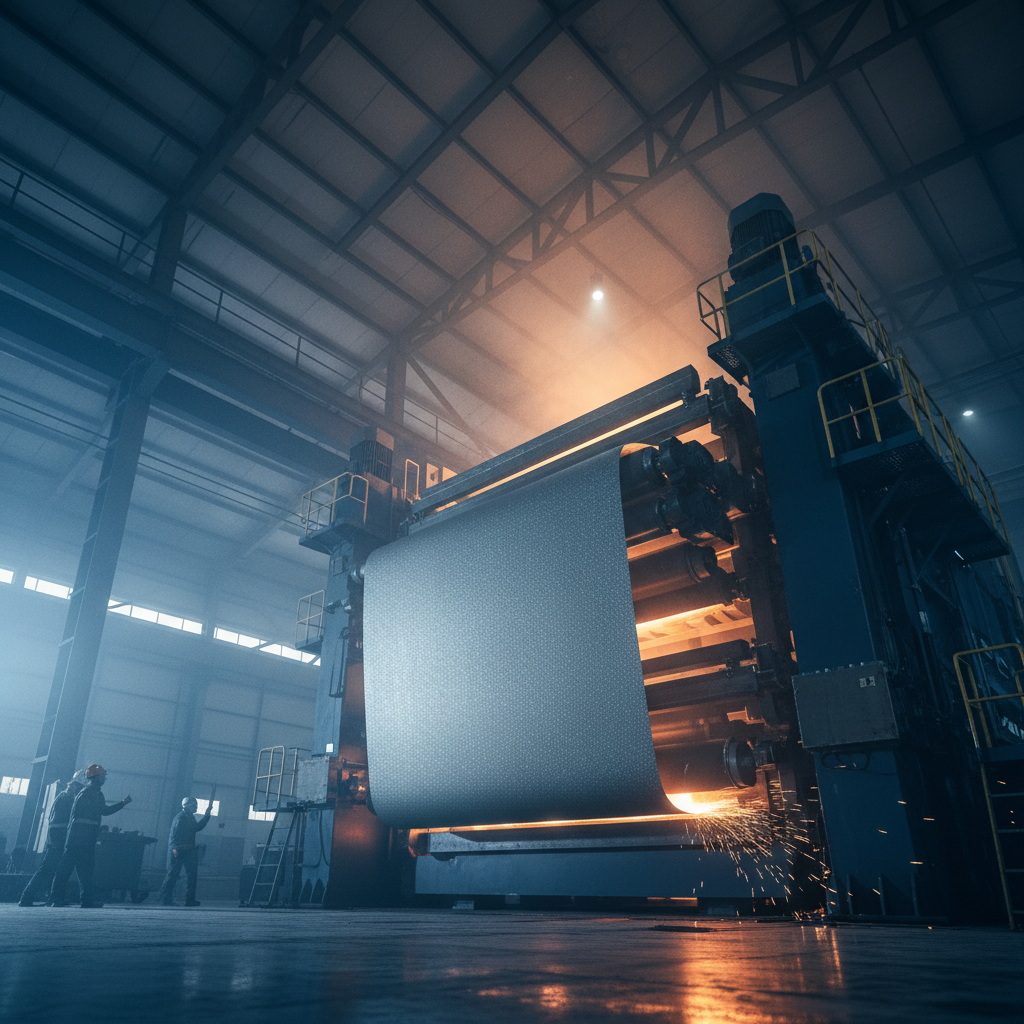
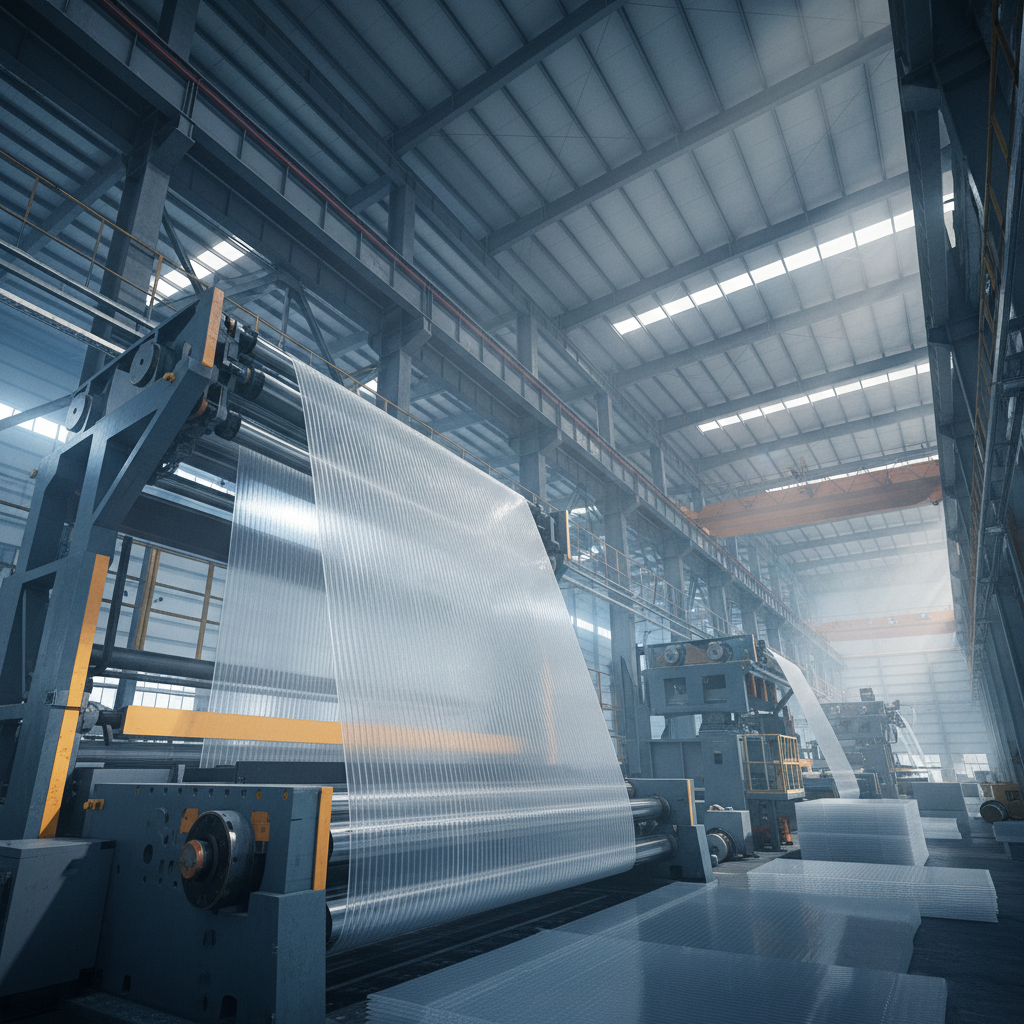
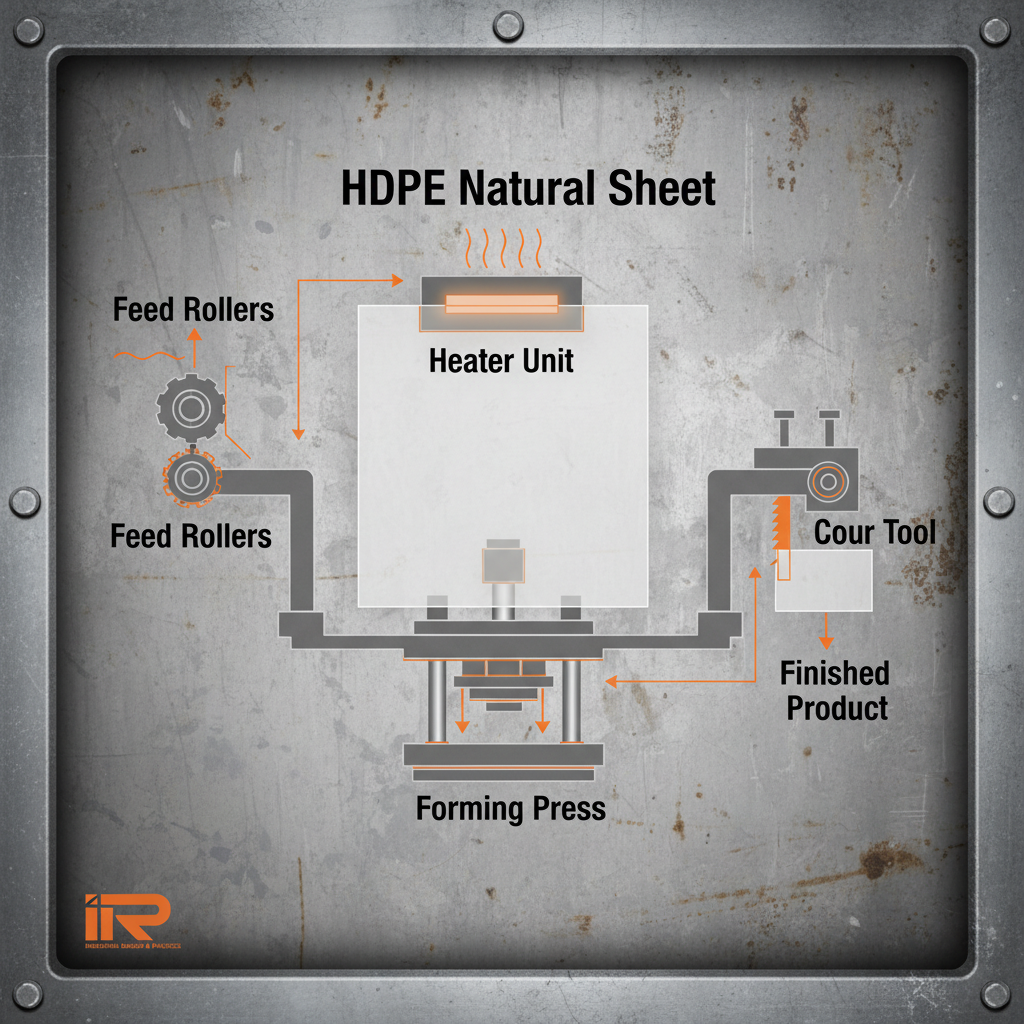
The ease with which polypropylene sheet can be processed – through methods like extrusion, thermoforming, and injection molding – contributes significantly to its industrial appeal. This versatility allows manufacturers to create a wide range of products efficiently and cost-effectively, driving its continued adoption across diverse sectors.
Key Properties and Performance Factors of Polypropylene Sheet
Several key properties contribute to the widespread use of polypropylene sheet. These include its excellent chemical resistance, meaning it won’t react with many acids, bases, or solvents. Its low density makes it lightweight, reducing transportation costs and simplifying handling. The material also boasts a high melting point compared to some other plastics, allowing it to withstand elevated temperatures without deforming.
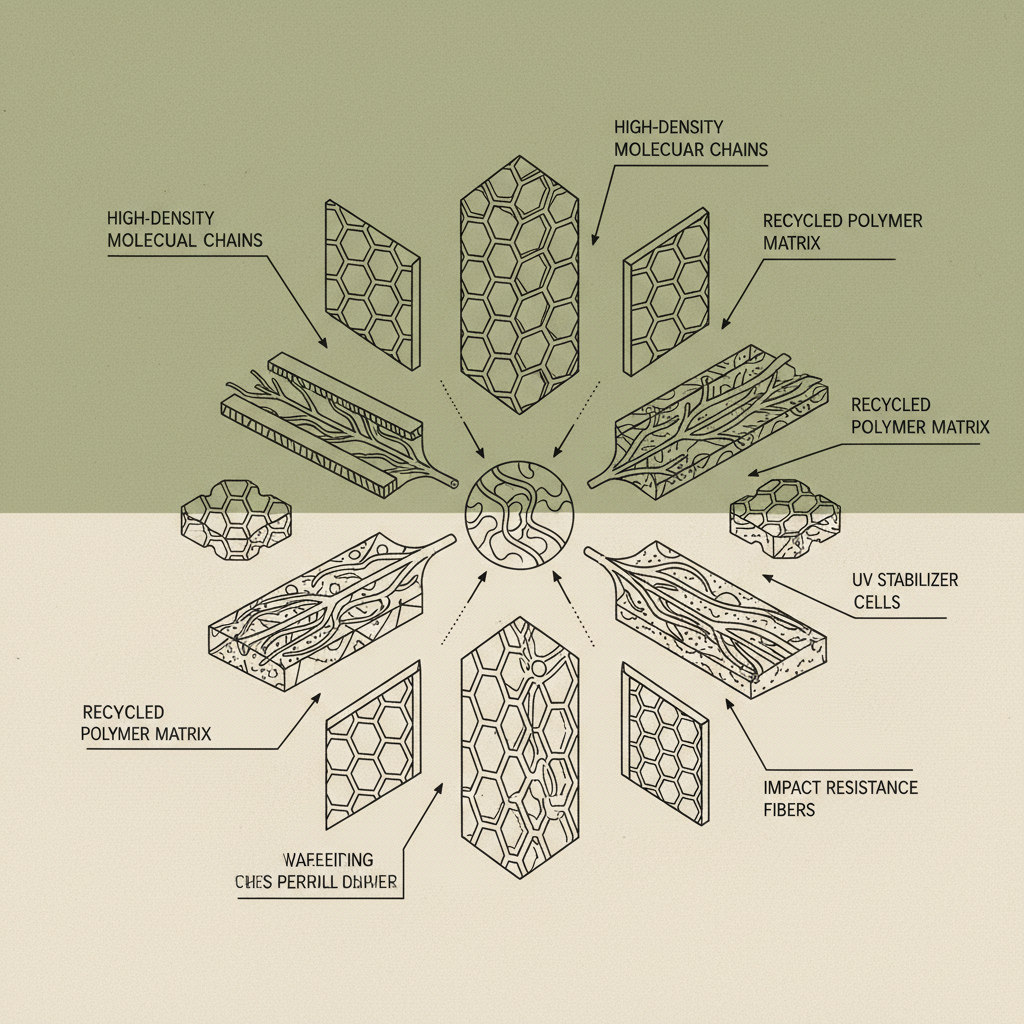
Performance factors like tensile strength, impact resistance, and flexural modulus are also crucial. These properties determine how well the sheet can withstand stress and strain in different applications. Polypropylene sheet can be modified with additives to enhance these properties further, tailoring the material to specific requirements.
Polypropylene Sheet Performance Ratings (1-10)
Applications of Polypropylene Sheet Across Industries
The applications of polypropylene sheet are incredibly diverse. In the packaging industry, it’s used for creating food containers, bottles, and protective packaging materials, leveraging its barrier properties and lightweight nature. The automotive sector utilizes it for interior trims, bumpers, and battery casings due to its impact resistance and cost-effectiveness.
The construction industry employs polypropylene sheet for roofing, siding, and drainage systems, capitalizing on its durability and weather resistance. In healthcare, it's found in syringes, medical containers, and surgical drapes, benefiting from its sterilization capabilities. These are just a few examples; its versatility continues to unlock new applications.
Long-Term Benefits and Value Proposition of Polypropylene Sheet
The long-term benefits of using polypropylene sheet extend beyond simply cost savings. Its durability translates to a longer product lifespan, reducing the need for frequent replacements and minimizing waste. Its chemical resistance ensures product integrity in harsh environments, enhancing safety and reliability. Choosing polypropylene sheet provides long-term value.
Furthermore, the material’s lightweight nature contributes to lower transportation costs and reduced energy consumption. From an environmental perspective, advancements in polypropylene recycling technologies are making it an increasingly sustainable option, contributing to a circular economy.
These benefits collectively contribute to a strong value proposition, making polypropylene sheet a compelling choice for businesses seeking both economic and environmental advantages. The material’s ability to enhance product performance and reduce overall costs positions it as a key enabler of innovation and sustainable growth.
Future Trends and Innovations in Polypropylene Sheet Technology
Future trends in polypropylene sheet technology are centered around sustainability and enhanced performance. Researchers are actively exploring methods to improve the recyclability of polypropylene, including chemical recycling techniques that break down the polymer into its original monomers for reuse. The development of bio-based polypropylene, derived from renewable resources, is also gaining traction.
Innovations in additive technology are aimed at enhancing properties like impact resistance, UV stability, and flame retardancy. Nanocomposites, incorporating nanoscale fillers into the polypropylene matrix, offer the potential for significantly improved mechanical and thermal properties. Digitalization and automation are streamlining manufacturing processes, leading to increased efficiency and reduced costs.
The integration of smart technologies, such as sensors and RFID tags, into polypropylene sheet products is also emerging, enabling real-time tracking and monitoring of goods throughout the supply chain. These advancements promise to further expand the applications and value of polypropylene sheet in the years to come.
Overview of Current Challenges and Potential Solutions for Polypropylene Sheet
| Challenge |
Impact on Polypropylene Sheet |
Potential Solution |
Implementation Complexity (1-10) |
| Limited Recyclability |
Increases plastic waste & environmental concerns. |
Invest in chemical recycling technologies. |
8 |
| Fluctuating Raw Material Costs |
Affects production costs & profitability. |
Diversify sourcing & explore bio-based alternatives. |
6 |
| UV Degradation |
Reduces lifespan in outdoor applications. |
Add UV stabilizers during manufacturing. |
4 |
| Limited Heat Resistance |
Restricts use in high-temperature environments. |
Develop heat-resistant polypropylene compounds. |
7 |
| Microplastic Release |
Contributes to environmental pollution. |
Develop additives to reduce microplastic shedding. |
5 |
| Competition from Alternative Materials |
Threatens market share. |
Focus on innovation & unique applications. |
6 |
FAQS
Polypropylene sheet offers a unique combination of properties including high chemical resistance, a low density leading to lighter weight, excellent fatigue resistance, and relatively low cost. Compared to materials like PVC, it’s often more durable and recyclable. Compared to polyethylene, it offers higher heat resistance. These attributes make it suitable for a broader range of applications.
The thickness of polypropylene sheet directly correlates to its strength, rigidity, and resistance to impact. Thicker sheets provide greater structural support and are ideal for applications requiring higher load-bearing capacity. Thinner sheets are suitable for packaging or disposable applications where lightweight is paramount. Choosing the right thickness is crucial for optimal performance.
While polypropylene sheet is durable, prolonged exposure to UV radiation can cause degradation. For outdoor applications, it’s essential to use UV-stabilized polypropylene sheet or apply a protective coating to prevent fading, cracking, and loss of strength. Consideration should also be given to temperature fluctuations and potential exposure to harsh weather conditions.
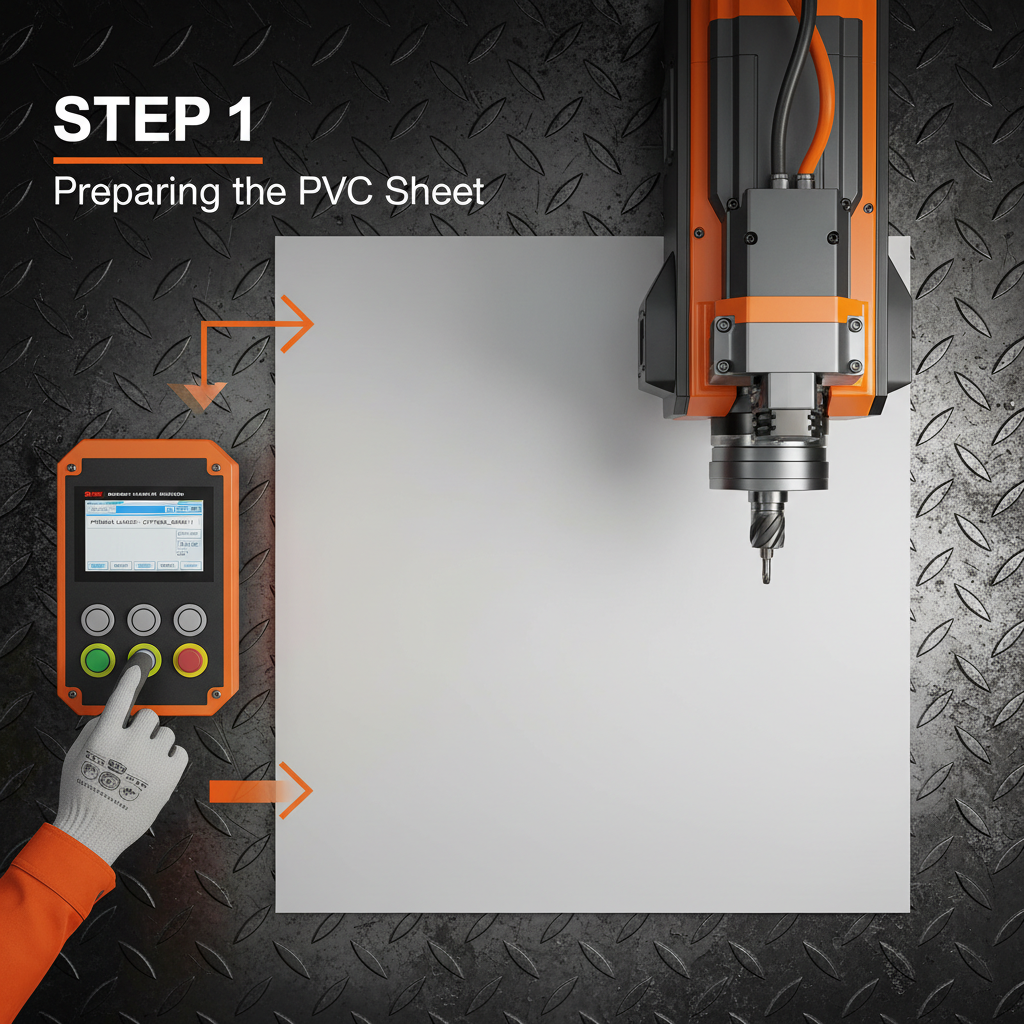
Common fabrication methods include thermoforming, cutting (using CNC machines or die-cutting), welding (hot air or ultrasonic), bending, and machining. Thermoforming is frequently used to create complex shapes, while cutting is employed for precise dimensions. The appropriate method depends on the desired shape, quantity, and precision requirements.
Yes, polypropylene sheet is recyclable, though the recycling rate is currently lower than some other plastics. Mechanical recycling, where the sheet is shredded, melted, and reformed, is the most common method. However, chemical recycling, which breaks down the polymer into its monomers for reuse, is gaining traction and offers a more sustainable solution.
Polypropylene sheet is increasingly replacing metal and wood in applications where weight reduction, corrosion resistance, and cost-effectiveness are critical. Examples include automotive interior panels (replacing metal), construction siding (replacing wood), and chemical storage tanks (replacing metal). Its versatility and performance characteristics make it a viable alternative.
Conclusion
Polypropylene sheet stands as a remarkably versatile and vital material in modern industry. Its combination of durability, chemical resistance, lightweight properties, and cost-effectiveness makes it essential across a broad spectrum of applications, from packaging and automotive components to construction and healthcare. Continued innovation in recycling technologies and the development of bio-based alternatives are crucial for ensuring its long-term sustainability.
Looking ahead, the future of polypropylene sheet lies in embracing sustainable practices, enhancing performance characteristics through advanced materials science, and integrating smart technologies to unlock new possibilities. Businesses seeking reliable, cost-effective, and adaptable materials should strongly consider polypropylene sheet as a core component of their product development and manufacturing strategies. Visit our website to learn more: www.lidaplastic.com