pp board, a versatile thermoplastic polymer, has become increasingly vital across a multitude of industries globally. From packaging and automotive components to medical devices and consumer goods, its unique combination of properties makes it an indispensable material in modern manufacturing. Understanding the nuances of pp board—its composition, processing, and applications—is crucial for engineers, designers, and businesses seeking cost-effective, durable, and sustainable solutions.
The global demand for polypropylene, the material from which pp board is derived, continues to surge, driven by economic growth in emerging markets and the ongoing need for lightweight, robust materials. According to the UN, production capacity is projected to increase significantly in the coming years, with Asia-Pacific remaining the dominant regional market. This expansion highlights the critical role pp board plays in supporting infrastructure development, healthcare access, and consumer needs worldwide.
Addressing challenges related to plastic waste and environmental impact, innovative advancements in recycling technologies and bio-based polypropylene are gaining momentum. These initiatives aim to create a more circular economy for pp board, minimizing its environmental footprint and maximizing resource efficiency, showcasing its continued relevance in a changing world.
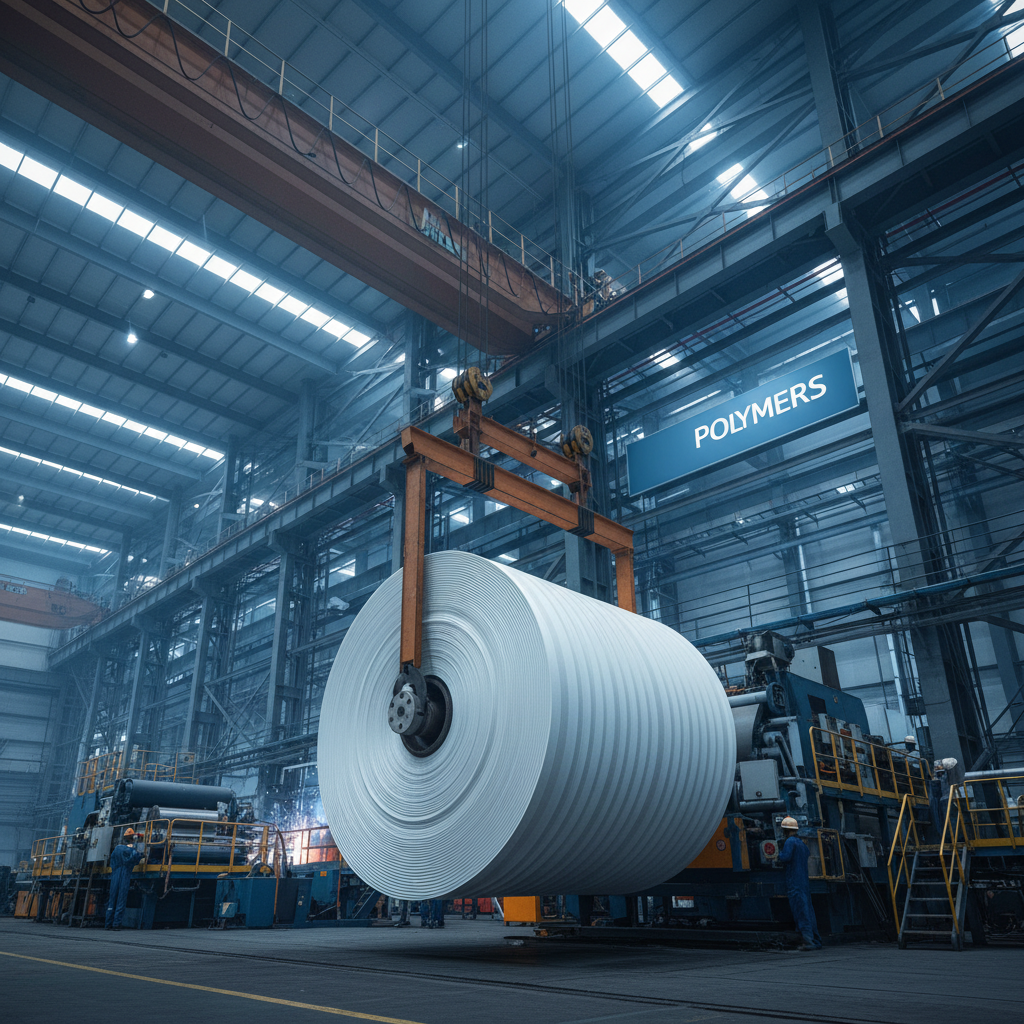
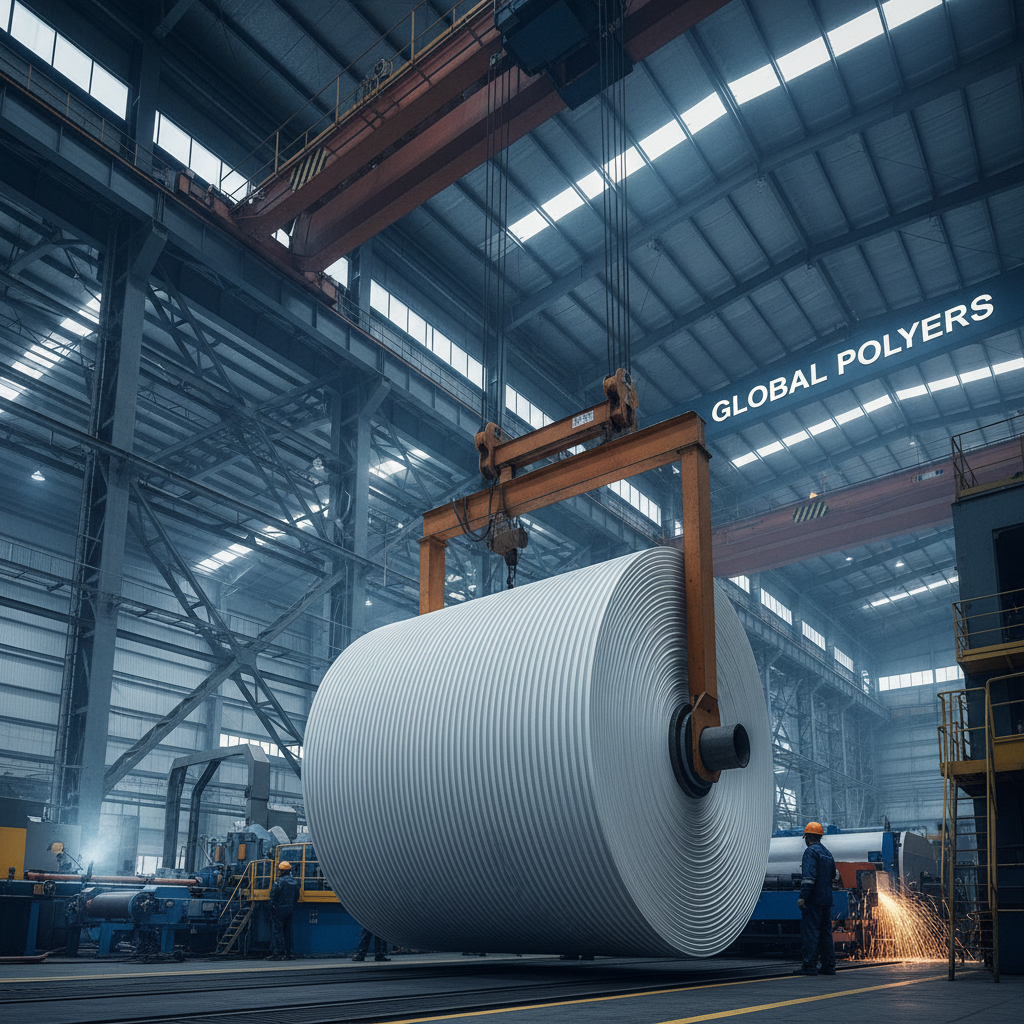
pp board stands for polypropylene board, a thermoplastic polymer known for its excellent chemical resistance, durability, and versatility. It’s created through the polymerization of propylene, a byproduct of petroleum refining. This material is often used as a substitute for heavier materials like metal and wood, providing a cost-effective and lightweight solution in many applications.
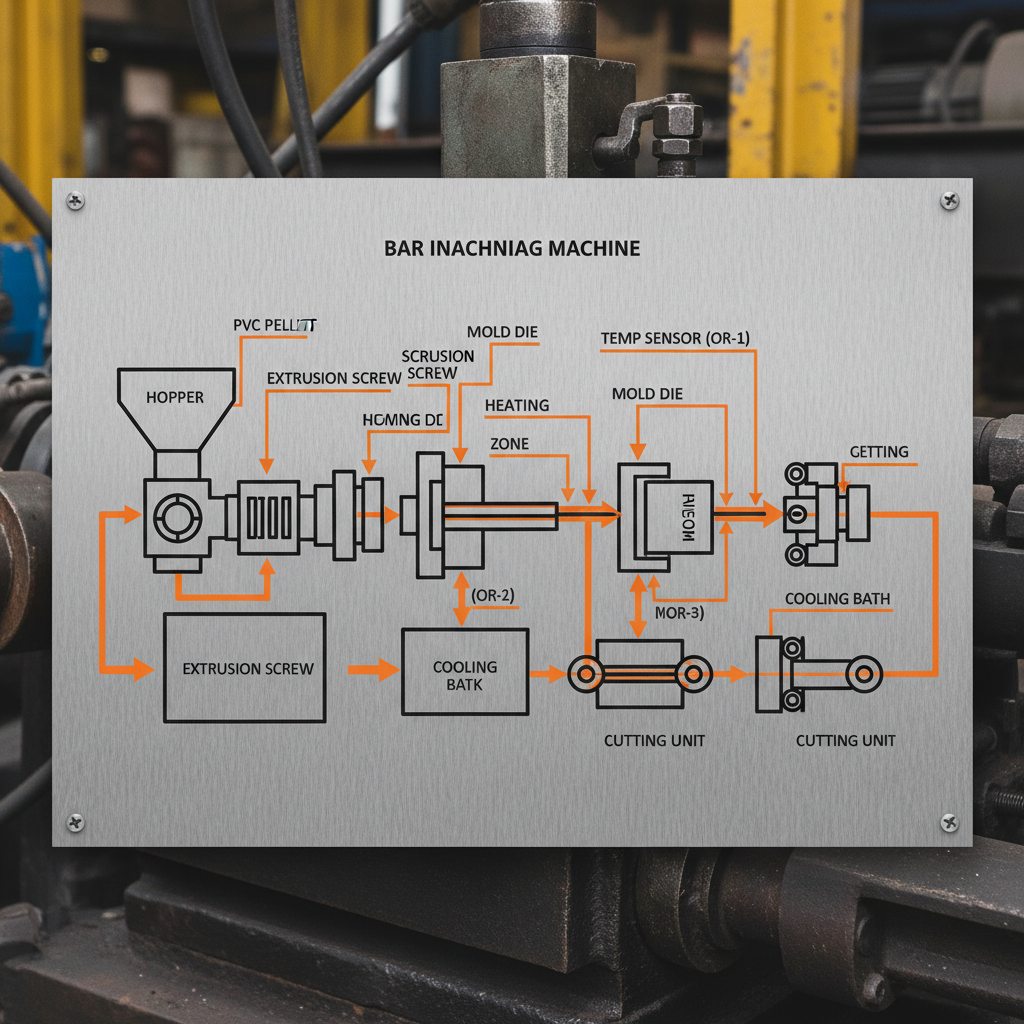
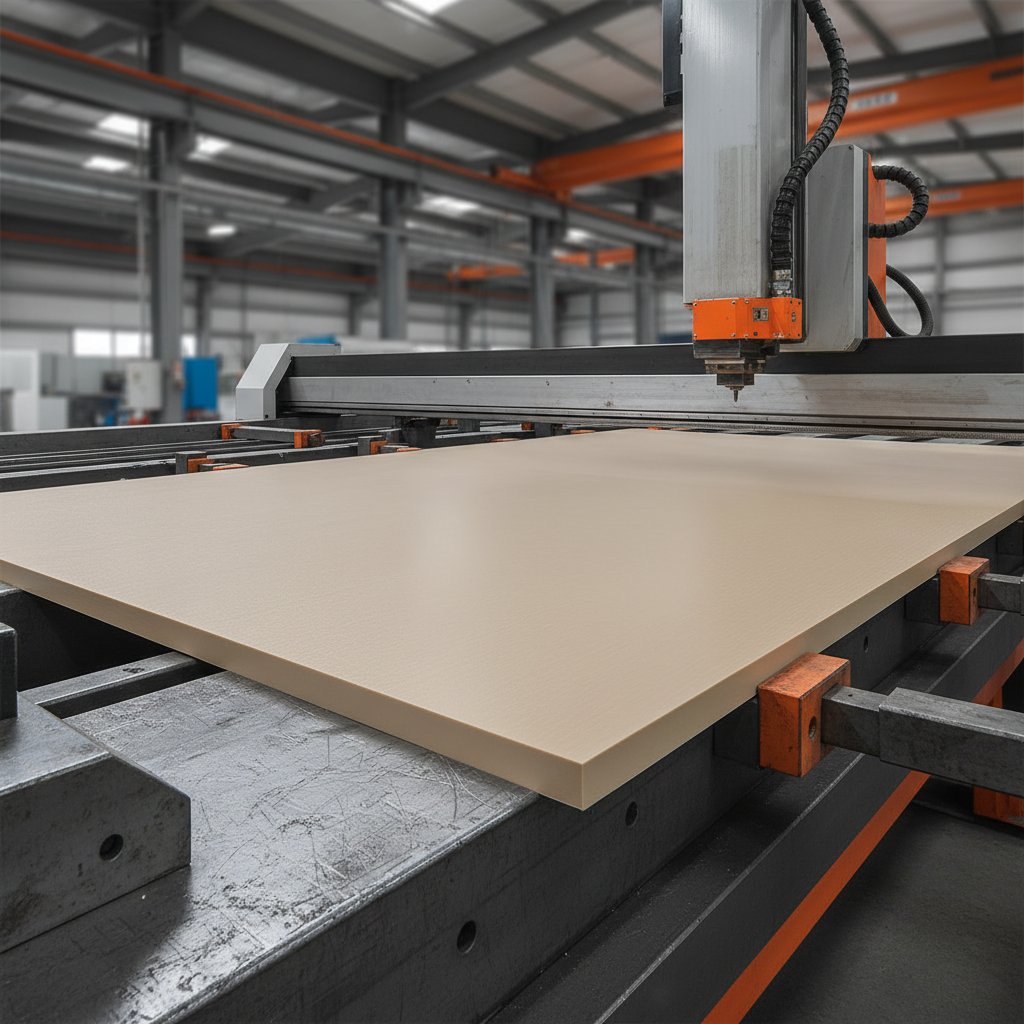
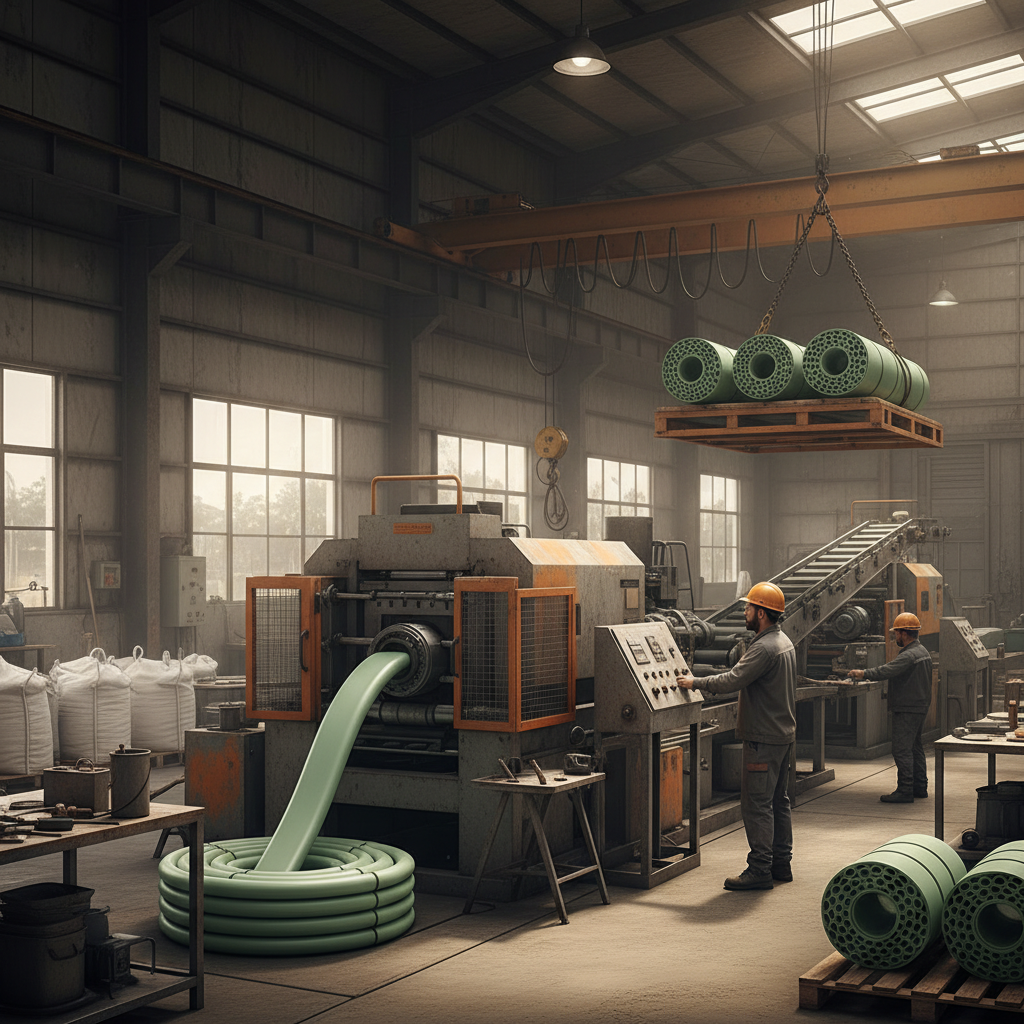
The importance of pp board lies in its adaptability to a wide range of manufacturing processes, including extrusion, injection molding, and thermoforming. This allows for the creation of complex shapes and designs, making it suitable for diverse industries. From rigid packaging to automotive parts and laboratory equipment, pp board’s properties cater to specific performance requirements.
pp board offers several key advantages: it’s significantly lighter than both wood and metal, reducing transportation costs and easing handling. It’s also highly resistant to moisture, chemicals, and corrosion, unlike wood which is susceptible to rot and metal which can rust. Furthermore, pp board is often more cost-effective than both materials and can be easily molded into complex shapes, providing design flexibility.
pp board is increasingly recognized as a more sustainable option due to its recyclability. Recycling code #5 identifies polypropylene, and it can be recycled into a variety of new products. While not all municipalities accept #5 plastics, a growing number of recycling facilities are equipped to process it. Additionally, research is progressing on bio-based polypropylene, offering a renewable alternative to fossil fuel-based production.
pp board is widely used in medical applications due to its sterilizability, chemical resistance, and lightweight nature. Common uses include medical trays and containers for instruments, disposable labware, housings for medical devices, and components for syringes and IV sets. Its ability to withstand sterilization processes like autoclaving makes it ideal for maintaining a hygienic environment.
pp board has a relatively low melting point (around 130-171°C / 266-340°F), which means it's not suitable for high-temperature applications. However, it maintains its structural integrity at typical operating temperatures. Exposure to extreme heat can cause deformation, while low temperatures can make it more brittle. It’s essential to consider the intended application’s temperature range when selecting pp board.
The cost of pp board varies depending on factors such as thickness, color, quantity, and supplier. Generally, it is a cost-effective material compared to alternatives like aluminum or steel. Raw material costs are relatively stable, and manufacturing processes are well-established, contributing to competitive pricing. Obtaining quotes from multiple suppliers is recommended for accurate cost estimation.
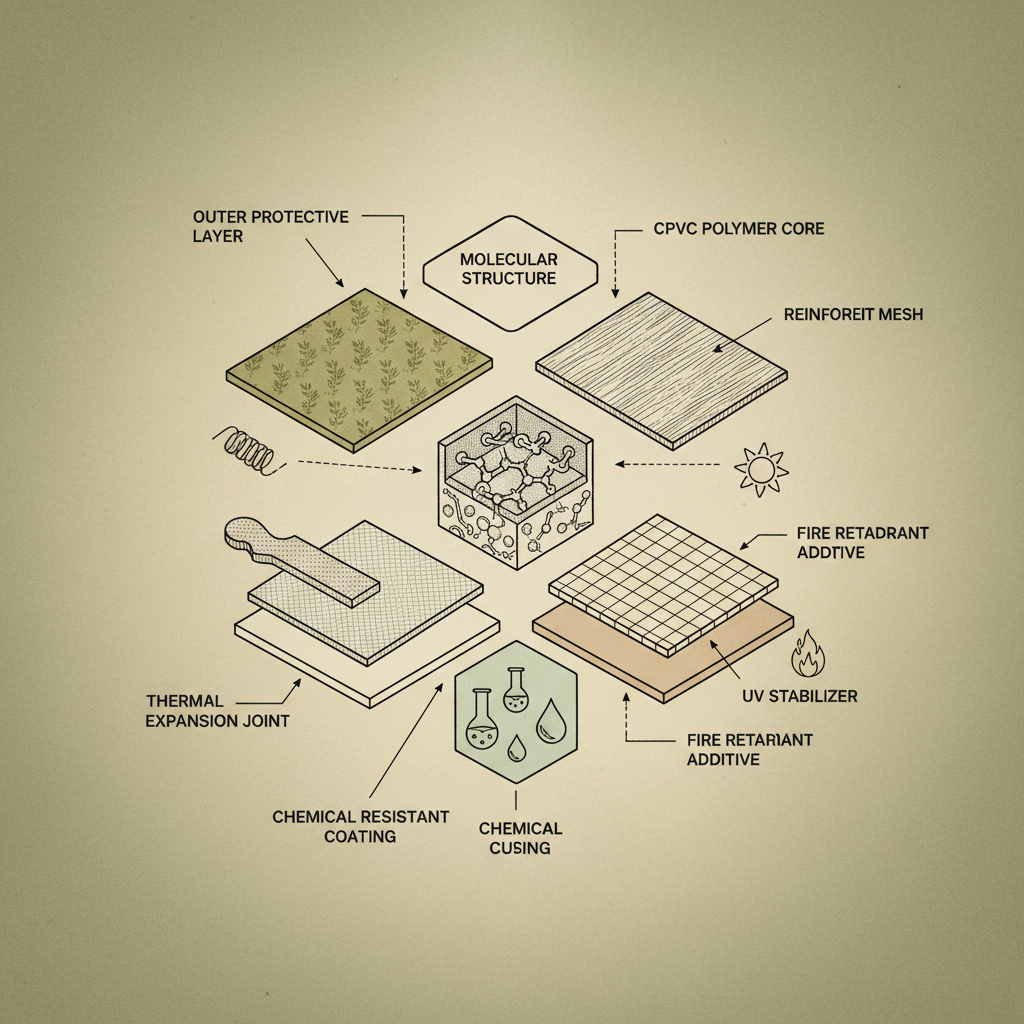
One limitation is its susceptibility to UV degradation. Prolonged exposure to sunlight can cause fading and embrittlement. This can be mitigated by adding UV stabilizers to the material or applying a protective coating. Another limitation is its lower impact resistance at low temperatures, addressed by blending with impact modifiers. Finally, its flammability requires careful consideration in certain applications, potentially needing fire retardant additives.
In conclusion, pp board stands as a remarkably versatile and essential material in today’s industrial landscape. Its unique blend of durability, cost-effectiveness, chemical resistance, and recyclability has propelled its adoption across a vast range of applications, from packaging and automotive components to medical devices and humanitarian aid initiatives. Understanding its properties and potential is crucial for engineers, designers, and businesses seeking innovative solutions.
Looking ahead, ongoing research and development focused on bio-based polypropylene, nanocomposites, and advanced manufacturing techniques will further enhance the sustainability and performance of pp board. By embracing these innovations, we can unlock even greater value from this remarkable material, contributing to a more circular economy and addressing global challenges with ingenuity and responsibility. Visit our website at pp board to learn more about our products and solutions.