pp panel solutions are revolutionizing industries globally, offering a versatile and cost-effective alternative to traditional building materials. From rapid deployment housing in disaster relief to durable industrial enclosures, the adaptability of pp panel is addressing critical needs worldwide. Understanding the properties and applications of pp panel is becoming increasingly vital for professionals in construction, humanitarian aid, and manufacturing.
The demand for sustainable and efficient construction solutions is driving the growth of the pp panel market. Globally, there's a growing recognition of the need for resilient infrastructure, especially in regions prone to natural disasters or experiencing rapid population growth. pp panel’s lightweight nature, ease of assembly, and potential for recycling position it as a key component in addressing these challenges.
This exploration delves into the core characteristics, applications, and future trends surrounding pp panel, providing a comprehensive overview for those seeking innovative and practical solutions. The inherent qualities of this material contribute to a range of applications, from modular buildings to protective packaging, impacting diverse sectors and driving economic efficiency.
The Rise of pp panel
The increasing adoption of pp panel is a direct response to the evolving needs of modern construction and manufacturing. Its lightweight yet durable properties make it an ideal material for applications where minimizing weight and maximizing strength are crucial. This is particularly true in the transportation sector and for prefabricated structures.
Driven by a desire for sustainability and efficiency, industries are actively seeking alternatives to traditional materials like wood, metal, and concrete. pp panel offers a compelling solution, boasting a lower carbon footprint and reduced waste during production and installation. pp panel continues to gain prominence as a versatile and sustainable building material.
Defining pp panel
pp panel, short for polypropylene panel, is a composite material typically consisting of a polypropylene core sandwiched between two polypropylene skins. This construction yields a lightweight yet remarkably strong and rigid panel suitable for a wide range of applications. The material's inherent properties include excellent chemical resistance, moisture resistance, and thermal insulation.
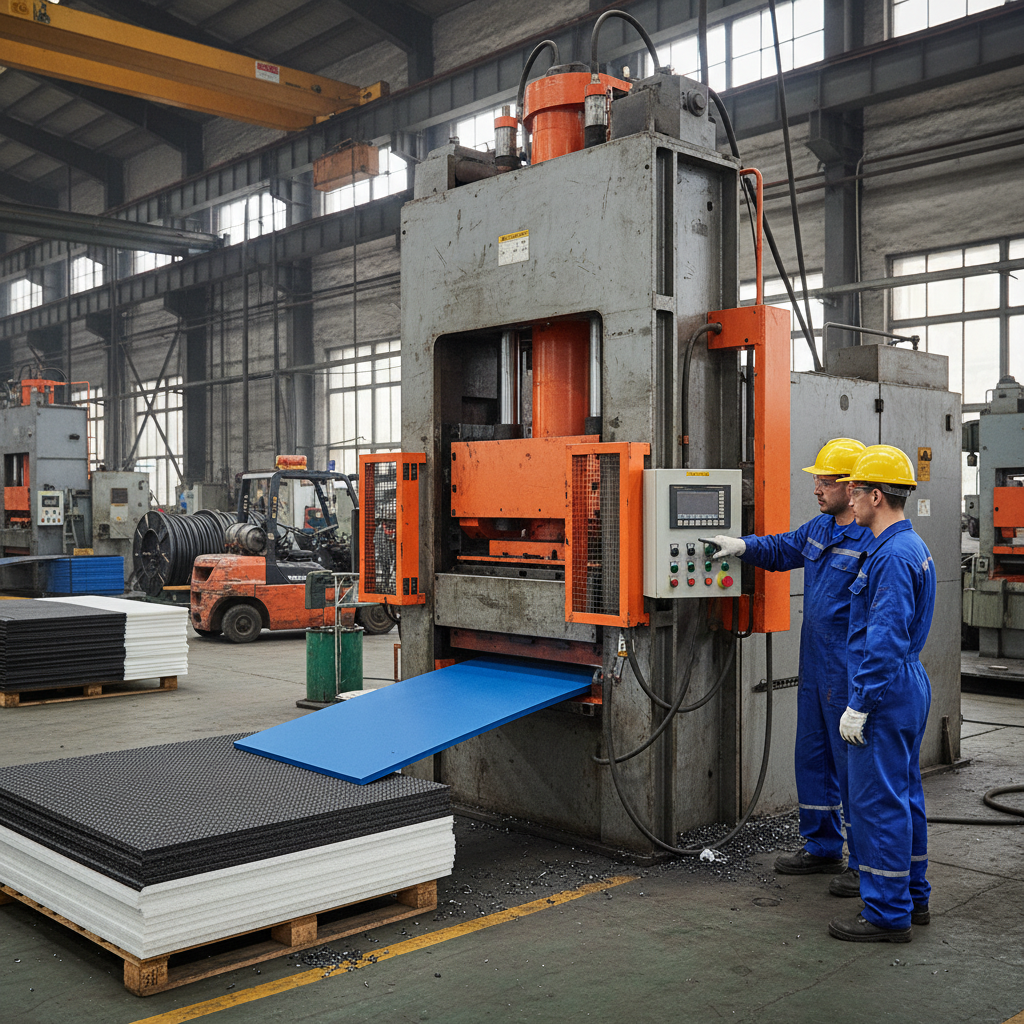
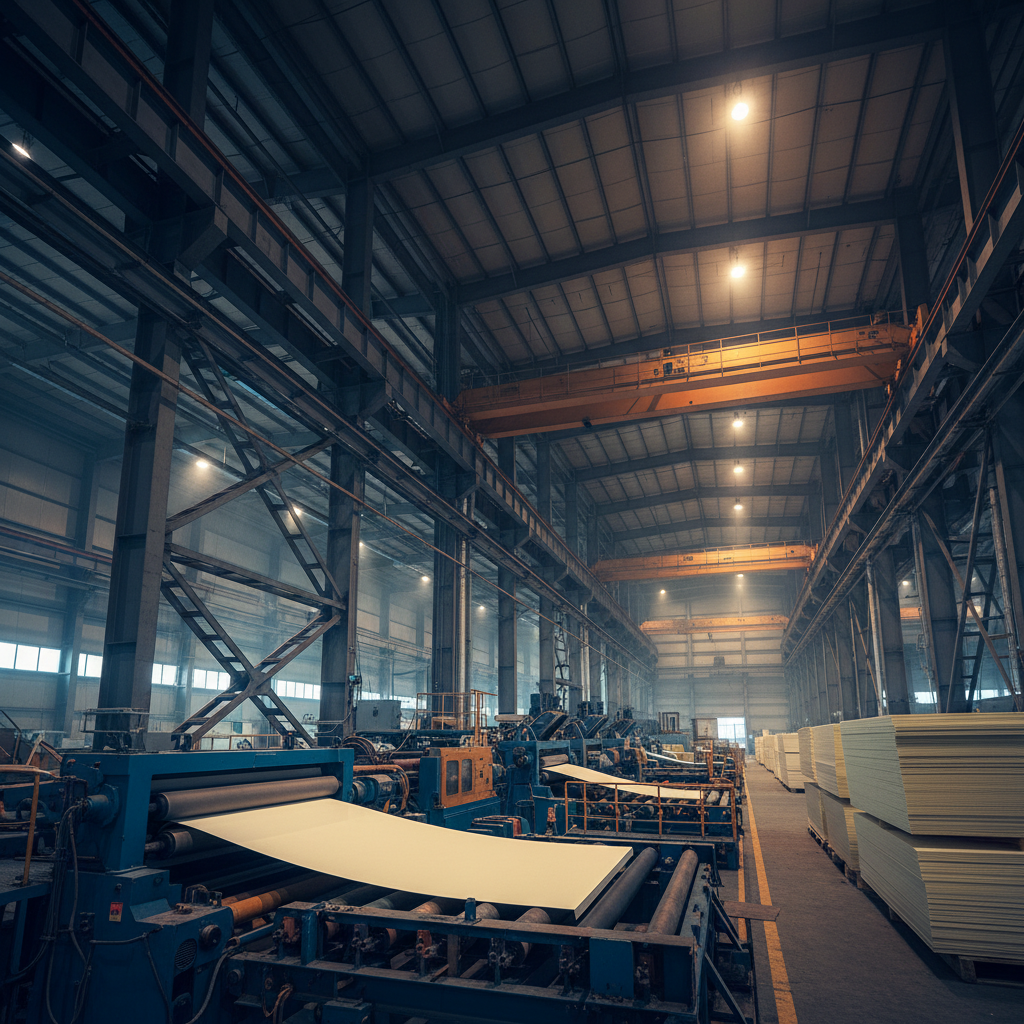
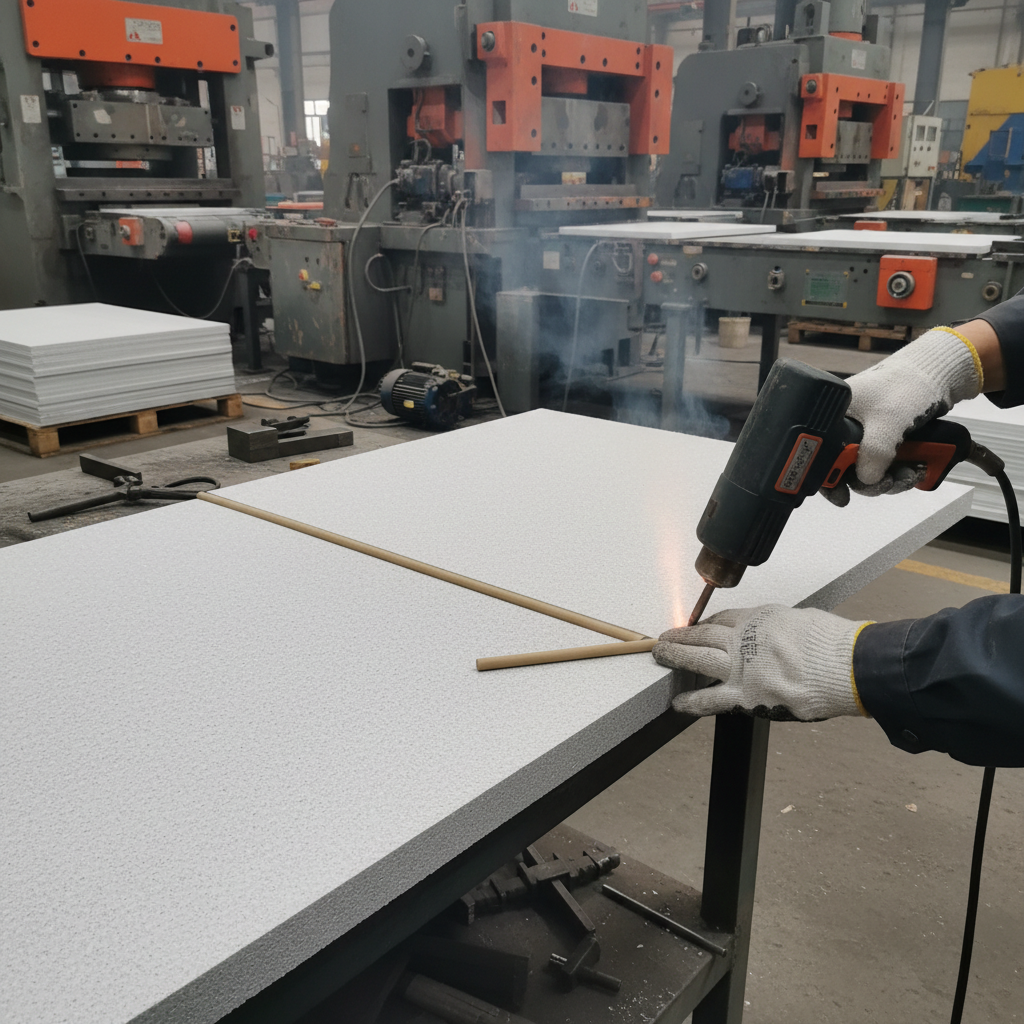
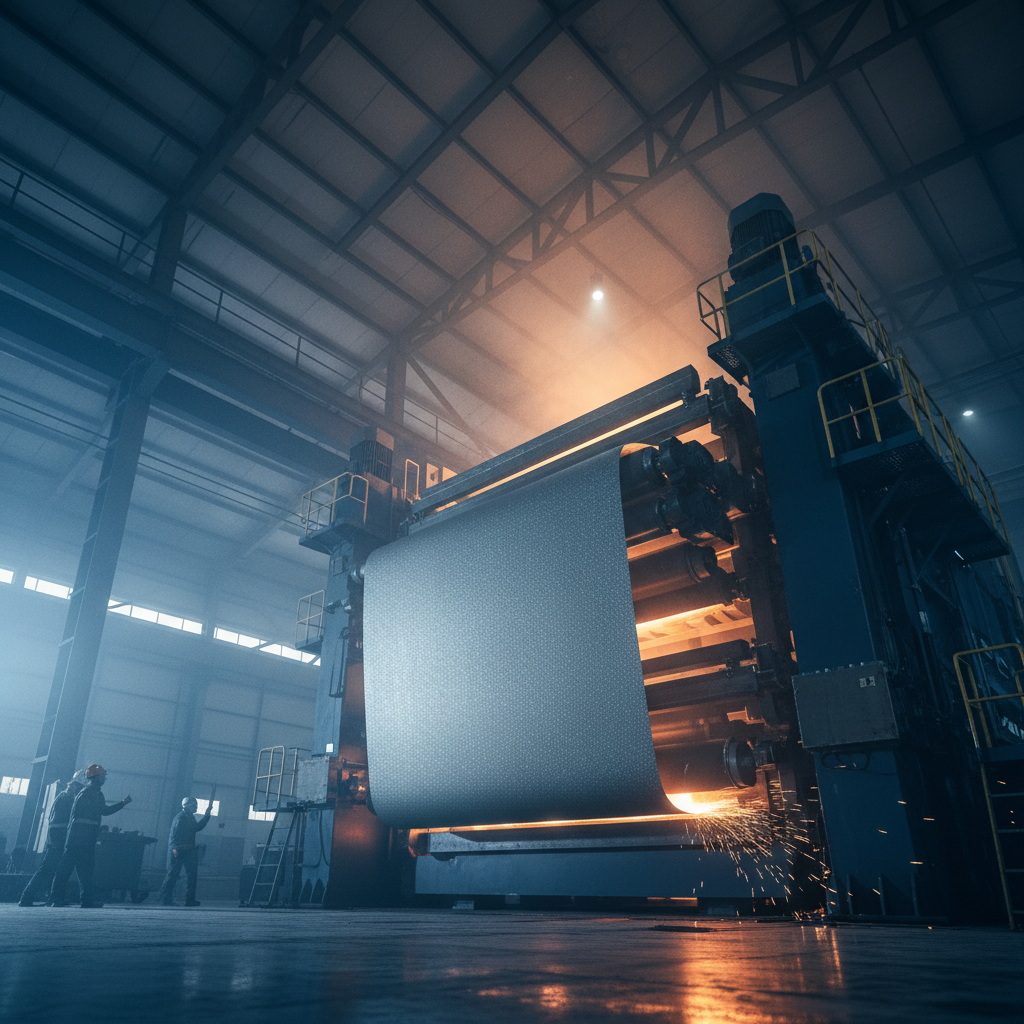
Unlike many traditional building materials, pp panel is fully recyclable, contributing to a circular economy and reducing environmental impact. The manufacturing process involves extruding polypropylene sheets and bonding them to a honeycomb or ribbed core structure. This creates a panel that is both structurally sound and cost-effective.
Its connection to modern industry is clear: pp panel is addressing the growing demand for sustainable, lightweight, and durable materials in sectors ranging from construction and transportation to packaging and signage. It’s becoming increasingly essential in humanitarian relief efforts, offering rapid deployment housing solutions.
Core Components of pp panel
The structural integrity of pp panel hinges on the synergy between its core and skin layers. The polypropylene skins provide a durable, weather-resistant outer shell, while the core, often honeycomb or ribbed, offers exceptional rigidity and impact resistance. The type of core used dictates the panel's load-bearing capacity and insulation properties.
The polypropylene material itself is key; its inherent properties are responsible for the panel’s lightweight nature, chemical inertness, and resistance to moisture. Additives can be incorporated into the polypropylene formulation to enhance specific characteristics, such as UV resistance, flame retardancy, or color. Careful selection of these additives is critical to tailoring the panel’s performance to its intended application.
The bonding process between the core and skin is equally important. Adhesives specifically formulated for polypropylene are used to ensure a strong, long-lasting connection. The quality of the bonding directly influences the panel's overall structural performance and resistance to delamination.
Key Benefits and Performance Metrics of pp panel
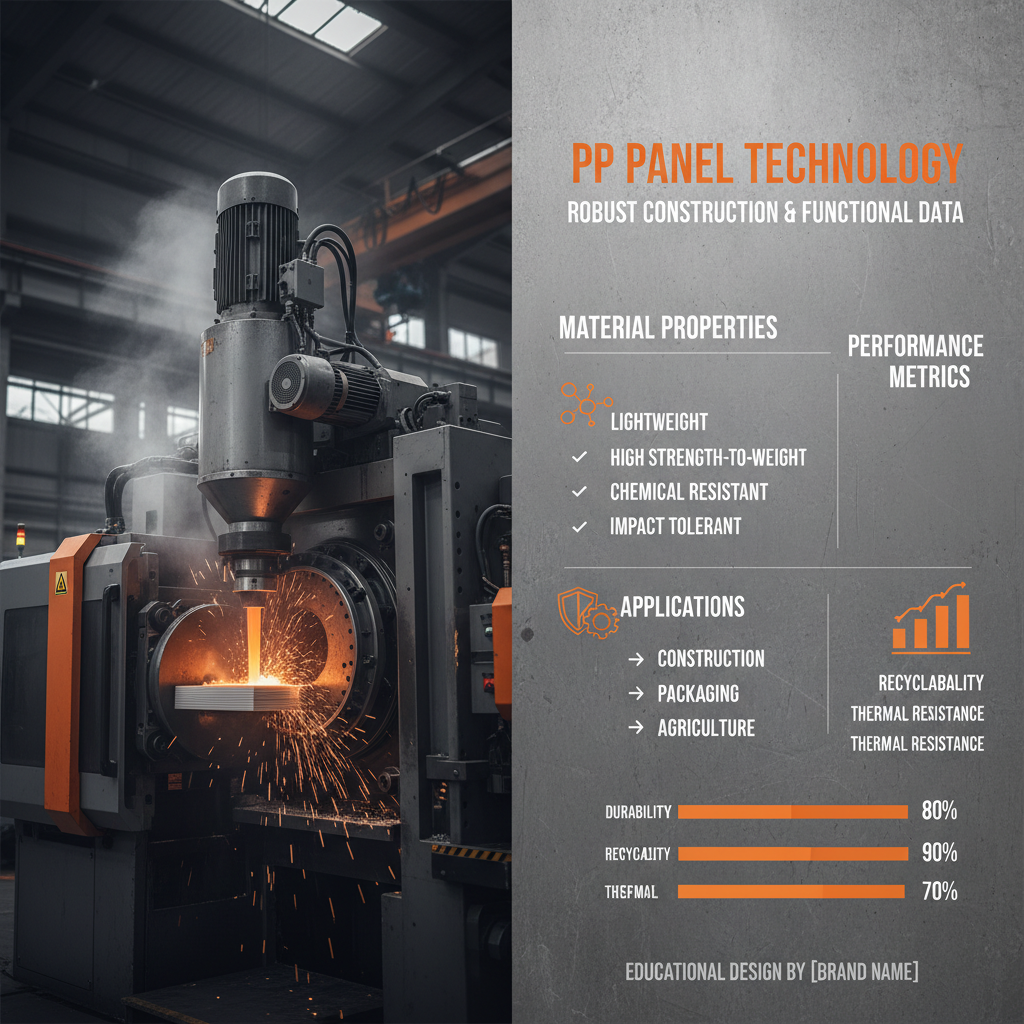
pp panel offers a compelling combination of benefits, including exceptional strength-to-weight ratio, excellent thermal insulation, and superior chemical resistance. These characteristics translate into reduced material costs, faster installation times, and lower energy consumption. Its inherent durability also minimizes maintenance requirements over its lifespan.
Performance metrics for pp panel include density (typically ranging from 200-400 kg/m³), flexural strength (measured in MPa), thermal conductivity (measured in W/m·K), and water absorption (measured as a percentage). These parameters vary depending on the core type, skin thickness, and polypropylene formulation used.
pp panel Performance Comparison
Global Applications and Use Cases
The versatility of pp panel makes it suitable for a diverse range of applications. In the construction industry, it's utilized for prefabricated buildings, wall cladding, roofing, and interior partitions. Its lightweight nature simplifies transportation and installation, reducing project timelines and costs.
Beyond construction, pp panel finds applications in the transportation sector, specifically in the manufacturing of truck bodies, van interiors, and cargo containers. Its durability and moisture resistance make it ideal for protecting goods during transit. In post-disaster relief operations, rapidly deployable shelters constructed from pp panel provide immediate housing solutions.
Advantages and Long-Term Value
The benefits of using pp panel extend beyond initial cost savings. Its inherent durability translates into lower maintenance requirements and a longer service life, resulting in reduced lifecycle costs. The material’s excellent thermal insulation properties contribute to energy efficiency, lowering heating and cooling expenses.
Furthermore, pp panel’s recyclability aligns with growing sustainability initiatives, enhancing a company’s environmental profile and appealing to eco-conscious consumers. From a logistical standpoint, the lightweight nature of the material reduces transportation costs and simplifies handling during installation, contributing to overall project efficiency.
The long-term value proposition extends to safety and reliability; pp panel offers consistent performance and doesn’t degrade over time like some traditional materials, providing a secure and dependable solution for various applications.
Future Trends and Innovations in pp panel Technology
Innovation in pp panel technology is focused on enhancing its performance characteristics and expanding its applications. Research and development efforts are underway to incorporate bio-based polypropylene derived from renewable resources, further reducing the material’s carbon footprint.
Advances in manufacturing processes are leading to the development of thinner, lighter, and stronger pp panel options. Digital fabrication techniques, such as CNC machining, are enabling the creation of customized panel designs with intricate geometries. Integration with smart building technologies is also being explored, allowing for real-time monitoring of structural integrity and environmental conditions.
The future of pp panel is intertwined with broader trends in sustainability, digital transformation, and automation, promising even more innovative and efficient solutions for a wide range of industries.
Key Factors Influencing pp panel Advancement
| Material Composition |
Manufacturing Process |
Application Sector |
Sustainability Impact |
| Polypropylene Grade |
Extrusion Techniques |
Construction |
Recyclability Rate (7/10) |
| Additive Incorporation |
Core Bonding Methods |
Transportation |
Carbon Footprint (6/10) |
| Bio-Based Polymer Content |
Panel Thickness Control |
Packaging |
Waste Reduction (8/10) |
| UV Stabilizer Concentration |
Surface Treatment Application |
Disaster Relief |
Resource Efficiency (9/10) |
| Flame Retardant Level |
Quality Control Measures |
Signage |
Life Cycle Assessment (7/10) |
| Impact Modifier Type |
Automation Integration |
Industrial Enclosures |
Circular Economy Potential (8/10) |
FAQS
pp panel offers significant advantages including a substantially lighter weight, faster installation times, superior thermal insulation, and excellent chemical resistance. Compared to concrete, it reduces structural load and foundation requirements. Compared to wood, it's resistant to rot, insects, and moisture damage. It’s also fully recyclable, contributing to sustainable building practices. The lower weight also significantly reduces transportation costs.
While the initial material cost of pp panel may sometimes be slightly higher than some traditional materials, the overall lifecycle cost is often lower. This is due to faster installation, reduced labor costs, lower transportation expenses, minimal maintenance requirements, and improved energy efficiency. Its longevity also contributes to long-term cost savings. A comprehensive cost analysis should always be conducted considering specific project needs.
pp panel, while versatile, has limitations. It may not be ideal for applications requiring extremely high load-bearing capacity, such as the foundations of skyscrapers. It also has a lower fire resistance rating compared to materials like concrete, requiring fire-retardant treatments in certain applications. Specific structural designs and code requirements should always be considered.
pp panel is considered environmentally friendly due to its recyclability and lower carbon footprint compared to many traditional materials. Polypropylene is recyclable (recycling code #5), although recycling infrastructure may vary by location. Increasingly, manufacturers are utilizing recycled polypropylene in the production of new panels, promoting a circular economy. Its lightweight nature also reduces transportation emissions.
pp panel structures require minimal maintenance. Regular cleaning with mild soap and water is generally sufficient. The material is resistant to corrosion, rot, and insect damage. With proper installation and maintenance, a lifespan of 25-50 years can be expected, depending on the specific application and environmental conditions. UV protection may be necessary in areas with prolonged sun exposure.
Building codes and regulations vary by location. It’s crucial to consult local building authorities to ensure compliance. pp panel typically requires testing and certification to meet specific performance standards for fire resistance, structural integrity, and insulation. Manufacturers often provide technical data and documentation to assist with code compliance. A qualified structural engineer should always be involved in the design process.
Conclusion
pp panel represents a significant advancement in materials technology, offering a compelling combination of performance, sustainability, and cost-effectiveness. Its versatility allows for a broad spectrum of applications, addressing critical needs in construction, transportation, and disaster relief. The inherent properties of pp panel – lightweight, durable, and recyclable – position it as a key solution for building a more resilient and sustainable future.
As research and development continue to refine the material and manufacturing processes, we can expect even more innovative applications of pp panel to emerge. Embracing this technology and incorporating it into design and construction practices is crucial for businesses and organizations seeking to enhance efficiency, reduce environmental impact, and create lasting value. Visit our website: www.lidaplastic.com for more information.