Polypropylene board has emerged as a versatile and crucial material across a wide spectrum of industries, from construction and automotive to packaging and healthcare. Its lightweight nature, coupled with remarkable strength and chemical resistance, makes it an ideal alternative to traditional materials like wood, metal, and glass. Globally, the demand for polypropylene board is experiencing sustained growth, driven by factors such as increasing infrastructure development, rising consumer demand for durable and sustainable products, and a growing awareness of its cost-effectiveness. Understanding the properties and applications of polypropylene board is paramount for businesses and professionals seeking innovative and efficient solutions.
The global polypropylene market, valued at billions of dollars annually, is a significant driver of economic growth. According to reports from organizations like the International Organization of Standardization (ISO) and market research firms, the Asia-Pacific region dominates the market, fueled by rapid industrialization in countries like China and India. However, demand is also steadily increasing in North America and Europe, particularly in sectors focused on sustainability and recycling.
A key challenge addressed by polypropylene board is the need for durable, cost-effective, and environmentally responsible materials. Traditional building materials often require significant maintenance, are susceptible to corrosion or decay, and can contribute to deforestation. Polypropylene board, especially recycled grades, offers a viable solution, reducing reliance on limited natural resources and minimizing environmental impact. This makes it particularly important in areas facing resource constraints or environmental challenges.
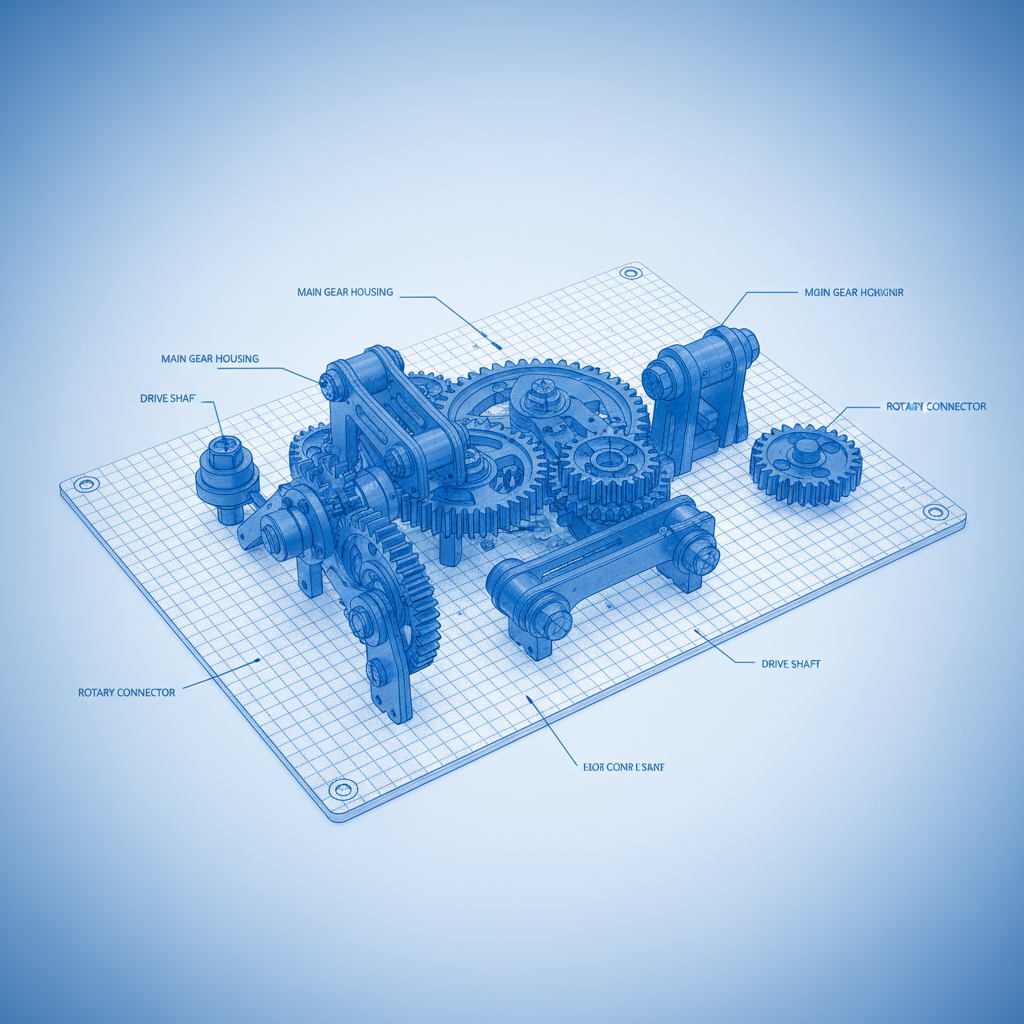
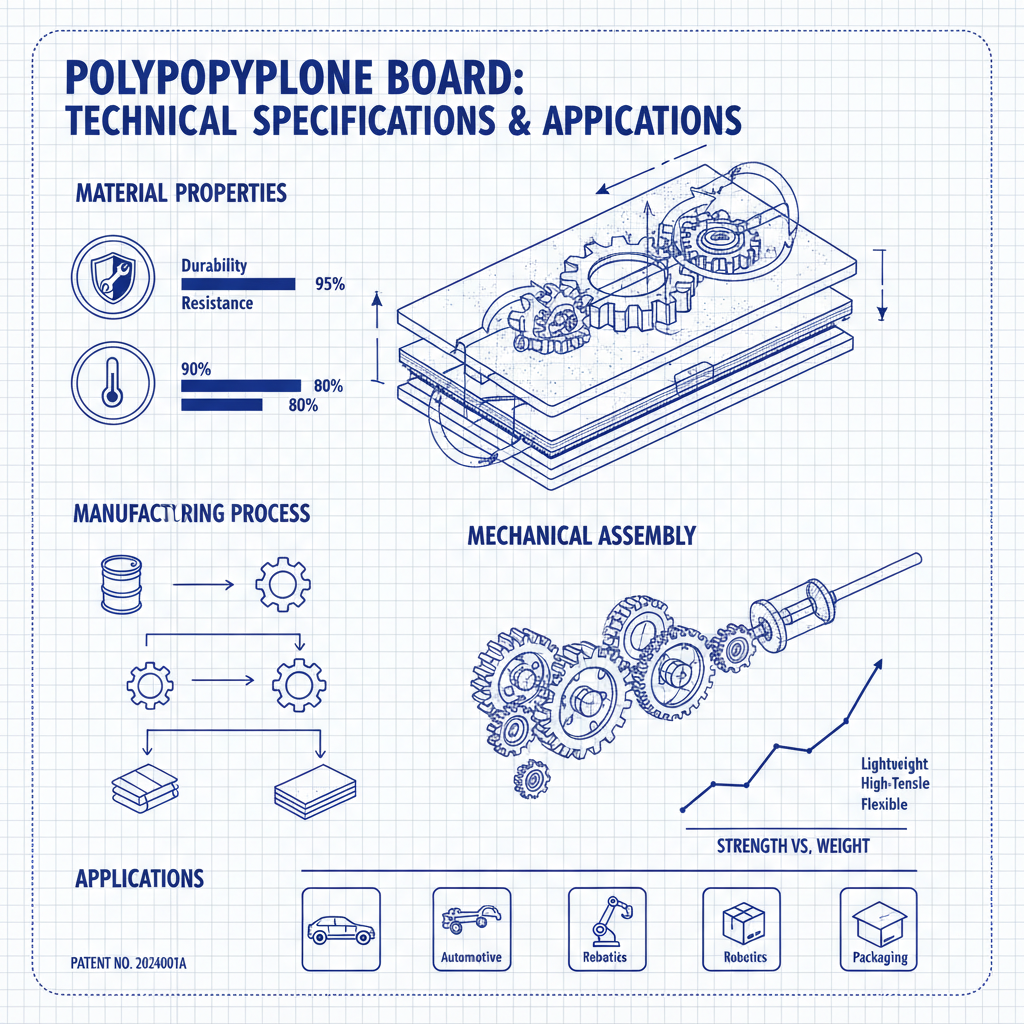
Polypropylene board is a thermoplastic polymer that has become a staple in modern manufacturing and construction. Its unique combination of properties—lightweight yet strong, chemically resistant, and easily moldable—makes it a preferred choice for a diverse range of applications. The production process, relatively simple and cost-effective, further contributes to its widespread adoption.
This versatile material is increasingly replacing traditional materials in many sectors. For instance, in the signage industry, polypropylene board is favored over wood or metal due to its durability and resistance to weather elements. Similarly, in the packaging sector, its lightweight nature and ability to protect products during transit make it a preferred choice. Understanding the core properties of polypropylene board is crucial for unlocking its full potential.
Polypropylene board offers significant advantages over wood for outdoor signage, primarily due to its superior weather resistance. Unlike wood, polypropylene doesn't rot, warp, or splinter when exposed to moisture, UV radiation, or extreme temperatures. This translates to a longer lifespan, reduced maintenance costs, and a consistently professional appearance. It's also lighter weight, making installation easier, and often more cost-effective.
Yes, polypropylene board is recyclable, designated as plastic recycling code #5. However, recycling infrastructure for PP-5 can vary depending on location. It's important to check with local recycling facilities to confirm acceptance. Using recycled polypropylene board further reduces environmental impact by decreasing the demand for virgin plastic production and diverting waste from landfills. Choosing suppliers committed to sustainable practices is also important.
The lifespan of polypropylene board in a marine environment depends on several factors, including the quality of the material, exposure to direct sunlight, and frequency of saltwater contact. With proper UV stabilization and maintenance, polypropylene board can last 5-10 years in marine applications. However, prolonged exposure to harsh conditions can lead to degradation. Regular cleaning and protective coatings can extend its lifespan.
Yes, polypropylene board can be readily painted or printed on. However, due to its non-porous surface, proper surface preparation is crucial for optimal adhesion. Light sanding or the application of a primer is often recommended. Compatible inks include UV-curable inks, solvent-based inks, and some water-based inks. It’s essential to test a small area first to ensure compatibility and desired results.
Polypropylene board is combustible, meaning it will burn if exposed to a flame. However, it doesn't readily ignite and burns relatively slowly. It's often treated with flame retardants to improve its fire resistance. Fire safety ratings vary depending on the specific formulation and additives used. Always consult the product's safety data sheet (SDS) for detailed fire safety information.
Generally, polypropylene board is more cost-effective than PVC and acrylic. PVC tends to be more expensive due to the addition of plasticizers, while acrylic offers superior clarity but comes at a higher price point. Polypropylene board provides a good balance of cost, durability, and versatility, making it a popular choice for many applications. However, specific pricing can vary based on thickness, size, and supplier.
Polypropylene board stands as a remarkably versatile and cost-effective material with a growing range of applications across numerous industries. Its durability, chemical resistance, lightweight nature, and recyclability make it an increasingly attractive alternative to traditional materials. Understanding these core properties and considering its long-term benefits is crucial for businesses and organizations seeking sustainable and efficient solutions.
Looking ahead, continued innovation in polypropylene board technology, particularly in the areas of bio-based materials and smart integrations, promises to further enhance its value and expand its applications. By embracing these advancements and prioritizing responsible manufacturing practices, we can unlock the full potential of polypropylene board for a more sustainable and resilient future.