cpvc tube, or chlorinated polyvinyl chloride tubing, is a robust and versatile piping system increasingly utilized across diverse industries globally. Its inherent resistance to corrosion, high temperatures, and chemical degradation makes it a superior alternative to traditional metal piping in many applications. Understanding its properties and potential is crucial for engineers, contractors, and anyone involved in infrastructure projects, offering both cost-effective and long-lasting solutions.
The global demand for reliable and durable piping systems is escalating due to rapid urbanization, aging infrastructure, and increased industrialization. According to recent reports, the global plastic pipe market is projected to reach \$74.3 billion by 2027, with cpvc tube representing a significant and growing segment. This growth is driven by the need for materials that can withstand harsh environments and deliver consistent performance, ensuring safety and efficiency.
cpvc tube addresses the persistent challenges of corrosion and maintenance associated with conventional materials like steel and galvanized iron. Its lightweight nature simplifies installation, reducing labor costs and project timelines. Furthermore, its superior flow characteristics contribute to energy savings and optimized system performance, making it a sustainable choice for modern infrastructure.
The Significance of cpvc Tube in Modern Infrastructure
The increasing demand for robust and reliable infrastructure necessitates materials that can withstand challenging conditions. cpvc tube emerges as a critical component in this landscape, offering superior performance in corrosive environments and high-temperature applications compared to traditional materials. Its widespread adoption signifies a shift toward more sustainable and long-lasting piping solutions.
Furthermore, the ease of installation and reduced maintenance requirements of cpvc tube contribute to significant cost savings over the lifespan of a project. This makes it an attractive option for both public and private sector investments in infrastructure development, ensuring long-term value and reduced operational expenses.
Defining cpvc Tube and Its Industrial Relevance
cpvc tube is a thermoplastic produced by chlorinating polyvinyl chloride (PVC) resin. This chlorination process enhances the material’s heat resistance and chemical stability, making it suitable for a wider range of applications than standard PVC. It’s typically off-white or light gray in color and available in various sizes and schedules (wall thicknesses) to accommodate different pressure and temperature requirements.
Its relevance to modern industry is substantial. cpvc tube plays a vital role in chemical processing, water treatment, industrial waste handling, and hot and cold water distribution systems. The ability to safely convey corrosive fluids and high-temperature liquids makes it indispensable in sectors like pharmaceuticals, power generation, and manufacturing.
The widespread use of cpvc tube directly supports advancements in these industries by ensuring the safe and efficient transport of critical materials, minimizing downtime, and maximizing operational efficiency. Its contribution to infrastructure sustainability is also significant, reducing the need for frequent replacements and minimizing environmental impact.
Core Properties of cpvc Tube
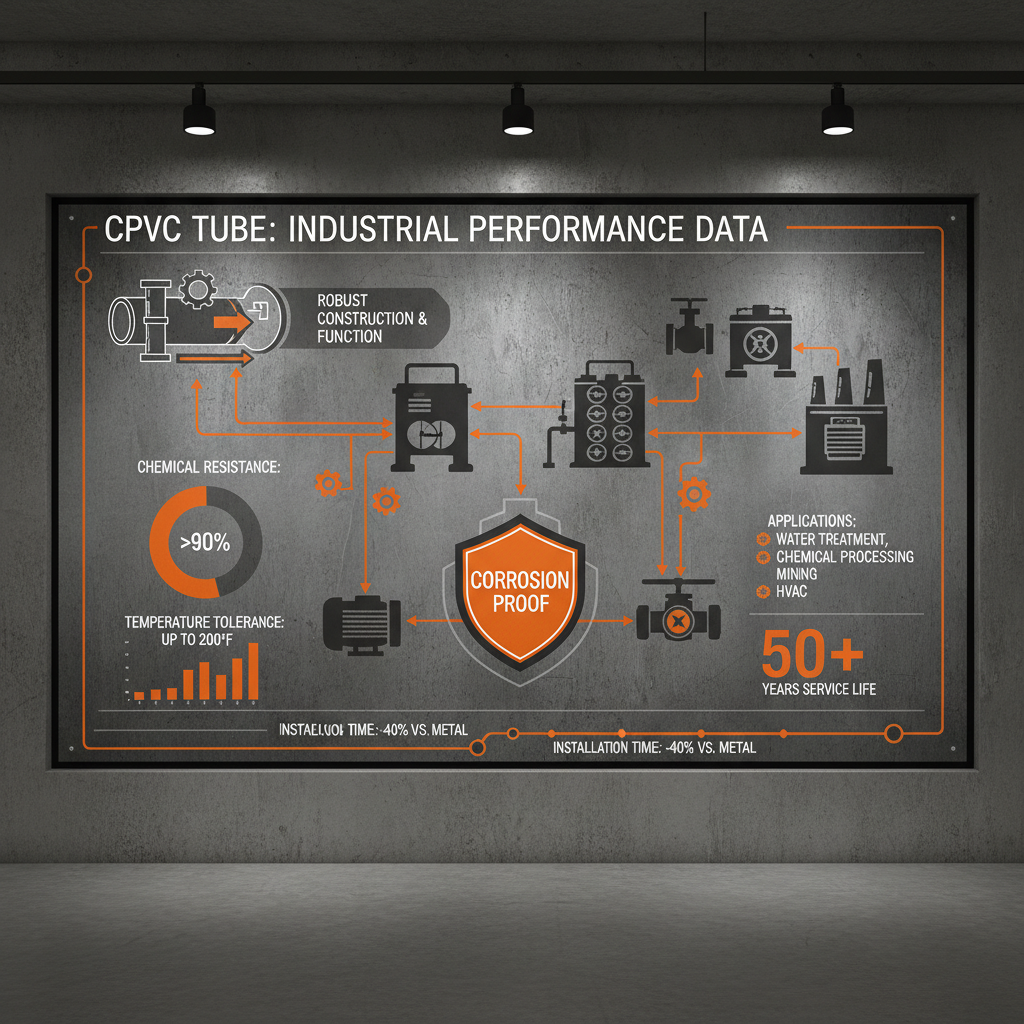
One of the defining properties of cpvc tube is its exceptional corrosion resistance. Unlike metal pipes, cpvc tube does not rust or corrode, even when exposed to harsh chemicals or saltwater environments. This inherent resistance translates to longer service life and reduced maintenance costs, making it an ideal choice for demanding applications.
Another crucial property is its high-temperature resistance. cpvc tube can safely handle fluids at temperatures up to 200°F (93°C), significantly exceeding the limitations of standard PVC. This capability is particularly valuable in industrial processes and hot water distribution systems where temperature control is critical.
Furthermore, cpvc tube exhibits excellent mechanical strength and impact resistance, ensuring its durability and reliability under various operating conditions. Its low thermal conductivity also contributes to energy efficiency by minimizing heat loss or gain in fluid transport systems.
Key Performance Indicators of cpvc Tube
Assessing the performance of cpvc tube requires evaluating key indicators such as pressure rating, tensile strength, and chemical resistance. Pressure rating defines the maximum internal pressure the tube can withstand without failure, a critical factor in high-pressure applications like industrial processes.
Tensile strength, measuring the tube’s resistance to breaking under tension, indicates its robustness and ability to handle mechanical stress. Chemical resistance, as previously mentioned, determines the tube’s compatibility with various fluids and its long-term durability in corrosive environments.
Comparison of cpvc Tube Performance Based on Method
Global Applications of cpvc Tube
cpvc tube finds extensive applications across numerous industries globally. In the chemical processing industry, it safely transports corrosive acids, bases, and solvents, minimizing the risk of leaks and environmental contamination. Water treatment facilities rely on cpvc tube for distributing treated water and handling wastewater, ensuring public health and environmental protection.
Industrial waste handling systems utilize cpvc tube to manage and transport hazardous waste materials, preventing pollution and ensuring compliance with environmental regulations. Furthermore, cpvc tube is widely used in hot and cold water distribution systems in residential, commercial, and industrial buildings, providing reliable and efficient water supply.
Advantages and Long-Term Value Proposition
The advantages of using cpvc tube extend beyond its technical properties. Its lower lifecycle cost compared to traditional materials is a significant benefit. Reduced maintenance, fewer repairs, and longer service life contribute to substantial savings over the system’s lifespan. This translates into improved profitability for businesses and lower operating costs for municipalities.
Moreover, cpvc tube aligns with sustainability goals. Its durability minimizes waste from replacements, and its resistance to corrosion reduces the risk of leaks and environmental damage. The ease of installation and lightweight nature also contribute to lower carbon emissions during construction and transportation.
From a reliability standpoint, cpvc tube offers peace of mind. Its robust construction and resistance to failure ensure consistent performance and minimize disruptions to critical processes. This builds trust among users and strengthens the long-term value proposition of cpvc tube.
Future Trends and Material Innovations
Ongoing research and development are focused on enhancing the properties of cpvc tube and expanding its applications. Nanomaterial reinforcement is being explored to further increase its strength and heat resistance, opening doors to even more demanding applications. Developments in smart piping systems, integrating sensors and data analytics, will allow for real-time monitoring of fluid flow and system performance.
The integration of cpvc tube with green energy technologies, such as geothermal systems and solar thermal applications, is also gaining momentum. Its ability to handle high temperatures and corrosive fluids makes it an ideal component in these systems. Furthermore, advancements in manufacturing processes are leading to more cost-effective and sustainable production methods.
Digital transformation is playing a role, with Building Information Modeling (BIM) increasingly utilizing cpvc tube data for accurate system design and optimization. This integrated approach ensures efficient project planning and reduces the risk of errors.
Analysis of Key Factors Influencing cpvc Tube Performance
| Operating Temperature (°C) |
Fluid Type & Corrosivity |
Pressure Rating (psi) |
Expected Service Life (Years) |
| 25 |
Potable Water – Low Corrosivity |
100 |
50 |
| 80 |
Industrial Wastewater – Moderate Corrosivity |
80 |
30 |
| 120 |
Hot Water – Low Corrosivity |
90 |
40 |
| 60 |
Chemical Processing – High Corrosivity |
60 |
20 |
| 40 |
Cooling Water – Low Corrosivity |
70 |
45 |
| 95 |
Steam Distribution – Moderate Corrosivity |
50 |
25 |
FAQS
cpvc tube offers several key advantages over metal pipes, including superior corrosion resistance, lighter weight for easier installation, lower thermal conductivity leading to energy savings, and reduced maintenance costs due to its non-rusting properties. It’s also generally more cost-effective for many applications, especially when considering lifecycle costs.
cpvc tube can safely handle fluids at temperatures ranging from freezing point up to approximately 200°F (93°C). This makes it suitable for both hot and cold water distribution, as well as many industrial processes requiring moderate temperature control. Exceeding these temperature limits can compromise the tube’s structural integrity.
Yes, cpvc tube is approved for use in potable water systems by major regulatory bodies like NSF International. It does not leach harmful chemicals into the water supply, ensuring safe and clean drinking water. However, it's essential to use cpvc tube specifically certified for potable water applications.
cpvc tube exhibits excellent resistance to a wide range of chemicals, including acids, bases, salts, and aliphatic hydrocarbons. However, it's not compatible with all chemicals. A chemical resistance chart should always be consulted to ensure compatibility before using cpvc tube in a specific application. Aromatic hydrocarbons, ketones, esters, and strong oxidizing agents are typically incompatible.
cpvc tube is typically joined using solvent cement welding, a process that creates a strong, permanent bond between the tube and fittings. Proper surface preparation, primer application, and cement application are crucial for a successful weld. Mechanical fittings, such as threaded connections, can also be used in certain applications.
cpvc tube contributes to environmental sustainability through its long service life, reducing the need for frequent replacements. Its corrosion resistance minimizes leaks and potential contamination. Furthermore, its energy efficiency and lightweight nature reduce carbon emissions during transportation and installation, making it a responsible choice for environmentally conscious projects.
Conclusion
In conclusion, cpvc tube stands out as a versatile and reliable piping solution for a wide range of applications. Its exceptional corrosion resistance, high-temperature capabilities, and cost-effectiveness make it a superior alternative to traditional materials in many industries. Understanding its properties and potential is vital for informed decision-making in infrastructure development and industrial processes.
Looking ahead, continued innovation in materials science and manufacturing techniques will further enhance the performance and sustainability of cpvc tube. By embracing these advancements and prioritizing responsible material selection, we can build more durable, efficient, and environmentally friendly infrastructure for the future. For comprehensive information and tailored solutions, visit our website: www.lidaplastic.com