Look, I've spent the last fifteen years on construction sites, knee-deep in dust and dealing with every material imaginable. And let me tell you, when it comes to reliable, durable sheeting, hdpe black sheet consistently rises to the top. It's not glamorous stuff, but it’s the workhorse of countless projects – from temporary enclosures and vapor barriers to erosion control and even pond liners. You need something that can withstand the elements, hold up to abuse, and just… work. That’s where this stuff shines. It's a simple product, but it solves a lot of real-world problems.
We’re constantly battling timelines and budgets, and often, we're looking for solutions that offer a strong return on investment. That’s the key – you can’t afford materials that fail prematurely or require constant maintenance. hdpe black sheet isn't the cheapest option upfront, but its longevity and low maintenance costs make it incredibly cost-effective over the long haul. I’ve seen projects saved because of a good quality sheeting material like this one, and I've seen budgets blown because of cheap alternatives.
Honestly, the real beauty of hdpe black sheet is its versatility. It's not just one thing; it’s adaptable. You can cut it, weld it, shape it…it fits a massive range of applications. And knowing you’ve got a material that can handle whatever you throw at it – rain, sun, abrasion – takes a load off your mind when you’re trying to keep a project on schedule.
The Importance of hdpe black sheet in Modern Construction
hdpe black sheet is absolutely critical in modern construction, and it’s not just about keeping the rain out. It’s about protecting the integrity of the entire project. We’re seeing more stringent building codes, increasing environmental regulations, and a demand for longer-lasting structures. This sheeting material helps meet all those demands. It provides a crucial barrier against moisture, contaminants, and even UV degradation, preventing costly repairs down the line.
Globally, construction is a multi-trillion dollar industry, and the demand for durable, reliable materials is only going to increase. According to the UN, urbanization is accelerating, which means more construction projects, particularly in developing nations. That means a greater need for cost-effective solutions that can withstand harsh conditions. hdpe black sheet fits that bill perfectly. It's a material that’s proven itself on job sites all over the world.
Understanding the Properties of hdpe black sheet
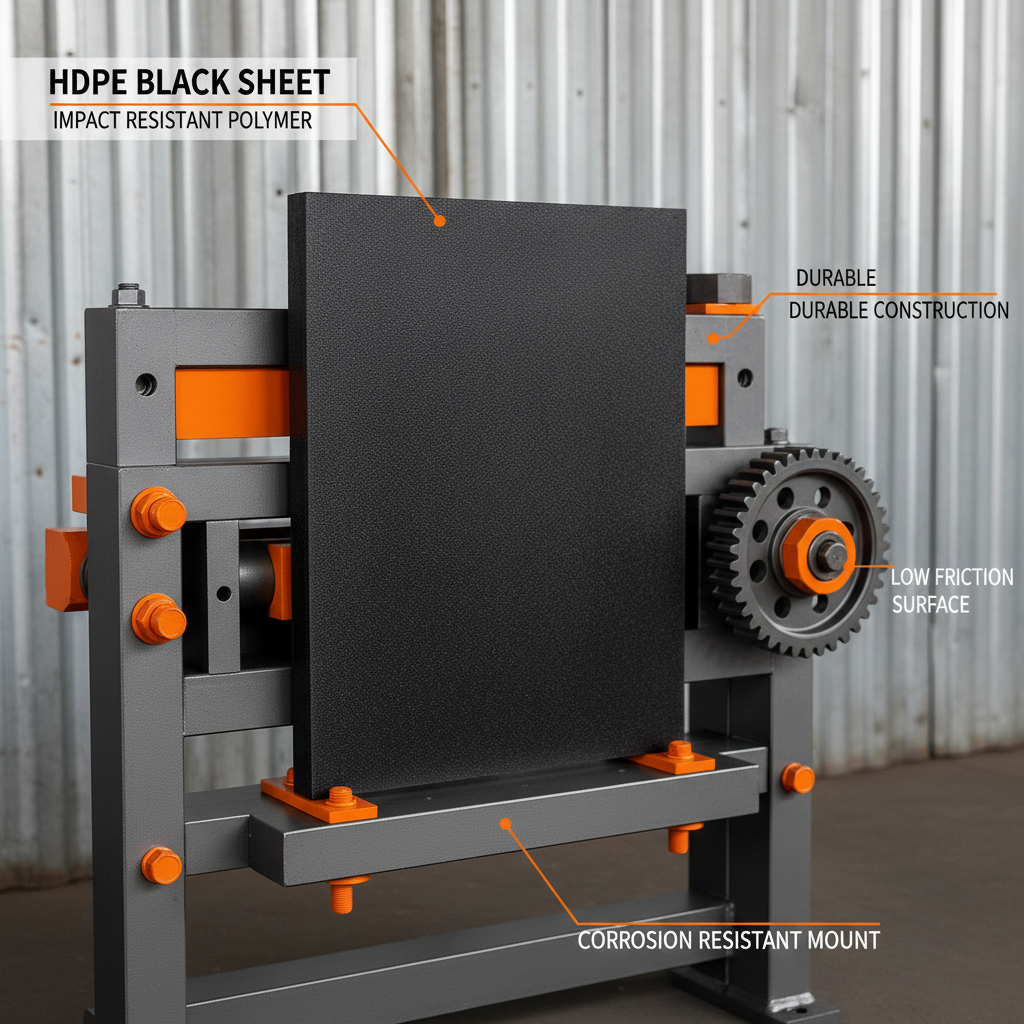
Okay, let’s get down to the nitty-gritty. hdpe black sheet, or High-Density Polyethylene black sheet, is a thermoplastic polymer known for its high strength-to-density ratio. What does that mean in practical terms? It’s incredibly tough, lightweight, and resistant to a whole host of things – chemicals, moisture, impact, and temperature fluctuations. The “black” part comes from the addition of carbon black, which actually enhances the UV resistance, making it ideal for outdoor applications.
It's fundamentally different from, say, a standard plastic tarp. That tarp might be cheaper initially, but it'll degrade quickly in the sun and won't hold up to the kind of stress this material can. We're talking about a material that's chemically inert, meaning it won't react with the substances it’s protecting, which is vital in applications like containment or waste management.
This isn't some newfangled invention either. HDPE has been around for decades and it's a well-understood material, which means there's a lot of data on its performance and a robust supply chain. It’s a reliable choice, and in this business, reliability is everything.
Key Attributes: Why It Stands Out
Durability is the big one, hands down. I’ve seen this stuff hold up to years of constant exposure without showing significant wear and tear. Scalability is another huge benefit. You can get it in massive rolls, making it easy to cover large areas without a ton of seams. That means fewer potential failure points.
Cost-efficiency is often overlooked, but it’s crucial. While the initial investment might be a little higher than some alternatives, the reduced maintenance, longer lifespan, and lower risk of failure translate into significant savings over the project’s lifecycle. Plus, it's relatively easy to work with – cutting, welding, and installing it doesn’t require specialized tools or highly skilled labor.
Finally, it’s surprisingly lightweight for its strength. That makes handling and installation much easier, reducing labor costs and improving safety on the job site. It's a material that’s designed with the practicalities of construction in mind.
Real-World Applications Across Industries
This isn't just a construction material; you see it everywhere. In agriculture, it's used for pond liners, irrigation canals, and greenhouse coverings. In landfill management, it acts as a crucial barrier to prevent groundwater contamination. We use it extensively in erosion control projects, particularly on slopes and embankments.
I was on a job in the Gulf Coast a few years back where we used hdpe black sheet to create a temporary containment barrier around a hurricane-damaged oil refinery. It held up brilliantly against the saltwater and debris. In remote industrial zones, it’s used for secondary containment around fuel tanks and chemical storage facilities. It’s a versatile solution for protecting the environment and preventing costly spills.
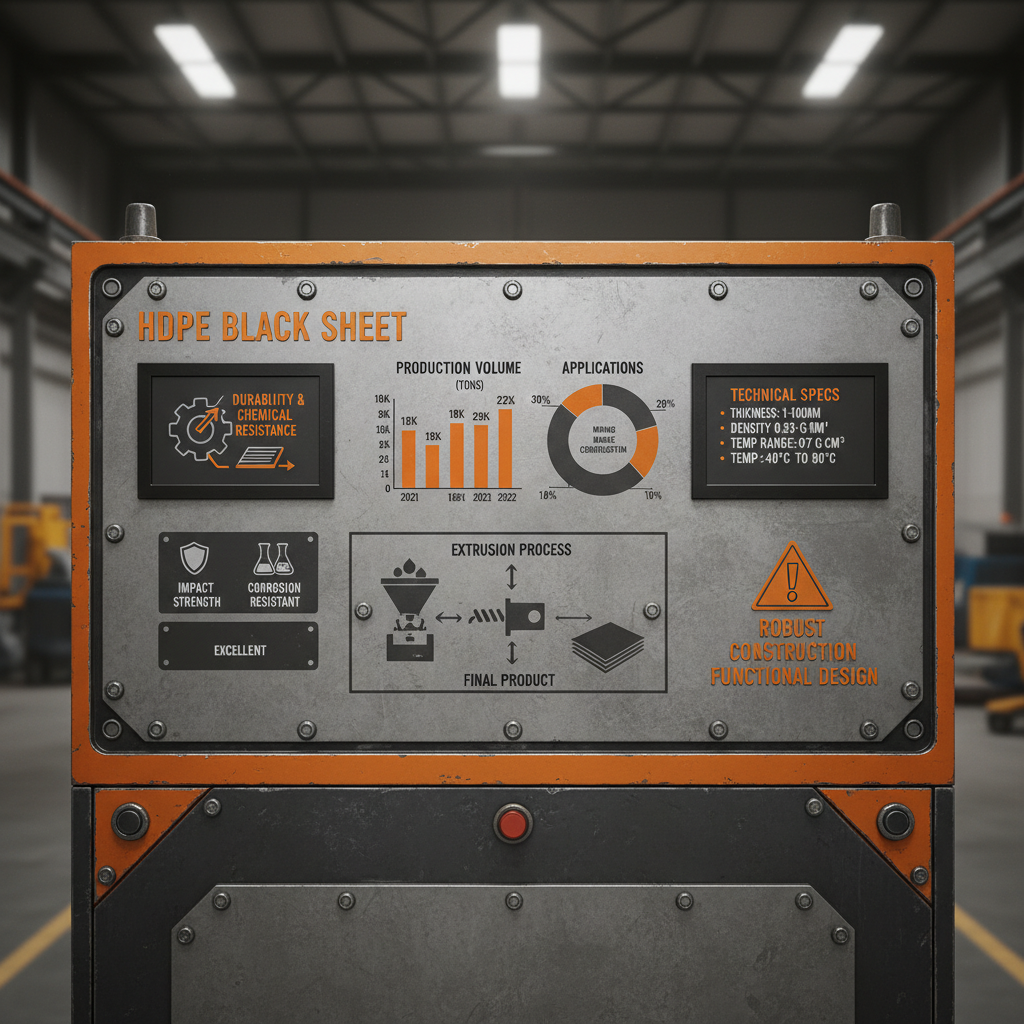
hdpe black sheet Application Breakdown
Long-Term Value and Return on Investment
Let’s talk about the bottom line. hdpe black sheet offers a significant long-term return on investment. Its durability minimizes the need for replacements, reducing lifecycle costs. Its resistance to chemicals and UV degradation prevents premature failure, safeguarding your investment. That peace of mind is worth something, especially on a large project.
Beyond the cost savings, there’s the sustainability aspect. HDPE is recyclable, and using a durable material like this reduces waste over time. It also contributes to safer working conditions – a stable, reliable barrier is always preferable to something that could tear or fail unexpectedly.
Future Trends and Innovations in hdpe black sheet
We're starting to see some interesting innovations in this space. Manufacturers are exploring additives that further enhance UV resistance and improve weldability. There’s also research into incorporating recycled HDPE into new sheets, reducing the environmental footprint.
Digital integration is another trend. Some companies are developing smart sheeting materials with embedded sensors that can monitor things like stress levels and temperature, providing real-time data on the material’s condition. That kind of information could be invaluable for proactive maintenance and preventing failures.
The push for more sustainable construction practices is driving demand for materials like hdpe black sheet that are durable, recyclable, and have a low environmental impact.
Addressing Challenges and Finding Solutions
Now, it’s not a perfect material. One challenge is welding. Getting a strong, reliable weld requires skill and the right equipment. Improper welding can create weak points that compromise the entire barrier. That’s why proper training and quality control are essential.
Another concern is puncture resistance. While it’s tough, it can be damaged by sharp objects. In applications where puncture resistance is critical, we often use a thicker gauge sheet or combine it with a protective layer.
Finally, sourcing high-quality hdpe black sheet from reputable suppliers is crucial. You want to ensure you're getting a product that meets industry standards and has been thoroughly tested. Cut corners here, and you’ll regret it.
Summary of Common Challenges & Solutions for hdpe black sheet
| Challenge |
Impact Level (1-5) |
Potential Solution |
Implementation Cost (1-5) |
| Poor Welding Quality |
4 |
Enhanced Welder Training & Certification |
3 |
| Limited Puncture Resistance |
3 |
Use Thicker Gauge Sheet or Protective Layer |
2 |
| UV Degradation (Long Term) |
2 |
Select Sheet with High Carbon Black Content |
1 |
| Difficult Handling Large Rolls |
2 |
Invest in Roll Handling Equipment |
4 |
| Sourcing Low-Quality Materials |
5 |
Partner with Reputable Suppliers & Perform QA |
2 |
| Installation in Extreme Temperatures |
3 |
Adjust Installation Techniques & Timing |
1 |
FAQS
The lifespan of hdpe black sheet outdoors can vary depending on factors like UV exposure, temperature fluctuations, and physical stress. However, a quality sheet typically lasts 5-10 years, often longer with proper installation and maintenance. The carbon black additive provides significant UV protection, extending its useful life considerably. Regular inspections can help identify and address potential issues before they become major problems.
Yes, hdpe black sheet is an excellent choice for containing many hazardous materials. It's chemically inert, meaning it won’t react with most substances, and it provides an effective barrier against leaks and spills. However, it’s crucial to select the appropriate sheet thickness and ensure proper welding to prevent permeation or failure. Always check compatibility with the specific chemical being contained.
Repairs can be made to damaged hdpe black sheet using welding techniques. Small tears and punctures can often be patched effectively. However, larger areas of damage may require a full replacement. It's essential to use compatible welding rods and follow proper procedures to ensure a strong, watertight seal. Professional assistance is recommended for complex repairs.
The recommended overlap for seams depends on the application and the sheet thickness. A typical overlap is 6-12 inches, and the seams should be thoroughly welded to create a continuous, watertight barrier. Proper welding is critical for maintaining the integrity of the entire system. Always refer to the manufacturer’s specifications for specific guidance.
Yes, hdpe black sheet is recyclable! While not all recycling facilities accept it, it can often be processed and repurposed into new products. This makes it a more sustainable option compared to some other materials. Check with your local recycling center to see if they accept HDPE plastic sheeting.
Store hdpe black sheet in a dry, shaded area away from direct sunlight and extreme temperatures. Avoid stacking it directly on the ground, and protect it from sharp objects that could cause damage. Proper storage helps prevent degradation and ensures the material is in optimal condition for installation.
Conclusion
hdpe black sheet is a remarkably versatile and reliable material that plays a crucial role in countless industries. Its combination of durability, cost-effectiveness, and ease of use makes it a go-to solution for a wide range of applications, from construction and agriculture to waste management and environmental protection. It's not always the flashiest material, but it gets the job done, and it gets it done well.
Looking ahead, the demand for sustainable and long-lasting materials will only continue to grow. Innovations in HDPE manufacturing and installation techniques will further enhance its performance and expand its applications. If you’re looking for a material that delivers consistent results, stands up to the elements, and provides a solid return on investment, hdpe black sheet is definitely worth considering.