HDPE cutting boards are becoming increasingly vital across numerous industries, offering a durable, hygienic, and cost-effective alternative to traditional materials like wood or metal. Their resistance to moisture, chemicals, and bacteria makes them ideal for food processing, laboratories, and even industrial settings. Understanding the specific properties and applications of these boards is crucial for businesses seeking to optimize their operational efficiency and maintain high standards of safety and hygiene. hdpe cutting board solutions are leading the way in this evolution.
The global demand for high-performance plastics, including HDPE, is steadily increasing, driven by factors like population growth, urbanization, and stringent food safety regulations. The versatility of HDPE cutting boards allows for customization in size, thickness, and color, catering to a wide range of specific needs. This increasing demand underscores the importance of reliable manufacturers and suppliers capable of delivering consistent quality and meeting diverse customer requirements.
Investing in high-quality hdpe cutting board solutions translates directly into reduced maintenance costs, improved sanitation practices, and a longer service life compared to conventional cutting surfaces. This makes them a sustainable and economically sound choice for businesses committed to both profitability and responsible environmental stewardship.
Understanding the Fundamentals of hdpe cutting board
HDPE cutting boards are manufactured from High-Density Polyethylene, a thermoplastic polymer known for its exceptional strength-to-density ratio. This material is chemically inert, meaning it won't react with most common substances, making it an ideal surface for food preparation and other sensitive applications. The inherent properties of HDPE contribute significantly to the longevity and hygienic performance of these boards. hdpe cutting boards are engineered for demanding environments.
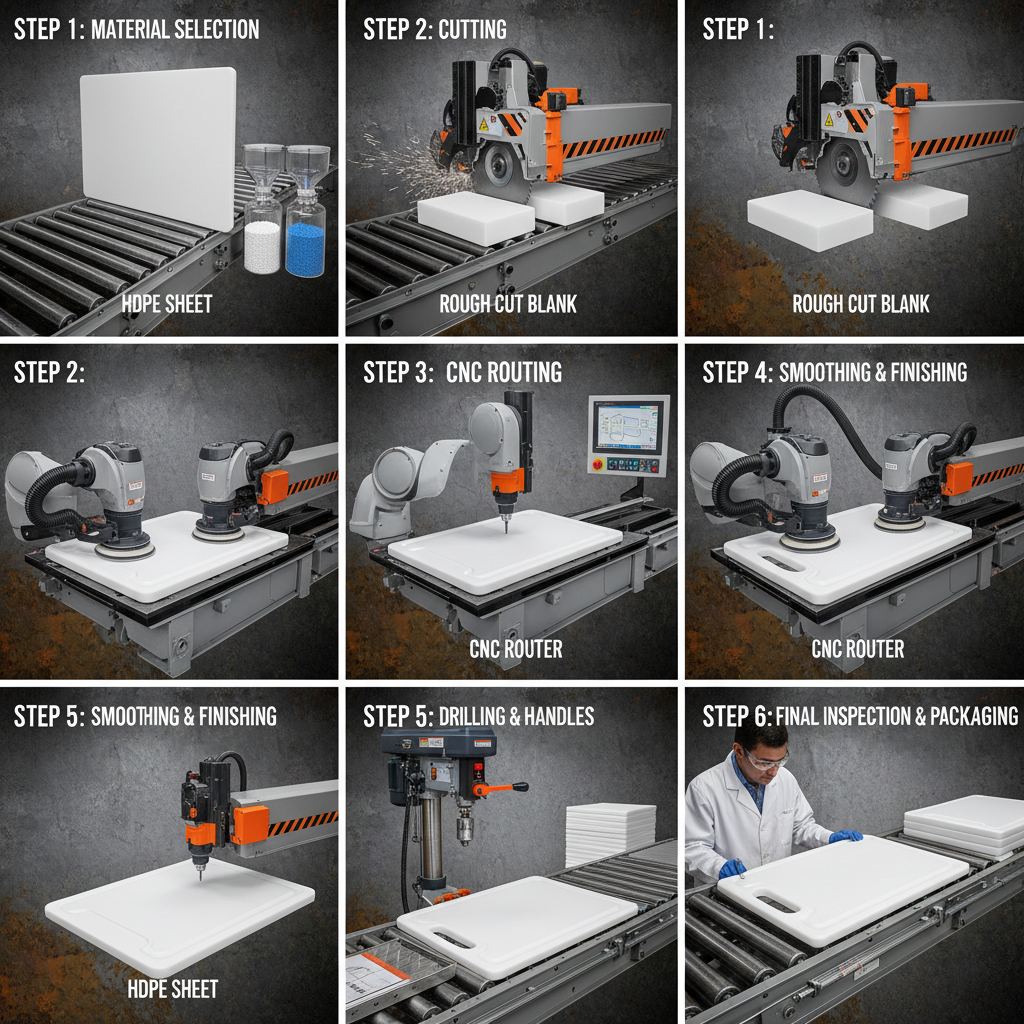
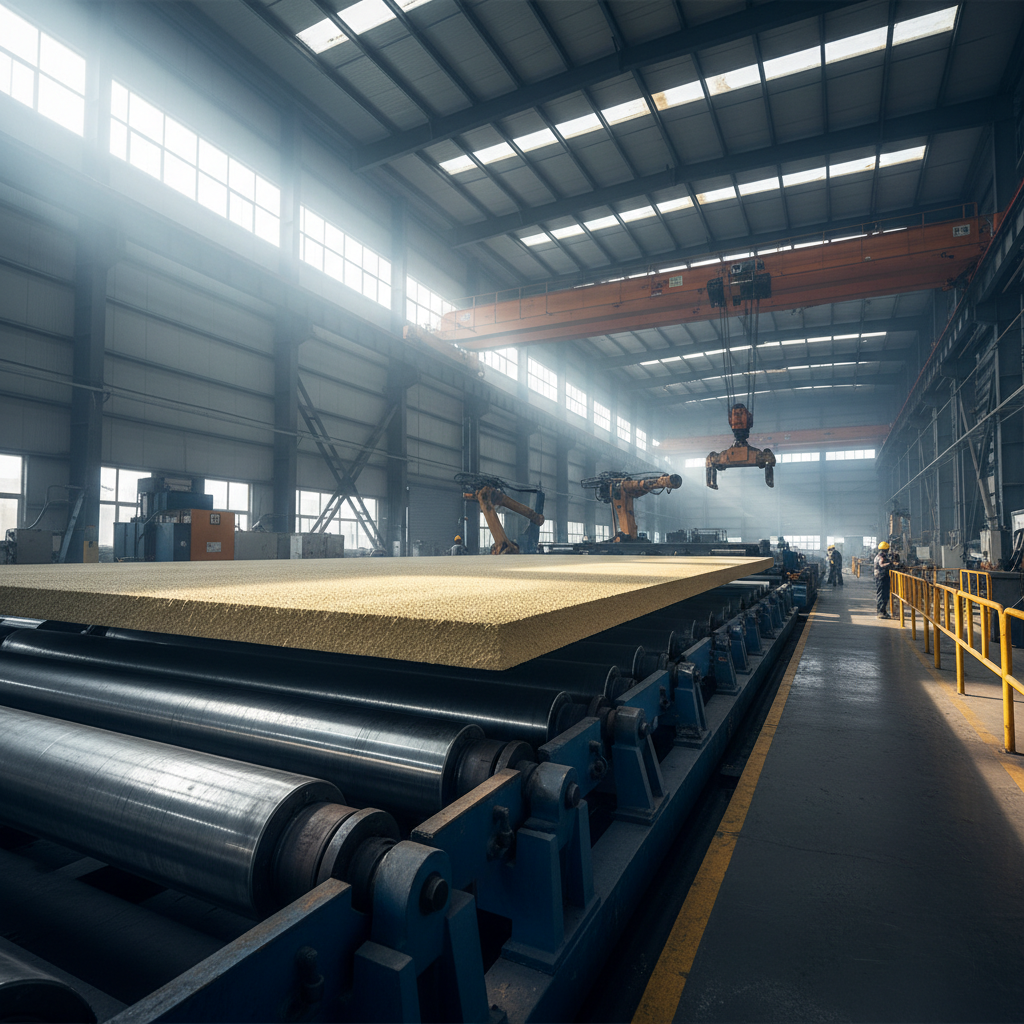
The production process involves carefully molding the HDPE resin into sheets of varying thicknesses, ensuring a smooth, non-porous surface that resists bacterial growth and prevents cross-contamination. Different grades of HDPE are used depending on the intended application, allowing manufacturers to tailor the board's properties to meet specific industry requirements.
Defining HDPE Cutting Boards & Their Role in Modern Industry
An HDPE cutting board is a durable surface designed for chopping, slicing, and preparing materials, commonly used in food processing, culinary arts, laboratories, and industrial settings. Unlike traditional wood or glass cutting boards, HDPE offers a non-porous surface that inhibits bacterial growth and is resistant to staining and odors. This inherent hygienic quality has made them a staple in professional kitchens and food manufacturing facilities worldwide.
In modern industry, HDPE cutting boards play a critical role in maintaining sanitation standards and ensuring product safety. Their resistance to harsh chemicals and extreme temperatures makes them suitable for a wider range of applications than their traditional counterparts. From pharmaceutical research to plastic fabrication, these boards contribute to the efficiency and reliability of various industrial processes.
The rise of stringent food safety regulations, such as those mandated by the FDA and HACCP, has further propelled the adoption of HDPE cutting boards. Their ease of cleaning and sanitization, coupled with their long lifespan, makes them a cost-effective and responsible choice for businesses committed to maintaining the highest standards of hygiene.
Key Attributes Contributing to HDPE Cutting Board Superiority
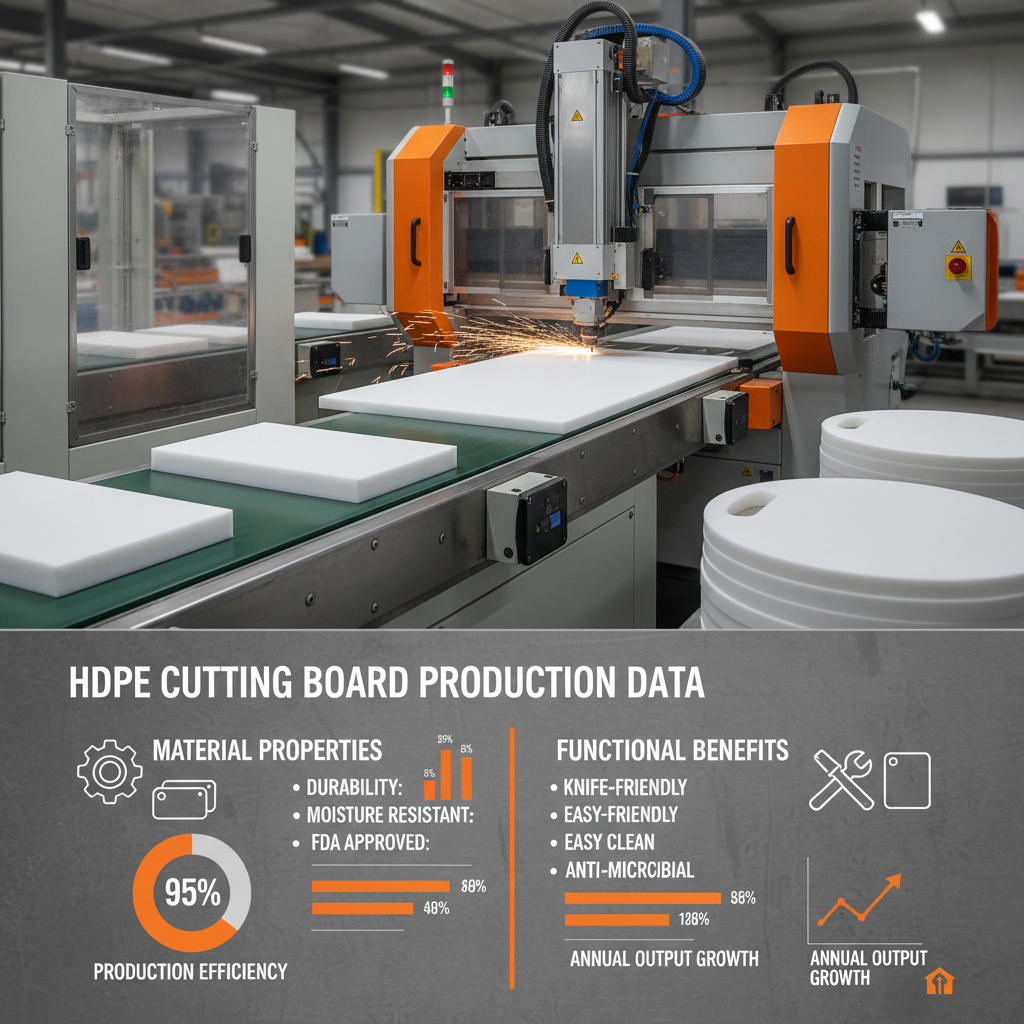
One of the most significant advantages of HDPE cutting boards is their exceptional durability. HDPE is a highly resilient material that can withstand repeated impact and wear without cracking or splintering. This longevity translates to reduced replacement costs and minimal downtime, making them a financially prudent investment for businesses. Choosing the right hdpe cutting board is critical for sustained performance.
Their non-porous surface is another key attribute. Unlike wood, which can harbor bacteria in its microscopic pores, HDPE provides a hygienic surface that is easy to clean and sanitize. This minimizes the risk of cross-contamination and helps to prevent the spread of foodborne illnesses. Proper cleaning protocols further enhance the sanitary benefits.
Furthermore, HDPE cutting boards are remarkably versatile. They can be easily machined to custom sizes and shapes, and are available in a variety of colors, allowing for color-coding systems to prevent cross-contamination between different food groups or materials. This flexibility makes them adaptable to a wide range of applications and workflows.
Global Applications & The Versatility of HDPE Cutting Boards
HDPE cutting boards are indispensable in the food processing industry, serving as critical surfaces for preparing meat, poultry, seafood, vegetables, and fruits. Their hygienic properties are particularly crucial in maintaining food safety standards. They are also widely used in commercial kitchens, restaurants, and catering services.
Beyond the food industry, HDPE cutting boards find extensive application in laboratory settings, where they provide a chemically resistant surface for handling reagents and specimens. In pharmaceutical manufacturing, they contribute to maintaining sterile environments and preventing contamination. Furthermore, the automotive and aerospace industries leverage their durability for various fabrication processes.
Market Share of HDPE Cutting Board Applications
The Long-Term Advantages & Value Proposition of HDPE Cutting Boards
The primary long-term advantage of HDPE cutting boards lies in their exceptional cost-effectiveness. While the initial investment may be slightly higher than traditional materials, their durability and longevity significantly reduce replacement costs over time. This makes them a financially sound choice for businesses seeking to minimize operational expenses.
From a sustainability perspective, HDPE cutting boards offer a more responsible alternative to wood. The production of wood cutting boards can contribute to deforestation, while HDPE is a recyclable material. Choosing HDPE supports environmentally conscious practices and reduces the overall carbon footprint.
Emerging Trends & Innovations in HDPE Cutting Board Technology
One emerging trend is the development of HDPE cutting boards with enhanced antimicrobial properties. Manufacturers are incorporating silver ions or other antimicrobial agents into the HDPE resin to further inhibit bacterial growth, providing an extra layer of hygiene and safety.
Another innovation is the creation of self-healing HDPE cutting boards. These boards contain microcapsules filled with a polymerizing agent that automatically repairs minor cuts and scratches, extending the board's lifespan and maintaining its smooth surface.
Furthermore, advancements in manufacturing techniques are leading to the production of thinner, lighter, and more flexible HDPE cutting boards, offering greater convenience and ease of handling without compromising durability.
Addressing Challenges & Maximizing the Potential of HDPE Cutting Boards
A common challenge associated with HDPE cutting boards is the potential for deep knife marks that can be difficult to remove. While self-healing technology is addressing this issue, proper knife handling techniques and regular maintenance are still essential.
Another consideration is the potential for staining from certain foods, such as beets or turmeric. However, this can be mitigated by promptly cleaning the board with appropriate cleaning agents and avoiding abrasive cleaners.
To maximize the potential of hdpe cutting boards, it's crucial to select a board that is specifically designed for the intended application. Different grades of HDPE offer varying levels of stiffness, chemical resistance, and temperature tolerance.
Summary of Factors Affecting HDPE Cutting Board Performance
| Application Type |
HDPE Grade Required |
Cleaning Frequency |
Expected Lifespan (Years) |
| Food Preparation (Meat) |
Food-Grade HDPE |
After Each Use |
5-7 |
| Laboratory Research |
Chemical Resistant HDPE |
Daily |
3-5 |
| Pharmaceutical Manufacturing |
Sterile-Grade HDPE |
After Each Batch |
2-4 |
| Industrial Fabrication |
High-Impact HDPE |
Weekly |
7-10 |
| Culinary (Vegetables) |
Food-Grade HDPE |
After Each Use |
6-8 |
| Medical/Dental Labs |
Sterile-Grade HDPE |
After Each Patient |
3-6 |
FAQS
HDPE cutting boards offer significant advantages over wood, primarily due to their non-porous surface. This prevents bacterial growth, making them far more hygienic and easier to sanitize. They are also more durable, resisting cracking, warping, and splintering. Furthermore, HDPE is less likely to dull knives compared to wood.
To properly clean and sanitize an HDPE cutting board, start by washing it with warm, soapy water. Rinse thoroughly and then disinfect with a diluted bleach solution (1 tablespoon of bleach per gallon of water) or a commercial food-safe sanitizer. Allow the sanitizer to sit for the recommended time before rinsing again and air drying.
While some HDPE cutting boards are dishwasher safe, it’s generally not recommended. The high temperatures of a dishwasher can potentially warp or damage the board over time. Handwashing is the preferred method to maintain the board’s integrity and prolong its lifespan.
Yes, HDPE cutting boards made from food-grade HDPE resin are considered food safe by the FDA. Food-grade HDPE is non-toxic and does not leach harmful chemicals into food. However, it is crucial to ensure the board is certified as food-grade before using it for food preparation.
To minimize knife marks, use a sharp knife and avoid cutting directly down with excessive force. Employ a rocking motion when chopping. Consider using separate boards for different types of food to avoid cross-contamination and reduce the risk of deep cuts. Regular maintenance and self-healing boards can also help.
A well-maintained HDPE cutting board can last for several years, typically between 5 and 10 years, depending on usage and care. Regular cleaning, proper storage, and avoiding excessive force when cutting will significantly extend its lifespan. Replacing the board when it becomes deeply scored or damaged is recommended for hygiene purposes.
Conclusion
In conclusion, HDPE cutting boards represent a significant advancement in hygiene, durability, and cost-effectiveness across a wide range of industries. Their non-porous surface, chemical resistance, and long lifespan make them an ideal alternative to traditional materials, offering a sustainable and responsible solution for food preparation, laboratory work, and industrial applications. The continued development of innovative technologies, such as self-healing properties and enhanced antimicrobial features, further solidifies their position as the cutting board of choice for professionals and consumers alike.
Looking ahead, the demand for high-quality HDPE cutting boards is poised to grow as businesses increasingly prioritize food safety, operational efficiency, and environmental sustainability. Investing in these versatile and reliable boards is not merely a practical decision, but a commitment to maintaining the highest standards of quality and protecting both public health and the environment. Visit our website at https://www.lidaplastic.com to explore our comprehensive range of HDPE cutting board solutions.