Polypropylene panel solutions are rapidly gaining prominence across a diverse range of industries, from construction and automotive to packaging and healthcare. This increased adoption stems from their unique combination of properties – lightweight nature, high strength-to-weight ratio, excellent chemical resistance, and cost-effectiveness. Understanding the nuances of polypropylene panel, its manufacturing processes, and application potential is crucial for engineers, architects, and business leaders seeking innovative and sustainable material solutions.
Globally, the demand for durable, affordable, and adaptable building materials is skyrocketing, driven by factors like population growth, urbanization, and the increasing need for disaster relief housing. Polypropylene panel addresses these challenges head-on by providing a versatile material that can be quickly deployed, easily customized, and efficiently transported. Innovations in polypropylene formulations are continuously expanding its applicability, offering increasingly specialized solutions.
The escalating costs of traditional building materials, coupled with growing environmental concerns, are pushing industries to explore alternatives. Polypropylene panel presents itself as a viable and responsible choice, often incorporating recycled content and boasting a lower carbon footprint compared to conventional materials like concrete or steel. Its inherent moldability allows for complex designs and efficient manufacturing processes.
Introduction to Polypropylene Panel
Polypropylene panel have revolutionized numerous sectors due to their unique blend of performance characteristics and versatility. They offer a compelling alternative to traditional materials in applications ranging from structural components to protective cladding. The inherent properties of polypropylene, combined with innovative manufacturing techniques, allow for the creation of lightweight, durable, and cost-effective panel solutions.
The widespread adoption of polypropylene panel is fueled by the demand for sustainable materials and efficient construction methods. As environmental awareness grows, industries are actively seeking materials that reduce waste, minimize carbon footprint, and offer recyclability. Polypropylene panel align perfectly with these objectives, contributing to a more environmentally responsible approach to design and manufacturing.
Defining Polypropylene Panel
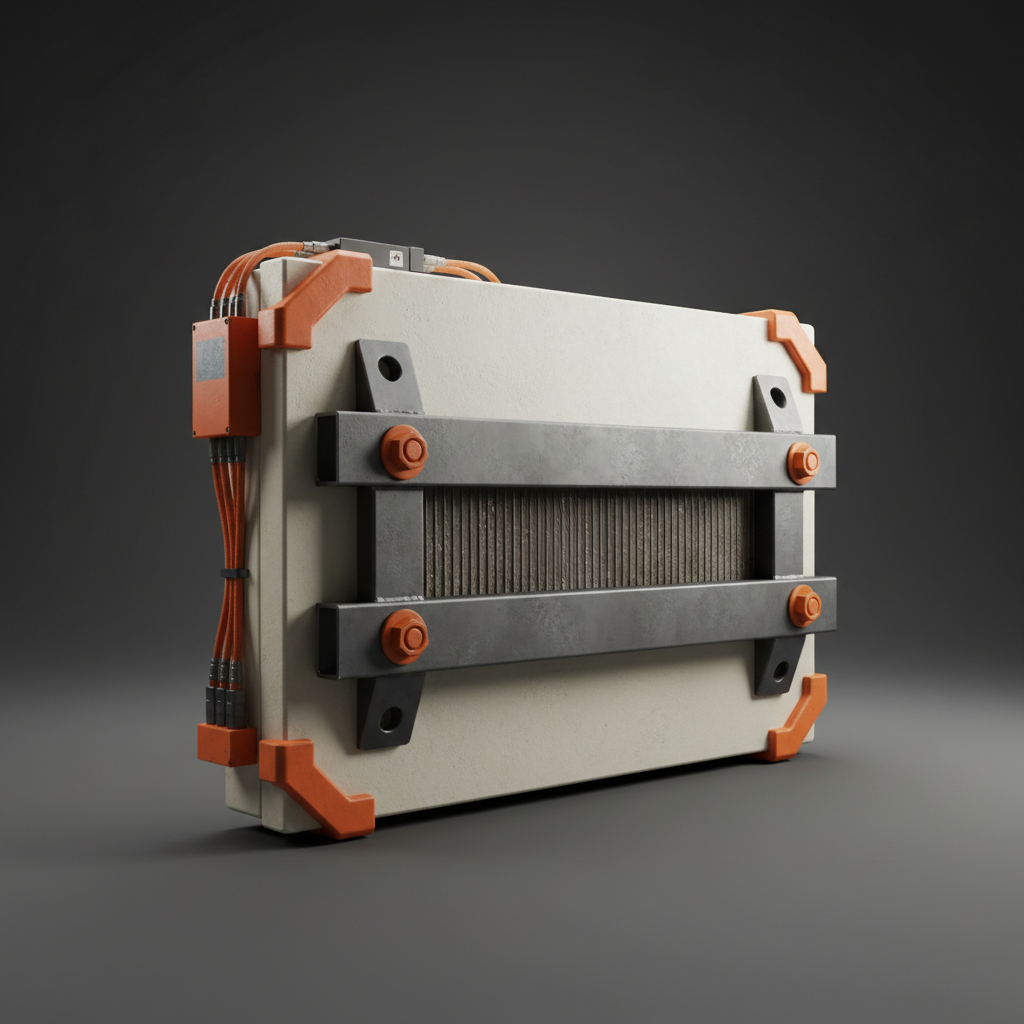
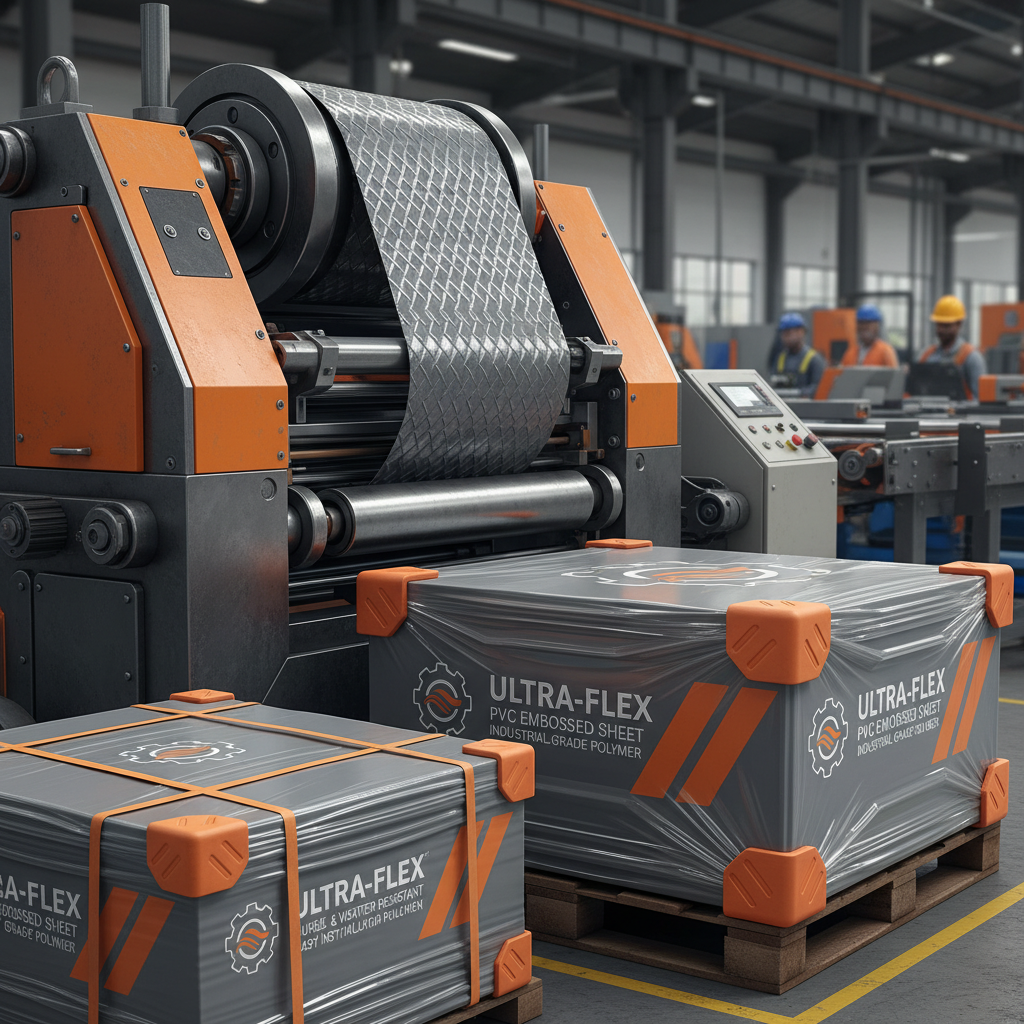
A polypropylene panel is a composite material constructed using polypropylene as the primary constituent, typically reinforced with other materials like fiberglass or mineral fillers. These panels are formed through processes such as extrusion, injection molding, or thermoforming, resulting in a lightweight yet remarkably strong building element. The composition and manufacturing method significantly influence the panel's specific properties and suitability for different applications.
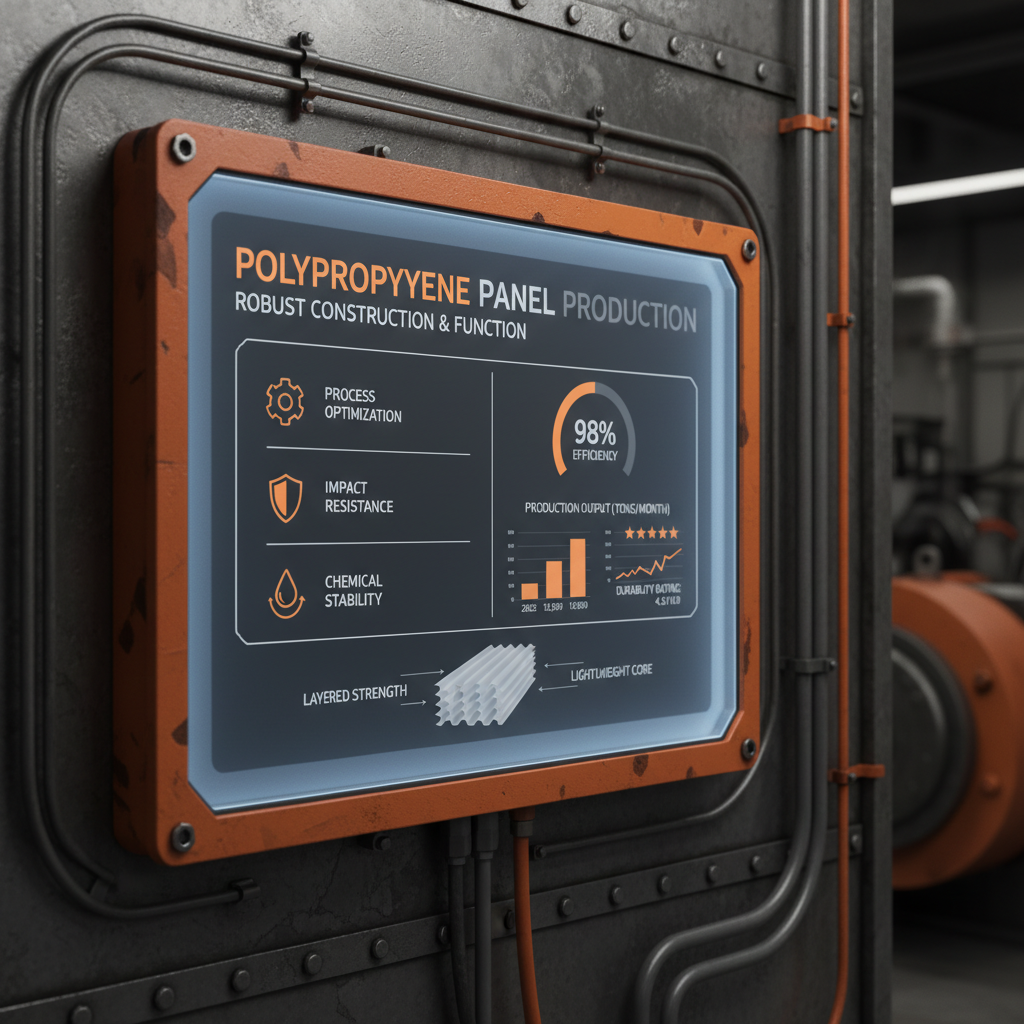
Unlike traditional building materials, polypropylene panel are inherently resistant to moisture, corrosion, and many chemicals, making them ideal for challenging environments. This resistance extends the lifespan of structures and reduces maintenance costs. The versatility of polypropylene allows for the creation of panels with varying thicknesses, densities, and surface textures.
Polypropylene panel bridge the gap between the need for robust construction materials and the growing demand for sustainable practices. They offer a solution that is both economically viable and environmentally conscious, making them a key component in modern building and industrial applications. Consider the advantages offered by a polypropylene panel for your next project.
Key Characteristics of Polypropylene Panel
Durability stands as a cornerstone characteristic of polypropylene panel. The inherent properties of polypropylene, combined with reinforcing agents, result in a material capable of withstanding significant impact, abrasion, and stress. This makes them suitable for both interior and exterior applications, ensuring longevity and reducing the need for frequent replacements.
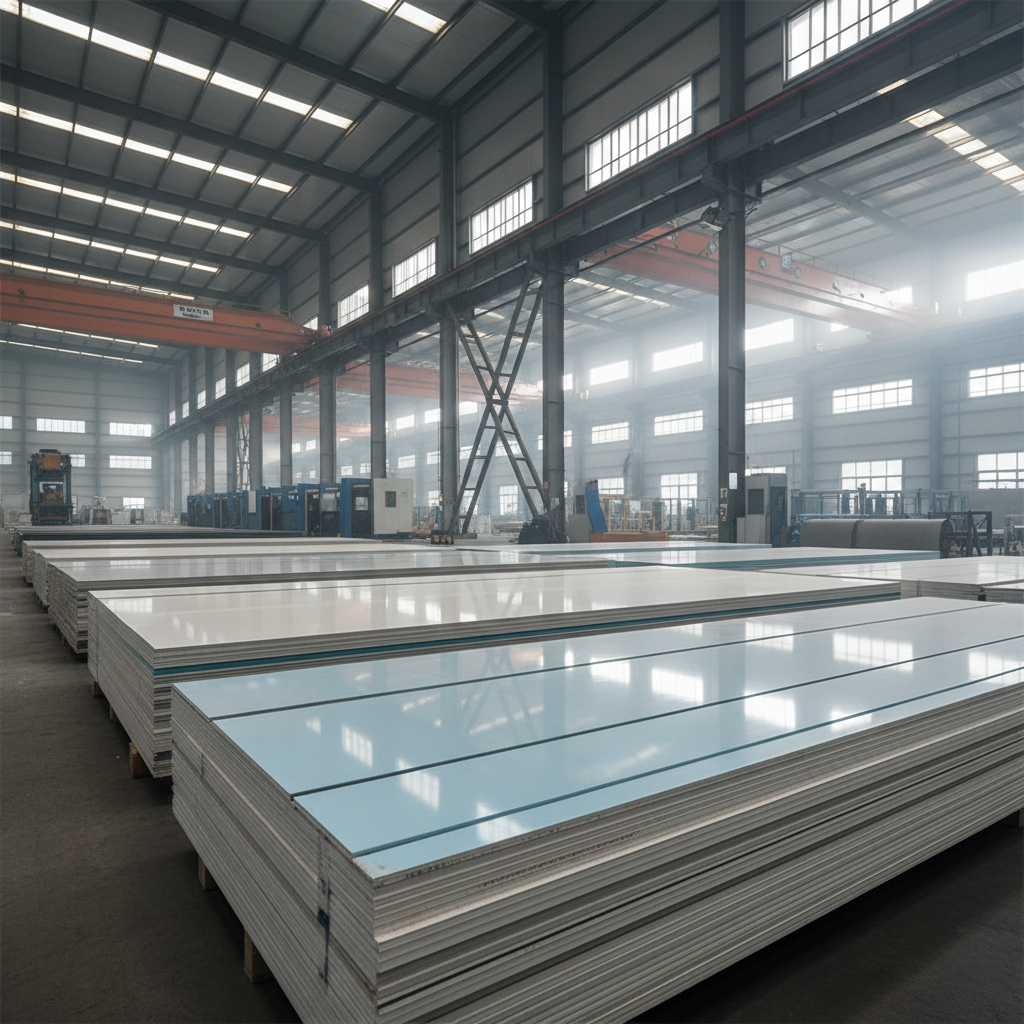
Lightweight nature is another defining trait. Compared to materials like concrete, steel, or aluminum, polypropylene panel offer a significant weight reduction, simplifying installation, reducing transportation costs, and minimizing structural load requirements. This is particularly advantageous in projects where weight is a critical factor, such as mobile structures or prefabricated buildings.
Cost-effectiveness represents a major benefit of utilizing polypropylene panel. The relatively low cost of polypropylene resin, combined with efficient manufacturing processes, results in a material that is competitive with traditional alternatives, without sacrificing performance. This affordability makes polypropylene panel accessible to a wider range of projects and budgets.
Applications Across Industries
The construction industry is witnessing a surge in the use of polypropylene panel for cladding, roofing, interior walls, and modular building components. Their lightweight nature, ease of installation, and weather resistance make them an ideal solution for both residential and commercial projects. From temporary shelters to permanent structures, polypropylene panel offer a versatile building material.
In the automotive sector, polypropylene panel are employed for interior trim, door panels, and body components. Their impact resistance, lightweight properties, and ability to be molded into complex shapes contribute to vehicle safety, fuel efficiency, and design flexibility. The growing demand for lighter vehicles is driving increased adoption of polypropylene panel.
Polypropylene Panel Application Breakdown
Advantages and Long-Term Value
The initial cost savings associated with polypropylene panel are significant, but the long-term benefits extend far beyond price. Reduced maintenance requirements, stemming from their resistance to corrosion and decay, translate into substantial savings over the lifespan of a structure. This lowers the total cost of ownership.
Sustainability is a key advantage. Many polypropylene panel manufacturers incorporate recycled content, contributing to a circular economy and reducing landfill waste. Furthermore, the lightweight nature of the panels minimizes transportation emissions, and their durability reduces the need for frequent replacements.
Future Trends in Polypropylene Panel Technology
Ongoing research focuses on enhancing the mechanical properties of polypropylene panel through the incorporation of advanced nanomaterials and reinforcing fibers. These advancements aim to create panels with even greater strength, stiffness, and impact resistance, expanding their application possibilities. The development of bio-based polypropylene resins is also gaining traction, offering a more sustainable alternative to traditional fossil fuel-derived materials.
Digital fabrication techniques, such as 3D printing, are being explored to create custom polypropylene panel with intricate geometries and tailored properties. This technology enables on-demand manufacturing, reducing waste and optimizing material usage. Integration with Building Information Modeling (BIM) software further streamlines the design and construction process.
Smart polypropylene panel, incorporating sensors and embedded technologies, are emerging as a potential future trend. These panels could monitor structural health, detect environmental changes, and provide real-time data for optimized building management. This integration of technology will unlock new levels of functionality and efficiency.
Challenges and Mitigation Strategies
One challenge associated with polypropylene panel is their susceptibility to UV degradation over prolonged exposure to sunlight. However, this can be effectively mitigated through the incorporation of UV stabilizers into the polypropylene formulation or by applying protective coatings. Regular inspections and maintenance can further ensure long-term performance.
Another potential concern is the flammability of polypropylene. Fire retardant additives can be incorporated during manufacturing to enhance fire resistance and meet safety standards. Proper installation and adherence to building codes are also crucial to minimize fire risks.
Ensuring consistent quality control throughout the manufacturing process is paramount. Rigorous testing and adherence to industry standards are essential to guarantee the performance and durability of polypropylene panel. Collaborating with reputable manufacturers and suppliers can help mitigate this challenge.
Summary of Polypropylene Panel Challenges and Solutions
| Challenge |
Severity (1-10) |
Mitigation Strategy |
Implementation Cost (USD) |
| UV Degradation |
7 |
UV Stabilizers & Protective Coatings |
50-200 |
| Flammability |
6 |
Fire Retardant Additives |
100-300 |
| Moisture Absorption |
4 |
Waterproof Sealants & Barriers |
30-100 |
| Impact Resistance (Low Temperatures) |
5 |
Impact Modifiers |
75-250 |
| Quality Control Consistency |
8 |
Rigorous Testing & Supplier Audits |
200-500 |
| Recyclability Infrastructure |
6 |
Promote Recycling Programs & Partnerships |
50-150 |
FAQS
Polypropylene panel offer several advantages over wood, including superior resistance to moisture, rot, and pests, eliminating the need for costly treatments and replacements. They are also significantly lighter than wood, simplifying installation and reducing structural load. Furthermore, polypropylene panel can be manufactured with consistent dimensions and quality, minimizing waste and ensuring accurate construction. They're also a more sustainable alternative, often incorporating recycled materials.
While the initial material cost of polypropylene panel might be comparable to or slightly higher than some traditional materials, the total cost of ownership is often lower. This is due to reduced labor costs associated with lightweight installation, lower maintenance requirements, and a longer lifespan. Considering factors like transportation, waste reduction, and energy efficiency, polypropylene panel can present a cost-effective solution in the long run.
Polypropylene panel can be a very sustainable building option. Many manufacturers incorporate recycled polypropylene into their products, diverting waste from landfills. Polypropylene itself is recyclable, although the infrastructure for recycling polypropylene panel is still developing in some regions. Furthermore, their durability and longevity reduce the need for frequent replacements, minimizing environmental impact.
The fire safety ratings of polypropylene panel vary depending on the specific formulation and the inclusion of fire retardant additives. Most manufacturers ensure their panels meet relevant building code requirements for flame spread and smoke development. It’s essential to check the product specifications and certifications to verify compliance with local fire safety standards.
While polypropylene panel are durable and weather-resistant, they can be susceptible to UV degradation over prolonged exposure to sunlight. Additionally, their performance at extremely low temperatures might be affected, potentially leading to increased brittleness. These limitations can be addressed through the use of UV stabilizers, protective coatings, and appropriate insulation techniques.
Polypropylene panel can be readily modified using standard woodworking tools, allowing for easy cutting, drilling, and fastening. Minor repairs can often be performed using adhesives and patching compounds specifically designed for polypropylene. However, significant structural damage may require professional assessment and repair.
Conclusion
In conclusion, polypropylene panel represent a versatile, sustainable, and cost-effective solution for a wide range of applications. Their unique combination of properties – lightweight nature, durability, chemical resistance, and ease of installation – positions them as a key material in modern construction, automotive manufacturing, and beyond. Embracing these innovative panels contributes to more efficient building practices and a reduced environmental footprint.
Looking ahead, continued research and development in polypropylene panel technology promise even greater advancements in performance and sustainability. By embracing these innovations and promoting responsible manufacturing practices, we can unlock the full potential of polypropylene panel and create a more resilient and environmentally conscious future. To learn more about how polypropylene panel can benefit your next project, visit our website: www.lidaplastic.com.