Look, I’ve been around construction sites my entire career. You quickly learn what holds up, what doesn’t, and what gives you headaches. And in my experience, when you need something tough, reliable, and that just works without constantly needing fixing, you turn to hdpe natural sheet. It's not flashy, it doesn't need to be. It’s about getting the job done, and getting it done right the first time. I’ve seen too many projects delayed, budgets blown, and reputations damaged because of materials that just couldn’t handle the strain.
What sets hdpe natural sheet apart is its sheer versatility. I’ve used it for everything from temporary protective barriers on-site, to liners for containment areas, even fabricating custom components when something standard just wouldn’t cut it. It’s a workhorse material, plain and simple. And in this industry, you learn to appreciate a workhorse. You don't want to be constantly troubleshooting material failures when you've got deadlines looming.
The biggest benefit, really, is predictability. You know what you're getting. It doesn't warp, crack, or degrade easily, and it stands up to a lot of abuse. That’s peace of mind you can’t put a price on when you’re managing a complex project. That's why I keep coming back to it.
The Fundamentals of hdpe natural sheet
hdpe natural sheet isn't some newfangled material. It's been around for decades, quietly solving problems for people in the field. It’s a thermoplastic polymer – basically a type of plastic – made from petroleum. What makes it so valuable isn't its complexity, but its simplicity and the qualities that come with that. It's incredibly durable, chemically resistant, and relatively lightweight for what it is.
You’ll see it in all sorts of applications, largely because it’s cost-effective. Especially compared to metals or other more specialized materials, it offers a great bang for your buck. It’s a staple material in many industries, and that’s for good reason. It just holds up.
Global Significance and Applications
Look around the world, and you’ll find hdpe natural sheet being used everywhere. From large-scale infrastructure projects to smaller, localized applications, the demand is consistently high. The UN and various aid organizations use it extensively in disaster relief for temporary shelters, sanitation systems, and water containment. That’s not a coincidence. When you need something quick, reliable, and able to withstand harsh conditions, it’s a go-to.
The global production of polyethylene – the base material for HDPE – is massive, and it continues to grow, driven by demand in packaging, construction, and automotive industries. Statistics show a steady increase in HDPE usage, especially in developing economies where affordable and durable materials are critical. This growth reflects a clear need for robust, cost-effective solutions.
Right now, you're seeing increased use in lining landfills to prevent groundwater contamination – a major environmental concern globally. It's also vital in the oil and gas industry for pipeline protection and secondary containment. The sheer breadth of applications underlines its global significance.
Defining hdpe natural sheet: A Practical Perspective
Forget the technical jargon for a minute. hdpe natural sheet is essentially a solid, relatively rigid plastic sheet. “Natural” refers to the fact that it’s typically unpigmented, meaning it has a slightly milky white or translucent appearance. It's formed through a process of polymerizing ethylene, creating long chains of molecules that give it its strength and resilience. The 'HD' stands for High-Density, meaning it has a higher strength-to-density ratio compared to LDPE (Low-Density Polyethylene).
From a practical standpoint, its key characteristic is its resistance to corrosion, chemicals, and impact. I've seen it hold up to some serious abuse on jobsites - everything from accidental impacts with machinery to constant exposure to harsh weather. That’s the difference between a material that needs replacing every few weeks and one that’ll last for the duration of the project.
It's a fundamental material for modern infrastructure and a lot of humanitarian efforts. It provides a relatively inexpensive and easy-to-work-with solution for a multitude of applications where longevity and reliability are paramount. It’s not glamorous, but it's essential.
Core Properties and Performance Characteristics
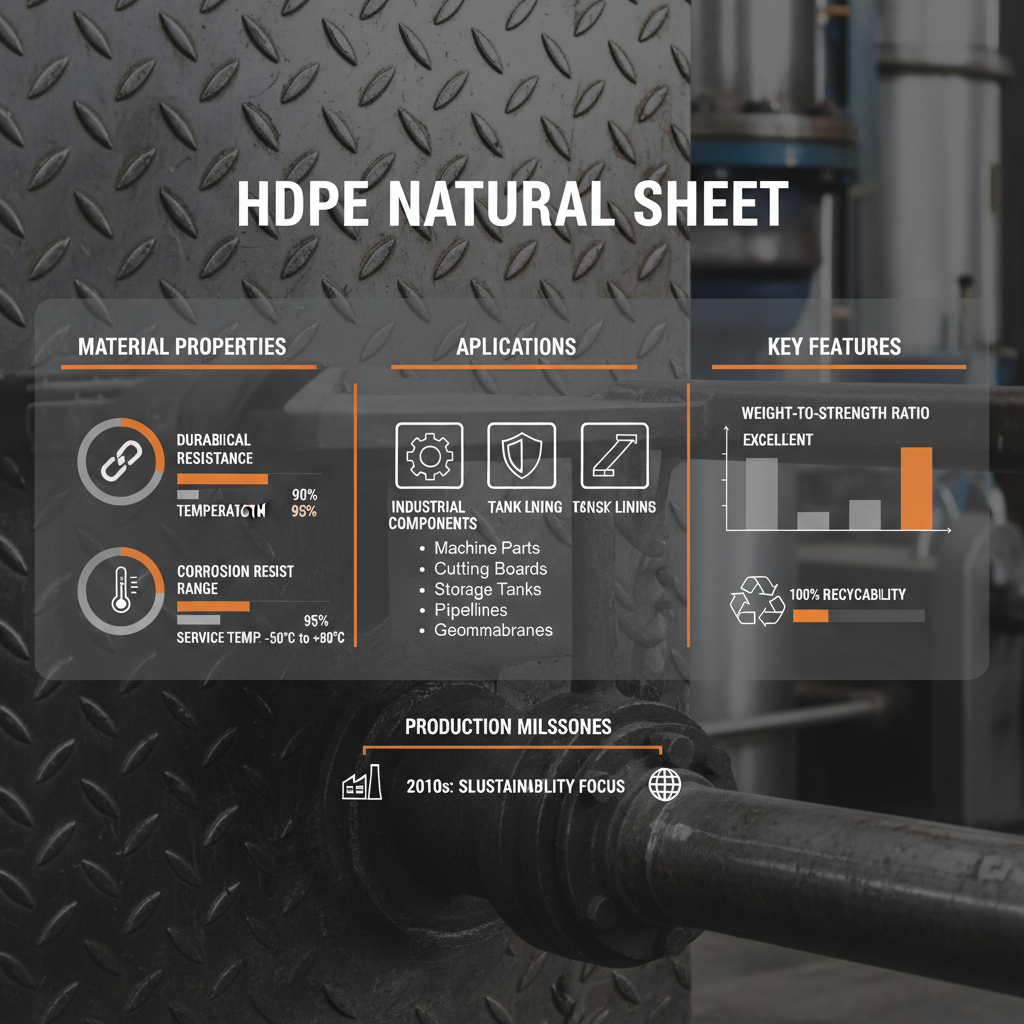
Let’s talk specifics. Durability is key. hdpe natural sheet has a high tensile strength, meaning it can withstand a significant amount of pulling force before breaking. This makes it ideal for applications where structural integrity is crucial. Then you've got chemical resistance – it's inert to most acids, bases, and solvents, which is why it’s used so much in containment applications.
Another significant property is its low moisture absorption. It won’t swell or degrade when exposed to water, making it perfect for outdoor applications or where contact with moisture is unavoidable. And let’s not forget its recyclability. While not all HDPE gets recycled, it can be, contributing to a more sustainable lifecycle.
Performance Comparison of hdpe natural sheet Applications
Real-World Implementations Across Industries
I’ve seen hdpe natural sheet used on massive oil and gas projects to line secondary containment areas, preventing spills from contaminating the environment. In construction, it's the go-to material for protecting surfaces from damage during renovations. They use it as a ground cover, a temporary wall, you name it.
Down in the Gulf Coast, they use it extensively for building erosion control structures along the shoreline. And in agriculture, it’s used for pond liners, preventing water loss and maintaining irrigation systems. The versatility is truly remarkable. You’ll even find it in the food and beverage industry, making cutting boards and other food-safe components.
Long-Term Benefits and Value Proposition
The upfront cost of hdpe natural sheet is competitive, but the real value comes from its longevity and low maintenance. You’re not constantly replacing it like you would with other materials. That translates into significant cost savings over the life of a project. It also reduces downtime and disruptions – a huge benefit when you’re on a tight schedule.
And it’s a responsible choice from a sustainability perspective. Its durability means less waste, and the fact that it’s recyclable adds to its environmental appeal. From a safety standpoint, it’s non-toxic and doesn’t splinter or produce harmful fumes, making it a safer option for workers and the environment.
Ultimately, using hdpe natural sheet builds trust. You’re demonstrating a commitment to quality, reliability, and responsible material sourcing. That's what clients appreciate, and that's what builds a solid reputation.
Future Outlook and Emerging Trends
We're seeing increasing research into incorporating recycled HDPE into new products, which will further enhance its sustainability credentials. There’s also work being done on improving its UV resistance, making it even more durable in outdoor applications. I’ve also heard whispers of incorporating additives to enhance its strength and flexibility, potentially opening up new application areas.
I think the future is bright for hdpe natural sheet. As the demand for sustainable and cost-effective materials grows, it’s perfectly positioned to continue playing a critical role in a wide range of industries. The focus on circular economy principles will only increase its relevance.
The growing adoption of prefabrication and modular construction techniques will likely increase the demand for materials like HDPE, as they offer the consistency and reliability needed for off-site fabrication. It's a material that's evolving to meet the demands of a changing world.
Key Factors Influencing hdpe natural sheet Adoption
| Application Area |
Cost Effectiveness |
Environmental Impact |
Durability & Lifespan |
| Containment Liners |
9/10 |
7/10 |
8/10 |
| Construction Protection |
8/10 |
6/10 |
7/10 |
| Erosion Control |
7/10 |
8/10 |
9/10 |
| Temporary Structures |
9/10 |
5/10 |
6/10 |
| Food & Beverage Components |
6/10 |
7/10 |
9/10 |
| Pipeline Protection |
7/10 |
6/10 |
8/10 |
FAQS
That’s a good question. Wood rots, metal corrodes, and both can be pretty heavy and difficult to work with. hdpe natural sheet resists both rot and corrosion, is much lighter, and can be easily cut, shaped, and welded. It’s also more consistent in quality – you don’t have to worry about variations in the material like you do with wood. It ultimately saves you time and money in the long run.
It handles both pretty well, surprisingly. It has a relatively high melting point, so it won’t warp or deform in the heat. And it becomes more brittle in extremely cold temperatures, but it won’t necessarily crack unless subjected to significant impact. It’s much more stable than a lot of other plastics in varying temperatures.
It's not a perfect solution, but it’s better than a lot of alternatives. It’s durable, which means less frequent replacement and less waste. And yes, it is recyclable, although the infrastructure for HDPE recycling isn't universally available. The industry is working on improving recycling rates, and using recycled HDPE in new products is becoming increasingly common.
Oh, tons. We use it for protecting floors, walls, and other surfaces from damage during renovations. It’s great for creating temporary barriers to contain dust and debris. It’s also used as a ground cover to prevent mud and dirt from being tracked into finished areas. It's quick to install and remove, making it ideal for fast-paced projects.
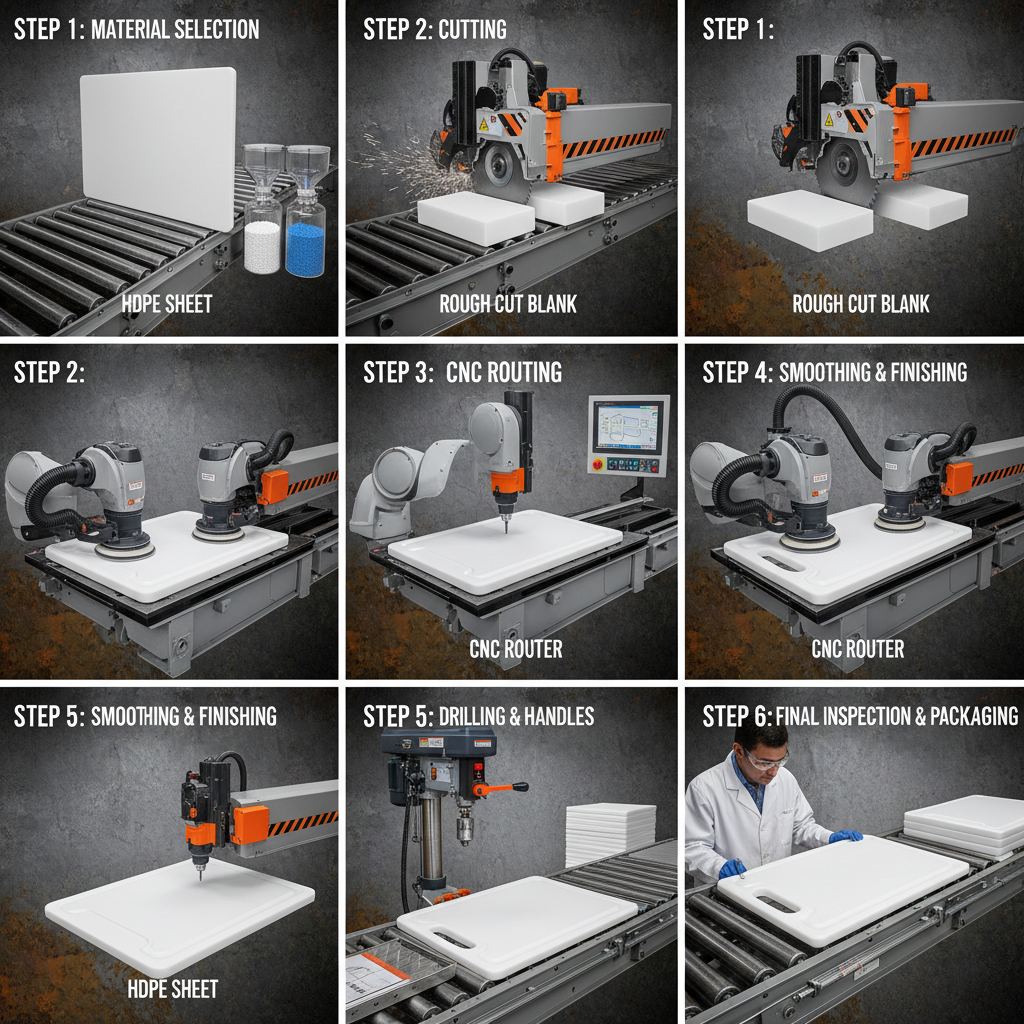
It’s surprisingly easy! You can cut it with standard woodworking tools like circular saws, jigsaws, and routers. For more precise cuts, a CNC machine works great. Welding HDPE is also relatively straightforward with the right equipment – you’ll need a plastic welder and the appropriate welding rods. It doesn't require specialized skills or certifications.
That depends on the application and the level of exposure to the elements, but generally speaking, it’s very long-lasting. In sheltered applications, it can easily last for decades. Even in more exposed environments, you can expect a lifespan of 10-20 years or more with minimal maintenance. Its resistance to degradation is a huge advantage.
Conclusion
hdpe natural sheet isn’t a flashy, high-tech material, but it’s a dependable workhorse that solves a lot of problems for a lot of people. From its durability and chemical resistance to its cost-effectiveness and recyclability, it offers a compelling value proposition for a wide range of applications. It’s a material that consistently delivers, and that’s what matters most on a construction site – or in any industry where reliability is paramount.
Looking ahead, the continued focus on sustainability and the growing demand for durable, cost-effective materials will only increase its relevance. I encourage anyone who’s looking for a reliable material that can stand the test of time to seriously consider hdpe natural sheet. You won’t be disappointed. For more information and to explore the possibilities, visit our website: www.lidaplastic.com