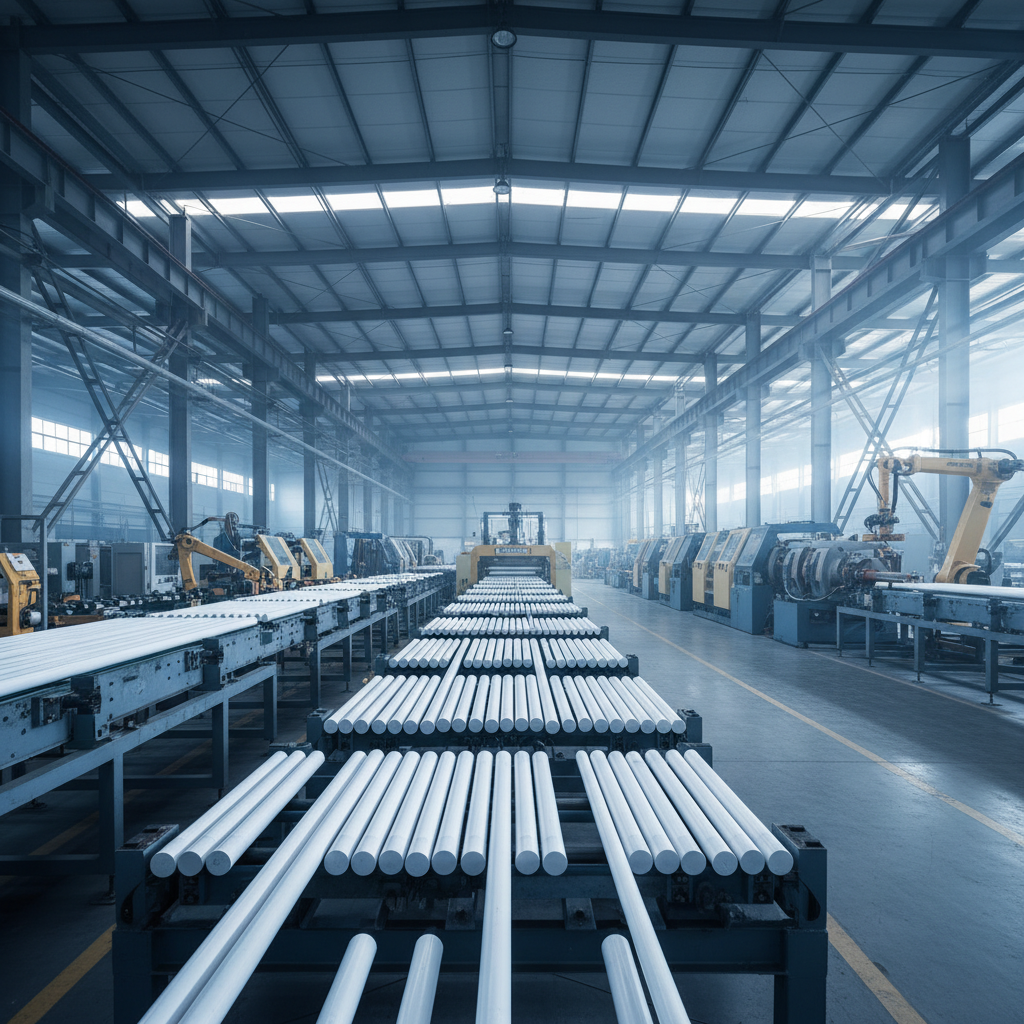
In the complex landscape of industrial plastic fabrication, the integrity of a joint is only as strong as the materials used to create it. The pp welding rod serves as the critical bridge in thermoplastic welding, ensuring that polypropylene components are fused into a single, leak-proof, and chemically resistant entity. Whether utilized in chemical processing plants or water treatment facilities, the quality of the welding rod directly dictates the lifespan of the entire system.
Globally, the demand for high-performance polymers has surged as industries move away from corrosive metals. The strategic use of pp welding rod allows engineers to construct complex tanks, piping networks, and liners that can withstand aggressive pH levels without compromising structural stability. This shift is not merely a matter of cost, but a fundamental move toward materials that offer superior longevity and lower maintenance requirements.
Understanding the nuances of selecting the right welding filler is essential for any project involving polypropylene. From the molecular weight of the resin to the precision of the extrusion process, every detail of the pp welding rod impacts the weld's tensile strength and thermal resistance. This guide explores the technical dimensions, global applications, and future innovations of these indispensable industrial tools.
Global Industry Context of PP Welding Rod
The global plastics industry is currently undergoing a paradigm shift toward high-durability thermoplastics, with polypropylene (PP) leading the charge in chemical and industrial applications. According to international manufacturing standards and ISO guidelines, the reliability of fused plastic joints is paramount to preventing environmental contamination. The pp welding rod is the primary medium through which these standards are met, providing a homogenous bond that mirrors the properties of the base material.
Historically, industrial leaks in chemical storage were a significant challenge, often resulting from the failure of mechanical seals or inferior welding materials. By utilizing high-purity pp welding rod, manufacturers can now achieve hermetic seals that resist stress cracking and thermal expansion. This has become a critical requirement for industries operating under strict environmental regulations, where a single joint failure could lead to catastrophic ecological impact.
Defining the Technical Role of PP Welding Rod
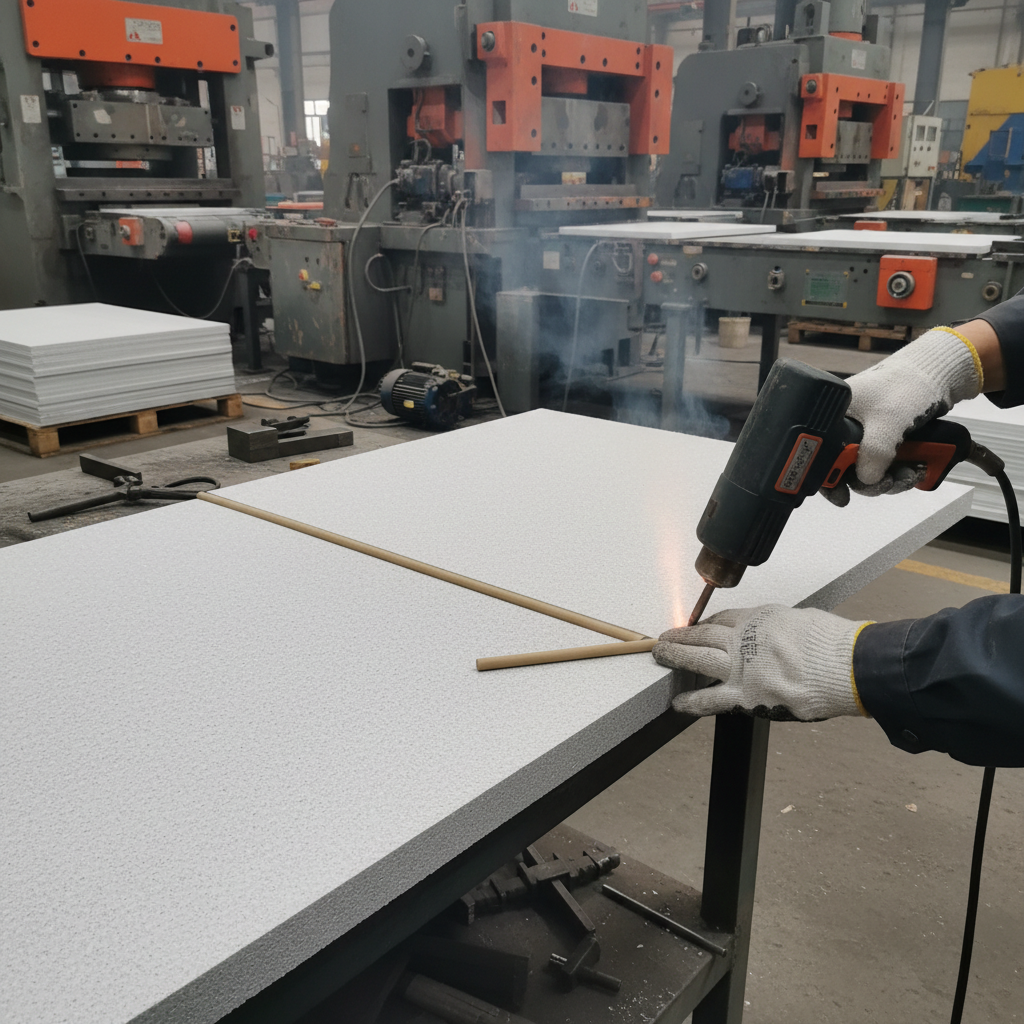
In simple terms, a pp welding rod is a filler material made from polypropylene resin, extruded into a cylindrical shape, and designed to be melted by a heat source (typically a hot-gas welder) to join two or more PP pieces. Unlike adhesives, which create a surface bond, the welding rod facilitates a molecular fusion, effectively turning two separate components into one continuous piece of plastic.
This process is vital for modern industrial needs, particularly in the construction of chemical reactors and storage tanks. Because the pp welding rod is chemically identical to the plates or pipes it joins, the resulting weld possesses the same resistance to acids, alkalis, and organic solvents. This consistency is what makes polypropylene the preferred choice for harsh environments over traditional metals.
Furthermore, the versatility of the pp welding rod allows for both internal and external fillet welds, enabling the creation of complex geometries. This capability is essential for humanitarian and infrastructure projects, such as the rapid deployment of clean water storage systems in remote areas, where durable and leak-proof containment is a matter of public health.
Core Factors Influencing Welding Performance
The durability of a weld is primarily determined by the thermal compatibility of the pp welding rod with the base material. If there is a discrepancy in the melt flow index (MFI) or the grade of polypropylene (e.g., PP-H vs. PP-B), the resulting bond may suffer from internal stresses, leading to premature failure under pressure.
Chemical purity is another decisive factor. A high-quality pp welding rod must be free from contaminants and recycled fillers that could introduce weak points into the weld bead. Pure virgin resin ensures that the weld maintains maximum tensile strength and resists environmental stress cracking, which is critical for high-pressure piping.
Finally, the diameter and consistency of the pp welding rod affect the scalability of the project. Precision-extruded rods allow for uniform heat distribution during the welding process, reducing the likelihood of "cold welds" or overheating, which can degrade the polymer chains and weaken the joint.
Comparative Analysis of Welding Methods
Selecting the right application method for the pp welding rod depends on the project's requirements for speed, strength, and accessibility. Hot gas welding is the most common technique, where a torch melts the rod into the joint, offering high flexibility for on-site repairs. In contrast, extrusion welding uses a machine to feed the rod and apply pressure simultaneously, resulting in a much stronger and more consistent weld bead for heavy-duty tanks.
While hot gas welding is excellent for intricate details, extrusion welding is the gold standard for structural integrity in large-scale industrial installations. The choice between these methods often comes down to the thickness of the material being joined and the operational environment of the final product.
Performance Efficiency of PP Welding Rod Methods
Global Applications and Use Cases
The application of pp welding rod spans across several critical sectors. In the chemical industry, it is used to fabricate acid-resistant tanks and ducting systems that prevent the leakage of hazardous substances. In the food and beverage industry, the non-toxic nature of polypropylene makes these welds ideal for processing equipment that must meet strict hygiene standards.
Beyond industrial plants, we see these materials in remote industrial zones and post-disaster relief operations. For instance, the rapid construction of chemical-resistant wastewater treatment basins in flood-prone regions relies heavily on the speed and reliability of pp welding rod to ensure safe water management and disease prevention.
Long-Term Value and Sustainability
Investing in premium pp welding rod offers tangible long-term value by drastically reducing the frequency of maintenance cycles. A weld performed with high-grade material is less likely to succumb to fatigue or thermal stress, meaning that industrial systems can operate for decades without the need for costly downtime or emergency repairs.
From a sustainability perspective, polypropylene is highly recyclable. By creating durable, long-lasting joints with a quality pp welding rod, companies reduce the amount of plastic waste generated by premature equipment failure. This aligns with global goals for a circular economy, where the focus shifts from "disposable" to "durable."
Emotionally, the reliability of these materials provides peace of mind to plant operators and environmental safety officers. Knowing that a containment system is fused with professional-grade pp welding rod ensures safety, dignity for the workforce, and trust in the infrastructure's ability to protect the surrounding ecosystem.
Future Trends and Material Innovations
The future of pp welding rod is being shaped by the integration of advanced additives. We are seeing the development of UV-stabilized and flame-retardant welding rods that allow polypropylene structures to be used in outdoor environments and high-risk industrial zones without degradation. These innovations expand the potential of PP far beyond its traditional indoor chemical roles.
Digital transformation is also impacting the welding process. The rise of automated robotic welding systems requires pp welding rod with extremely tight dimensional tolerances to ensure seamless feeding and consistent bead deposition. This automation reduces human error and increases the overall quality of the fusion.
Moreover, there is a growing trend toward "green" polymers. Research into bio-based polypropylene suggests that the next generation of pp welding rod may be derived from renewable sources, further reducing the carbon footprint of industrial plastic fabrication while maintaining the same rigorous performance standards.
Technical Performance Analysis of PP Welding Rod Variants
| Rod Variant |
Chemical Resistance |
Impact Strength |
Thermal Stability |
| Standard PP-H Rod |
9/10 |
7/10 |
8/10 |
| UV-Stabilized Rod |
8/10 |
7/10 |
9/10 |
| Flame Retardant Rod |
7/10 |
6/10 |
10/10 |
| Glass Fiber Reinforced |
8/10 |
10/10 |
7/10 |
| High-Melt-Flow Rod |
9/10 |
6/10 |
7/10 |
| Copolymer PP Rod |
7/10 |
9/10 |
8/10 |
FAQS
The diameter should generally match the wall thickness of the material being welded. For thin-walled sheets, a 3mm rod is typical, whereas heavy-duty industrial tanks with 10mm+ walls require 4mm to 6mm rods to ensure sufficient filler volume and structural strength in the weld bead.
No. Polypropylene and PVC are chemically incompatible. Attempting to join them will result in a bond with zero structural integrity. You must always use a pp welding rod when working with PP base materials to ensure molecular fusion.
The most common cause is "cold welding," which happens when the rod is not heated sufficiently or the base material is too cold. This prevents the polymer chains from intertwining, leaving a visible seam that will likely leak or crack under pressure.
Extrusion welding is superior for strength and speed on large joints because it applies pressure and filler simultaneously. However, hot gas welding is better for repairs and complex corners where an extrusion gun cannot physically fit.
Store them in a cool, dry place away from direct sunlight. UV exposure can cause the rod to become brittle over time, which can lead to inconsistencies in the melt and weaken the final weld.
Yes, there are emerging bio-based polypropylene options. While traditional rods are petroleum-based, new sustainable variants are entering the market that maintain the same chemical resistance while reducing the initial carbon footprint of production.
Conclusion
The pp welding rod is far more than a simple plastic filler; it is the essential component that transforms separate polymer components into high-performance industrial assets. By focusing on material purity, thermal compatibility, and the correct application method, manufacturers can ensure that their systems are leak-proof, chemically resistant, and structurally sound for decades.
As the industry moves toward smarter automation and more sustainable materials, the role of the welding rod will continue to evolve. We recommend that engineers always prioritize certified, high-purity rods over generic alternatives to avoid the catastrophic costs of joint failure. For premium industrial solutions, visit our website: www.lidaplastic.com