hdpe tube, or High-Density Polyethylene tube, is a remarkably versatile material increasingly critical in diverse global sectors. From potable water distribution and gas pipelines to sophisticated industrial applications, its robustness and cost-effectiveness are driving widespread adoption. Understanding its properties and applications is paramount for engineers, policymakers, and anyone involved in infrastructure development and resource management. The demand for reliable, durable, and sustainable piping solutions continues to grow, making hdpe tube a key component of modern infrastructure.
Globally, the demand for infrastructure is surging, particularly in rapidly developing economies. This requires materials that are not only strong and reliable but also readily available and economical. hdpe tube addresses these needs directly. Furthermore, growing concerns about environmental sustainability are favoring materials like hdpe, which offers long lifecycles, recyclability, and reduced environmental impact compared to traditional alternatives like metal pipes.
The fundamental appeal of hdpe tube lies in its ability to deliver dependable performance across a wide spectrum of challenging environments, representing a vital improvement over legacy materials in many applications. Its inherent flexibility, resistance to corrosion, and ease of installation contribute to lower lifecycle costs and increased efficiency, making it a preferred choice for various projects worldwide.
Introduction: Global or Industry Context
The global market for hdpe tube is experiencing substantial growth, driven by increasing demand for reliable infrastructure in both developed and developing nations. According to a recent report by the UN, access to clean water is a fundamental human right, and efficient water distribution systems are crucial to achieving this goal. hdpe tube plays a vital role in delivering potable water, reducing leaks and contamination. The World Bank estimates that trillions of dollars will be invested in infrastructure projects over the next decade, with a significant portion allocated to piping systems.
The challenges of aging infrastructure in many countries necessitate replacement with durable and sustainable materials. Traditional materials like cast iron are prone to corrosion and require frequent maintenance, leading to significant costs and disruptions. hdpe tube offers a long-term solution, minimizing maintenance requirements and reducing the overall lifecycle cost. ISO standards recognize hdpe tube's suitability for potable water and gas transport, further fueling its adoption.
A critical problem addressed by the increasing use of hdpe tube is the pervasive issue of water loss due to leaks in aging pipelines. Globally, an estimated 30-40% of treated water is lost before reaching consumers. hdpe tube’s inherent leak-proof joints and resistance to corrosion directly contribute to minimizing this loss, conserving precious resources and reducing environmental impact. This makes it a vital component of sustainable water management strategies.
Definition & Meaning
hdpe tube is a thermoplastic pipe manufactured from high-density polyethylene. It's characterized by its high strength-to-density ratio, making it lightweight yet incredibly durable. Unlike metal pipes, hdpe tube is non-corrosive, resistant to chemical attack, and exhibits excellent flexibility. These properties make it ideally suited for a wide range of applications where reliability and longevity are paramount.
In modern industry, hdpe tube is essential for fluid and gas transportation, spanning sectors like water supply, sewage, irrigation, mining, and oil & gas. It's also frequently utilized in drainage systems, cable ducting, and protective casings. Beyond industrial uses, hdpe tube is increasingly critical in humanitarian efforts, providing access to clean water in disaster relief situations and remote communities.
The connection to humanitarian needs is profound. Rapid deployment of water distribution systems using hdpe tube can immediately improve sanitation and public health in crisis zones. Its lightweight nature allows for easy transportation and installation, even in challenging terrains. This practicality, combined with its durability, makes hdpe tube a lifesaver in numerous situations.
Key Factors or Core Components
Durability: hdpe tube boasts exceptional resistance to impact, abrasion, and weathering, ensuring a long service life. This translates to reduced maintenance costs and fewer disruptions. The material’s inherent strength means it can withstand significant ground movement and external pressures without failing, making it ideal for challenging installations.
Chemical Resistance: hdpe is virtually inert to most chemicals, making it suitable for transporting a wide range of fluids, including corrosive substances. This eliminates the need for costly protective coatings or specialized materials in many applications. This resistance extends to soil chemicals as well, ensuring longevity even in aggressive soil environments.
Flexibility: Unlike rigid pipes, hdpe tube can be bent and maneuvered around obstacles, reducing the need for complex and expensive fittings. This flexibility also allows it to absorb ground movement and thermal expansion without cracking or breaking. The ability to be directional drilled minimizes surface disruption during installation.
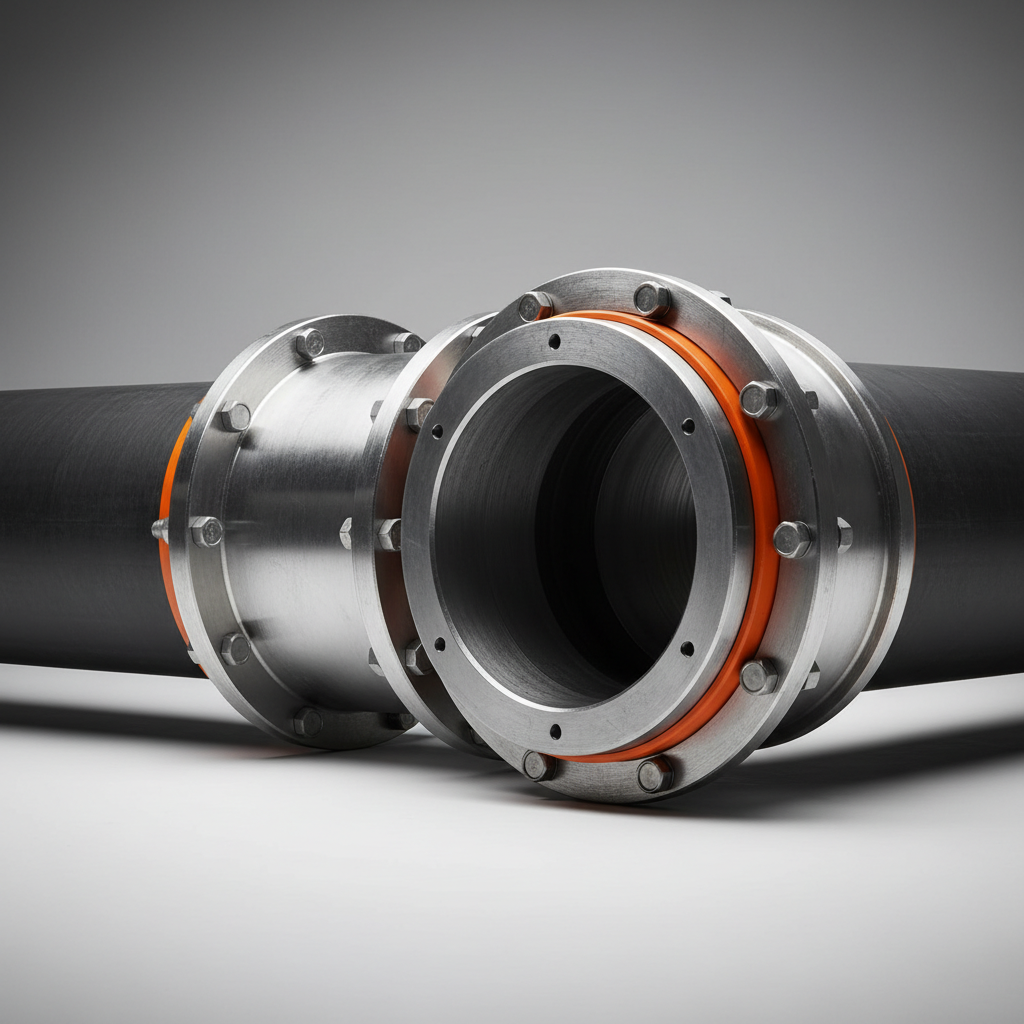
Joint Integrity: hdpe tube is typically joined using heat fusion techniques, creating a completely leak-proof seal. This eliminates the potential for infiltration and exfiltration, conserving resources and protecting the environment. Heat fusion creates a joint that is as strong as, or even stronger than, the pipe itself.
Lightweight: Compared to metal pipes, hdpe tube is significantly lighter, making it easier to handle, transport, and install. This reduces labor costs and simplifies logistics. The reduced weight also minimizes the need for heavy equipment during installation.
Cost Efficiency: While the initial material cost might be comparable to other options, the long-term cost benefits of hdpe tube – including reduced maintenance, longer lifespan, and lower installation costs – make it a highly cost-effective solution.
Global Applications & Use Cases
hdpe tube is extensively used in municipal water distribution systems around the world, providing reliable and safe delivery of potable water to millions. In Europe, its adoption is particularly high due to stringent quality standards and a focus on sustainable infrastructure. Across North America, hdpe tube is favored for natural gas distribution, offering enhanced safety and leak prevention.
In post-disaster relief operations, organizations like the Red Cross frequently utilize hdpe tube to quickly establish temporary water supply systems. Its lightweight nature and ease of installation make it ideal for rapid deployment in emergency situations. In remote industrial zones, such as mining operations in Australia and Canada, hdpe tube is employed for transporting abrasive slurries and corrosive chemicals.
The agricultural sector also benefits significantly from hdpe tube. Irrigation systems utilizing hdpe tube reduce water wastage and improve crop yields. In arid regions like the Middle East, hdpe tube is crucial for efficient water management and sustainable agriculture. Furthermore, the growing aquaculture industry utilizes hdpe tube for fish farming and recirculating aquaculture systems.
hdpe tube Application Rating by Industry
Advantages & Long-Term Value
The tangible benefits of choosing hdpe tube are significant. Lower installation costs due to reduced need for fittings and simpler installation procedures contribute to immediate savings. Long-term cost reductions are realized through minimal maintenance requirements and a projected lifespan of 50+ years, far exceeding many traditional piping materials. The inherent corrosion resistance also eliminates the costs associated with repairs and replacements due to rust or chemical degradation.
From a sustainability perspective, hdpe tube is a responsible choice. It’s recyclable, reducing landfill waste, and its long lifespan minimizes the need for frequent replacements, lowering the overall environmental footprint. The reduced water loss due to leak-proof joints contributes to water conservation, a critical issue in many regions. Beyond the practical benefits, there’s a sense of security and trust that comes with utilizing a reliable, long-lasting material.
Future Trends & Innovations
Ongoing research and development are focused on enhancing the properties of hdpe tube. New additives are being explored to improve its resistance to extreme temperatures and UV degradation, expanding its range of applications. The integration of smart sensors within hdpe tube systems is a growing trend, enabling real-time monitoring of pressure, flow, and temperature, facilitating predictive maintenance and optimizing performance.
The increasing adoption of digital transformation and automation in infrastructure projects is driving demand for “smart” piping solutions. hdpe tube, with its compatibility with sensor integration, is well-positioned to capitalize on this trend. The focus on green energy initiatives also benefits hdpe tube, as it is increasingly used in geothermal heating and cooling systems and for transporting hydrogen.
Challenges & Solutions
One challenge associated with hdpe tube is its susceptibility to slow crack growth (SCG) under specific conditions of sustained tensile stress and exposure to certain chemicals. However, this risk can be mitigated through proper material selection, careful installation practices, and the use of stress-relieving techniques. Adhering to industry standards and employing qualified installers are crucial.
Another challenge is public awareness. Despite its numerous benefits, some stakeholders remain unfamiliar with hdpe tube's capabilities. Educating engineers, contractors, and policymakers about its advantages is vital for promoting wider adoption. Furthermore, the development of standardized testing procedures and certification programs can enhance confidence in its performance.
Innovative solutions, such as the development of new hdpe formulations with enhanced SCG resistance and the implementation of advanced monitoring systems, are continuously emerging. Combining these technological advancements with best practices in installation and maintenance will ensure the continued success and widespread adoption of hdpe tube.
Summary of hdpe tube Challenges and Solutions
| Challenge |
Severity (1-10) |
Potential Solution |
Implementation Cost (1-10) |
| Slow Crack Growth (SCG) |
6 |
Improved Material Formulations |
7 |
| Lack of Public Awareness |
5 |
Educational Campaigns & Workshops |
3 |
| Installation Errors |
7 |
Certified Installer Programs |
4 |
| UV Degradation in Exposed Applications |
4 |
UV-Resistant Coatings/Additives |
5 |
| Compatibility with Certain Chemicals |
3 |
Material Selection Guidance |
2 |
| Long-Term Performance Monitoring |
5 |
Smart Sensor Integration |
6 |
FAQS
hdpe tube offers several key advantages: it’s corrosion-resistant, lightweight, flexible, and generally more cost-effective over its lifecycle. Metal pipes are susceptible to rust and corrosion, requiring frequent maintenance and eventual replacement. hdpe tube's flexibility reduces the need for complex and expensive fittings, and its lightweight nature simplifies installation. The heat-fusion joining process creates a leak-proof seal, unlike some mechanical joints used with metal piping.
hdpe tube performs well in a wide range of temperatures, but its performance is affected by extremes. While it can handle freezing temperatures without cracking due to its flexibility, prolonged exposure to very high temperatures can cause softening and potential deformation. Special hdpe formulations are available for higher-temperature applications, and proper burial depth and insulation can mitigate temperature-related issues.
Yes, hdpe tube is considered a relatively environmentally friendly material. It is recyclable, reducing landfill waste, and its long lifespan minimizes the need for frequent replacements. Its leak-proof joints conserve water resources. The manufacturing process also generates fewer greenhouse gas emissions compared to some other piping materials. While it’s a plastic, its durability and recyclability make it a more sustainable option.
The most common and reliable method of joining hdpe tube is heat fusion, which creates a permanent, leak-proof weld. There are several heat fusion techniques, including butt fusion, socket fusion, and sidewall fusion, each suitable for different pipe sizes and applications. Mechanical fittings are also available, but they typically offer a lower level of long-term reliability compared to heat fusion.
hdpe tube is incredibly versatile, making it suitable for numerous industries. Key sectors include water and wastewater management, oil and gas, mining, agriculture (irrigation), telecommunications (ducts for cables), and infrastructure development. Any application requiring a durable, corrosion-resistant, and reliable piping solution can benefit from hdpe tube.
Proper installation is crucial for maximizing the lifespan and performance of hdpe tube. It's essential to follow manufacturer’s instructions and adhere to industry standards. Employ certified installers who are trained in heat fusion techniques. Proper bedding and backfill are also vital to provide support and protect the pipe from damage. Regular inspections and preventative maintenance will also contribute to long-term reliability.
Conclusion
In conclusion, hdpe tube represents a significant advancement in piping technology, offering a compelling combination of durability, cost-effectiveness, and sustainability. Its versatility allows for application in a broad spectrum of industries, from municipal water systems to remote industrial sites. Understanding its core properties and proper installation techniques is crucial for maximizing its long-term benefits. The ability to reduce water loss, minimize maintenance, and withstand harsh environments makes it an invaluable asset for modern infrastructure.
Looking ahead, continued innovation in hdpe materials and installation techniques will further expand its capabilities. The integration of smart technologies, such as sensor-based monitoring systems, will unlock new levels of efficiency and reliability. For those seeking a robust, sustainable, and cost-effective piping solution, hdpe tube is a clear and compelling choice. Visit our website today to learn more about how we can assist with your project.