PPR (Polypropylene Random) tube has revolutionized fluid management systems across the globe. Its emergence as a preferred material for both hot and cold water plumbing, industrial pipelines, and even agricultural irrigation is driven by a unique combination of properties – durability, affordability, and ease of installation. Understanding its benefits and applications is crucial for engineers, contractors, and anyone involved in infrastructure development. The increasing demand for sustainable and reliable piping solutions further underscores the importance of PPR tube in modern construction.
Globally, the PPR tube market is experiencing substantial growth, projected to reach multi-billion dollar valuations in the coming years (Source: Industry Reports). This expansion is fueled by rapid urbanization, particularly in developing nations, alongside a growing awareness of water conservation and the need to minimize leakages in distribution networks. Standards organizations like ISO and ASTM have established rigorous testing procedures to ensure the quality and performance of PPR pipes, fostering trust and enabling widespread adoption.
The challenge of providing safe, efficient, and long-lasting fluid conveyance solutions remains a persistent issue worldwide. Traditional materials like copper and PVC have their limitations – copper is expensive and susceptible to corrosion, while PVC can become brittle and may contain harmful plasticizers. PPR tube offers a compelling alternative, addressing these concerns with its inherent resistance to corrosion, scalability for diverse project needs, and a lower overall lifecycle cost.
Introduction to ppr tube
PPR tube represents a significant advancement in piping technology, offering a versatile and reliable solution for a wide range of applications. Its chemical resistance makes it ideal for transporting potable water, as it doesn’t leach harmful substances into the fluid. The inherent thermal properties of polypropylene also allow for use in hot water systems, reducing heat loss and improving energy efficiency.
Unlike many traditional piping materials, PPR tube boasts a smooth inner surface, minimizing friction and ensuring optimal flow rates. This contributes to reduced energy consumption in pumping applications and prevents the build-up of scale and deposits. Furthermore, the lightweight nature of PPR simplifies installation and reduces labor costs.
Defining ppr tube
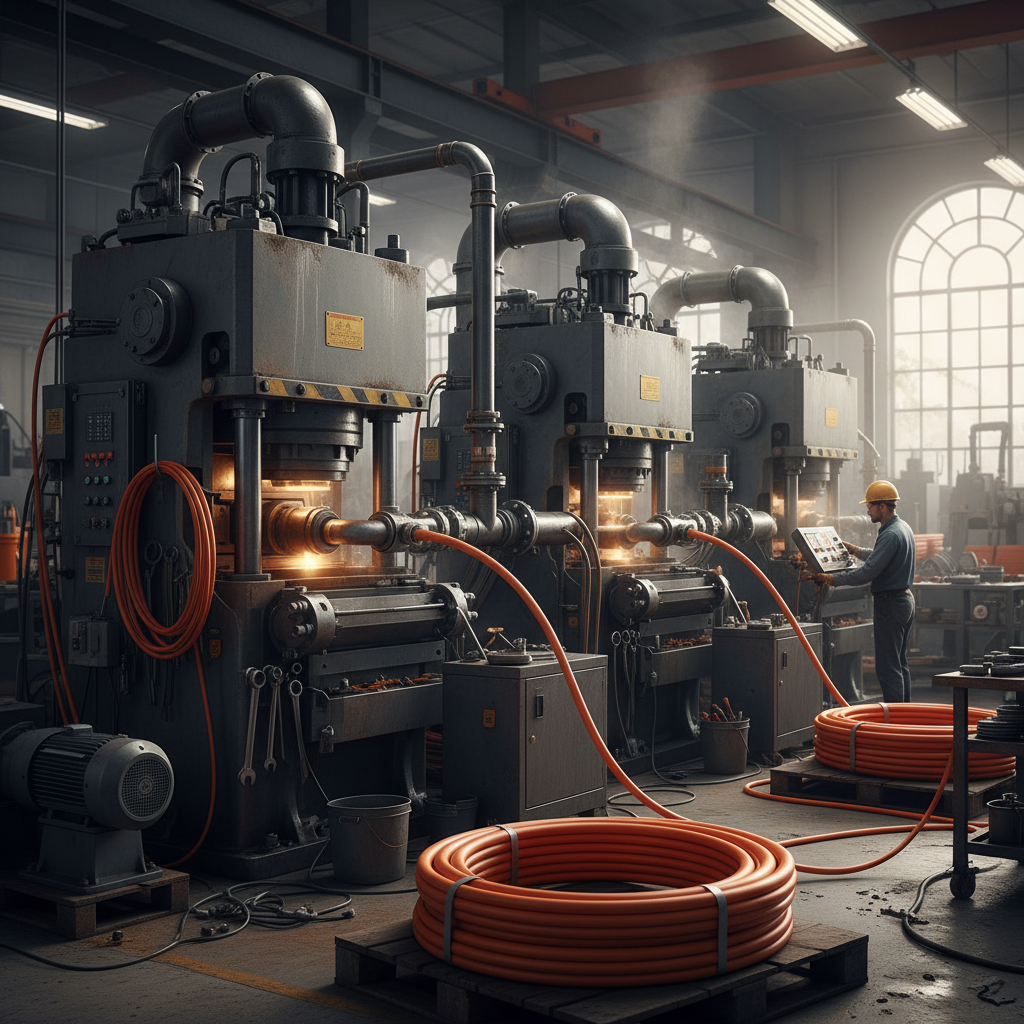
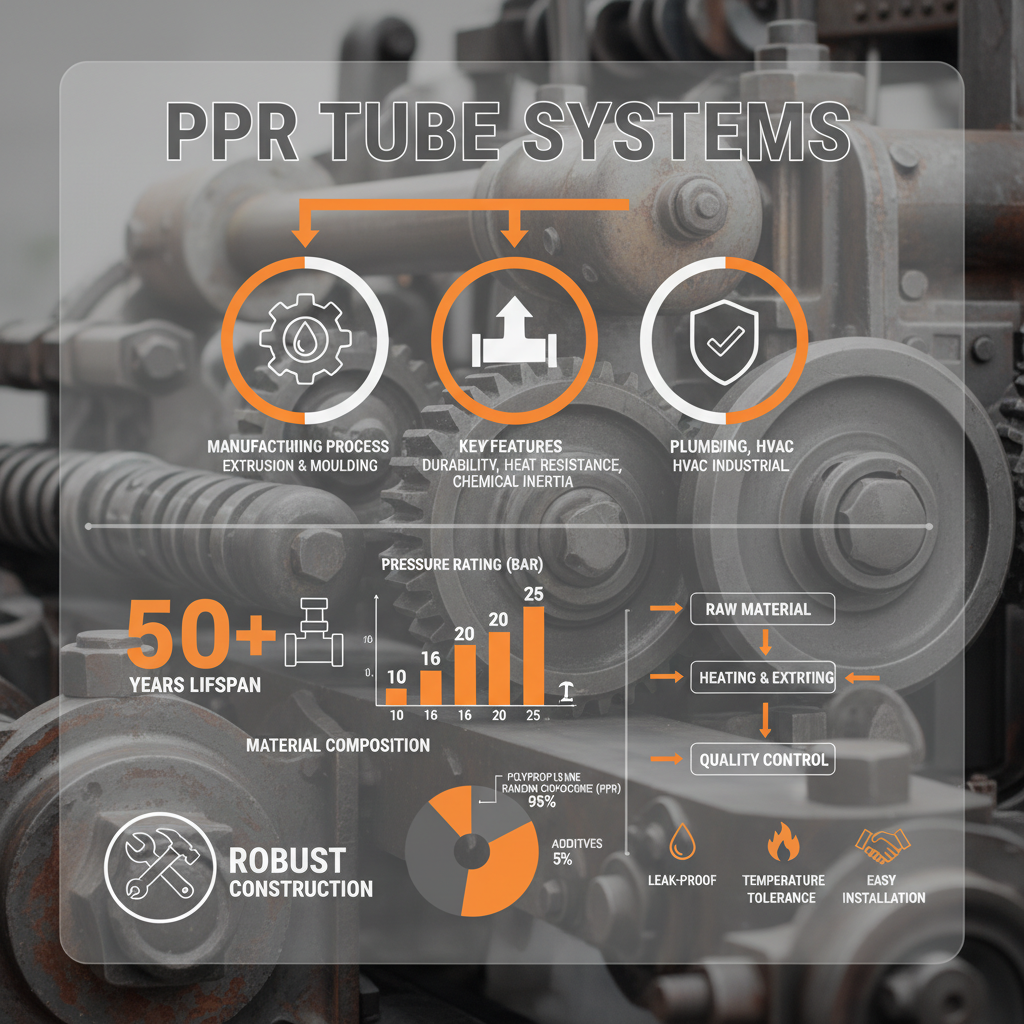
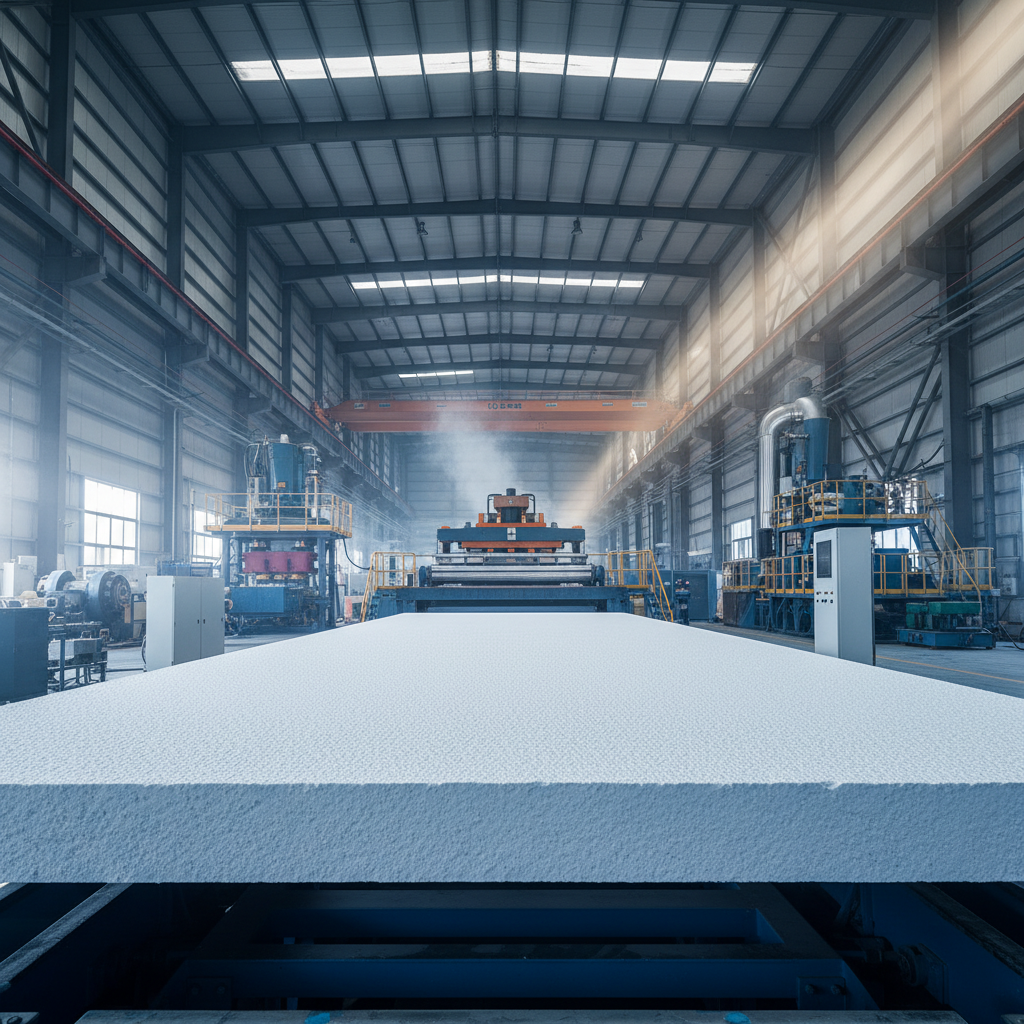
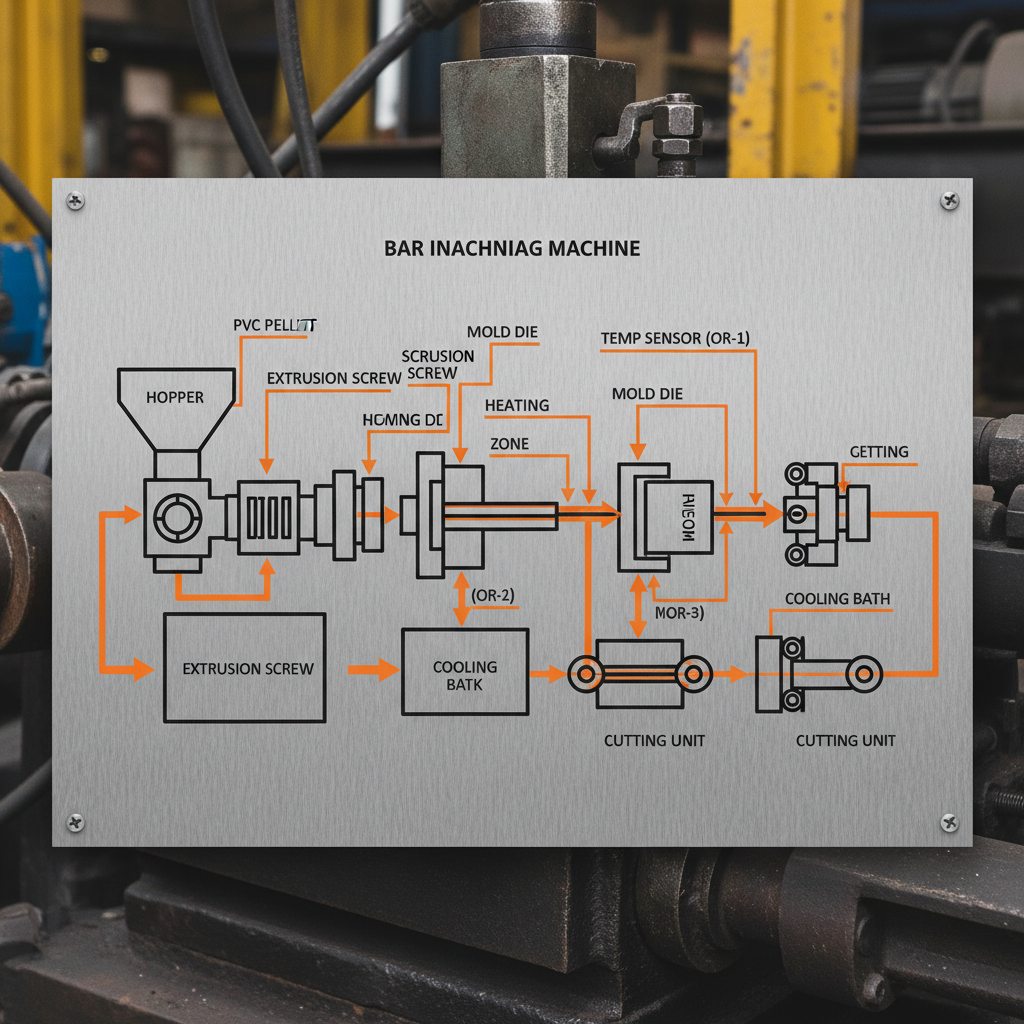
PPR tube, or Polypropylene Random Copolymer pipe, is a thermoplastic piping system manufactured from a type of polypropylene specifically designed for pressure applications. The “random copolymer” designation refers to the way the propylene molecules are structured, resulting in a material that is both flexible and incredibly strong. It’s typically produced using a hot-melt extrusion process, creating seamless pipes available in a variety of diameters and thicknesses.
This technology arose from the need for improved piping solutions in the latter half of the 20th century, driven by concerns around the durability and health impacts of existing materials. PPR tube quickly gained traction in Europe and Asia, becoming the standard for residential and commercial plumbing systems. It’s now expanding rapidly in other regions, offering a modern and efficient alternative to traditional piping methods.
The connection method for PPR tube is primarily through heat fusion welding. This process creates a homogenous joint, effectively eliminating the risk of leaks and providing a system as strong as the pipe itself. This contrasts sharply with threaded or solvent-welded connections, which can be prone to failure over time.
Core Properties of ppr tube
One of the defining features of ppr tube is its exceptional durability. Polypropylene is inherently resistant to corrosion, chemicals, and impact, ensuring a long service life. Unlike metal pipes, it won’t rust or corrode, even in harsh environments. This resilience translates into reduced maintenance costs and a lower overall lifecycle cost.
The thermal properties of ppr tube are also noteworthy. It can withstand temperatures up to 95°C (203°F) for short periods and maintains its integrity at sustained temperatures of up to 70°C (158°F), making it suitable for both hot and cold water distribution. Moreover, the low thermal conductivity of polypropylene helps minimize heat loss in hot water systems, enhancing energy efficiency.
Another critical property is its excellent flow characteristics. The smooth inner surface of ppr tube reduces friction, allowing for higher flow rates with lower pressure drops. This is particularly advantageous in high-rise buildings and large-scale plumbing systems. Furthermore, the material’s resistance to scaling and biofilm formation maintains these optimal flow rates over time.
ppr tube Applications & Use Cases
PPR tube finds widespread application in residential and commercial plumbing systems, serving as the backbone for hot and cold water distribution networks. Its durability and resistance to corrosion make it an ideal choice for underground installations and areas prone to moisture. The flexibility of the material also simplifies installation, particularly in retrofit projects.
Beyond traditional plumbing, ppr tube is increasingly utilized in industrial applications, such as chemical processing, pharmaceutical manufacturing, and food and beverage production. Its resistance to a wide range of chemicals ensures the safe and reliable transportation of various fluids. It is also commonly found in heating and cooling systems, providing efficient and dependable performance.
ppr tube Performance Across Different Methods
Advantages and Long-Term Value
The adoption of ppr tube delivers significant cost savings over the long term. Its durability reduces the frequency of repairs and replacements, minimizing downtime and associated expenses. The ease of installation also contributes to lower labor costs, making it an economically attractive choice for both new construction and renovation projects.
From a sustainability perspective, ppr tube is a responsible material choice. Polypropylene is recyclable, and its long service life reduces the demand for new resources. The reduced risk of leaks minimizes water waste, contributing to water conservation efforts. These environmental benefits align with growing global trends towards sustainable infrastructure.
Future Trends in ppr tube
Innovation in ppr tube technology is focusing on enhanced material formulations, improving resistance to higher temperatures and pressures. The integration of smart sensors within the pipe system is another emerging trend, enabling real-time monitoring of flow rates, pressure, and potential leaks. These sensors can transmit data wirelessly, allowing for proactive maintenance and preventing costly failures.
The development of bio-based polypropylene is also gaining momentum, offering a more sustainable alternative to traditional fossil fuel-derived plastics. Furthermore, advancements in manufacturing processes are leading to thinner-walled ppr tubes with comparable strength, reducing material consumption and lowering production costs.
Challenges and Solutions
One common challenge associated with ppr tube is the need for specialized welding equipment and trained personnel. Improper welding techniques can compromise the integrity of the joints, leading to leaks. To address this, manufacturers are providing comprehensive training programs and developing more user-friendly welding tools.
Another concern is the potential for UV degradation if ppr tube is exposed to prolonged sunlight. To mitigate this, UV stabilizers can be added to the material formulation, or the pipes can be protected with a UV-resistant coating. Proper installation practices, such as burying pipes underground or shielding them from direct sunlight, also help prevent UV damage.
Finally, ensuring consistent quality control across different manufacturers is crucial. Adherence to international standards and independent testing certifications can help guarantee that ppr tube products meet the required performance criteria.
Summary of ppr tube Challenges and Recommended Solutions
| Challenge |
Impact Area |
Severity (1-10) |
Proposed Solution |
| Lack of skilled welders |
Joint Integrity |
8 |
Manufacturer-led training programs |
| UV Degradation |
Material Durability |
7 |
UV stabilizers and protective coatings |
| Inconsistent Quality |
System Reliability |
6 |
Adherence to ISO standards & certifications |
| Cost of Welding Equipment |
Initial Investment |
5 |
Rental programs and compact welding units |
| Limited Awareness |
Market Adoption |
4 |
Educational campaigns and case studies |
| Temperature Limitations |
Application Scope |
6 |
Development of higher-temperature PPR formulations |
FAQS
PPR tube offers several advantages over copper, including lower material cost, easier installation due to its lightweight and flexible nature, and superior corrosion resistance. Unlike copper, PPR doesn't require specialized soldering skills and is less prone to leaks. It’s also a better insulator, reducing heat loss in hot water systems. While copper is recyclable, the overall lifecycle cost of ppr tube is often lower due to reduced maintenance and replacement needs.
PPR tube exhibits excellent performance across a wide range of climates. It’s resistant to freezing and thawing cycles, minimizing the risk of cracking in cold weather. Its chemical resistance protects it from corrosion in harsh environments. However, prolonged exposure to direct sunlight can cause UV degradation, so proper shielding or UV-stabilized formulations are recommended for outdoor applications.
A properly installed and maintained ppr tube piping system can have a lifespan of 50 years or more. The durability of the material and its resistance to corrosion contribute to its longevity. Regular inspections and adherence to recommended operating temperatures and pressures will further extend its service life. It’s crucial to use high-quality fittings and welding techniques to ensure a reliable and long-lasting system.
Yes, ppr tube is specifically designed and approved for use in potable water systems. It's manufactured from materials that are non-toxic and don't leach harmful substances into the water. It meets stringent quality standards set by organizations like NSF and KIWA, ensuring that it's safe for drinking water applications. The smooth inner surface also prevents the buildup of bacteria and biofilms.
The most common welding methods for ppr tube include butt fusion, socket fusion, and electrofusion. Butt fusion is used for larger diameter pipes, while socket fusion is ideal for smaller diameters. Electrofusion provides a stronger and more reliable weld, particularly for critical applications. All three methods require specialized equipment and trained personnel to ensure proper joint integrity. Careful preparation of the pipe ends is also essential for successful welding.
PPR tube is generally more cost-effective than copper, stainless steel, and CPVC. While its initial material cost may be comparable to PVC, the lower installation costs and reduced maintenance requirements make it a more economical choice over the long term. The durability and long lifespan of ppr tube also contribute to its overall cost savings. The price varies depending on diameter, thickness, and manufacturer.
Conclusion
In conclusion, ppr tube represents a significant advancement in fluid conveyance technology, offering a compelling combination of durability, cost-effectiveness, and ease of installation. Its versatility and resistance to corrosion make it an ideal choice for a wide range of applications, from residential plumbing to industrial pipelines. The increasing adoption of ppr tube reflects a growing demand for sustainable and reliable infrastructure solutions.
Looking ahead, continued innovation in material science and welding techniques will further enhance the performance and expand the application of ppr tube. Embracing this technology is not just about adopting a superior piping material; it’s about investing in a more efficient, sustainable, and resilient future. Visit our website at LidaPlastic to learn more about our ppr tube products and solutions.