Selecting the right industrial plastic requires a balance between structural rigidity and chemical resistance, a challenge often solved by sourcing high-quality china pvc rigid sheet for demanding technical environments.
Whether the requirement is for anti-static properties in semiconductor cleanrooms or high-impact resistance in chemical processing plants, the versatility of rigid PVC makes it a primary choice for engineers worldwide.
Understanding the nuances of material grades, surface finishes, and fabrication capabilities is essential for procurement managers seeking to optimize the lifecycle and performance of their industrial components.

Defining Technical Standards for Rigid PVC Sheets

Rigid PVC (Polyvinyl Chloride) is an amorphous thermoplastic known for its exceptional strength and stability. Unlike flexible PVC, rigid sheets are produced without plasticizers, resulting in a material that maintains its shape under significant mechanical stress and thermal fluctuations.
In the context of international manufacturing, the quality of these sheets is often measured by their compliance with standards such as RoHS and REACH, ensuring that the material is free from hazardous substances. For specialized electronics applications, the UL94 V0 grade is a critical benchmark for self-extinguishing fire safety.
The production process involves advanced extrusion technologies that allow for a variety of surface finishes—ranging from glossy and matt to embossed—each serving a specific functional purpose in the final assembly.
Core Material Characteristics and Performance Drivers
The primary value of rigid PVC lies in its chemical inertness. It provides excellent resistance to acids, alkalis, and many organic solvents, making it indispensable for environments where corrosion is a constant risk.
Beyond chemical resistance, rigid PVC offers superior electrical insulation properties. This is particularly vital for the anti-static variants, which prevent the buildup of electrostatic charges that could otherwise damage sensitive electronic components during assembly.
Furthermore, the material's high tensile strength and rigidity ensure that cabinets, panels, and instrument boxes maintain structural integrity without the need for heavy internal reinforcements.
High-Precision Application Scenarios in Modern Industry
The deployment of rigid PVC sheets is widespread across several high-tech sectors. In the semiconductor industry, anti-static PVC sheets are used for access panels and equipment housings to ensure a contaminant-free and charge-safe environment.
In the chemical and medical fields, these sheets serve as the foundation for laboratory countertops and containment walls due to their non-porous surface and ability to withstand rigorous sterilization protocols.
Additionally, the capacity for vacuum forming allows these sheets to be molded into complex geometries, supporting the creation of customized industrial housings and protective covers for heavy machinery.
Evaluating Mechanical Strength and Chemical Stability
When comparing rigid PVC to standard plastics, the difference in impact resistance and chemical stability becomes evident. Performance is typically measured across several key metrics including tensile modulus and corrosion rates.
The following data illustrates the relative performance increase when switching from general-purpose plastics to high-grade rigid PVC in industrial settings.
china pvc rigid sheet Performance Metrics
As indicated, the significant gains in chemical resistance and structural rigidity allow for longer replacement cycles and reduced maintenance costs in aggressive operating environments.
Strategic Procurement and Fabrication Considerations
Procuring rigid PVC requires a detailed specification of the required surface treatment. Glossy surfaces are preferred for aesthetics and easy cleaning, while matt or embossed surfaces are selected to reduce glare and increase grip.
Fabrication flexibility is a key advantage; these sheets can be easily cut, drilled, and welded using PVC welding rods. For companies requiring complex parts, CNC milling centers can transform standard sheets into precise components based on technical drawings.
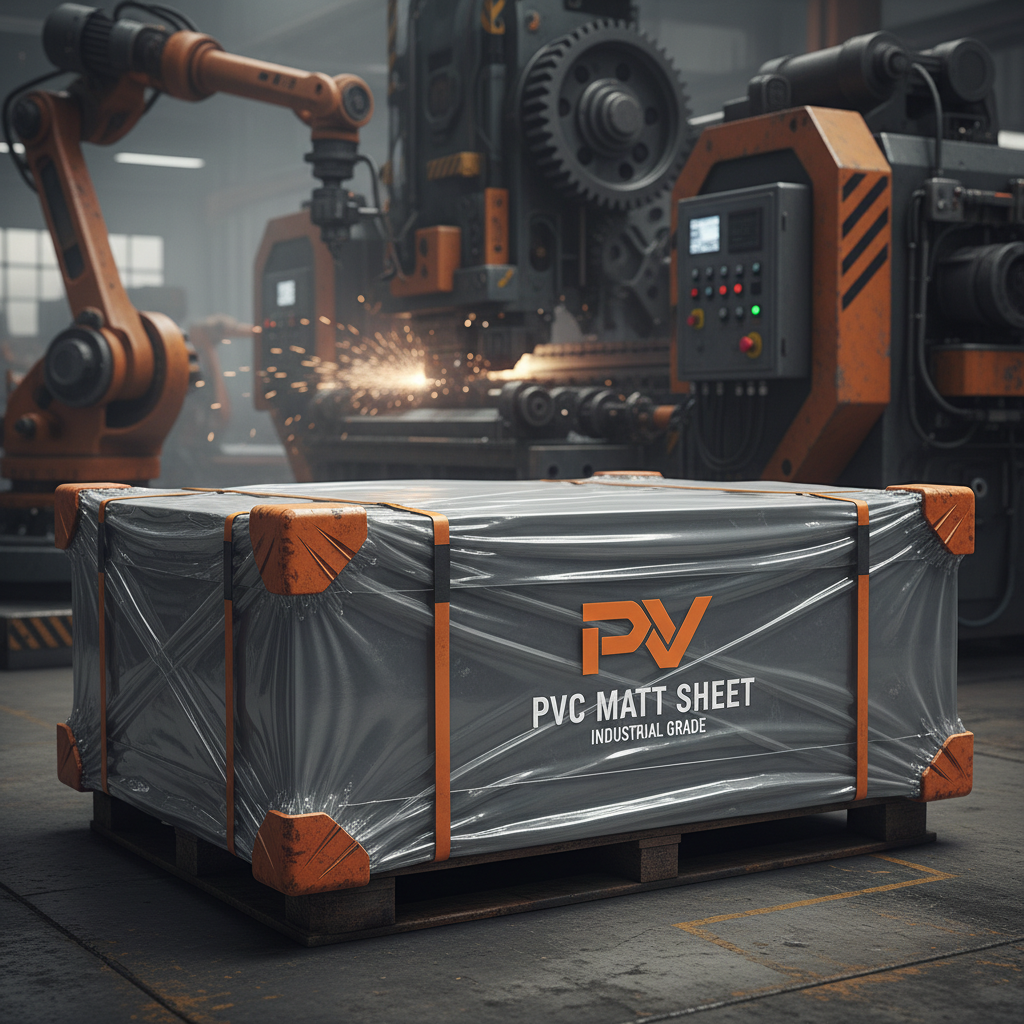
Logistics and protection are also paramount. High-quality sheets are typically delivered on wooden pallets and masked with protective film to ensure that the surface finish remains pristine during transit.
Future Material Trends in Plastic Extrusion
The evolution of PVC extrusion is moving toward higher environmental sustainability and specialized functional additives. We are likely to see an increase in the integration of UV stabilizers to extend the lifespan of sheets used in outdoor applications.
Innovations in additive manufacturing may also lead to hybrid materials that combine the rigidity of PVC with the thermal properties of other polymers, potentially expanding the temperature range at which these materials can operate.
As industries push toward greater automation, the demand for sheets that are optimized for rapid CNC machining and automated welding processes is expected to grow, reducing overall production lead times.
Comparative Analysis for Material Selection Decisions
Choosing between different rigid plastic sheets depends on the specific operational constraints of the project. The following table provides a decision matrix based on common industry requirements.
This comparison helps procurement officers determine whether a standard rigid PVC sheet or a specialized variant is necessary for their specific application.
| Variant Type | Primary Benefit | Ideal Use Case | Key Limitation |
|---|---|---|---|
| Anti-Static PVC | Prevents Charge Build-up | Electronics Assembly | Higher Unit Cost |
| UV Stabilized PVC | Weather Resistance | Outdoor Signage/Cladding | Slower Production |
| Fire Retardant PVC | UL94 V0 Compliance | Electrical Cabinets | Specific Additive Mix |
| Vacuum Forming PVC | High Moldability | Custom Housings | Thickness Variation |
| Glossy Rigid PVC | Surface Smoothness | Laboratory Benches | Prone to Scratches |
| Embossed Rigid PVC | Slip Resistance | Industrial Flooring | Harder to Clean |
By aligning the material variant with the operational environment, companies can maximize the ROI of their infrastructure investments while ensuring safety and compliance.
Frequently Asked Questions
Conclusion
The selection of a rigid PVC sheet is a strategic decision that directly impacts the durability and safety of industrial systems. From ensuring electrostatic discharge protection in electronics to providing chemical barriers in laboratories, the right material grade is essential for operational success.
Professionals evaluating these materials for their next project can review the comprehensive product range and technical capabilities available through www.lidaplastic.com to ensure their specifications meet international standards.