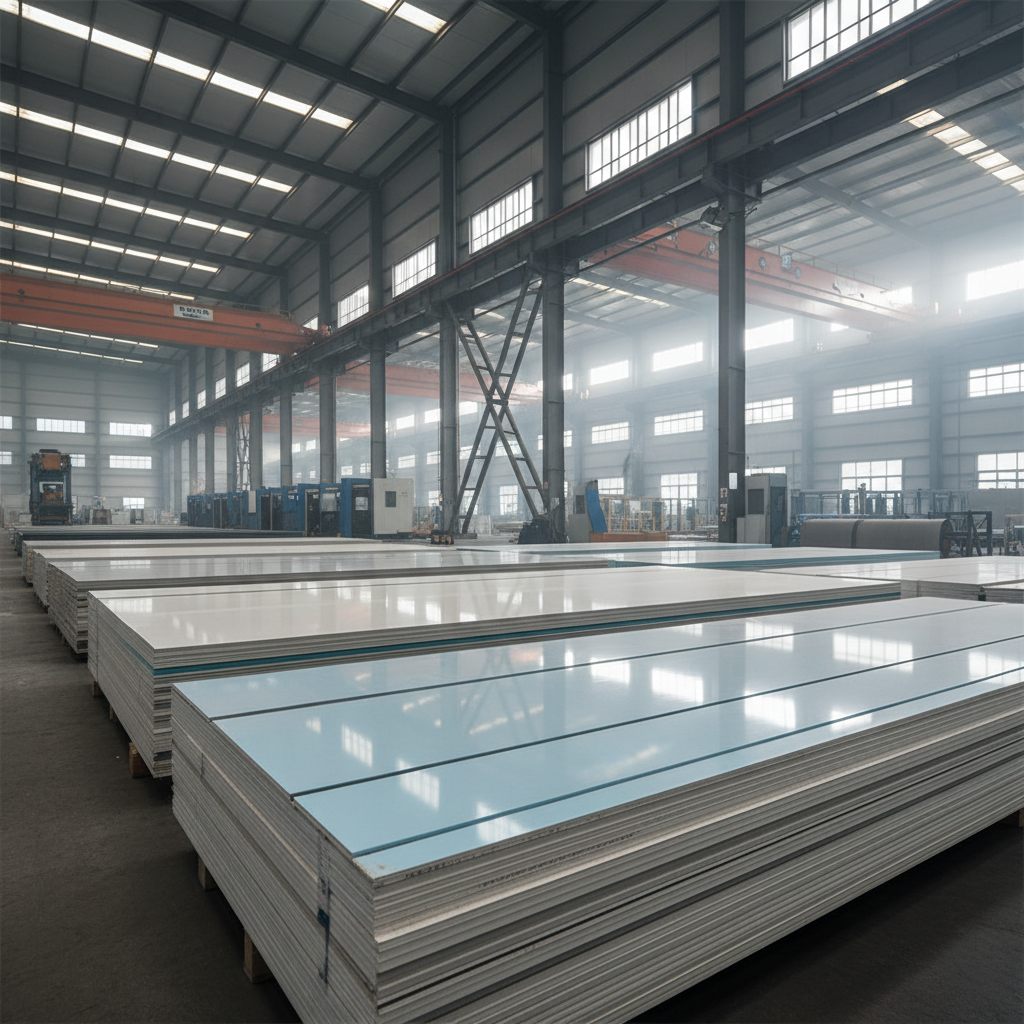
Custom HDPE sheets are high-density polyethylene panels engineered to specific dimensions, thicknesses, and performance characteristics to meet rigorous industrial demands. Unlike standard off-the-shelf plastics, these customized solutions allow engineers to optimize material properties for specific stress, chemical exposure, and temperature environments.
In sectors such as chemical processing, water treatment, and marine engineering, the failure of a material due to improper specifications can lead to costly downtime or environmental hazards. The challenge lies in balancing rigidity, impact resistance, and chemical inertness while ensuring the material can be fabricated efficiently for complex geometries.
This technical analysis explores the engineering advantages of custom HDPE sheets, their critical application scenarios, and a procurement guide to help you select the right specifications for your next industrial project, ensuring longevity and operational safety.

1Understanding Custom HDPE Material Engineering

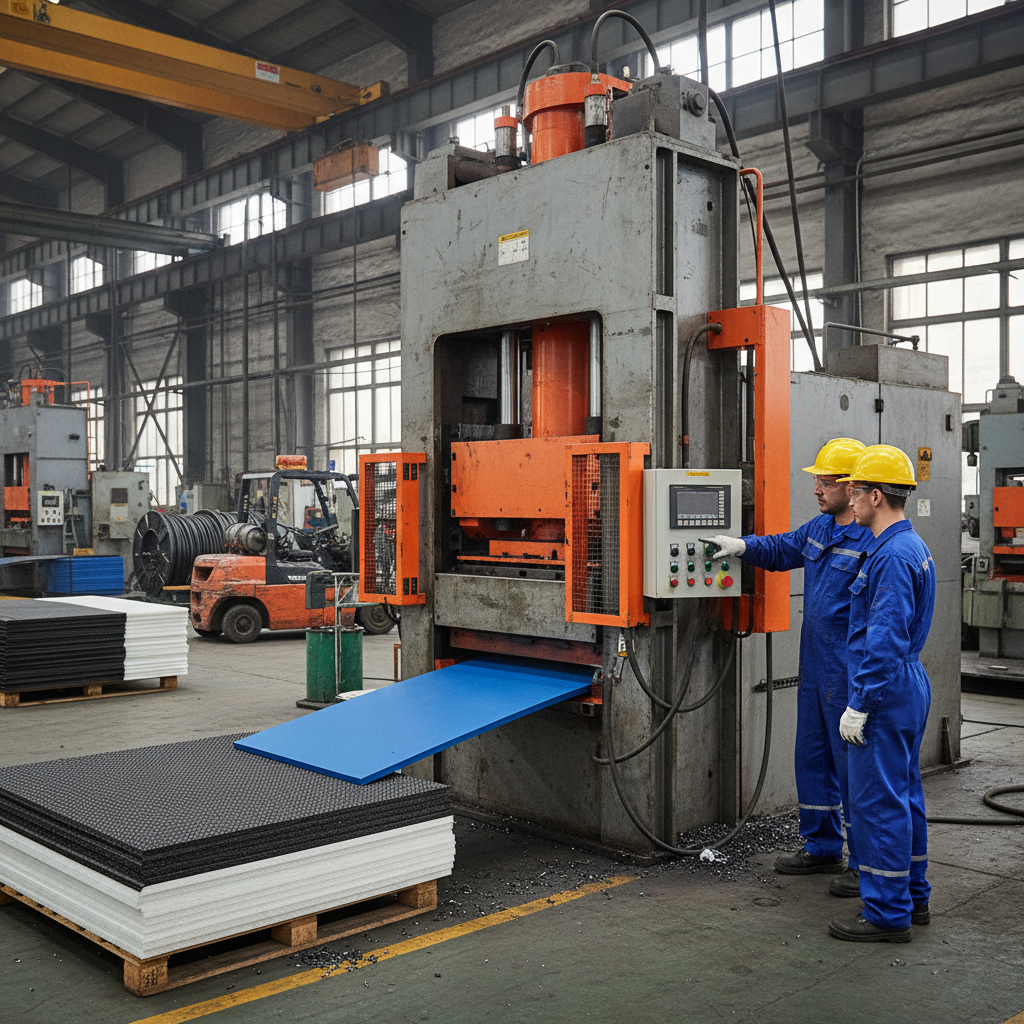
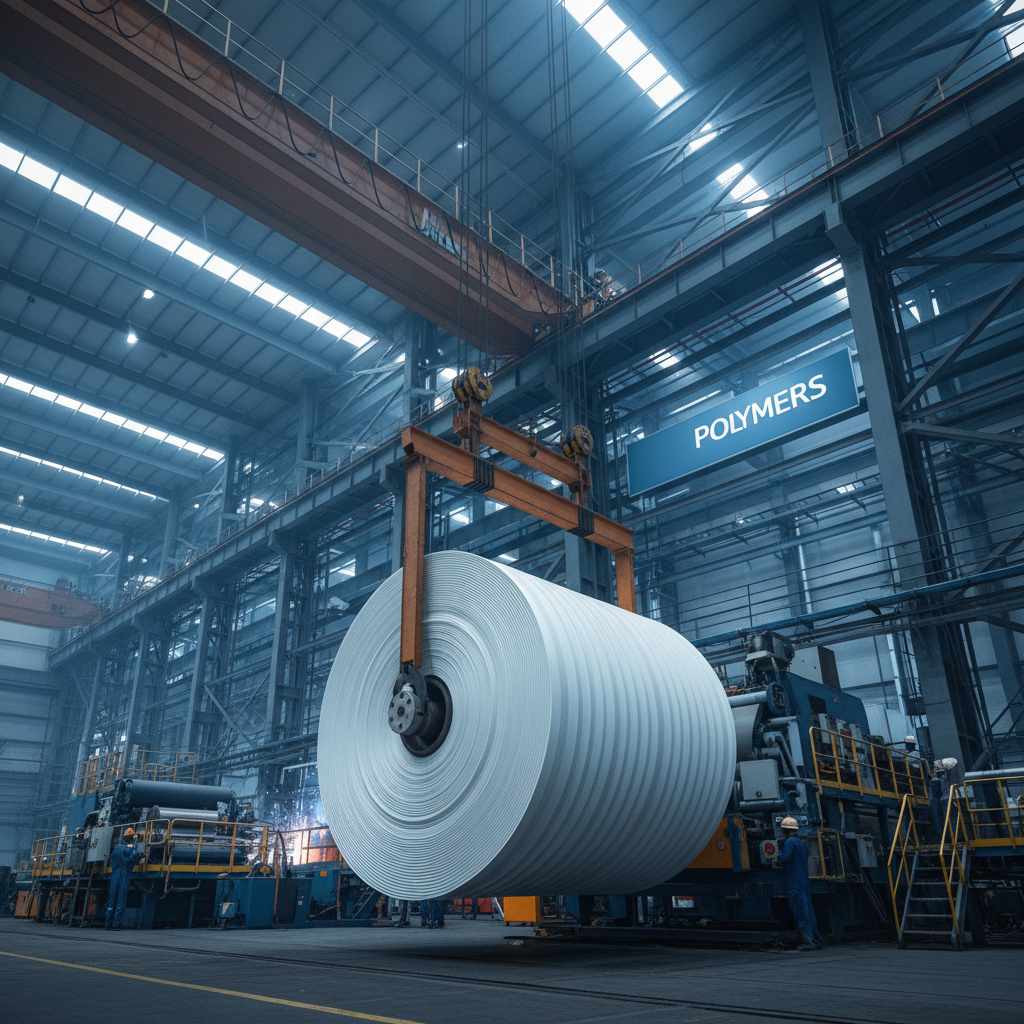
Custom HDPE sheets are produced through an extrusion process where high-density polyethylene resin is melted and forced through a precision die. By adjusting the molecular weight distribution and adding specific stabilizers, manufacturers can create sheets that are either highly flexible or exceptionally rigid, depending on the final application requirements.
Customization typically involves specifying the exact thickness to manage load-bearing capacity and choosing between smooth or textured surfaces to control friction and wear. This precision prevents material waste and ensures that the final component fits perfectly into existing mechanical assemblies.
From a manufacturing perspective, the ability to control the cooling rate during production allows for the management of internal stresses, reducing the likelihood of warping or cracking when the sheets are later machined into complex parts.
2Core Technical Properties and Advantages
The primary advantage of custom HDPE sheets is their exceptional chemical resistance. They are virtually inert to most acids, bases, and solvents, which makes them indispensable for lining chemical tanks or creating laboratory workstations where corrosive spills are common.
Additionally, HDPE offers a very low coefficient of friction, meaning surfaces are naturally "slippery." This is highly beneficial in food processing and conveyor systems where preventing material buildup and ensuring easy cleaning are critical for hygiene standards.
Moisture absorption is nearly zero, ensuring that the sheets do not swell or rot in saturated environments. This stability makes them superior to wood or certain composites in marine and underground infrastructure projects.
3Industrial Application Scenarios
In the water treatment sector, custom HDPE sheets are used to construct wastewater tanks and drainage channels. Their ability to be welded using hot-gas or extrusion welding ensures leak-proof joints that can withstand the hydrostatic pressure of large volumes of fluid.
The food and beverage industry utilizes these sheets for cutting boards and preparation surfaces. Because HDPE is non-toxic and does not harbor bacteria, it meets stringent FDA and international health regulations for direct food contact.
Marine applications include dock bumpers and boat decking, where the material's impact strength prevents damage from vessel collisions and its resistance to saltwater prevents corrosion that would destroy metal alternatives.
4Performance Metrics and Data Analysis
When evaluating custom HDPE sheets, engineers look at the balance between tensile strength and elongation. High-density polyethylene provides a rigid structure that can support significant loads without permanent deformation, while still maintaining enough ductility to absorb shocks.
Data indicates that customized HDPE formulations can significantly outperform generic plastics in harsh environments, particularly regarding the rate of stress cracking and long-term thermal oxidation.
custom hdpe sheets Performance Metrics
The chart above demonstrates how tailored material specifications improve key operational metrics. By optimizing the resin grade and additive package, custom HDPE sheets achieve higher impact resistance and chemical stability compared to industry-standard general-purpose polyethylene.
5Fabrication and Installation Best Practices
Working with custom HDPE sheets requires specific tooling and techniques. Standard CNC machining is highly effective for cutting and drilling, but operators must account for the material's thermal expansion coefficient to avoid precision errors in large-scale assemblies.
For joining sheets, extrusion welding is the gold standard, providing a seam that is nearly as strong as the parent material. This is essential for creating airtight and watertight enclosures in industrial piping and tankage.
When installing, it is recommended to use oversized holes for fasteners to allow the material to expand and contract with temperature changes, preventing the sheets from bowing or cracking under stress.
6Operational Limitations and Trade-offs
Despite its versatility, HDPE has a relatively low melting point compared to plastics like PTFE or PEEK. It is generally not suitable for applications exceeding 80-100°C, as the material will lose structural integrity and begin to soften.
Another consideration is its susceptibility to certain hydrocarbons and strong oxidizing agents. While it resists most acids, specific solvents can cause the material to swell, which may compromise the dimensional accuracy of a custom-machined part.
Lastly, the high thermal expansion rate means that in outdoor environments with extreme temperature swings, the design must incorporate expansion joints to prevent structural failure.
7HDPE vs Alternative Plastic Sheets Selection
Choosing between HDPE and other materials like PP (Polypropylene) or PVC depends on the specific environmental stress. While PP offers better heat resistance, HDPE provides superior impact strength, especially at low temperatures.
PVC is more rigid and easier to bond with adhesives, but it lacks the chemical resilience of HDPE and can be more brittle under high-impact loads.
| Material | Impact Strength | Chemical Resistance | Best Use Case |
|---|---|---|---|
| Custom HDPE | Excellent | High | Tanks, Marine, Food Prep |
| Polypropylene (PP) | Good | Very High | High-Temp Chemical Tanks |
| Rigid PVC | Moderate | Moderate | Electrical Conduit, Signage |
| Acrylic (PMMA) | Low | Low | Transparent Guards, Displays |
| Polycarbonate | Very High | Moderate | Bulletproof Glass, Shields |
| UHMW-PE | Superior | High | Heavy-Duty Wear Strips |
For those requiring a balance of cost-efficiency and extreme durability in corrosive environments, custom HDPE remains the most viable industrial solution. For further technical specifications, visit www.lidaplastic.com.
Frequently Asked Questions
Conclusion
Custom HDPE sheets offer a powerful combination of chemical inertness, impact durability, and fabrication flexibility. By moving beyond standard dimensions and material grades, industries can create components that are perfectly tuned to their operational environment, significantly reducing maintenance costs and increasing system reliability.
Whether you are designing a chemical containment system or a food-grade processing line, the key to success lies in correct specification and thermal welding. For procurement teams seeking high-performance polyethylene solutions, detailed technical data can be found at www.lidaplastic.com.