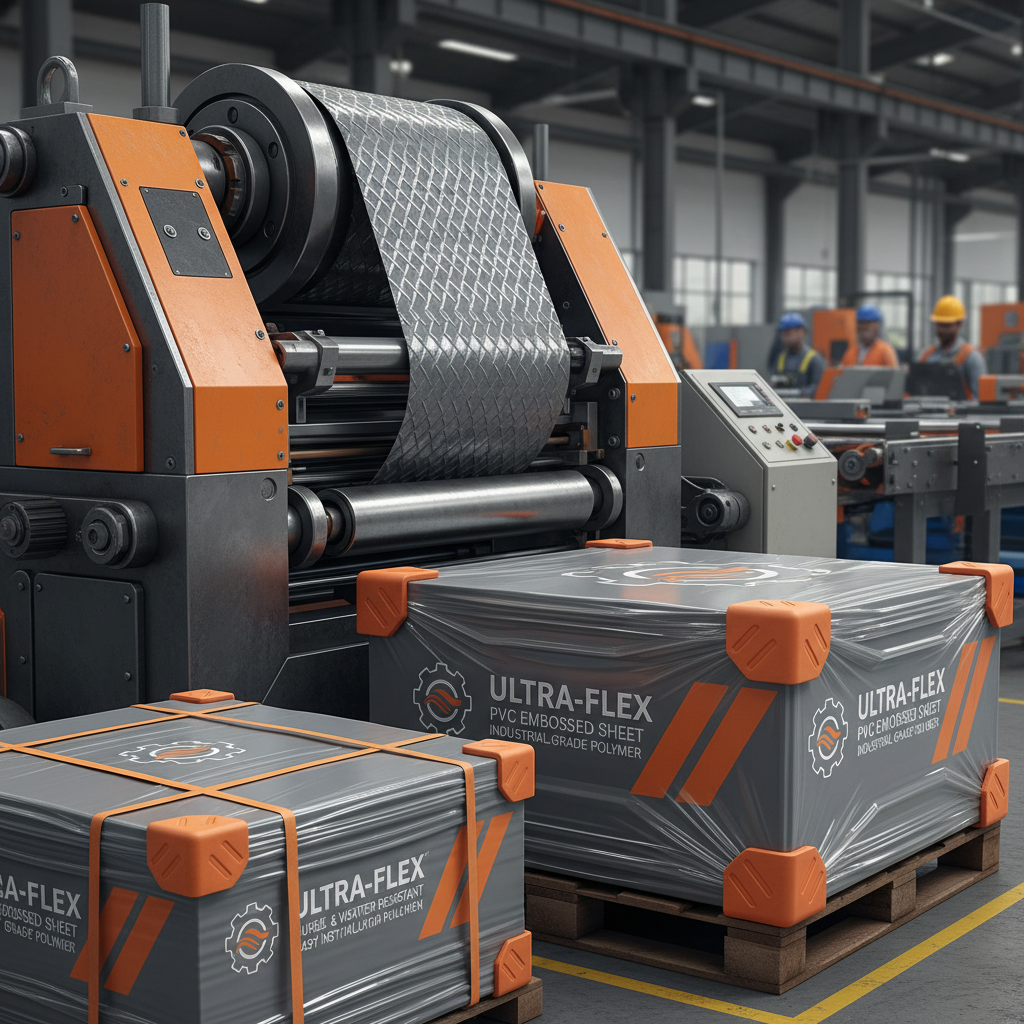
Selecting the right high-density polyethylene (HDPE) materials is critical for projects in the plastics manufacturing sector, where custom hdpe sheets provide a balance of chemical resistance and structural durability. These engineered sheets are widely used in environments ranging from chemical processing units to water supply and drainage projects, where standard sizes often fail to meet specific engineering tolerances.
The primary challenge for procurement officers and engineers is balancing material thickness, UV stabilization, and surface finish against the specific mechanical stresses of the application. Without precise customization, users often face premature material degradation or inefficient installation processes in demanding industrial settings.
This analysis provides a technical framework for specifying custom hdpe sheets, evaluating performance metrics, and establishing a procurement standard that ensures longevity and compliance with international industrial requirements.

Defining Customization Parameters for HDPE

Customization in HDPE sheets extends beyond simple dimensions. It involves the precise adjustment of molecular weight and density to optimize the material for specific environmental stresses. For industrial applications, this means specifying exact thicknesses, edge treatments, and surface textures to ensure the sheet integrates seamlessly into larger assemblies, such as chemical tanks or liner systems.
From a manufacturing perspective, Baoding Lida Plastic Industry Co., Ltd. utilizes advanced extrusion technologies to produce a diverse range of plastic products, ensuring that custom sheets meet the rigid tolerances required for engineering-grade applications in water supply and drainage infrastructure.
Material Properties and Performance Drivers
The effectiveness of custom hdpe sheets is driven by their inherent chemical stability and low moisture absorption. HDPE is naturally resistant to a wide array of acids, bases, and salts, making it an essential material for chemical treatment units. The material's high strength-to-density ratio allows it to withstand significant impact without cracking, which is critical for heavy-duty industrial flooring or protective barriers.
Beyond basic chemistry, performance is enhanced through additives. UV stabilization is essential for outdoor applications to prevent photo-degradation, while specific additives can improve flame retardancy or anti-static properties depending on the safety requirements of the installation site.
Industrial Application Scenarios
Custom hdpe sheets find extensive use in sectors where fluid containment and corrosion resistance are non-negotiable. In water supply and drainage projects, they serve as durable liners and separators. In the food and medical treatment industries, their non-toxic nature and ease of sterilization make them ideal for surface cladding and specialized equipment housings.
Furthermore, the intersection of HDPE sheets with pipe systems—such as HDPE pipe fittings and reinforced spiral corrugated pipes—allows for the creation of fully integrated, leak-proof containment systems. This synergy is particularly evident in sea breeding and farm irrigation, where structural integrity under varying pressure is required.
Evaluating HDPE Selection Priorities
When specifying custom hdpe sheets, engineers must prioritize different attributes based on the operating environment. The following conceptual framework illustrates the relative importance of different performance dimensions across typical industrial use cases.
This relative evaluation shows that while chemical resistance is a baseline requirement for all HDPE applications, UV stability and impact strength become the primary decision drivers for outdoor infrastructure and heavy-industrial logistics respectively.
Fabrication and Welding Integration
One of the most significant advantages of custom hdpe sheets is their weldability. To create airtight or watertight seals, HDPE sheets are typically joined using specialized welding rods. The process involves heat extrusion welding or hot air blowing, which fuses the thermoplastic materials into a single, homogenous structure.
For high-precision projects, utilizing matched welding materials—such as HDPE welding rods—is essential to ensure the joint strength equals the strength of the parent material. This is critical when constructing large-scale plastic containers or industrial water tanks where structural failure at the seams could lead to catastrophic leaks.
Common Specification Overlooks
A frequent error in the procurement of custom hdpe sheets is the failure to account for the coefficient of thermal expansion. HDPE expands and contracts significantly with temperature changes; failure to include expansion joints in the design can lead to buckling or stress fractures in the installed sheets.
Additionally, buyers often overlook the difference between virgin and recycled resins. While recycled HDPE may offer cost advantages, virgin resin is required for applications involving medical treatment or food contact to ensure compliance with purity standards and to maintain consistent mechanical properties across the entire sheet.
HDPE vs Alternative Plastic Sheet Solutions
Choosing between HDPE and other polymers like PP or PVC depends on the specific balance of rigidity, chemical resistance, and environmental exposure. While HDPE offers superior impact strength and flexibility, other materials may be preferred for high-heat or high-transparency requirements.
| Material Type | Primary Strength | Main Limitation | Best Application |
|---|---|---|---|
| HDPE Sheet | Impact Resistance | Lower Heat Deflection | Liners & Water Tanks |
| PP Rigid Sheet | Higher Stiffness | Brittle at Low Temp | Chemical Storage |
| PVC Rigid Sheet | Dimensional Stability | Environmental Impact | Wall Cladding |
| CPVC Sheet | High Temp Resistance | Higher Material Cost | Hot Water Piping |
| PPH Sheet | Superior Chem Resistance | Lower Impact Strength | Industrial Piping |
| PVC Soft Sheet | High Flexibility | Low Structural Load | Curtains & Seals |
This comparison highlights that for general-purpose industrial containment and outdoor durability, custom hdpe sheets typically provide the most reliable long-term ROI due to their versatility and ease of fabrication.
Frequently Asked Questions
Thickness should be based on the expected mechanical load and the fluid pressure the sheet must withstand. For simple liners, thinner sheets suffice, whereas structural components in water tanks require thicker profiles to prevent deformation.
Yes, HDPE is generally recognized as safe for food contact. However, you must specify virgin resin and ensure the manufacturing process adheres to food-grade purity standards to avoid contamination from recycled materials.
Plastic extrusion welding or hot air welding using HDPE welding rods is the industry standard. These methods create a thermal bond that maintains the material's chemical resistance across the joint.
Without UV stabilizers, HDPE can become brittle and crack when exposed to sunlight over time. UV-stabilized sheets incorporate additives that block harmful radiation, significantly extending the service life in outdoor environments.
Lead times depend on the volume and complexity of the specifications. Standard custom sizes are processed faster, while sheets requiring specific additive blends or non-standard thicknesses may take longer due to the extrusion setup.
While HDPE is resistant to most acids and bases, it can be susceptible to certain strong oxidizing agents and specific hydrocarbons. Always verify a chemical compatibility chart for your specific solvent before installation.
Conclusion
Custom hdpe sheets are essential components for modern industrial infrastructure, offering a critical combination of durability, chemical resistance, and fabrication flexibility. By precisely aligning material specifications—such as UV stabilization, thickness, and resin purity—with the actual environmental demands, companies can significantly reduce maintenance costs and prevent structural failures in containment systems.
For organizations evaluating material options for chemical, water treatment, or construction projects, detailed technical specifications are the key to a successful implementation. Further product information and custom capability details can be reviewed at www.lidaplastic.com to ensure project requirements are fully met.