

Mar . 12, 2026 02:15 Back to list
Exploring Perforated HDPE Sheet Applications Benefits and Manufacturing Processes
Understanding Perforated HDPE Sheet: Applications and Benefits
Perforated High-Density Polyethylene (HDPE) sheet is a versatile plastic material widely used in various industrial and commercial applications. Its unique combination of strength, durability, and lightweight properties makes it an excellent alternative to traditional materials like metal. This article delves into the characteristics of perforated HDPE sheet, its manufacturing process, key applications, and benefits, helping you understand why it’s becoming a preferred choice for numerous projects. We’ll explore how its perforations enhance functionality and make it ideal for specific uses.
What is Perforated HDPE Sheet?
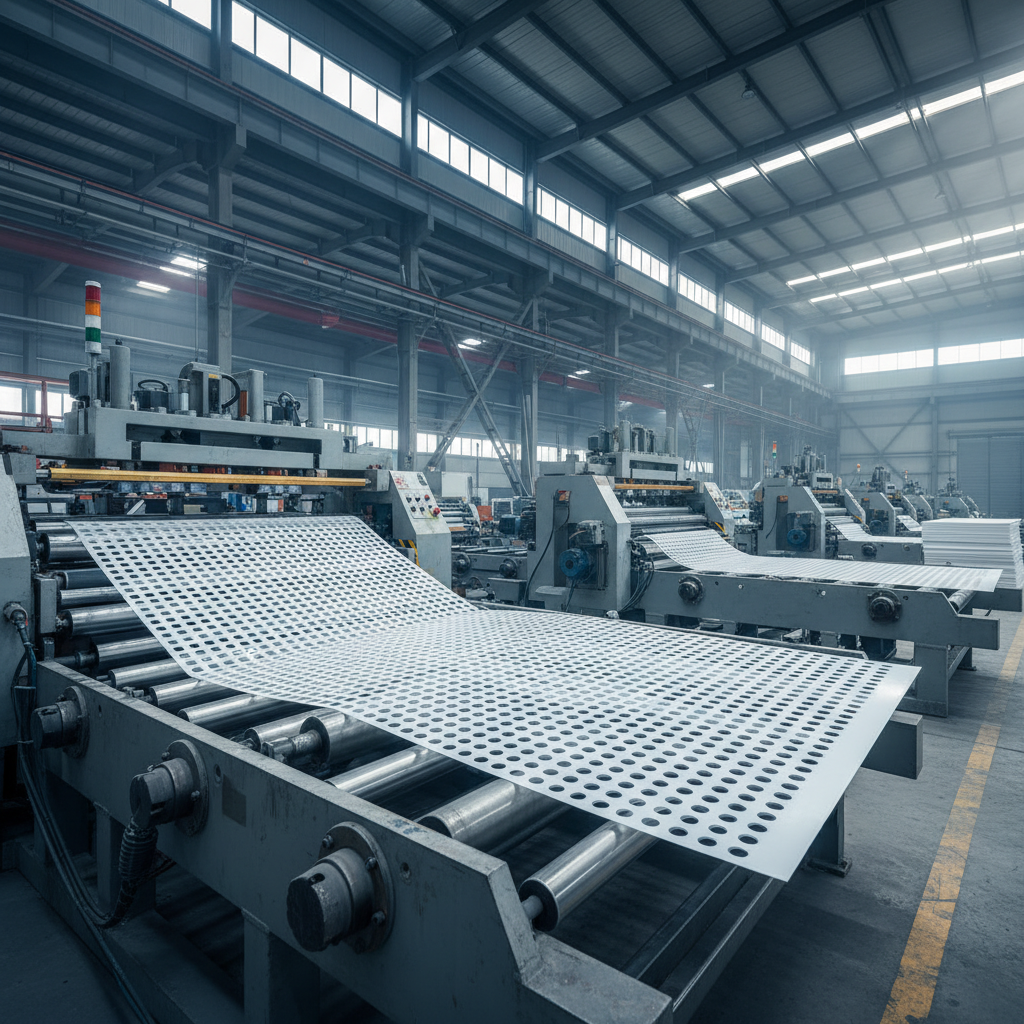
Perforated HDPE sheet is created by punching holes of various sizes and patterns into a solid HDPE sheet. HDPE itself is known for its high strength-to-density ratio, making it incredibly durable and resistant to chemicals, moisture, and impact. The perforations add functionality, allowing for airflow, filtration, sound transmission, or visual access. This engineered plastic is often preferred for its longevity and resistance to corrosion, especially in harsh environments. It's a cost-effective and lightweight solution compared to metal alternatives.
Key Highlights: Durable, chemical resistant, lightweight, and versatile. The perforations provide added functionality for airflow, filtration, and more.
Manufacturing Process of Perforated HDPE Sheets
The production of perforated HDPE sheet involves several key steps. Firstly, high-quality HDPE resin is processed into sheets using extrusion or compression molding. These sheets are then precisely perforated using techniques like CNC machining, laser cutting, or die-punching. The choice of perforation method depends on the required hole size, pattern, and precision. Quality control checks are performed throughout the process to ensure dimensional accuracy and consistent hole distribution. Lida Plastic specializes in custom perforation designs to meet specific application requirements.
Perforation Techniques:
• CNC Machining: For precise and complex patterns.
• Laser Cutting: Ideal for intricate designs and smooth edges.
• Die-Punching: Cost-effective for high-volume production of simple patterns.
Applications of Perforated HDPE Sheet
Perforated HDPE sheet finds applications across a diverse range of industries. In agriculture, it's used for greenhouse ventilation and filtration systems. The food and beverage industry utilizes it for creating drainage surfaces and separating components. Construction benefits from its use in scaffolding, protective barriers, and sound dampening. Additionally, it’s common in wastewater treatment plants for filtration and media support structures, and in the marine industry for creating durable and corrosion-resistant components. Its versatile nature continues to expand its use in innovative applications.
Benefits of Using Perforated HDPE Sheet
Choosing perforated HDPE sheet offers numerous advantages over traditional materials. Its excellent chemical resistance ensures longevity in harsh environments. The material is lightweight, making it easy to handle and install, reducing labor costs. Its durability and resistance to impact minimize the need for frequent replacements, resulting in long-term cost savings. Furthermore, HDPE is a recyclable material, making it an environmentally friendly choice. Contact Lida Plastic today for a free quote.
Product Specifications and Available Options
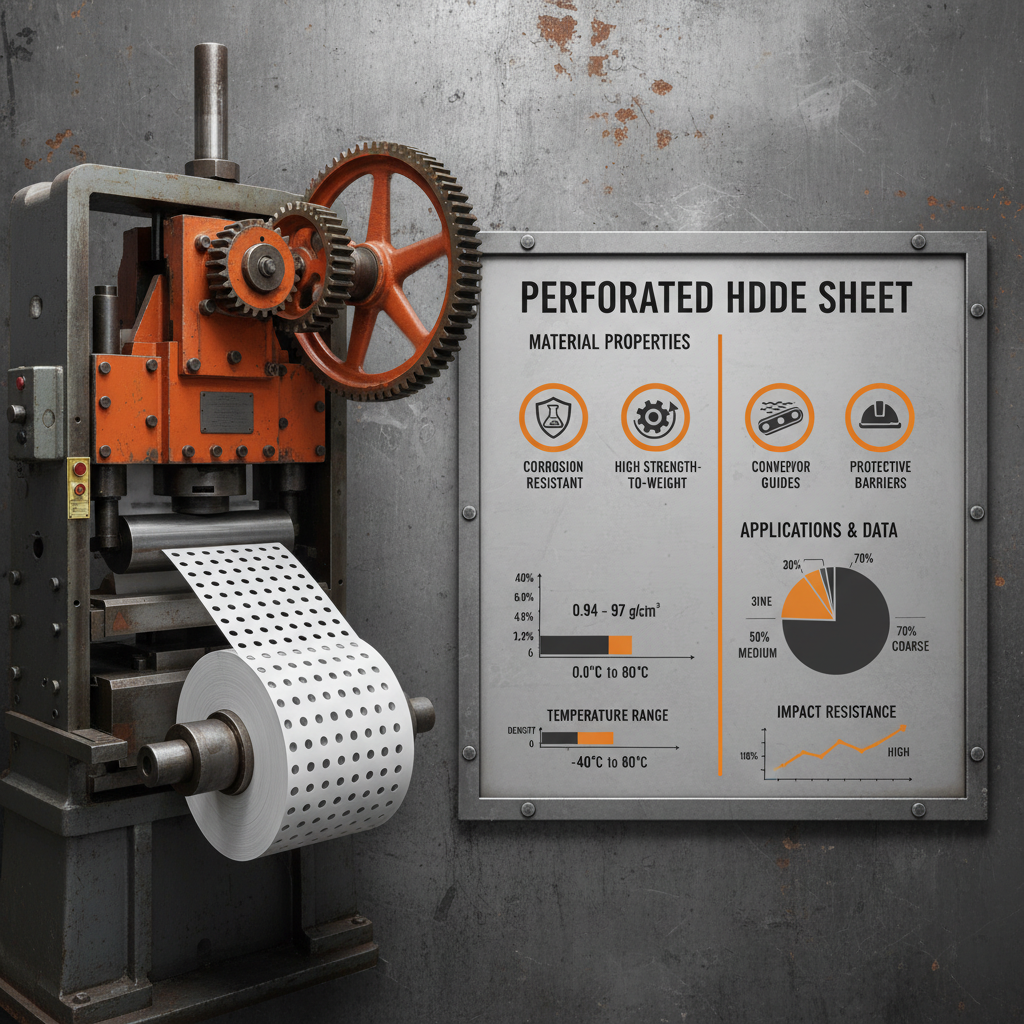
We offer a wide range of perforated HDPE sheet specifications to meet diverse requirements. These include varying sheet thicknesses, hole sizes, perforation patterns, and sheet dimensions. Customization options are readily available to suit your specific needs. Below is a general overview of standard specifications:
Conclusion: The Versatile Solution for Your Needs
Perforated HDPE sheet presents a cost-effective, durable, and versatile solution for a multitude of applications. Its unique properties and customizable options make it an ideal choice for industries seeking a reliable and long-lasting material. From enhancing airflow to providing filtration and support, this engineered plastic offers a range of benefits that contribute to increased efficiency and cost savings. Choose Lida Plastic for quality and expertise.
Frequently Asked Questions (FAQs)
What is the typical lead time for custom perforated HDPE sheets?
The lead time for custom orders depends on the complexity of the perforation pattern, the required quantity, and our current production schedule. Typically, standard custom orders can be completed within 2-3 weeks. For large or highly complex orders, the lead time may be longer. We provide accurate lead time estimates upon receiving your specific requirements and specifications. We prioritize efficient production to minimize turnaround times without compromising quality.
Can perforated HDPE sheet be used outdoors?
Yes, HDPE is highly resistant to UV radiation and weathering, making perforated HDPE sheet suitable for outdoor applications. However, prolonged exposure to direct sunlight may cause some color fading over time. We recommend considering UV stabilizers in the HDPE formulation for extended outdoor use, especially in harsh climates. The material’s inherent water resistance also ensures it can withstand exposure to rain and humidity without degradation.
What are the weight limitations for perforated HDPE sheet?
The weight limitations depend on the thickness of the sheet, the size of the perforations, and the load distribution. Generally, HDPE is a strong and durable material that can support significant weight. However, it’s crucial to consider the specific application and consult with an engineer to ensure the chosen sheet meets the required load-bearing capacity. We can provide technical data and support to help you determine the appropriate sheet specifications for your needs.
-
Ultimate Guide to High Performance Industrial pvc dowel rods
NewsApr.16,2026
-
Industrial Guide to Using High Quality cpvc welding rod for Piping
NewsApr.09,2026
-
Comprehensive Guide to Selecting the Best Welding Rods for PVC Applications
NewsApr.07,2026
-
Comprehensive Guide to Solid PVC Rod Applications and Material Selection
NewsApr.04,2026
-
Comprehensive Guide to Choosing the Right Welding Rod PVC for Optimal Results
NewsMar.31,2026
-
Comprehensive Guide to 12mm HDPE Sheet Properties Applications and More
NewsMar.28,2026