

Apr . 07, 2026 02:15 Back to list
Comprehensive Guide to Selecting the Best Welding Rods for PVC Applications
Choosing the Right Welding Rods for PVC: A Comprehensive Guide
When working with PVC (Polyvinyl Chloride), selecting the correct welding rods for PVC is crucial for achieving strong, durable, and leak-proof joints. The quality of the rod directly impacts the integrity of the finished product. This article will explore the different types of PVC welding rods, factors to consider when choosing, and best practices for successful PVC welding. Understanding these factors will help you make informed decisions and ensure the longevity of your PVC projects.
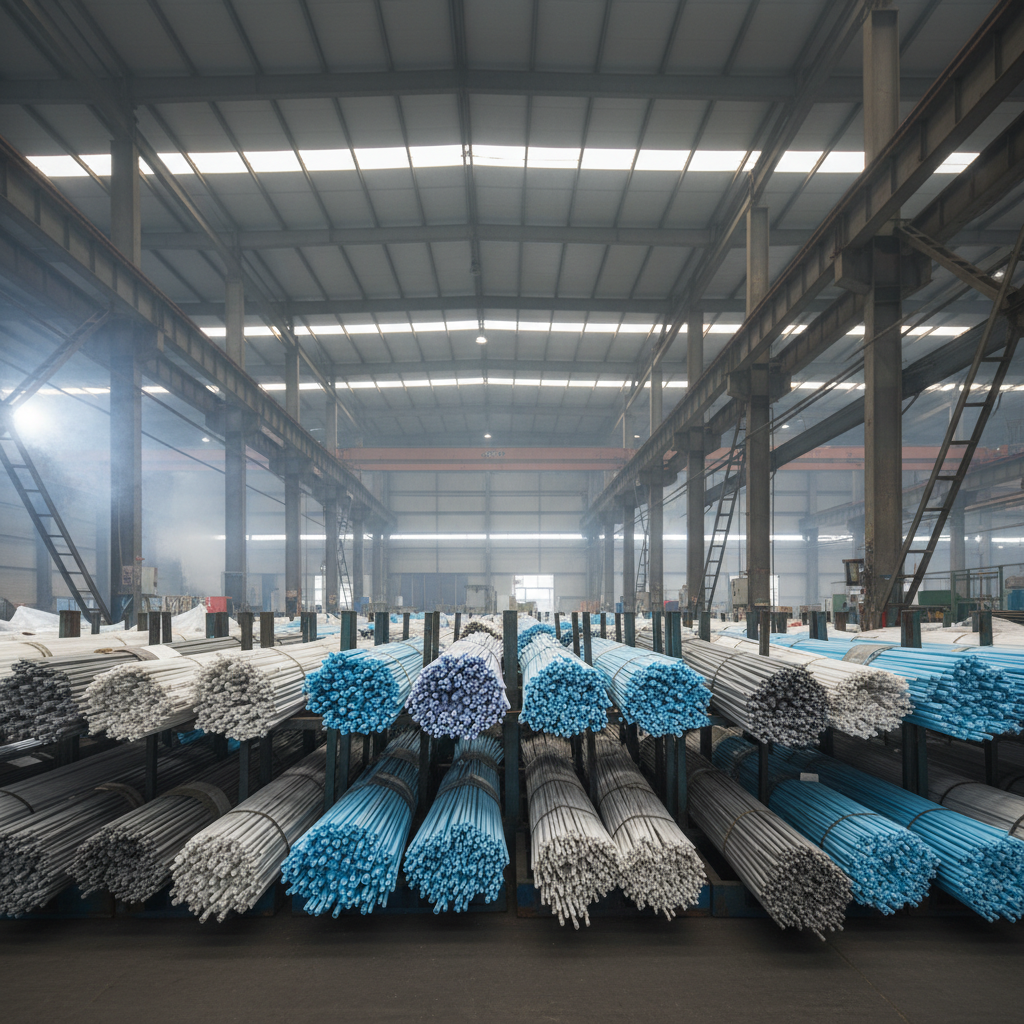
Understanding PVC Welding Rod Composition
PVC welding rods aren't one-size-fits-all. They're formulated with different compositions to suit specific PVC types and applications. The most common types are based on the PVC resin used – Schedule 40, Schedule 80, and CPVC. Schedule 40 is typically used for lower-pressure applications like irrigation and drainage, while Schedule 80 is for higher-pressure systems. CPVC (Chlorinated Polyvinyl Chloride) is designed for hot water applications and requires specific CPVC welding rods. Using the wrong rod can result in a weak weld that's prone to failure. Lida Plastic offers a comprehensive range of PVC welding rods to match your project needs.
Key Takeaway: Always verify the type of PVC you're welding and choose a rod specifically designed for that type to ensure a strong and lasting bond.
Factors to Consider When Choosing Welding Rods for PVC
Several factors influence the ideal welding rod selection. Beyond the PVC schedule, consider the application's environmental conditions. Will the weld be exposed to UV radiation or harsh chemicals? Some rods are formulated with UV stabilizers for outdoor use, while others offer enhanced chemical resistance. The welding technique also plays a role; some rods are better suited for hot gas welding, while others are ideal for socket welding. Finally, the diameter of the rod should be compatible with your welding equipment. Choosing the right rod ensures a high-quality weld that can withstand the intended operating conditions.
Key Considerations:
• PVC Schedule (40, 80, CPVC)
• Environmental Exposure (UV, Chemicals)
• Welding Technique (Hot Gas, Socket)
• Rod Diameter & Equipment Compatibility
Comparing Popular PVC Welding Rod Types
Different manufacturers offer a variety of welding rods for PVC. Here's a comparison of common types, their applications, and key features:
Best Practices for Welding with PVC Rods
Proper welding technique is as crucial as selecting the right rod. Always clean and bevel the edges of the PVC pipe and fittings before welding. Use a consistent welding speed and pressure to ensure a uniform bead. Allow the weld to cool completely before applying any stress. Finally, visually inspect the weld for any defects like porosity or cracks. Following these best practices will result in strong, reliable PVC joints. Lida Plastic provides detailed guidance and support on PVC welding techniques.
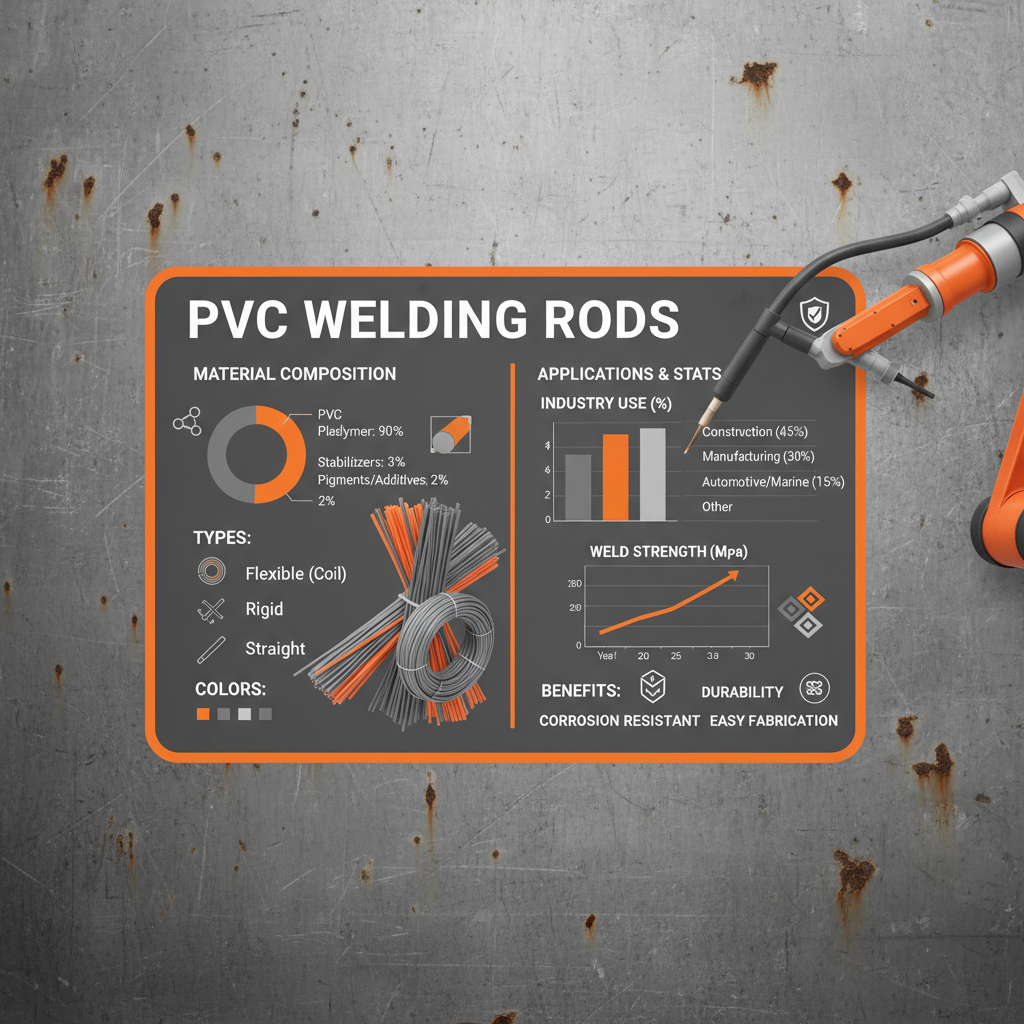
Where to Source High-Quality Welding Rods for PVC
Choosing a reputable supplier is vital to ensure you receive consistent, high-quality welding rods for PVC. Lida Plastic is a leading provider of PVC piping systems and accessories, including a wide selection of welding rods. We offer competitive pricing, expert technical support, and fast shipping. Contact us today to discuss your project needs and find the perfect welding rods for your application.
Conclusion: Ensuring Successful PVC Welding
Selecting the right welding rods for PVC is paramount for creating durable, leak-proof joints. By understanding the different types of rods, considering application-specific factors, and adhering to best practices, you can ensure the success of your PVC projects. Invest in quality materials and expert guidance to achieve long-lasting results.
Frequently Asked Questions (FAQs)
What’s the difference between Schedule 40 and Schedule 80 PVC rods?
Schedule 40 PVC rods are designed for lower-pressure applications such as irrigation and drainage systems, and are more cost-effective. Schedule 80 PVC rods have thicker walls and are designed for higher-pressure applications, such as industrial piping or chemical processing. They offer greater strength and durability. Always select the rod that matches the schedule of the PVC pipe you are welding to ensure a secure and reliable joint.
Can I use the same welding rod for both PVC and CPVC?
No, you cannot. PVC and CPVC have different chemical compositions, and require specific welding rods formulated for each material. Using a PVC rod on CPVC, or vice versa, will result in a weak and unreliable weld. CPVC rods are designed to withstand higher temperatures and provide a stronger bond with CPVC pipe.
What is the best welding technique for different PVC rod types?
Hot gas welding is generally recommended for Schedule 40 and 80 PVC rods, as it provides consistent heat and allows for precise control of the weld bead. Socket welding is suitable for smaller diameter pipes and fittings. CPVC rods often require a slightly slower welding speed to ensure proper fusion. Always refer to the manufacturer’s guidelines for the specific rod you are using.
-
Ultimate Guide to High Performance Industrial pvc dowel rods
NewsApr.16,2026
-
Industrial Guide to Using High Quality cpvc welding rod for Piping
NewsApr.09,2026
-
Comprehensive Guide to Selecting the Best Welding Rods for PVC Applications
NewsApr.07,2026
-
Comprehensive Guide to Solid PVC Rod Applications and Material Selection
NewsApr.04,2026
-
Comprehensive Guide to Choosing the Right Welding Rod PVC for Optimal Results
NewsMar.31,2026
-
Comprehensive Guide to 12mm HDPE Sheet Properties Applications and More
NewsMar.28,2026
 Afrikaans
 Albanian
 Amharic
 Arabic
 Armenian
 Azerbaijani
 Basque
 Belarusian
 Bengali
 Bosnian
 Bulgarian
 Catalan
 Cebuano
 Corsican
 Croatian
 Czech
Czech
 Danish
 Dutch
Dutch
 Esperanto
 Estonian
 Finnish
 French
 Frisian
 Galician
 Georgian
 German
 Greek
Greek
 Gujarati
 Haitian Creole
 Hausa
Hausa
 Hawaiian
 Hebrew
 Hindi
Hindi
 Miao
Miao
 Hungarian
 Icelandic
 Igbo
Igbo
 Indonesian
 Irish
Irish
 Italian
 Japanese
 Javanese
 Kannada
 Kazakh
 Khmer
Khmer
 Rwandese
 Korean
 Kurdish
 Kyrgyz
 Lao
Lao
 Latin
Latin
 Latvian
 Lithuanian
 Luxembourgish
 Macedonian
 Malgashi
 Malay
Malay
 Malayalam
 Maltese
 Maori
Maori
 Marathi
 Mongolian
 Myanmar
 Nepali
 Norwegian
 Norwegian
 Occitan
 Pashto
 Persian
 Polish
 Portuguese
 Punjabi
 Romanian
 Russian
 Samoan
 Scottish Gaelic
 Serbian
 Sesotho
 Shona
Shona
 Sindhi
 Sinhala
 Slovak
 Slovenian
 Somali
 Spanish
 Sundanese
 Swahili
 Swedish
 Tagalog
 Tajik
Tajik
 Tamil
Tamil
 Tatar
Tatar
 Telugu
 Thai
Thai
 Turkish
 Turkmen
 Ukrainian
 Urdu
Urdu
 Uighur
 Uzbek
Uzbek
 Vietnamese
 Welsh
Welsh
 Bantu
Bantu
 Yiddish
 Yoruba
 Zulu
Zulu
 English