

Apr . 09, 2026 02:25 Back to list
Industrial Guide to Using High Quality cpvc welding rod for Piping
Mastering Industrial Piping: The Ultimate Guide to CPVC Welding Rod
In the world of high-temperature fluid handling and chemical processing, the integrity of a joint can determine the safety of an entire facility. Utilizing a high-quality cpvc welding rod is essential for creating seamless, leak-proof bonds in Chlorinated Polyvinyl Chloride (CPVC) systems. Unlike standard solvent cementing, welding provides a fused connection that enhances structural strength and thermal resistance. Whether you are managing a commercial plumbing project or an industrial chemical line, understanding the nuances of CPVC welding is critical for long-term durability and operational efficiency.
What is a CPVC Welding Rod and How Does It Work?
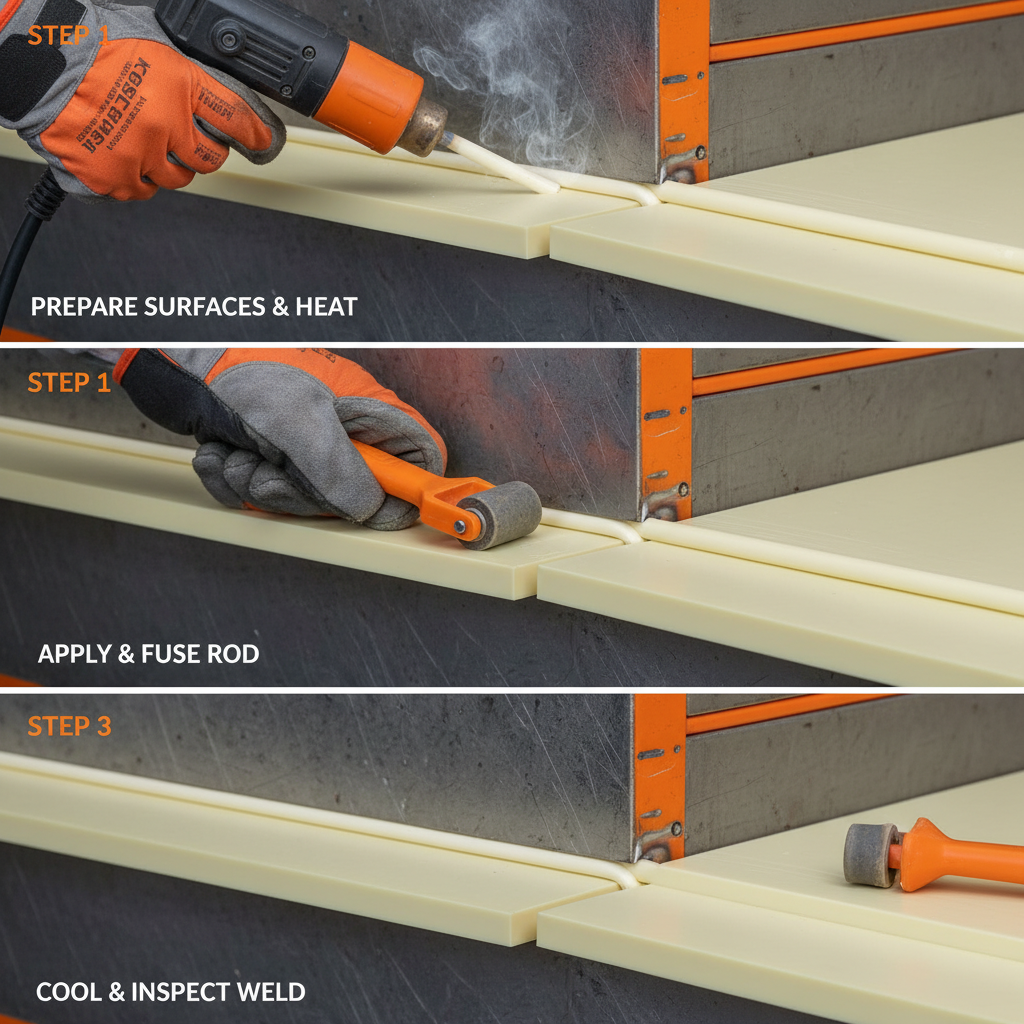
A cpvc welding rod is a specialized thermoplastic filler material used in hot-gas welding or extrusion welding. The process involves heating both the base CPVC material and the welding rod to a molten state using a professional heat gun or welding extruder. As the rod melts into the joint, it creates a molecular bond that is practically identical to the original pipe material. This homogeneous fusion eliminates the "weak points" often found in adhesive joints, making it the preferred method for high-pressure applications where failure is not an option.
Pro Tip: Always ensure the welding rod is from the same manufacturer or chemical grade as the piping to prevent thermal expansion mismatches and ensure a perfect chemical bond.
Comparing Solvent Welding vs. CPVC Welding Rod Fusion
While solvent welding is common for residential plumbing, industrial standards often demand the use of a cpvc welding rod for specialized repairs and heavy-duty fabrication. Solvent welding relies on a chemical reaction to "melt" surfaces together, but it can leave residues and is susceptible to degradation if the solvent is not applied perfectly. In contrast, thermal welding with a rod creates a fused mass that maintains the full mechanical properties of the CPVC polymer across the joint.
Key Applications of CPVC Welding Rods in Industry
The use of a cpvc welding rod extends far beyond simple pipe joining. It is widely used in the fabrication of custom CPVC tanks, chemical storage vessels, and complex manifold systems. In these scenarios, the welding rod allows technicians to seal corners and seams that cannot be reached by traditional fittings. Furthermore, it is the primary tool for emergency leak repairs in existing CPVC lines, allowing for a localized "plug" to be welded over a crack without replacing the entire section of piping.
Step-by-Step Process for Using a CPVC Welding Rod
To achieve a professional-grade weld, precision and temperature control are paramount. Using a cpvc welding rod requires a systematic approach: first, the joint must be cleaned of all contaminants and "V-grooved" to allow the rod to penetrate deeply. Second, a calibrated heat gun is used to preheat the base material. As the welding rod is introduced, it must be fed at a consistent angle, ensuring the molten plastic flows smoothly into the groove. Finally, the joint is cooled slowly to prevent internal stresses and shrinkage.
Crucial Welding Tips:
• Temperature: Maintain heat between 240°C to 280°C depending on wall thickness.
• Angle: Hold the rod at a 90-degree angle to the surface for maximum penetration.
• Cleaning: Use isopropyl alcohol to remove oils before welding.
Technical Specifications of Industrial CPVC Welding Rods
Not all welding rods are created equal. High-performance cpvc welding rods are engineered to maintain chemical resistance and thermal stability. Below is a detailed specification table showing the typical properties of industrial-grade rods used in corrosive environments.
Choosing the Right Supplier for Your CPVC Welding Rod
Selecting the right cpvc welding rod supplier is just as important as the welding process itself. Inconsistent rod quality can lead to "cold joints," which are prone to cracking under thermal stress. When sourcing, prioritize suppliers who provide clear technical data sheets and certifications of material purity. A reliable partner like Lida Plastic ensures that every rod is manufactured to strict tolerances, guaranteeing that your piping systems remain safe and operational for decades, regardless of the harsh chemicals they transport.
Conclusion: Elevating Piping Standards with Thermal Welding
The transition from simple adhesives to the use of a professional cpvc welding rod represents a significant upgrade in industrial piping quality. By focusing on molecular fusion rather than surface bonding, engineers can ensure superior pressure resistance and chemical stability. Whether for new installations or critical repairs, investing in high-grade welding materials is the only way to guarantee total system integrity. For those seeking the pinnacle of CPVC solutions, Lida Plastic provides the expertise and materials necessary to build a safer, more durable infrastructure.
Frequently Asked Questions (FAQs)
Can I use a PVC welding rod on a CPVC pipe?
No, you must never use a PVC welding rod on CPVC materials. CPVC (Chlorinated Polyvinyl Chloride) has a significantly higher chlorine content and a higher heat deflection temperature than standard PVC. If you use a PVC rod, the joint will not fuse properly because the melting points differ. This will lead to a weak bond that will almost certainly fail when exposed to the heat or pressure levels that CPVC systems are typically designed to handle. Always use a dedicated cpvc welding rod for these applications.
How do I know if my CPVC weld is successful?
A successful weld should appear as a smooth, integrated bead of plastic that blends seamlessly into the base material. There should be no visible gaps, bubbles, or "cold" spots where the rod simply sat on top of the pipe without melting in. Professionals often use a pressure test or an ultrasonic leak detector to verify the integrity of the weld. Visually, a well-executed weld using a cpvc welding rod will have a slight concave or flat profile, indicating the rod was properly fused into the V-groove.
What is the best way to store CPVC welding rods?
CPVC welding rods should be stored in a cool, dry place away from direct sunlight. UV radiation can degrade the polymers over time, making the rod brittle and affecting its welding properties. It is recommended to keep them in their original packaging or in an airtight container to prevent the absorption of moisture or contaminants from the air. Proper storage ensures that the cpvc welding rod maintains its optimal chemical composition for a perfect weld every time.
Do I need special certification to perform CPVC welding?
While anyone can physically use a welding rod, industrial projects usually require technicians to be certified in thermoplastic welding. This ensures they understand temperature management, material safety, and joint preparation. Certification proves that the operator can consistently produce welds that meet ASTM or ISO standards. If you are working on a high-pressure chemical line, utilizing a certified professional with high-quality materials from Lida Plastic is the best way to mitigate risk and ensure compliance with safety regulations.
-
Ultimate Guide to High Performance Industrial pvc dowel rods
NewsApr.16,2026
-
Industrial Guide to Using High Quality cpvc welding rod for Piping
NewsApr.09,2026
-
Comprehensive Guide to Selecting the Best Welding Rods for PVC Applications
NewsApr.07,2026
-
Comprehensive Guide to Solid PVC Rod Applications and Material Selection
NewsApr.04,2026
-
Comprehensive Guide to Choosing the Right Welding Rod PVC for Optimal Results
NewsMar.31,2026
-
Comprehensive Guide to 12mm HDPE Sheet Properties Applications and More
NewsMar.28,2026