The global infrastructure landscape is witnessing a significant shift in fluid transport systems, where the selection of a reliable pvc pipe company now depends on more than just basic material availability. As urban drainage and chemical processing requirements become more stringent, the industry is moving toward high-performance thermoplastic composites that offer superior longevity and chemical stability.
This transition is driven by the need to reduce leakage rates in municipal water supply and prevent corrosion in industrial waste systems. The technical challenge lies in balancing structural rigidity with the flexibility required for seismic resilience and thermal expansion, pushing manufacturers to refine their extrusion and compounding processes.
This analysis examines the current technical benchmarks for thermoplastic piping systems and provides a framework for evaluating supplier capabilities. For those integrating specialized components, exploring high-grade materials like an pvc pipe company solution ensures systemic compatibility and joint integrity.


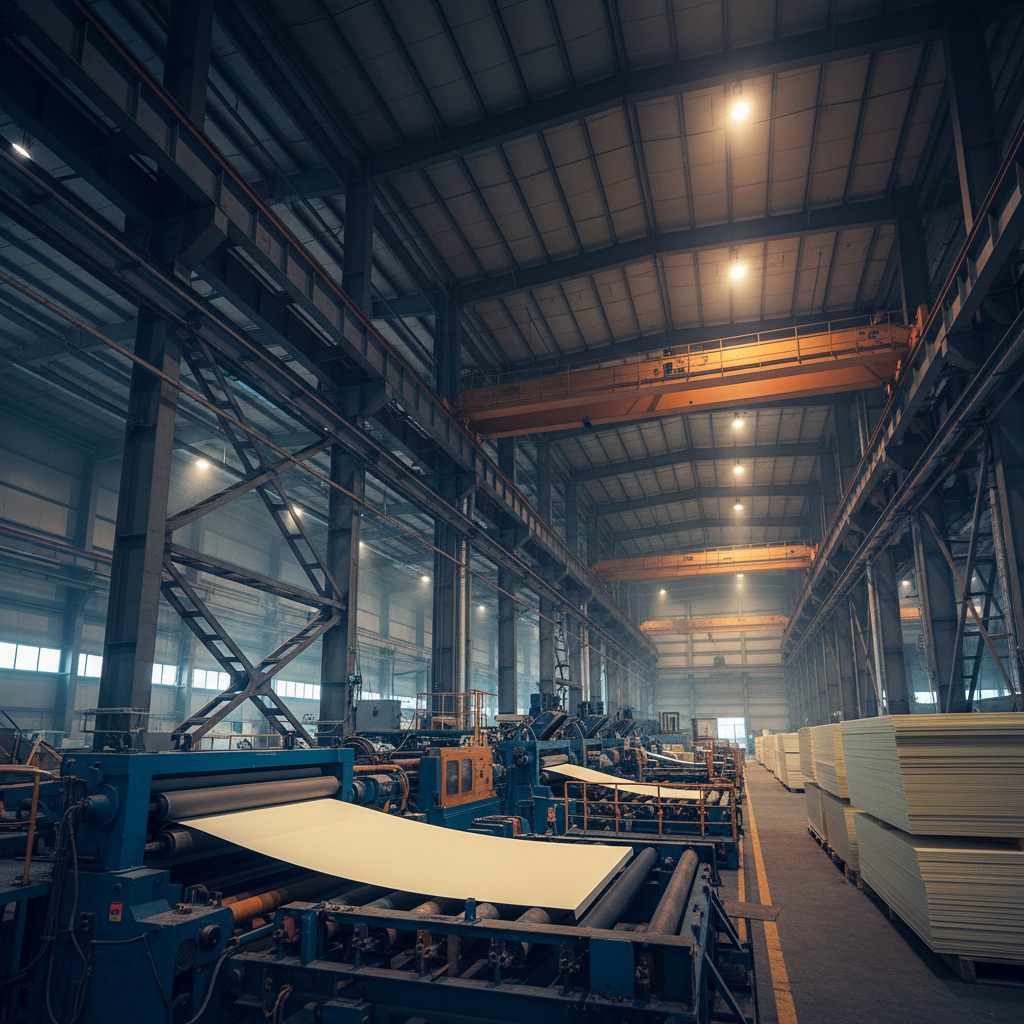
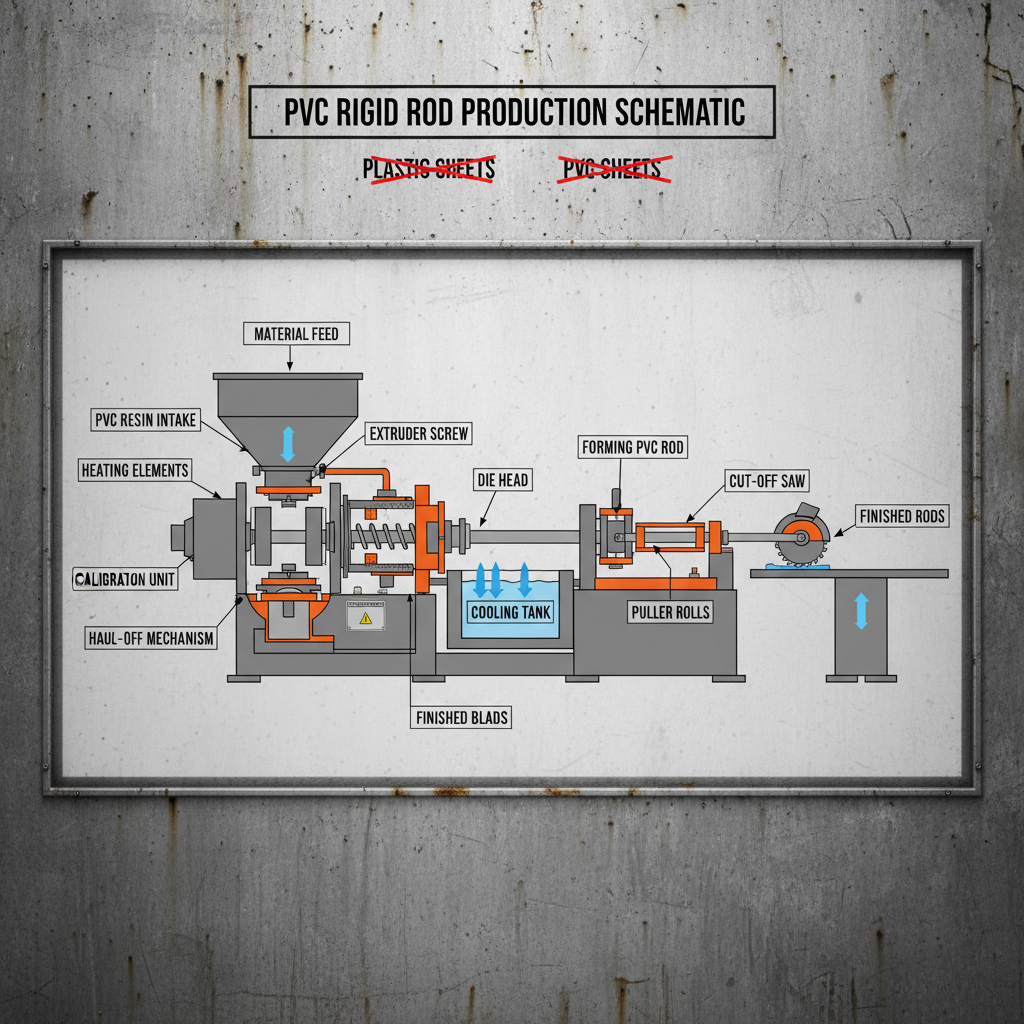
The core of modern pipe production lies in the precision of the extrusion process. By utilizing high-grade polymers and specific color masterbatches, materials are subjected to controlled heating and plasticization before being forced through a die to create a continuous profile.
This process requires strict temperature management across multiple zones—typically ranging from 160°C to 190°C—to ensure uniform molecular distribution and prevent thermal degradation of the polymer chain.
Engineering a piping system requires a deep understanding of the relationship between material density and pressure ratings. For instance, the wall thickness of a pipe directly determines its ability to withstand internal hydrostatic pressure and external soil loads in buried applications.
Beyond dimensions, chemical resistance is a paramount specification. The ability of the polymer to resist stress crazing when exposed to corrosive agents determines the operational lifespan of the system, particularly in chemical processing plants.
Furthermore, the coefficient of friction within the pipe bore affects the flow rate and energy efficiency of the pumping system. Low-friction surfaces reduce turbulence and head loss, which is critical for large-scale irrigation and water supply projects.
The most frequent point of failure in any piping network is the joint. Traditional solvent welding and mechanical couplings are often insufficient for high-pressure or high-temperature environments.
Achieving this level of integrity requires precise control over the welding temperature and the speed of the extrusion bead. Improper cooling stages can induce internal stresses, leading to premature cracking or joint failure under cyclic loading.
Comparing different polymer profiles reveals distinct trade-offs in mechanical behavior. While some materials excel in abrasive resistance, others provide superior shock absorption in low-temperature environments.
The following assessment utilizes a normalized engineering score to evaluate common plastic profiles across key performance indicators.
In typical deployment scenarios, thermoplastic piping is integrated into complex networks for geomembrane welding, tank construction, and chemical transport. For instance, in wastewater treatment plants, the use of corrosion-resistant HDPE or UPVC prevents the degradation caused by sulfuric acid and other aggressive effluents.
Another representative engineering scenario is the installation of agricultural irrigation systems, where pipes must withstand both UV exposure and fluctuating soil pressures. The integration of reinforced spiral corrugated pipes with steel belts provides the necessary structural support for high-load environments without sacrificing the benefits of plastic materials.
The industry is currently exploring the integration of nano-composites to further enhance the mechanical properties of PVC and HDPE. By incorporating carbon nanotubes or graphene, manufacturers aim to increase tensile strength while reducing the overall wall thickness.
Another emerging R&D direction is the development of smarter polymers with embedded sensing capabilities. These materials could potentially signal structural fatigue or leakages in real-time, shifting the maintenance paradigm from reactive to predictive.
Regulatory pressures regarding environmental sustainability are also driving the shift toward bio-based polymers and enhanced recycling processes. The goal is to maintain the rigorous performance standards of a pvc pipe company while reducing the carbon footprint of the production cycle.
Selecting the appropriate piping configuration requires a systematic comparison of performance profiles against the specific demands of the application environment.
The following matrix provides a framework for comparing different configuration profiles based on standard industrial requirements.
Buyers should prioritize the "Recommended Use Case" column to align the technical capability of the product with their operational goals.
| Configuration Type | Primary Material | Performance Focus | Recommended Use Case |
|---|---|---|---|
| Basic Configuration | Standard PVC | Cost Efficiency | Residential Drainage |
| High-Duty Profile | HDPE Reinforced | Structural Rigidity | Industrial Waste Lines |
| Precision Grade | UPVC Chemical | Corrosion Resistance | Laboratory Piping |
| Thermal-Optimized | CPVC | Heat Stability | Hot Water Distribution |
| Environmental Grade | UV-Stabilized PP | Weather Resistance | Outdoor Irrigation |
| Industry Baseline | Mixed Thermoplastic | General Versatility | General Construction |
The optimal temperature depends on the specific polymer. For HDPE, the first section of the extruder typically operates between 160-170°C, with the second section at 170-180°C, and the head temperature maintained between 170-190°C. Deviating from these ranges can lead to inadequate fusion or material degradation, compromising the joint's structural integrity.
UV stabilization involves adding specific absorbers or stabilizers to the polymer matrix to prevent photo-oxidation. Without this, exposure to ultraviolet radiation breaks the polymer chains, leading to surface cracking, discoloration, and a significant loss in tensile strength. UV-stabilized products are essential for any application exposed to direct sunlight.
PVC-O (Oriented PVC) is produced through a process that re-orients the molecular structure, resulting in higher impact strength and better hydraulic capacity due to thinner walls. PVC-U (Unplasticized PVC) is the standard rigid form. PVC-O is generally preferred for high-pressure water mains due to its superior fatigue resistance.
No, welding rods must be chemically compatible with the base material. Polyethylene (HDPE/LDPE) rods are designed for polyethylene materials. Attempting to weld PVC with PE rods will fail to create a molecular bond, as the two polymers are chemically distinct and do not fuse. Always match the rod material to the pipe material.
Cooling should be carried out in stages to avoid thermal shock. A common professional approach involves a two-stage process: first, using a hot water spray (approximately 40-60°C) to slowly lower the temperature, followed by a cold water bath. The final cut should be performed at room temperature to ensure dimensional stability.
Look for ISO9001 for quality management and ISO14001 for environmental management. For specific product safety and material compliance, ROHS certification is critical for electronics-related applications. Additionally, verify if the manufacturer has contributed to or follows national and international standards for plastic sheet and pipe production.
The effectiveness of a thermoplastic piping network is determined by the synergy between material selection, extrusion precision, and jointing technology. As the industry evolves, the focus is shifting from simple material replacement to the implementation of high-performance systems that prioritize long-term chemical stability and structural reliability.
For engineers and procurement officers, the practical implication is clear: the focus must move beyond the unit price to a lifecycle cost analysis that includes installation integrity and maintenance intervals. Partnering with a technically proficient pvc pipe company allows for the deployment of systems that meet these rigorous modern standards.