

Sep . 14, 2025 10:00 Back to list
PPH Sheet: High Chemical & Temperature Resistant Polypropylene Sheets
The Evolution of Advanced Polypropylene Homopolymer Sheets in Industrial Applications
In the demanding landscape of industrial material science, the selection of high-performance thermoplastics is paramount for ensuring operational integrity, extending asset lifespan, and optimizing process efficiency. Among these, the PPH sheet stands out as a critical engineering solution. This material, derived from Polypropylene Homopolymer (PPH), is engineered for superior chemical resistance, elevated temperature performance, and exceptional mechanical strength, making it indispensable across a spectrum of rigorous industrial sectors.
Current industry trends indicate a significant shift towards materials that offer both sustainability and enhanced performance under extreme conditions. The increasing stringency of environmental regulations and the drive for greater operational safety are compelling industries to adopt materials like PPH sheet that offer excellent durability and minimal environmental impact throughout their lifecycle. There is a growing demand for materials that can withstand aggressive chemical media, resist high temperatures, and maintain structural integrity over extended periods, reducing the frequency of replacement and associated downtime. This trend is particularly evident in the petrochemical, chemical processing, and wastewater treatment sectors, where material failure can have severe economic and environmental consequences.
The demand for bespoke material solutions is also on the rise, pushing manufacturers to offer customized dimensions, thicknesses, and specialized formulations (e.g., UV stabilization, flame retardancy). This adaptability allows the PPH sheet to be precisely tailored to unique application requirements, further cementing its position as a preferred material in complex industrial designs. The strategic application of advanced thermoplastics such as PPH sheet is a cornerstone of modern industrial infrastructure, providing a reliable foundation for critical systems and processes.
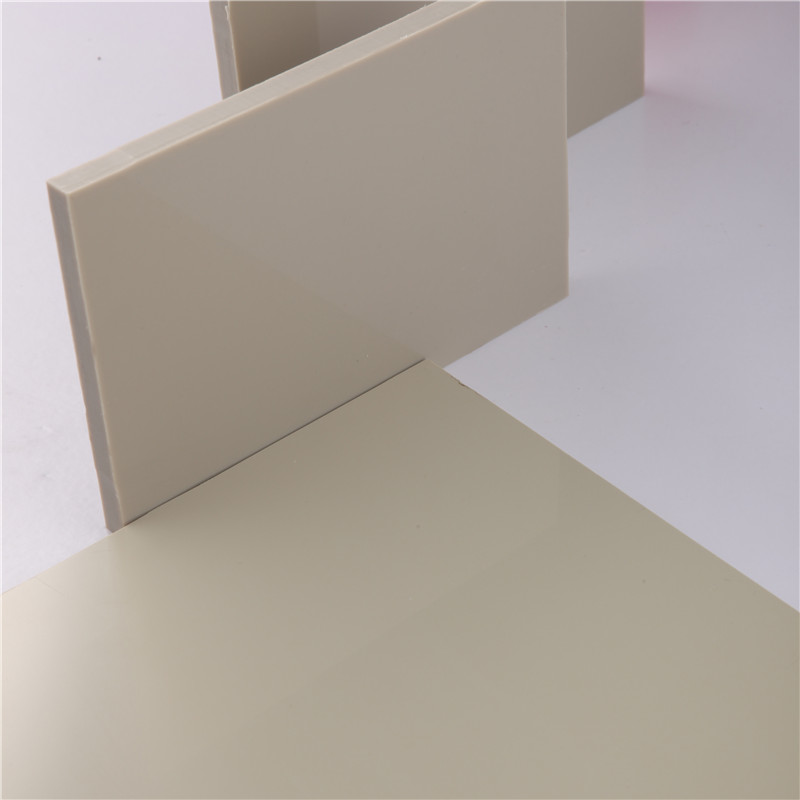
Precision Manufacturing Process of PPH Sheet
The superior performance characteristics of PPH sheet are a direct result of a meticulously controlled manufacturing process, beginning with high-purity Polypropylene Homopolymer resins. This process ensures the consistent quality, structural integrity, and specified performance attributes essential for industrial applications.
Materials and Pre-processing:
The primary raw material is a high-grade PPH resin, often enhanced with specialized additives. These additives may include UV stabilizers for outdoor applications, antioxidants to prevent degradation during processing and service life, and processing aids to improve melt flow and surface finish. The raw resin granules are typically dried to remove any residual moisture, preventing defects during the extrusion phase.
Manufacturing Process Steps:
- 1. Extrusion: Raw PPH pellets are fed into a twin-screw extruder. Here, they are heated to their melting point (typically 180-220°C) and homogenized under precise temperature and pressure controls. The molten polymer is forced through a die to form a continuous sheet. This step is critical for achieving uniform thickness and preventing material degradation.
- 2. Calendering/Rolling: Immediately after extrusion, the hot polymer sheet passes through a series of polished rollers (calendering process). These rollers precisely gauge the thickness, cool the material, and impart a smooth, consistent surface finish. The controlled cooling rate is essential to minimize internal stresses and optimize crystallization, contributing to the sheet's final mechanical properties.
- 3. Annealing/Stabilization: For certain applications requiring enhanced dimensional stability or stress relief, the sheets may undergo a post-processing annealing step. This involves controlled heating and slow cooling to further relax internal stresses induced during extrusion and calendering, improving long-term performance and reducing warping tendencies.
- 4. Cutting and Finishing: The continuous sheet is then precisely cut into specified dimensions using automated cutting systems. Edge trimming and final surface inspection are performed to ensure adherence to quality standards.
Testing and Quality Assurance:
Throughout the manufacturing process, stringent quality control measures are implemented. Finished PPH sheet products undergo comprehensive testing to confirm compliance with international standards such as ISO 9001 for quality management and ASTM D4101 for specific PPH material properties. Key tests include:
- Tensile Strength: Per ASTM D638, to measure the material's resistance to breaking under tension.
- Flexural Modulus: Per ASTM D790, indicating stiffness and resistance to bending.
- Impact Strength: Per ASTM D256 (Izod or Charpy), measuring toughness and resistance to sudden forces.
- Chemical Resistance: Immersion tests in various reagents to confirm resistance to acids, alkalis, and solvents.
- Vicat Softening Point: Per ASTM D1525, to determine the temperature at which the material begins to soften under load.
- Dimensional Stability: Ensuring minimal shrinkage or expansion under varying temperatures.
Service Life and Target Industries:
The robust nature of PPH sheet ensures a prolonged service life, often exceeding 20 years in less aggressive environments, due to its exceptional resistance to degradation from chemical exposure and thermal cycling. This longevity contributes significantly to reduced maintenance costs and operational downtime for critical infrastructure.
Target industries include:
- Petrochemical: For tanks, linings, and piping in corrosive environments.
- Metallurgy: Pickling tanks and fume extraction systems.
- Water Supply & Drainage: Chemical storage, treatment tanks, and process piping.
- Environmental Engineering: Wastewater treatment facilities, scrubbers, and exhaust ducts.
- Semiconductor Manufacturing: Cleanroom furniture, wet benches, and processing equipment.
In these scenarios, PPH sheet offers distinct advantages such as significant energy savings due to its lower thermal conductivity compared to metallic alternatives, and superior corrosion resistance, which is critical for maintaining structural integrity and preventing contamination in sensitive processes.
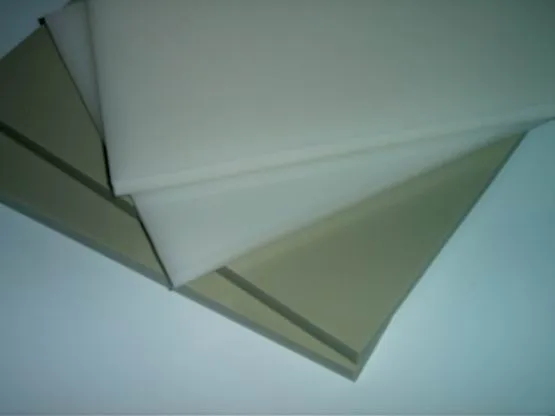
Technical Specifications and Performance Parameters
Understanding the detailed technical specifications of PPH sheet is crucial for engineers and procurement specialists when designing and implementing industrial systems. These parameters dictate the material's suitability for specific operating conditions and long-term performance expectations.
Key Physical and Mechanical Properties:
The homopolymer nature of PPH provides a high degree of crystallinity, translating into enhanced stiffness, hardness, and tensile strength compared to copolymer variants. Its molecular structure is characterized by a regular arrangement of propylene units, which contributes to its uniform and robust properties.
| Property | Test Method | Unit | Value (Typical) |
|---|---|---|---|
| Density | ISO 1183 | g/cm³ | 0.91 - 0.92 |
| Tensile Strength at Yield | ISO 527 | MPa | 30 - 36 |
| Elongation at Break | ISO 527 | % | > 200 |
| Flexural Modulus | ISO 178 | MPa | 1300 - 1600 |
| Notched Izod Impact Strength (23°C) | ISO 179 | kJ/m² | 3 - 6 |
| Vicat Softening Point (VSP A/50) | ISO 306 | °C | 145 - 150 |
| Heat Deflection Temperature (HDT A, 1.8 MPa) | ISO 75 | °C | 80 - 90 |
| Continuous Service Temperature (Air) | - | °C | -5 to +100 |
| Coefficient of Linear Thermal Expansion | ISO 11359 | K⁻¹ x 10⁻⁵ | 10 - 15 |
These properties collectively demonstrate the robustness of PPH sheet. Its high Vicat softening point and Heat Deflection Temperature (HDT) signify its capability to maintain structural integrity under elevated temperatures, which is critical for applications involving hot liquids or gases. The relatively low coefficient of linear thermal expansion, while higher than metals, is well-managed through proper design and welding techniques, ensuring dimensional stability in varying thermal conditions.
Beyond these mechanical and thermal characteristics, PPH sheet exhibits excellent electrical insulation properties, making it suitable for certain electrical component housing or insulation applications where chemical resistance is also a factor. Its low moisture absorption is another advantage, particularly in applications where dimensional stability in humid environments is crucial.
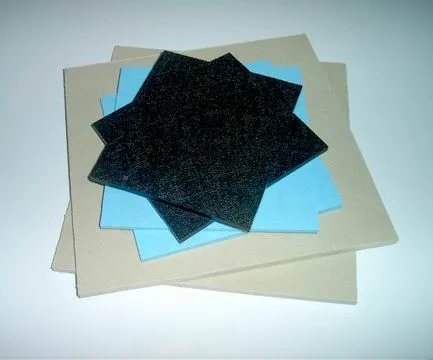
Versatile Application Scenarios
The unique combination of chemical resistance, thermal stability, and mechanical strength positions PPH sheet as an optimal material for a wide array of industrial applications where conventional materials often fall short. Its adaptability allows for implementation in highly corrosive and demanding environments.
Specific Application Areas:
- Chemical Storage and Processing Tanks: PPH sheets are extensively used for fabricating tanks, vessels, and liners for storing and processing aggressive chemicals such as acids, alkalis, and various organic solvents. Its inertness prevents material degradation and contamination, ensuring the purity of stored substances and the longevity of the containment structure.
- Fume Exhaust Systems and Scrubbers: In industries like chemical manufacturing, electroplating, and metal finishing, corrosive fumes and gases are a byproduct. PPH sheets are ideal for constructing fume hoods, ducts, and wet scrubbers due to their excellent resistance to corrosive atmospheres, ensuring efficient and safe air purification.
- Wastewater Treatment Plants: From sedimentation tanks to chemical dosing units and neutralization pits, PPH's resistance to a broad range of chemicals found in municipal and industrial wastewater makes it a durable choice for critical infrastructure components.
- Cleanroom Technology: In semiconductor manufacturing, pharmaceuticals, and biotechnology, cleanroom environments demand materials that do not leach contaminants and can withstand frequent chemical cleaning. PPH sheets are used for wet benches, work surfaces, and specialized equipment due to their high purity and chemical inertness.
- Galvanizing and Pickling Lines: The extreme acidity and high temperatures involved in these processes require materials with exceptional resistance. PPH is frequently employed for tanks and ancillary equipment, demonstrating superior service life compared to alternative plastics or lined metals.
Advantages in Typical Application Scenarios:
- Corrosion Resistance: In a petrochemical facility, a PPH sheet lining for a sulfuric acid storage tank provides unparalleled protection against aggressive chemical attack, preventing leaks and ensuring long-term containment integrity, vastly outperforming stainless steel in this specific context.
- Energy Saving: For ventilation ducts carrying heated, corrosive air, the lower thermal conductivity of PPH sheet compared to metals reduces heat loss, contributing to energy efficiency in heating and cooling systems.
- Reduced Maintenance: Components made from PPH sheet in wastewater treatment plants require minimal maintenance due to their resistance to chemical degradation and biofouling, leading to significant operational cost savings over the equipment's lifespan.
- Purity and Non-Contamination: In cleanroom environments, the inertness of PPH sheet prevents the release of particles or chemical leaches, safeguarding sensitive manufacturing processes from contamination.
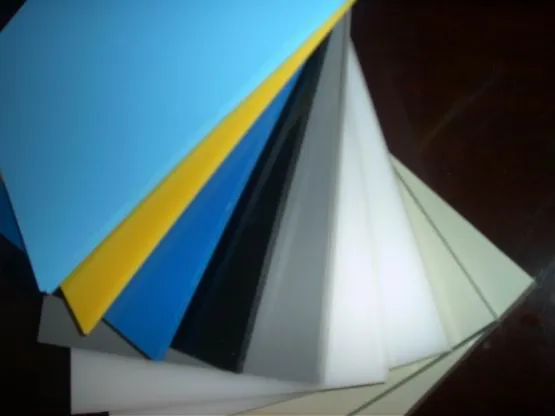
Technical Advantages and Vendor Comparison
The technical superiority of PPH sheet is multifaceted, offering a compelling alternative to traditional materials in many critical industrial applications. When evaluating suppliers, discerning these advantages and comparing vendor capabilities becomes essential.
Core Technical Advantages of PPH Sheet:
- Broad Chemical Resistance: PPH exhibits excellent resistance to a wide range of inorganic acids, alkalis, salts, and various organic solvents, making it suitable for aggressive chemical environments where metals would corrode.
- Elevated Temperature Performance: With a continuous service temperature up to 100°C and a Vicat softening point around 150°C, PPH maintains its mechanical properties better than many other thermoplastics at higher temperatures.
- High Rigidity and Impact Strength: The homopolymer structure provides superior stiffness and hardness, alongside good impact resistance, ensuring structural integrity in demanding mechanical applications.
- Excellent Welding Properties: PPH can be readily welded using various thermoplastic welding techniques (hot-gas, extrusion, butt fusion), allowing for the fabrication of complex, leak-proof structures.
- Low Specific Gravity: Its light weight (density around 0.91 g/cm³) simplifies handling, reduces structural loads, and lowers transportation costs compared to metallic counterparts.
- Long Service Life and Low Maintenance: Due to its resistance to corrosion, abrasion, and fatigue, PPH structures require minimal maintenance, leading to significant lifecycle cost savings.
- Environmental Sustainability: PPH is recyclable and its production process generally has a lower environmental footprint compared to some alternative materials, aligning with modern sustainability objectives.
Vendor Comparison: Lida Plastic vs. Generic Competitor
Choosing the right supplier for PPH sheet is critical. While many manufacturers exist, differentiators in product quality, manufacturing precision, and customer support are paramount.
| Feature/Criterion | Lida Plastic (Example) | Generic Competitor A |
|---|---|---|
| Raw Material Quality | Premium virgin PPH resin (e.g., LyondellBasell, Borealis) | Standard or mixed grade PPH resin |
| Manufacturing Process | Advanced extrusion & calendering, stress-relieved via annealing | Standard extrusion, potentially higher internal stresses |
| Certifications & Standards | ISO 9001, ISO 14001, ASTM D4101 compliance, RoHS, REACH | Basic ISO 9001, limited specific material certifications |
| Dimensional Accuracy | Strict tolerances (e.g., +/- 0.05mm for thickness) | Wider tolerances (e.g., +/- 0.1mm for thickness) |
| Customization Capabilities | Extensive: custom sizes, colors, additives (UV, FR, antistatic) | Limited standard options |
| Technical Support & Expertise | Dedicated technical team, material selection guidance, welding advice | Basic product information |
| Application Case Studies | Documented success stories across diverse industries | Few or generalized examples |
This comparison highlights that while many suppliers offer PPH sheet, the commitment to material quality, advanced manufacturing processes, and comprehensive technical support differentiates leading providers like Lida Plastic. This ensures not only product compliance but also optimized performance and longevity in challenging industrial applications.
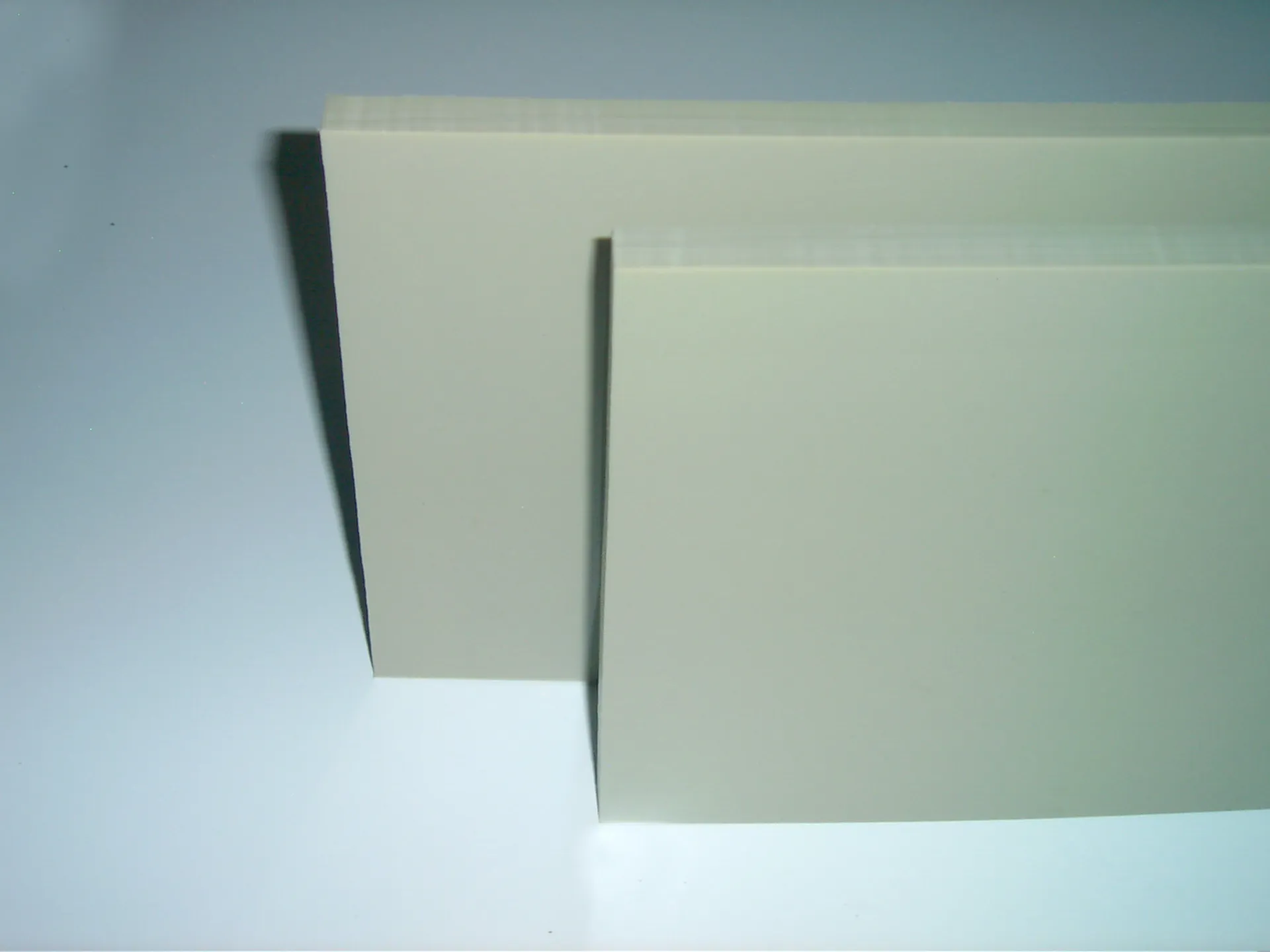
Customized Solutions and Real-World Case Studies
The complexity of modern industrial processes frequently demands material solutions that go beyond standard offerings. The ability to provide customized PPH sheet solutions, coupled with proven success through real-world applications, is a hallmark of an authoritative and experienced supplier.
Tailored PPH Sheet Solutions:
Customization options for PPH sheet allow for precise alignment with specific project requirements, optimizing performance and cost-effectiveness. These include:
- Dimensions and Thicknesses: Offering a wide range of sheet sizes and thicknesses (e.g., from 3mm to 50mm) to minimize waste and accommodate specific structural loads.
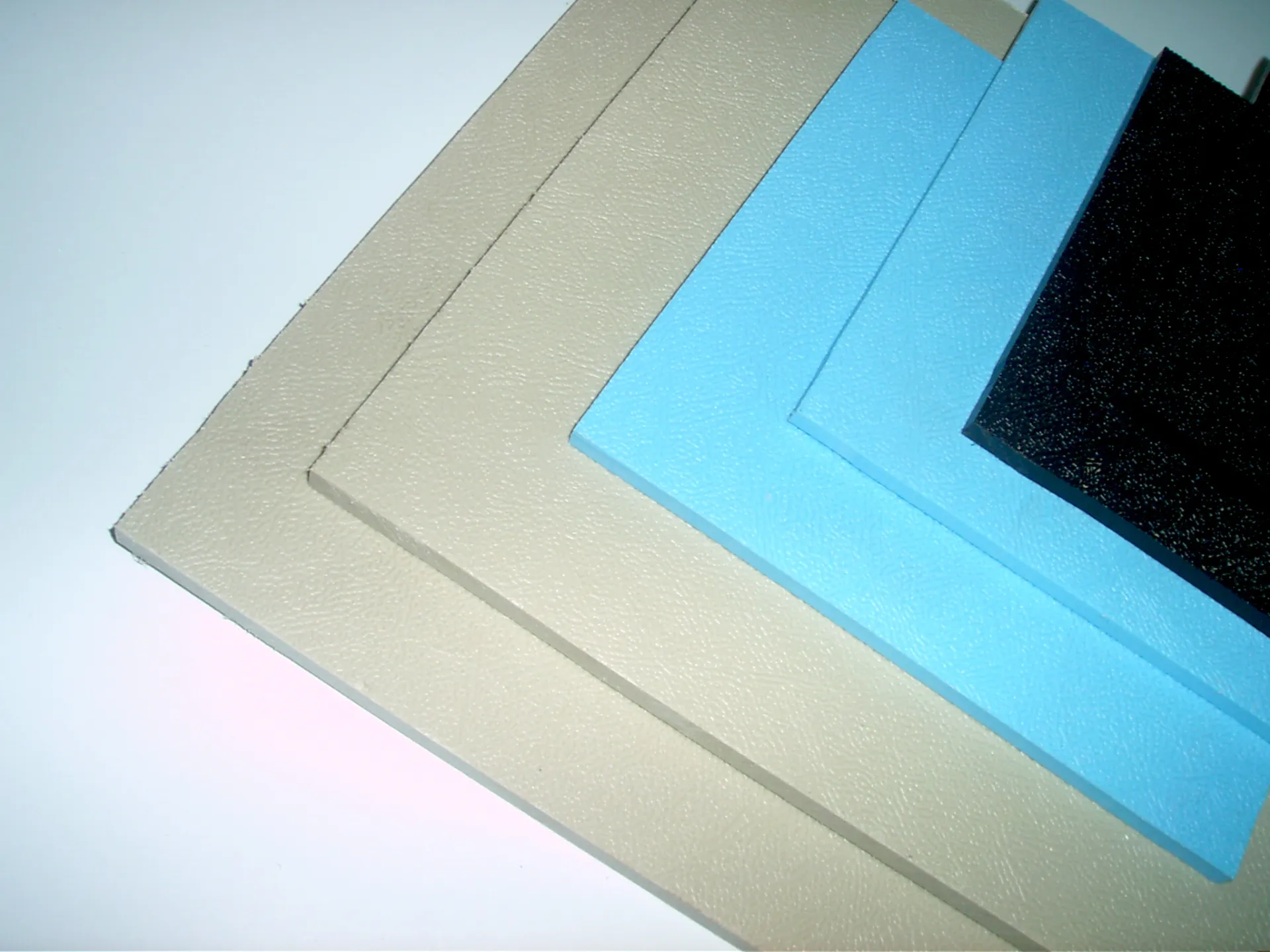
- Color Variations: While natural (grey) is standard, custom colors can be produced for aesthetic reasons, safety coding, or brand consistency.
- Specialized Formulations:
- UV Resistance: Incorporation of UV stabilizers for outdoor applications, extending service life under direct sunlight.
- Flame Retardancy: Addition of flame-retardant additives to meet specific fire safety standards (e.g., UL 94 V-0).
- Antistatic Properties: For applications where static charge buildup is a concern, such as in electronics manufacturing or explosive atmospheres.
- Reinforced Grades: Glass fiber reinforcement for enhanced stiffness and creep resistance at elevated temperatures.
- Surface Finishes: Options for glossy, matte, or textured surfaces depending on the application’s functional or aesthetic needs.
Application Case Studies:
Real-world examples illustrate the transformative impact of high-quality PPH sheet in challenging industrial settings.
Case Study 1: Large-Scale Chemical Storage Tanks for a Pharmaceutical Plant
- Challenge: A major pharmaceutical manufacturer required a series of large (10,000-gallon) tanks for storing various strong acids and bases used in API synthesis. Metallic tanks faced rapid corrosion and extensive maintenance, posing risks to product purity and worker safety.
- Solution: Custom-fabricated tanks using 30mm thick PPH sheet, hot-gas extruded and butt-welded to form monolithic structures. The sheets were sourced with specific FDA-compliant formulations to prevent leaching.
- Outcome: After five years of continuous operation, the PPH tanks showed no signs of chemical degradation or structural fatigue. Maintenance requirements were drastically reduced, leading to an estimated 40% reduction in operational costs compared to previous metallic solutions, and ensuring the highest level of product purity.
Case Study 2: Corrosive Fume Extraction System for a Metal Etching Facility
- Challenge: A precision metal etching plant experienced frequent failures of PVC-based fume extraction ducts due to exposure to hot sulfuric and nitric acid vapors, leading to costly downtime and compliance issues.
- Solution: Design and installation of a complete fume extraction system, including hoods, ducts, and a scrubber tower, entirely fabricated from UV-stabilized PPH sheet. The custom design included reinforced sections for high-velocity airflows.
- Outcome: The PPH system demonstrated exceptional resistance to both chemical attack and elevated temperatures (up to 70°C). Air quality measurements significantly improved, and the system has operated reliably for over 8 years without any material-related failures, surpassing the 2-year lifespan of the previous PVC system.
Case Study 3: Wet Benches for Semiconductor Wafer Processing
- Challenge: A semiconductor fabrication plant needed new wet benches that could withstand aggressive chemical baths (HF, H2SO4, NaOH) at various temperatures, provide dimensional stability, and maintain ultra-high purity in a Class 100 cleanroom.
- Solution: Wet benches were precision-machined and welded from high-purity PPH sheet. The sheets were selected for their low extractables and excellent flatness, critical for integrating automated robotic handling systems.
- Outcome: The PPH wet benches successfully integrated into the existing cleanroom, demonstrating superior chemical resistance and dimensional stability under continuous operation. Particle counts remained within strict limits, contributing to consistent wafer quality and an extended operational lifespan for the processing equipment.
Commitment to Trust and Support
Building and maintaining trust with B2B partners extends beyond product specifications; it encompasses transparency, reliable support, and clear commitments. As a leading provider of PPH sheet, we prioritize these elements to foster long-term relationships.
Frequently Asked Questions (FAQ):
-
Q: What is the maximum operating temperature for PPH sheet?
A: Our PPH sheet is generally rated for continuous service up to 100°C (212°F), with short-term exposure possible at higher temperatures, depending on chemical exposure and mechanical load. -
Q: Is PPH sheet suitable for outdoor applications?
A: Standard PPH can degrade under prolonged UV exposure. However, we offer UV-stabilized PPH sheet specifically formulated for outdoor environments to ensure extended service life. -
Q: How does PPH compare to PVC for chemical resistance?
A: While both offer good chemical resistance, PPH generally outperforms PVC in terms of temperature resistance and resistance to a broader range of aggressive acids and solvents, particularly at elevated temperatures. PPH is also more rigid and less susceptible to environmental stress cracking. -
Q: Can PPH sheet be easily welded or fabricated?
A: Yes, PPH sheet is thermoplastic and can be readily welded using standard hot-gas welding, extrusion welding, and butt fusion techniques, allowing for complex fabrication. We can provide technical guidance and training for welding processes.
Lead Time and Fulfillment:
We maintain robust production capabilities and a strategic inventory of standard PPH sheet sizes and thicknesses to ensure prompt delivery.
- Standard Orders: Typically 2-4 weeks, depending on volume and current production schedule.
- Customized Solutions: Lead times for custom sizes, colors, or specialized formulations will be quoted individually, typically ranging from 4-8 weeks to account for material procurement and production setup.
- Expedited Services: Available upon request for urgent projects, subject to capacity and additional charges.
Warranty Commitments:
Our PPH sheet products are manufactured to the highest standards and come with a comprehensive warranty against manufacturing defects. The specific terms and duration of the warranty are detailed in our sales agreement and are typically in line with industry best practices, covering material integrity and performance under specified conditions for a period of 1-5 years depending on the application and product type. We stand behind the quality and reliability of our materials.
Customer Support and Technical Assistance:
We are committed to providing unparalleled support throughout the entire project lifecycle. Our dedicated team of technical experts and sales engineers is available to assist with:
- Material selection and specification.
- Customization options and feasibility assessments.
- Fabrication and welding guidance.
- Troubleshooting and performance optimization.
- After-sales support and warranty claims.
You can reach our support team via phone, email, or through our website contact form. We pride ourselves on responsive and knowledgeable assistance to ensure your projects succeed.
Conclusion
The continuous evolution of materials science places PPH sheet at the forefront of high-performance thermoplastics for demanding industrial environments. Its proven resistance to chemical aggression, thermal stability, and mechanical durability make it an indispensable choice for critical applications across diverse sectors. By leveraging advanced manufacturing processes, adhering to stringent quality controls, and offering bespoke solutions, we ensure that our PPH sheet products deliver exceptional value and reliability. Partnering with an experienced and authoritative supplier guarantees access to not only superior materials but also comprehensive technical expertise and steadfast support, enabling industries to construct robust, efficient, and long-lasting infrastructure.
Authoritative References:
- ISO 9001:2015 - Quality management systems — Requirements. International Organization for Standardization.
- ASTM D4101 - Standard Specification for Propylene Plastic Injection and Extrusion Materials. ASTM International.
- "Handbook of Polypropylene and Polypropylene Composites" edited by K. K. K. Chawla, Woodhead Publishing, 2013.
- "Polypropylene: The Definitive User's Guide and Databook" by Edward P. Moore Jr., Plastics Design Library, 1996.
- "Chemical Resistance of Thermoplastics Handbook" by E.A. Grulke, Marcel Dekker Inc., 1999.
- "Plastics Engineering Handbook of the Society of Plastics Industry" edited by Michael L. Berins, Springer Science & Business Media, 2000.
-
Ultimate Guide to High Performance Industrial pvc dowel rods
NewsApr.16,2026
-
Industrial Guide to Using High Quality cpvc welding rod for Piping
NewsApr.09,2026
-
Comprehensive Guide to Selecting the Best Welding Rods for PVC Applications
NewsApr.07,2026
-
Comprehensive Guide to Solid PVC Rod Applications and Material Selection
NewsApr.04,2026
-
Comprehensive Guide to Choosing the Right Welding Rod PVC for Optimal Results
NewsMar.31,2026
-
Comprehensive Guide to 12mm HDPE Sheet Properties Applications and More
NewsMar.28,2026
 Afrikaans
 Albanian
 Amharic
 Arabic
 Armenian
 Azerbaijani
 Basque
 Belarusian
 Bengali
 Bosnian
 Bulgarian
 Catalan
 Cebuano
 Corsican
 Croatian
 Czech
Czech
 Danish
 Dutch
Dutch
 Esperanto
 Estonian
 Finnish
 French
 Frisian
 Galician
 Georgian
 German
 Greek
Greek
 Gujarati
 Haitian Creole
 Hausa
Hausa
 Hawaiian
 Hebrew
 Hindi
Hindi
 Miao
Miao
 Hungarian
 Icelandic
 Igbo
Igbo
 Indonesian
 Irish
Irish
 Italian
 Japanese
 Javanese
 Kannada
 Kazakh
 Khmer
Khmer
 Rwandese
 Korean
 Kurdish
 Kyrgyz
 Lao
Lao
 Latin
Latin
 Latvian
 Lithuanian
 Luxembourgish
 Macedonian
 Malgashi
 Malay
Malay
 Malayalam
 Maltese
 Maori
Maori
 Marathi
 Mongolian
 Myanmar
 Nepali
 Norwegian
 Norwegian
 Occitan
 Pashto
 Persian
 Polish
 Portuguese
 Punjabi
 Romanian
 Russian
 Samoan
 Scottish Gaelic
 Serbian
 Sesotho
 Shona
Shona
 Sindhi
 Sinhala
 Slovak
 Slovenian
 Somali
 Spanish
 Sundanese
 Swahili
 Swedish
 Tagalog
 Tajik
Tajik
 Tamil
Tamil
 Tatar
Tatar
 Telugu
 Thai
Thai
 Turkish
 Turkmen
 Ukrainian
 Urdu
Urdu
 Uighur
 Uzbek
Uzbek
 Vietnamese
 Welsh
Welsh
 Bantu
Bantu
 Yiddish
 Yoruba
 Zulu
Zulu
 English