

Mar . 07, 2026 02:15 Back to list
Comprehensive Guide to HDPE Transparent Sheet Properties and Applications
HDPE Transparent Sheet: A Comprehensive Guide
High-Density Polyethylene (HDPE) transparent sheets are versatile plastic materials finding increasing applications across various industries. Known for their exceptional clarity, strength, and chemical resistance, these sheets offer a robust alternative to glass in numerous applications. This article will explore the properties, applications, benefits, and considerations when choosing HDPE transparent sheet for your projects. We’ll cover everything from manufacturing processes to practical uses and sourcing options.
Understanding HDPE Transparent Sheet Properties
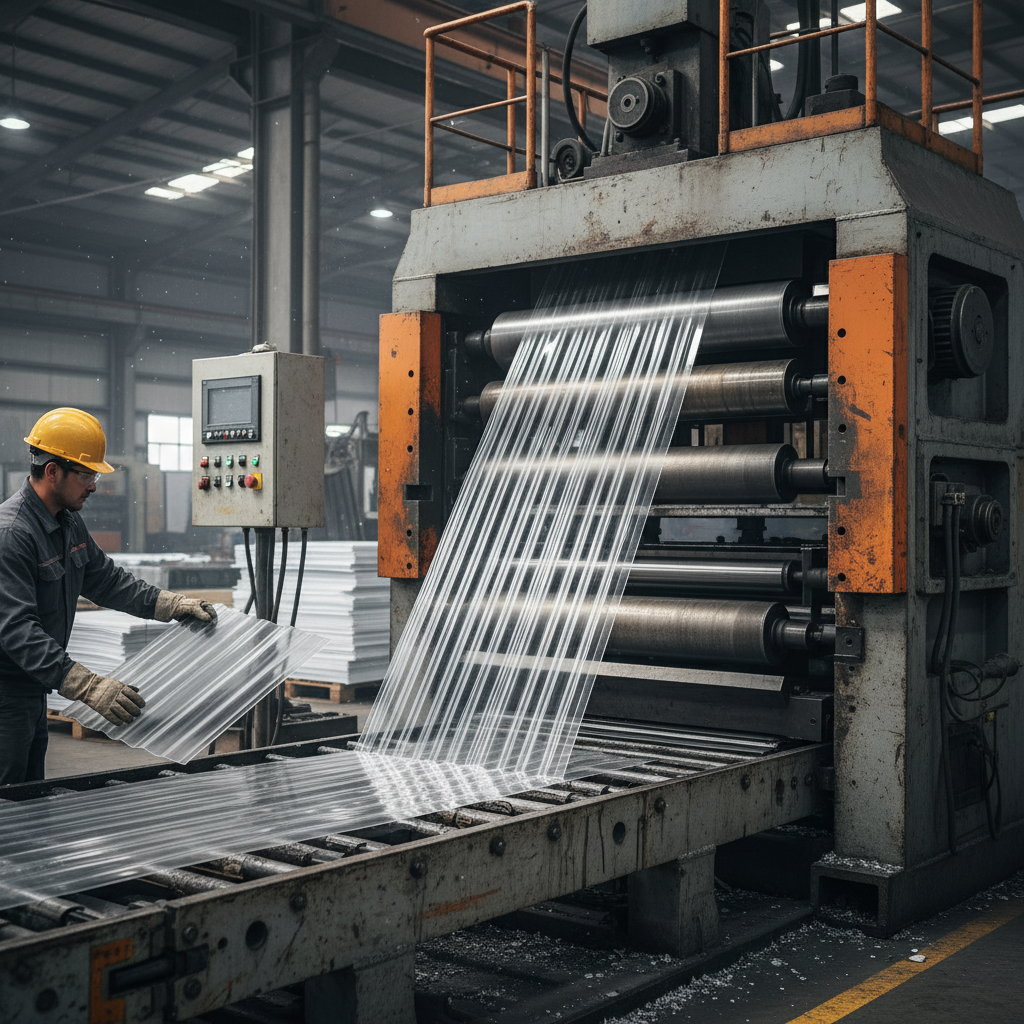
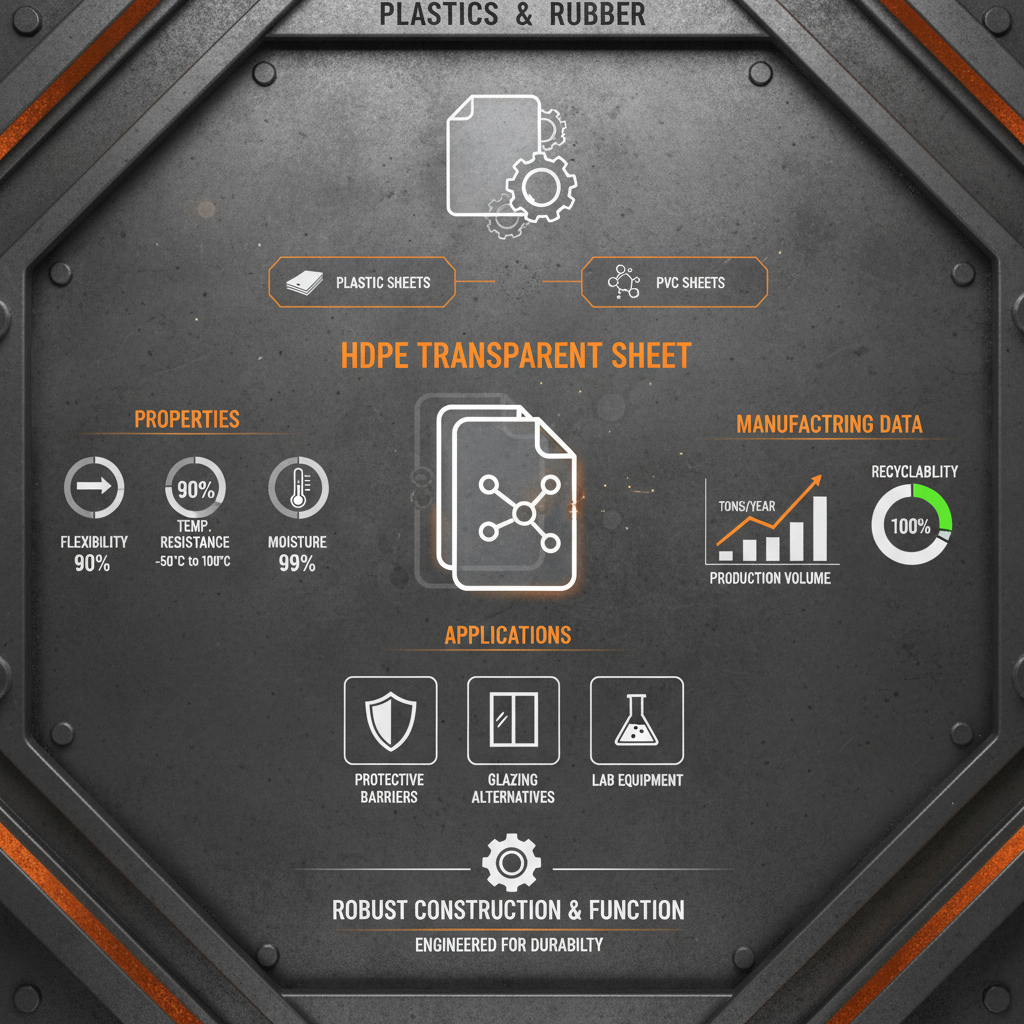
HDPE transparent sheets are manufactured from high-density polyethylene resin. The transparency is achieved through specialized extrusion processes and the addition of clarifying agents. Key properties include excellent impact resistance, even at low temperatures, making them far safer than glass in many applications. They also exhibit high chemical resistance, making them suitable for use with a wide range of substances. Furthermore, HDPE is lightweight, easy to fabricate, and possesses good electrical insulation properties. These characteristics contribute to the growing popularity of HDPE plastic sheets in diverse industrial settings.
Key Highlights: Excellent impact resistance, high chemical resistance, lightweight, easy to fabricate, and good electrical insulation properties.
Applications of HDPE Transparent Sheet
The applications for HDPE transparent sheets are extensive. They are commonly used for machine guarding, providing a safe and clear barrier around moving parts. In the agricultural sector, they are utilized for greenhouse glazing due to their light transmission and durability. Signage and displays also benefit from the clarity and weather resistance of HDPE sheets. Other applications include skylights, sound barriers, and protective covers. The ability to custom fabricate these sheets into various shapes and sizes further expands their versatility, offering tailored solutions for specific requirements.
Common Applications:
• Machine Guarding
• Greenhouse Glazing
• Signage and Displays
• Skylights
HDPE Transparent Sheet vs. Acrylic & Polycarbonate: A Comparison
While several materials offer transparency, HDPE, acrylic, and polycarbonate are often compared. Acrylic boasts superior clarity, but is more brittle and prone to cracking. Polycarbonate offers exceptional impact resistance but is more expensive and can yellow with prolonged UV exposure. HDPE strikes a balance between these properties, providing good clarity, excellent impact resistance, and a more cost-effective solution. The best choice depends on the specific application requirements and budget constraints.
Sourcing and Specifications of HDPE Transparent Sheet
When sourcing HDPE transparent sheets, consider factors like thickness, sheet size, and UV resistance. Thickness ranges typically from 1mm to 12mm, depending on the application's structural requirements. UV-stabilized grades are crucial for outdoor applications to prevent yellowing and degradation. Reputable suppliers like Lida Plastic offer custom cutting and fabrication services to meet specific project needs. Always request a sample to verify clarity and quality before placing a bulk order.
Conclusion: Choosing the Right HDPE Transparent Sheet
HDPE transparent sheet offers a compelling combination of properties, making it a valuable material for diverse applications. By understanding its characteristics, comparing it to alternatives, and sourcing from reputable suppliers like Lida Plastic, you can ensure you select the optimal solution for your project. Invest in quality HDPE to benefit from its durability, clarity, and cost-effectiveness.
Frequently Asked Questions (FAQs)
What is the typical lead time for custom HDPE sheet orders?
Lead times for custom HDPE transparent sheet orders vary depending on the complexity of the fabrication and the current order backlog. Generally, standard cut-to-size orders can be fulfilled within 3-5 business days. More complex fabrication, such as routing, drilling, or bending, may require 7-10 business days. It's always best to confirm lead times with your supplier, like Lida Plastic, when placing your order to ensure timely delivery. Providing detailed specifications upfront can also help expedite the process.
How should HDPE transparent sheets be stored?
To maintain the quality of HDPE transparent sheets, they should be stored in a cool, dry, and well-ventilated area. Avoid direct sunlight, as prolonged exposure can cause yellowing and degradation. Keep the sheets flat and supported to prevent warping or bending. Protect them from dust and debris by covering them with a clean, protective material. Proper storage ensures the sheets remain in optimal condition for their intended use.
Can HDPE transparent sheets be recycled?
Yes, HDPE is a recyclable material. However, recycling facilities may not always accept transparent sheets due to potential contamination or color sorting issues. Check with your local recycling center for their specific guidelines. Some suppliers, like Lida Plastic, may offer recycling programs or take-back services for HDPE scrap material.
-
Ultimate Guide to High Performance Industrial pvc dowel rods
NewsApr.16,2026
-
Industrial Guide to Using High Quality cpvc welding rod for Piping
NewsApr.09,2026
-
Comprehensive Guide to Selecting the Best Welding Rods for PVC Applications
NewsApr.07,2026
-
Comprehensive Guide to Solid PVC Rod Applications and Material Selection
NewsApr.04,2026
-
Comprehensive Guide to Choosing the Right Welding Rod PVC for Optimal Results
NewsMar.31,2026
-
Comprehensive Guide to 12mm HDPE Sheet Properties Applications and More
NewsMar.28,2026