

Feb . 11, 2026 02:25 Back to list
Explore the Versatility of Durable Colored HDPE Sheets for Diverse Applications
Colored HDPE Sheets: A Comprehensive Guide
High-Density Polyethylene (HDPE) sheets are incredibly versatile plastics used in a wide array of applications, from industrial fabrication to artistic projects. However, many users are unaware of the availability and benefits of colored HDPE sheets. This article provides a detailed overview of these vibrant and functional materials, exploring their properties, applications, advantages, and how to choose the right color and thickness for your needs. We’ll cover everything you need to know about sourcing quality colored HDPE from a reliable supplier like Lida Plastic.
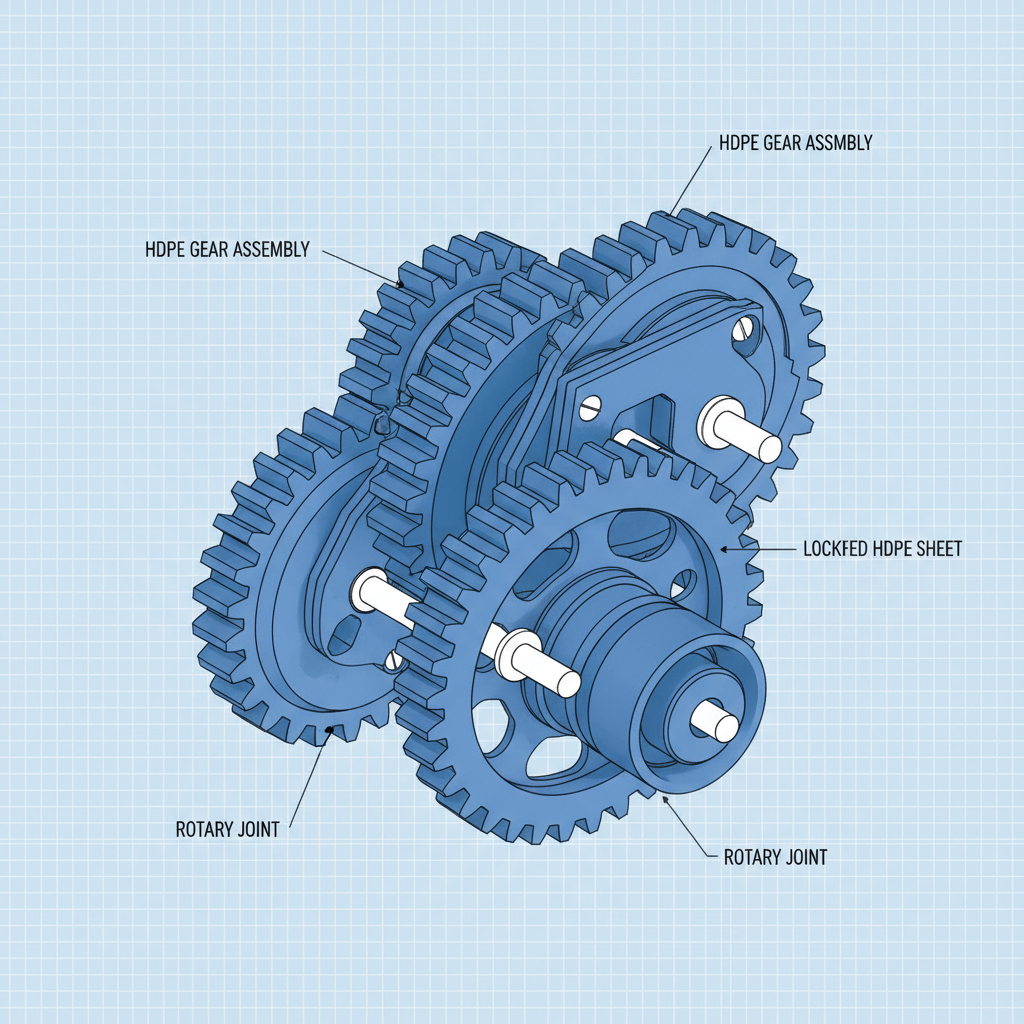
Understanding the Benefits of Colored HDPE
While natural HDPE is a strong and durable plastic, colored HDPE offers several advantages. The color is achieved through the addition of UV-stabilized color concentrates during the manufacturing process, ensuring the color is consistent throughout the material. This color isn't just aesthetic; it provides enhanced functionality. For instance, using different colors can help with organization in industrial settings, quickly identifying different components or product types. Colored HDPE is also more resistant to fading from prolonged sun exposure compared to painted HDPE. Furthermore, choosing colored HDPE eliminates the need for post-fabrication painting, saving time and costs.
Key Highlights: Colored HDPE offers enhanced organization, improved UV resistance, and eliminates the need for painting, saving both time and money.
Applications of Colored HDPE Sheets
The applications of colored HDPE are incredibly diverse. They’re commonly used for cutting boards, particularly in food processing where color-coding prevents cross-contamination. In industrial settings, colored HDPE is used for liners, tanks, and panels. The construction industry utilizes it for durable cladding and protective barriers. Artists and designers employ it for sculptures, signage, and unique installations. Its resistance to moisture, chemicals, and impact makes it suitable for both indoor and outdoor applications. Lida Plastic provides colored HDPE sheets tailored for a wide range of these applications.
Common Applications:
• Cutting Boards (Food Grade)
• Industrial Liners & Tanks
• Construction Cladding
• Artistic Sculptures & Signage
Choosing the Right Color for Your Colored HDPE Sheets
Selecting the appropriate color for your project is crucial. Beyond aesthetics, consider the intended function. For example, bright colors like red or orange can be used for safety applications to increase visibility. Blue or green might be preferred for water tanks or agricultural applications. Consider the UV resistance of the color; darker colors generally absorb more heat and may fade faster over time. Lida Plastic offers a wide spectrum of colors to meet diverse requirements, and our team can advise you on the best option for your specific use case.
Thickness & Specifications for Colored HDPE
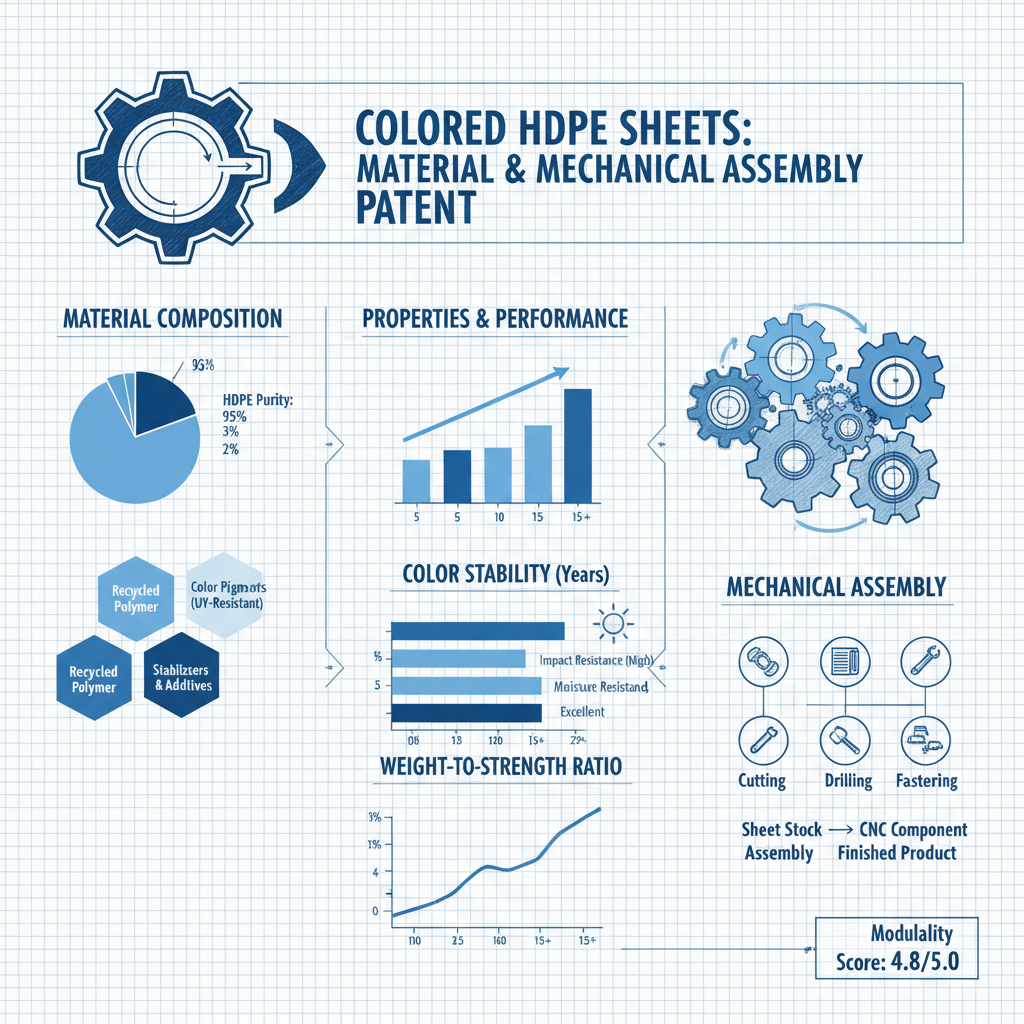
HDPE sheets are available in various thicknesses, ranging from 1/8 inch to 1 inch or more. The appropriate thickness depends on the application and the load it will bear. Thicker sheets offer greater strength and rigidity. Lida Plastic offers custom cutting services to provide sheets to your exact specifications. Below is a table outlining common thicknesses and their typical uses:
Conclusion: Quality & Color Options from Lida Plastic
Investing in colored HDPE sheets from a reputable supplier like Lida Plastic ensures you receive a high-quality, durable, and aesthetically pleasing product. With a wide range of colors and thicknesses available, you can find the perfect material for your specific application. Don’t compromise on quality – choose Lida Plastic for all your HDPE sheet needs.
Frequently Asked Questions (FAQs)
What is the lead time for custom colored HDPE sheet orders?
Lead times vary depending on the quantity, color, and thickness of your order. Generally, standard colors are readily available and can ship within 3-5 business days. Custom color matching may add an additional 5-7 business days to the lead time. Lida Plastic provides accurate lead time estimates upon receiving your order details and specifications. We pride ourselves on efficient processing and timely delivery to minimize disruption to your projects.
Can colored HDPE sheets be recycled?
Yes, HDPE is a highly recyclable plastic. Colored HDPE sheets can be recycled along with other HDPE materials. However, the color may affect the final color of the recycled product. It’s important to ensure the sheets are clean and free from contaminants before recycling. Contact your local recycling center for specific guidelines and acceptance criteria.
What fabrication methods are suitable for colored HDPE?
Colored HDPE can be easily fabricated using standard woodworking tools and techniques, including sawing, drilling, routing, and welding. However, due to its plastic nature, sharp tools and proper techniques are essential to achieve clean and precise cuts. Welding HDPE requires specialized equipment and expertise to ensure a strong and durable bond. Lida Plastic can provide guidance on suitable fabrication methods and recommend qualified fabricators.
What are the temperature limitations for colored HDPE?
Colored HDPE generally performs well in a temperature range of -40°C to 85°C (-40°F to 185°F). However, prolonged exposure to extreme temperatures can affect its mechanical properties. High temperatures can cause softening and deformation, while low temperatures can increase brittleness. The specific temperature limits may vary depending on the grade of HDPE and the presence of any additives.
-
Ultimate Guide to High Performance Industrial pvc dowel rods
NewsApr.16,2026
-
Industrial Guide to Using High Quality cpvc welding rod for Piping
NewsApr.09,2026
-
Comprehensive Guide to Selecting the Best Welding Rods for PVC Applications
NewsApr.07,2026
-
Comprehensive Guide to Solid PVC Rod Applications and Material Selection
NewsApr.04,2026
-
Comprehensive Guide to Choosing the Right Welding Rod PVC for Optimal Results
NewsMar.31,2026
-
Comprehensive Guide to 12mm HDPE Sheet Properties Applications and More
NewsMar.28,2026